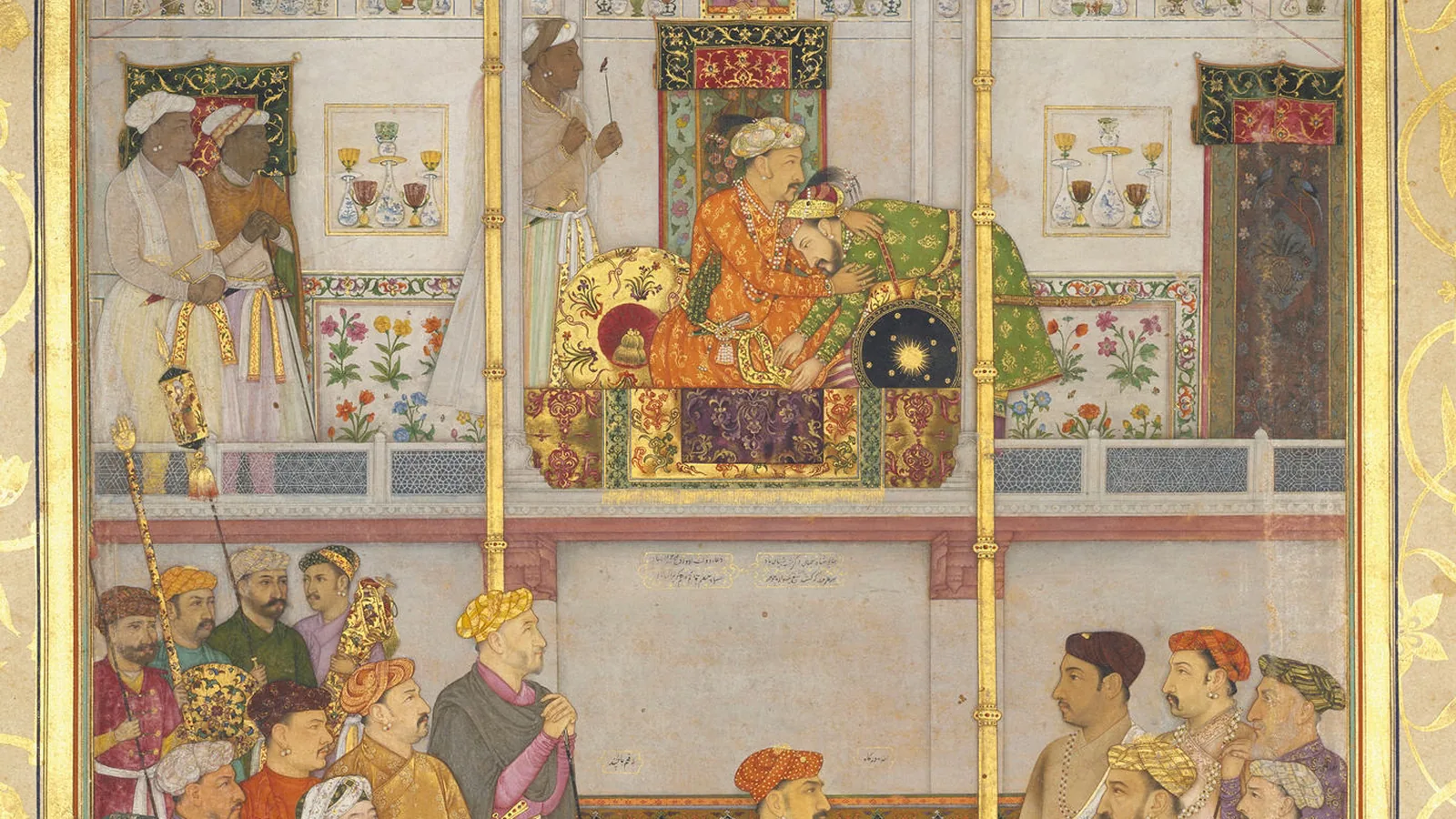
A coach, virginals and two farmans: Roe before Jahangir, 1616–1618
Thomas Roe first saw Jahangir at Ajmer on January 10, 1616, with a coach and virginals. He left in 1618 with farmans, not the sealed treaty he had drafted.
· 1616Articles about rulers & dynasties across every continent and era, oldest first.
Thomas Roe first saw Jahangir at Ajmer on January 10, 1616, with a coach and virginals. He left in 1618 with farmans, not the sealed treaty he had drafted.
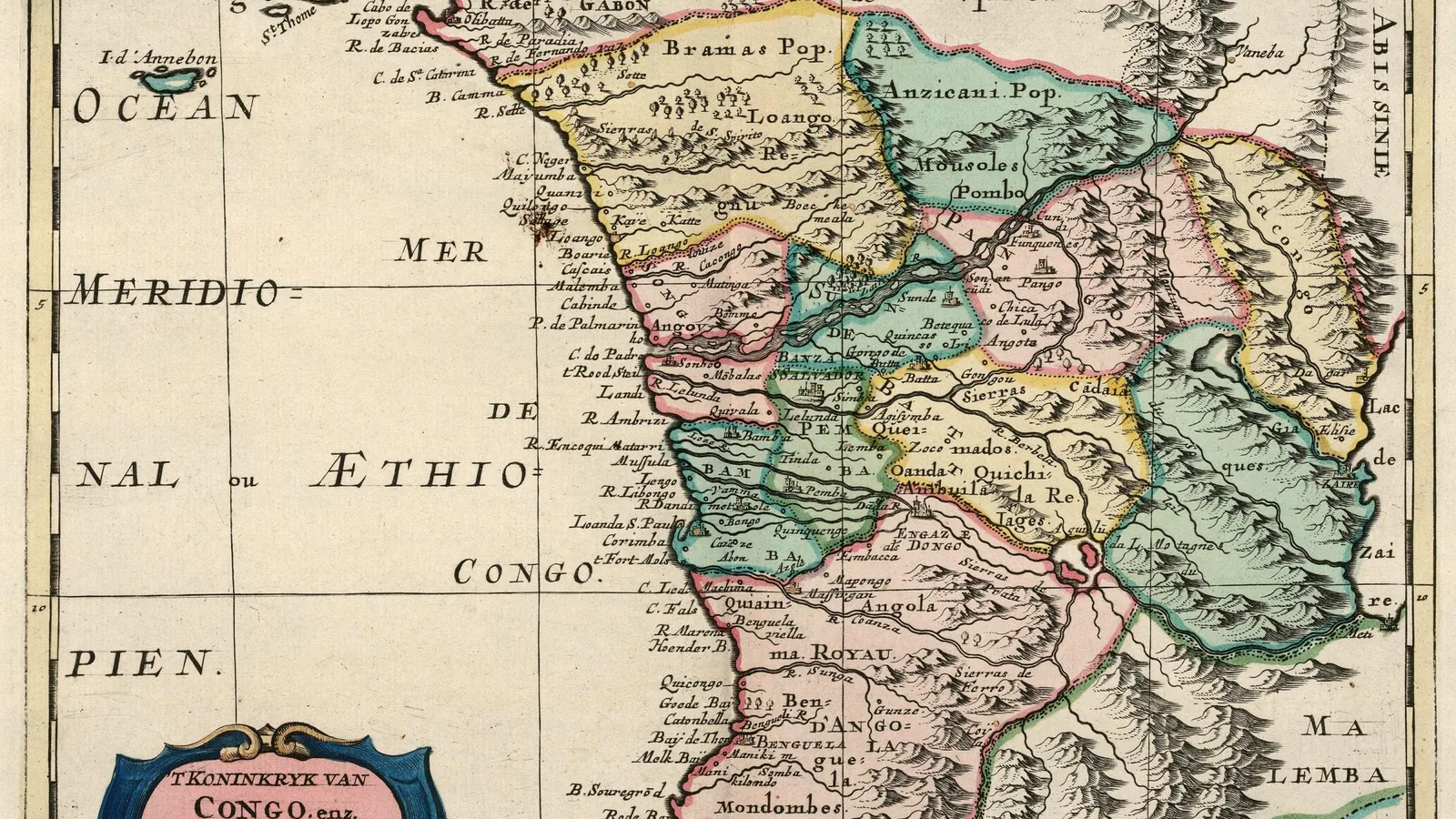
· 1616In Luanda in 1622, Njinga secured a Portuguese withdrawal and recognition of Ndongo's sovereignty from Governor Correia de Sousa, per the SciELO account.
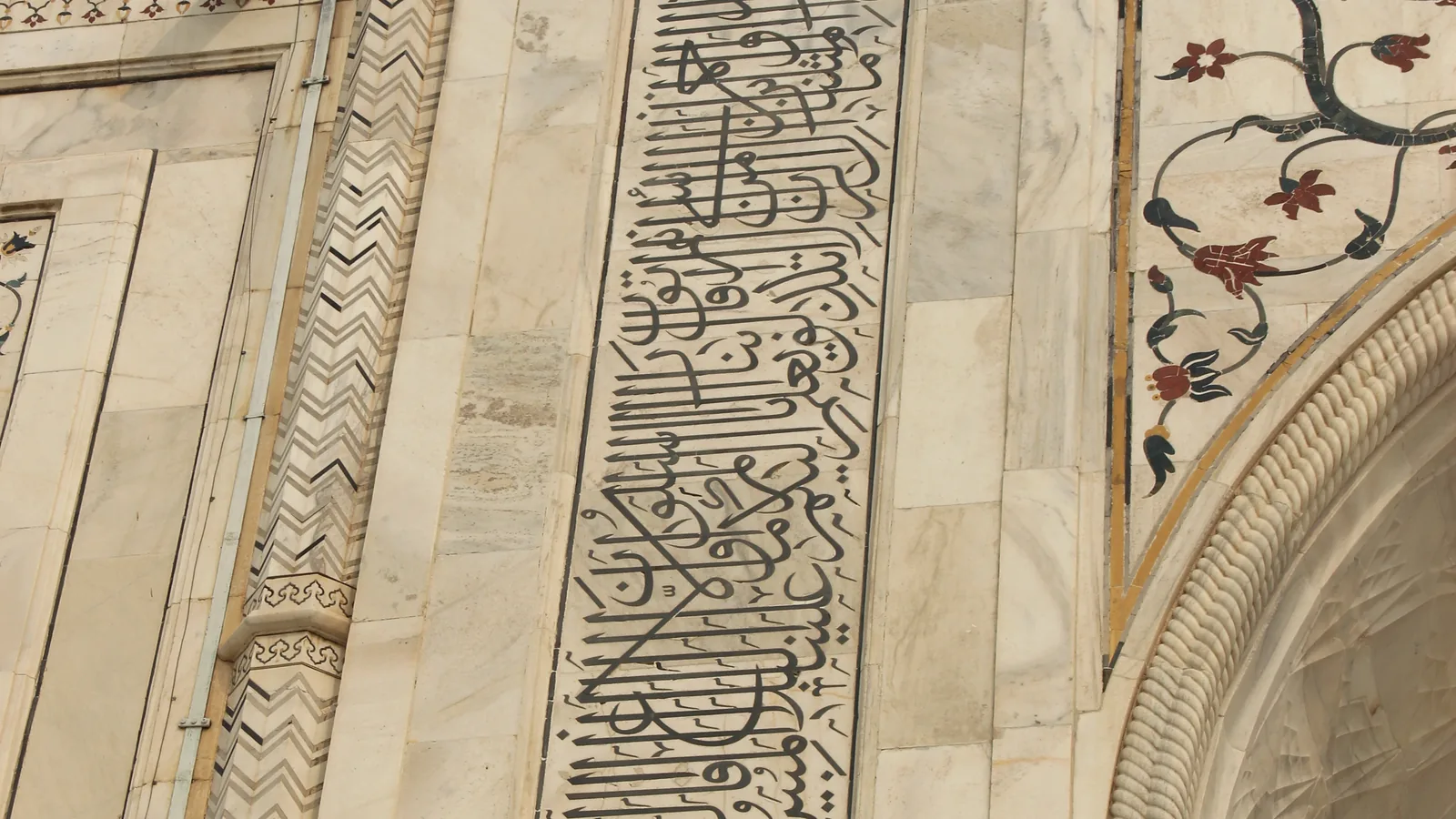
· 1622Mumtaz Mahal died at Burhanpur on June 17, 1631. Indian government sites date the Taj Mahal to 1631-1648 and 1653; its dome calligraphy is signed 1638.
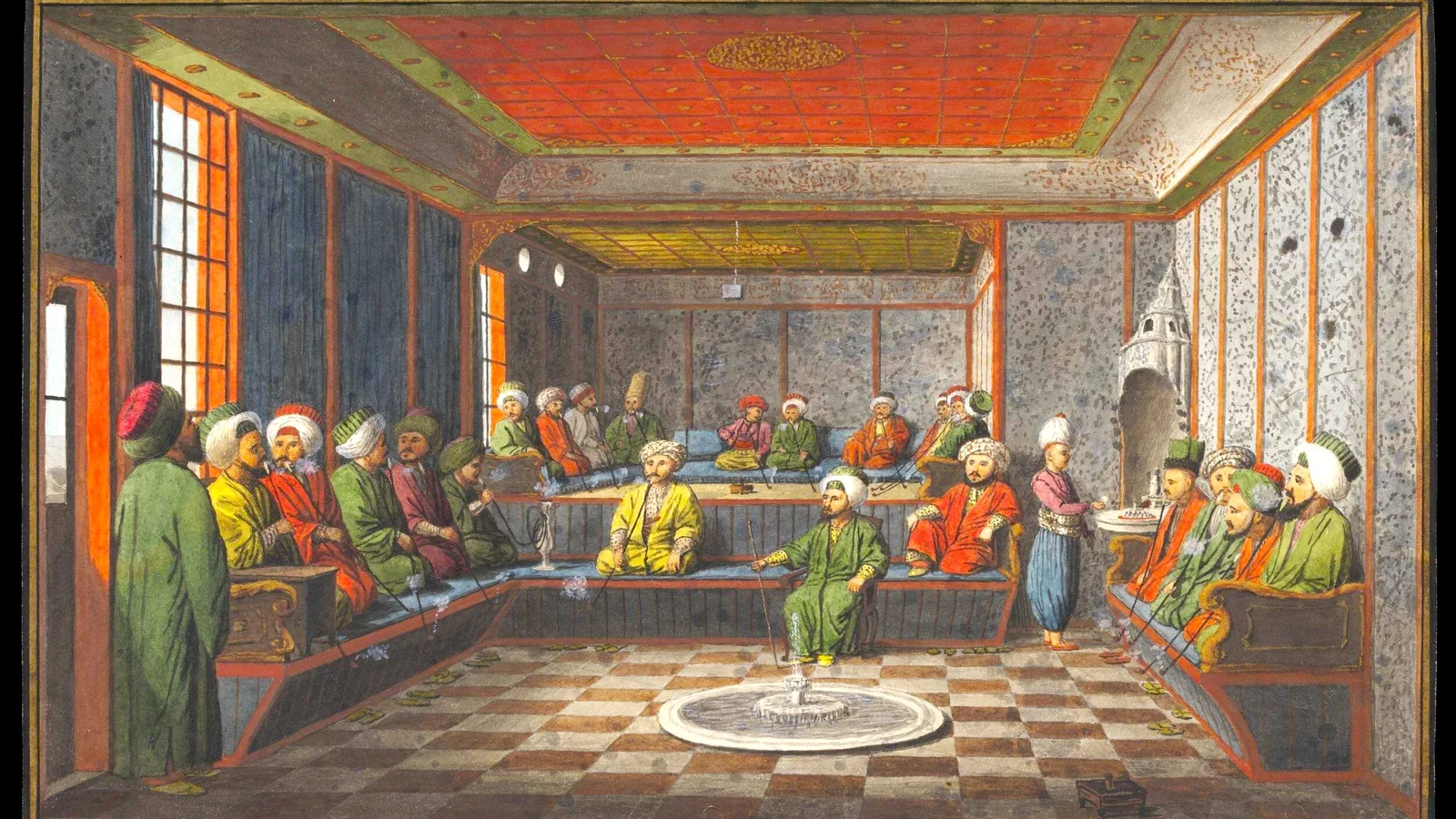
· 1632A fire started outside Istanbul's Cibali gate on September 2, 1633, and burned a fifth of the city. The same day, Murad IV ordered the coffeehouses shut.
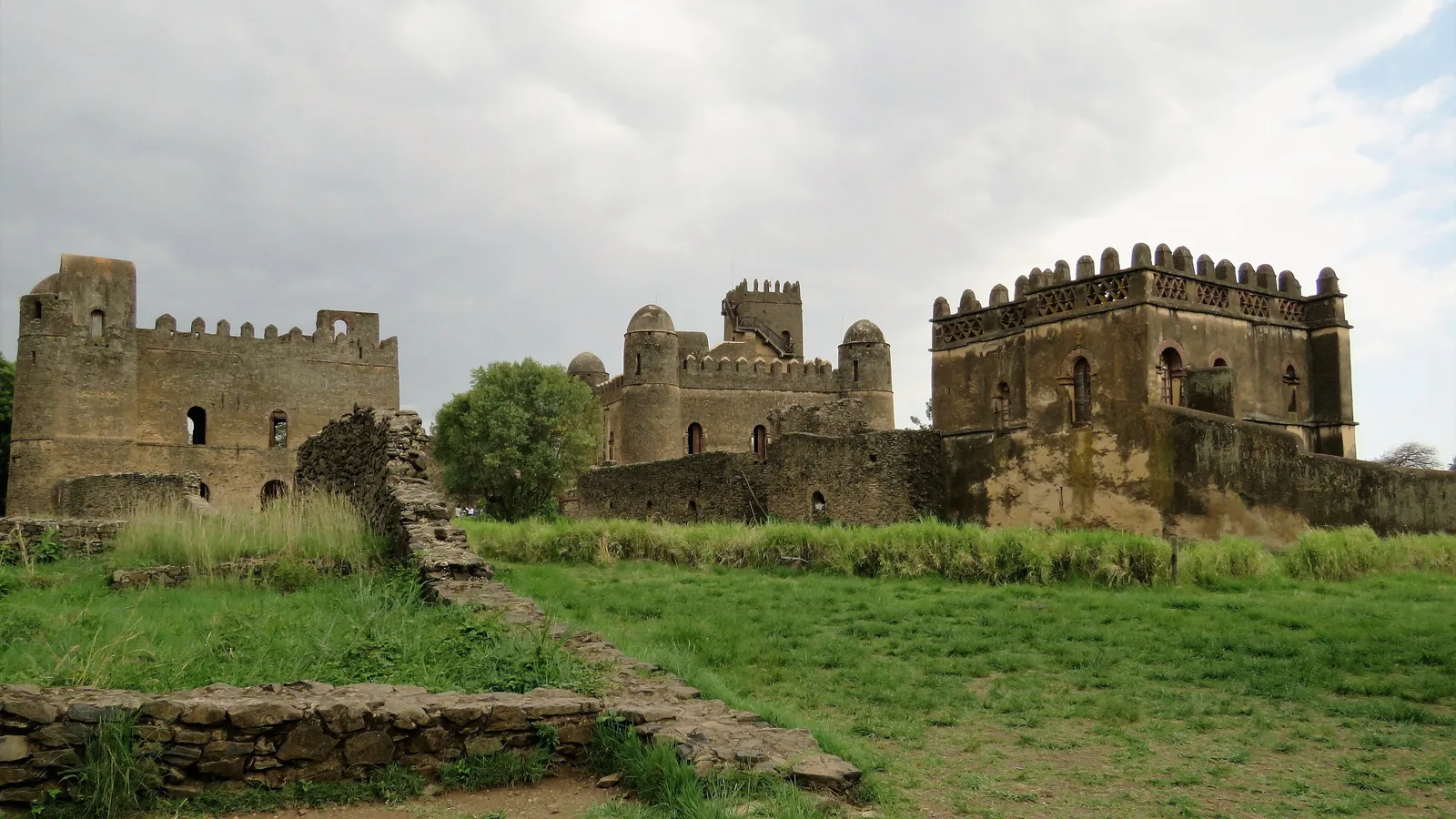
· 1633Fasilides settled the moving Ethiopian court at Gondar in 1636. His walled enclosure, Fasil Ghebbi, held castles built by the emperors after him.
· 1636Letters from Ram Singh's staff, a Mughal chronicle of 1710 and a Maratha bakhar give Shivaji's 1666 escape from Agra different dates and routes home.
· 1666Arrested runners with knotted cords moved the Pueblo Revolt from August 13 to August 10, 1680; Otermín fled Santa Fe and Spain stayed away twelve years.
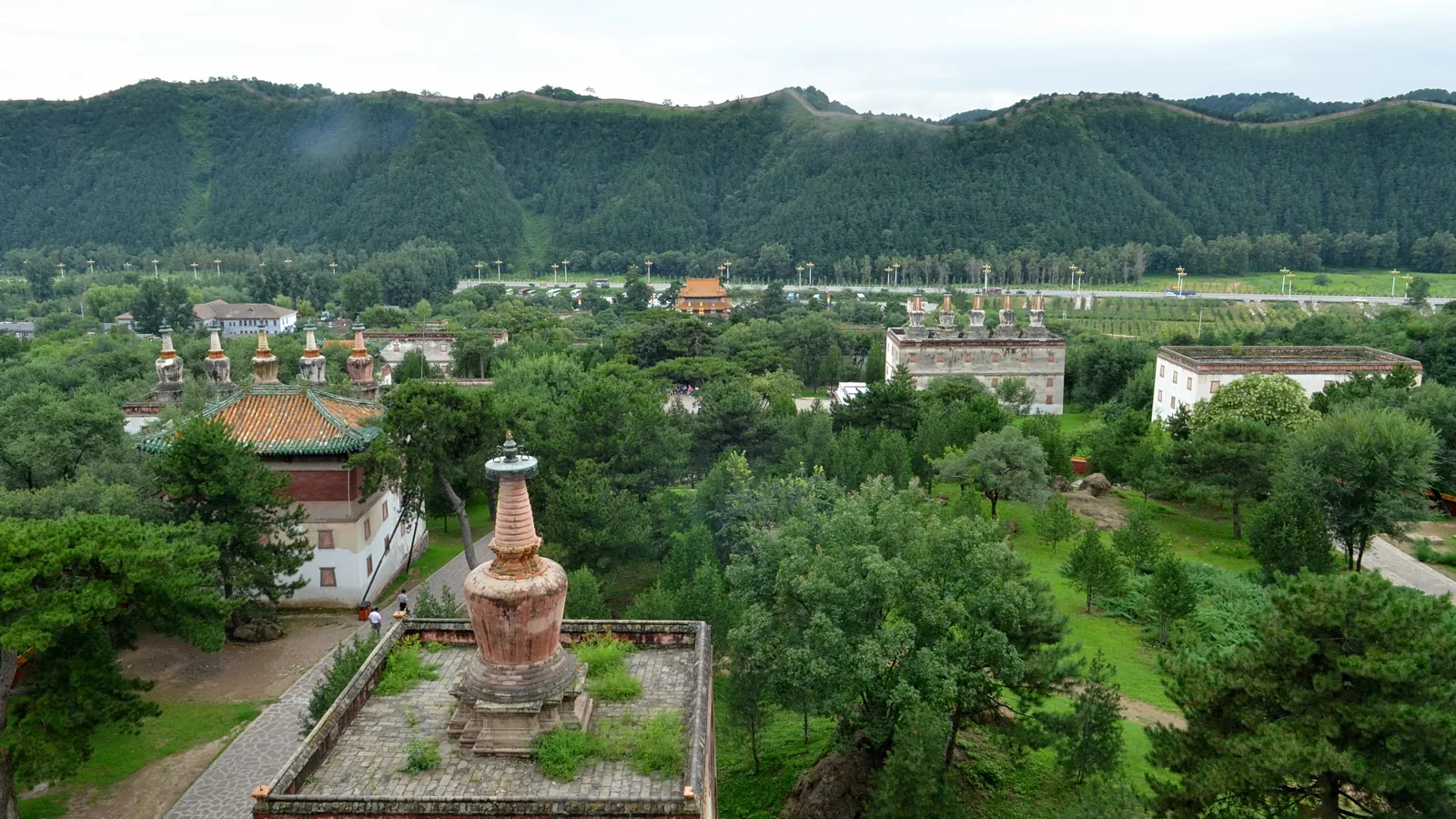
· 1680Two Jesuits, Tomás Pereira and Jean-François Gerbillon, put the 1689 Qing-Russian talks at Nerchinsk into Latin, the language both sides depended on.
· 1689A 1692 Salem warrant named Sarah Good on suspicion of witchcraft. Massachusetts cleared its last conviction from that court in 2022.
· 1692Peter I ordered Prince Bekovich-Cherkassky to turn the Amu Darya and win the khan of Khiva. In 1717 his force was divided into five and destroyed.
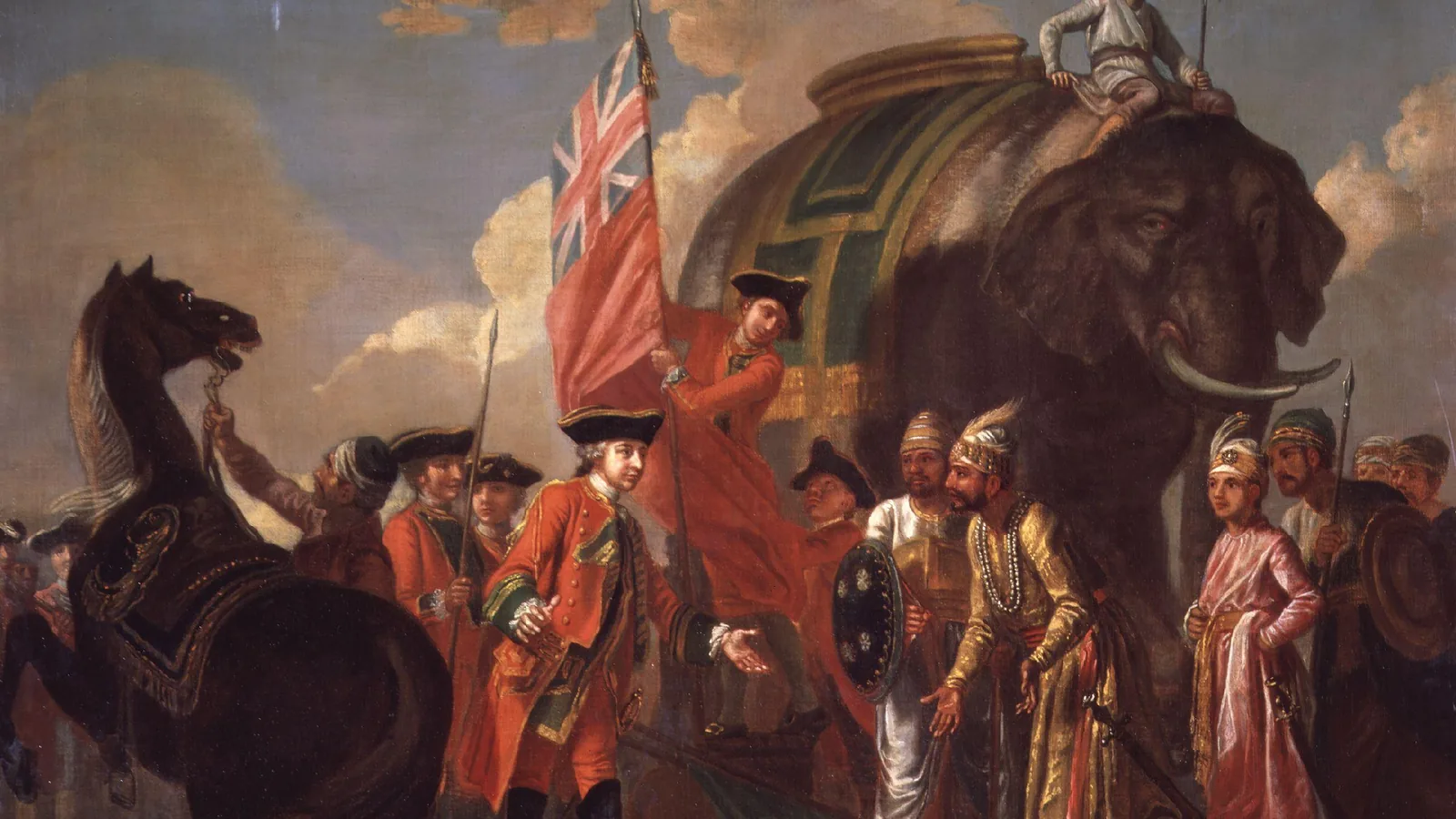
· 1717National Army Museum dates the Battle of Plassey to June 23, 1757. A 1772-73 inquiry then examined the payments Robert Clive took from Mir Jafar.
· 1757Qianlong's monument, translated by Amiot in 1776, records the Torghuts' eight-month march from the Volga to the Ili in 1771; counts of the dead disagree.
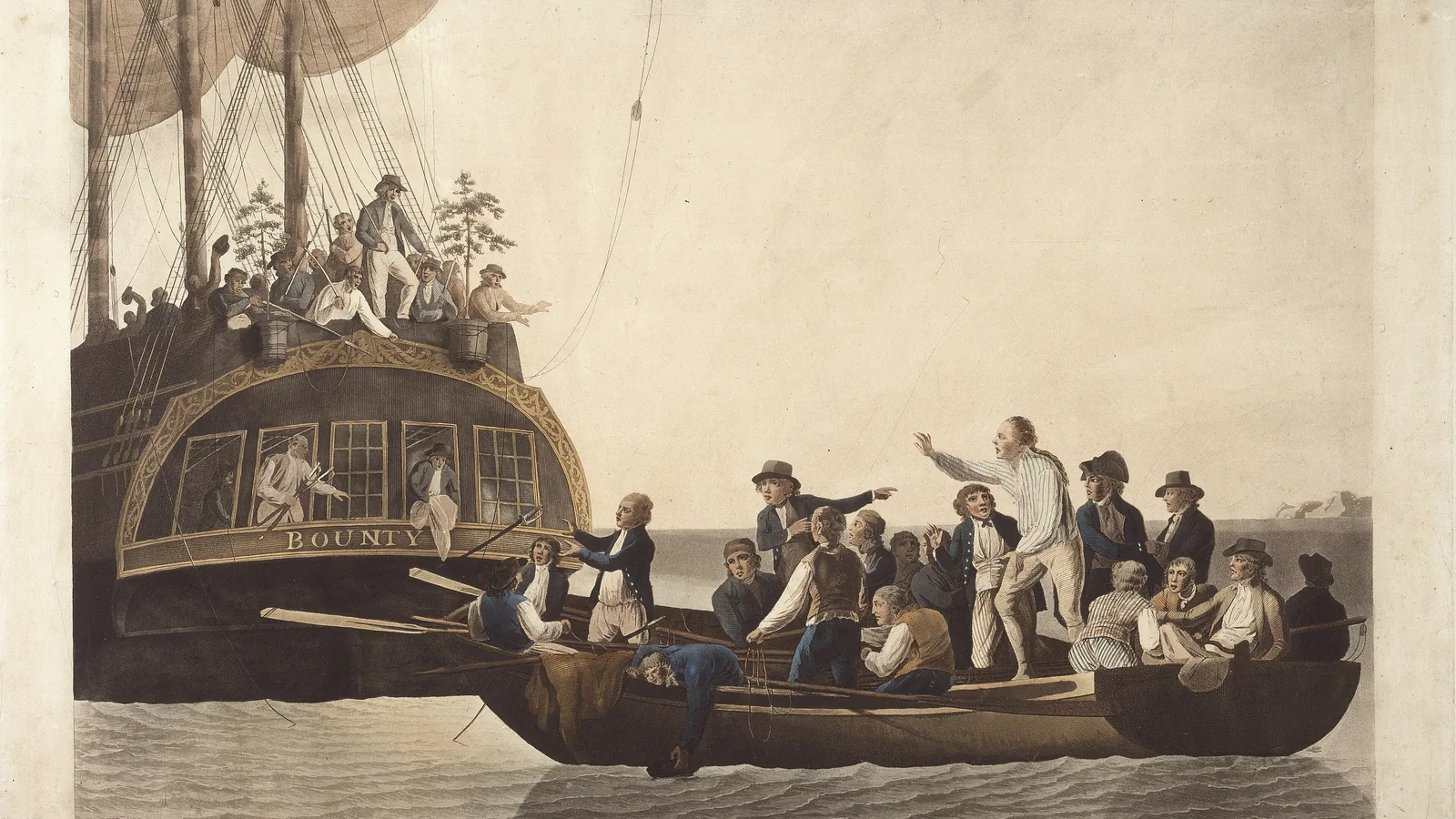
· 1771Bligh's own account of the dawn of April 28, 1789, the 3618-mile boat voyage to Timor, and the Portsmouth court-martial of 1792 that hanged three men.
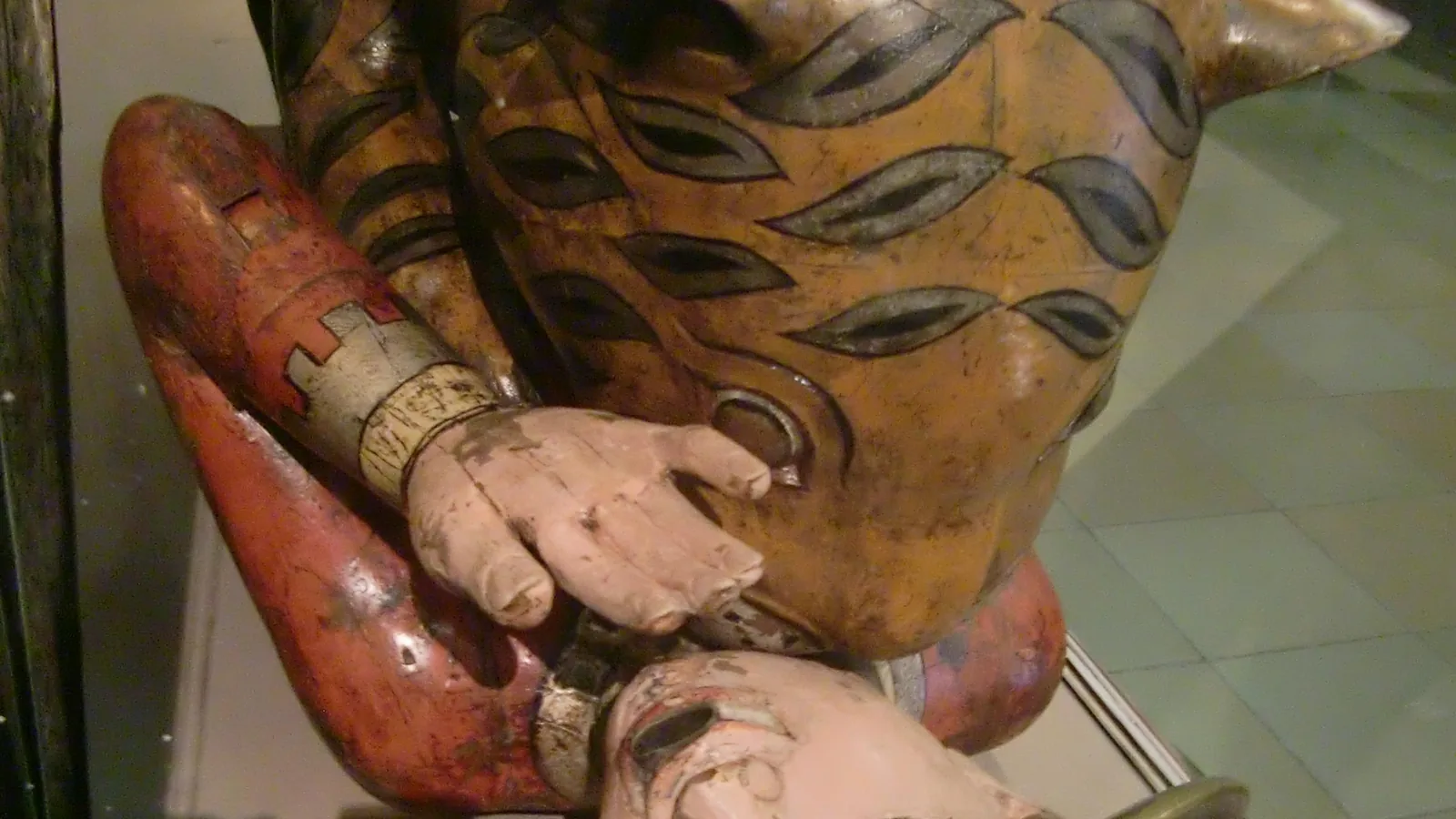
· 1789A wooden tiger mauls a European; a crank plays an organ inside. Taken from Tipu Sultan's palace when Seringapatam fell in May 1799; in London since 1800.
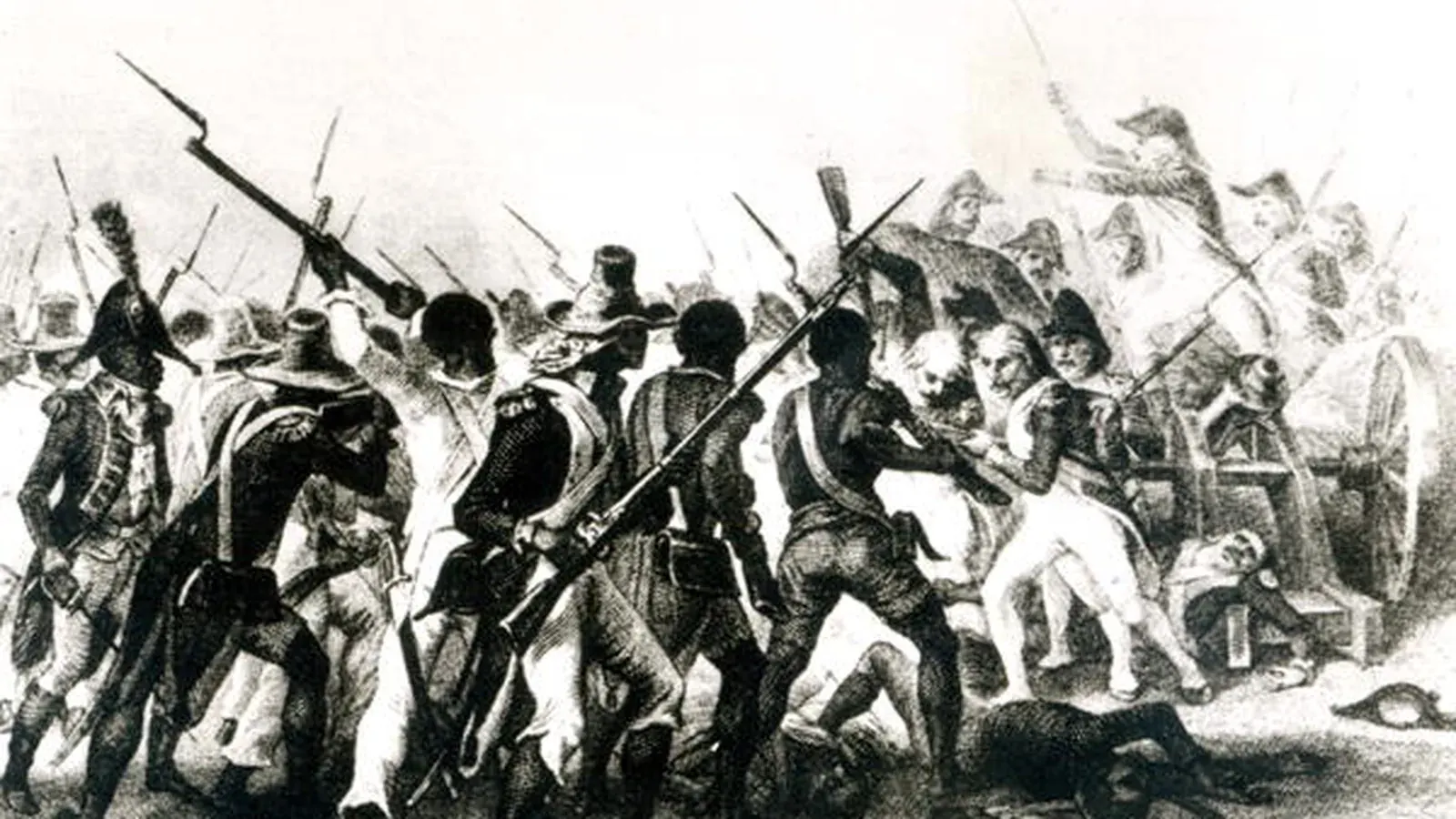
· 1799Enslaved people rose in Saint-Domingue in 1791, outlasted Spain, Britain and Napoleon, declared Haiti in 1804, then paid former slaveholders until 1888.
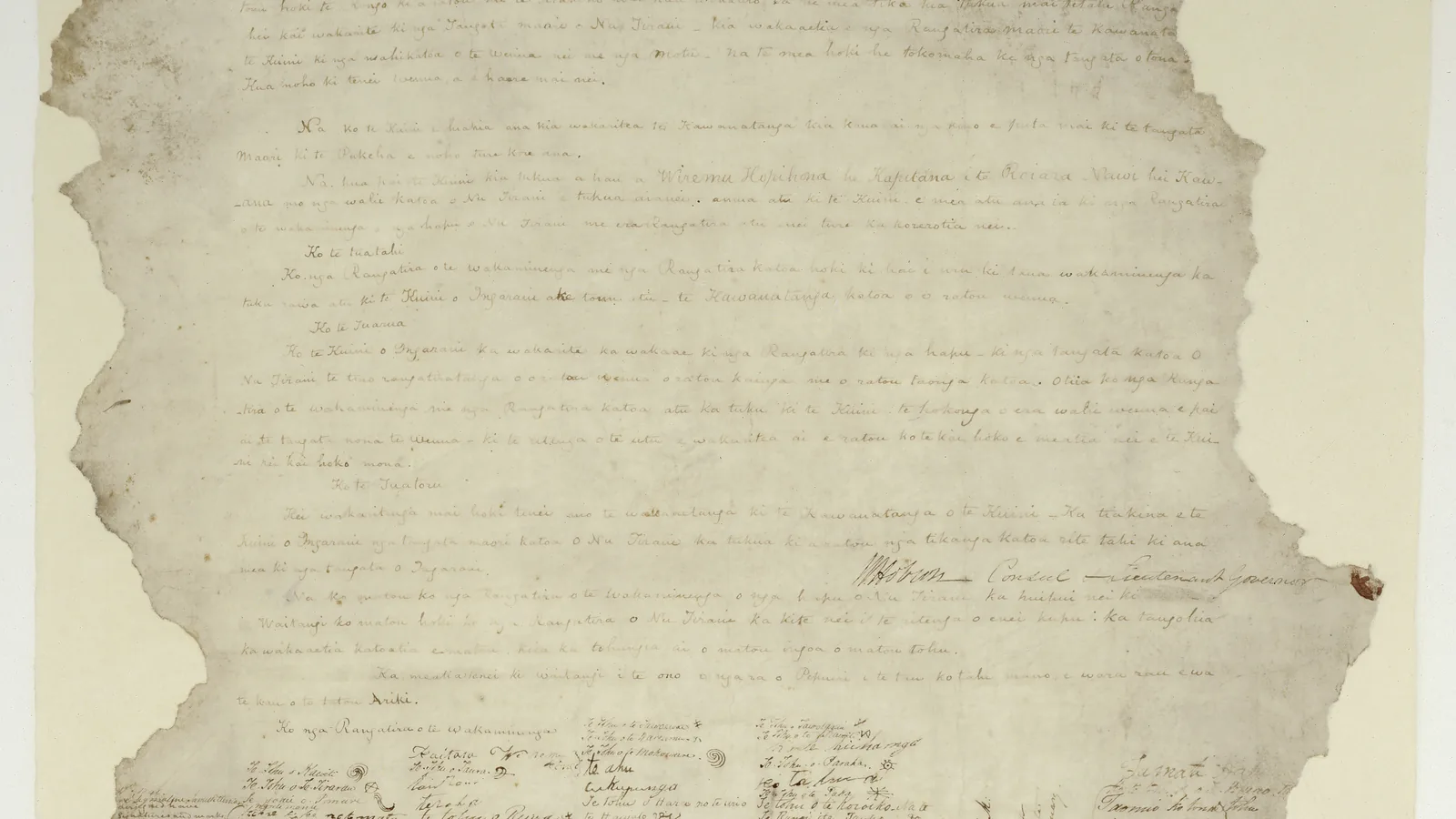
· 1804In English the chiefs ceded sovereignty; in Māori they gave kāwanatanga and kept tino rangatiratanga. The Waitangi Tribunal has judged the gap since 1975.
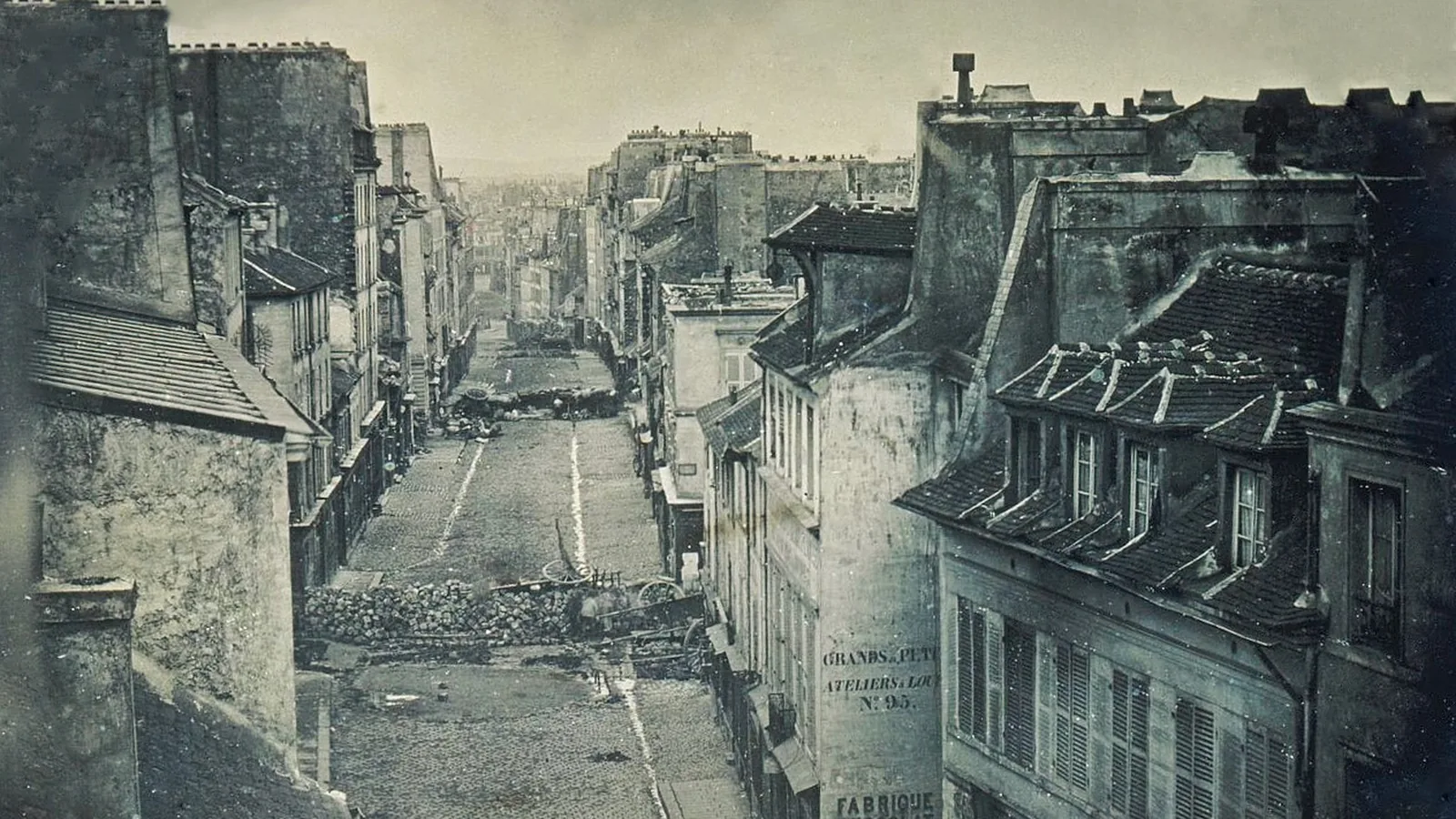
· 1840Paris fell on February 24, 1848 and four capitals followed by March 22; by 1849 liberals had split from workers, nations from nations, and armies won.
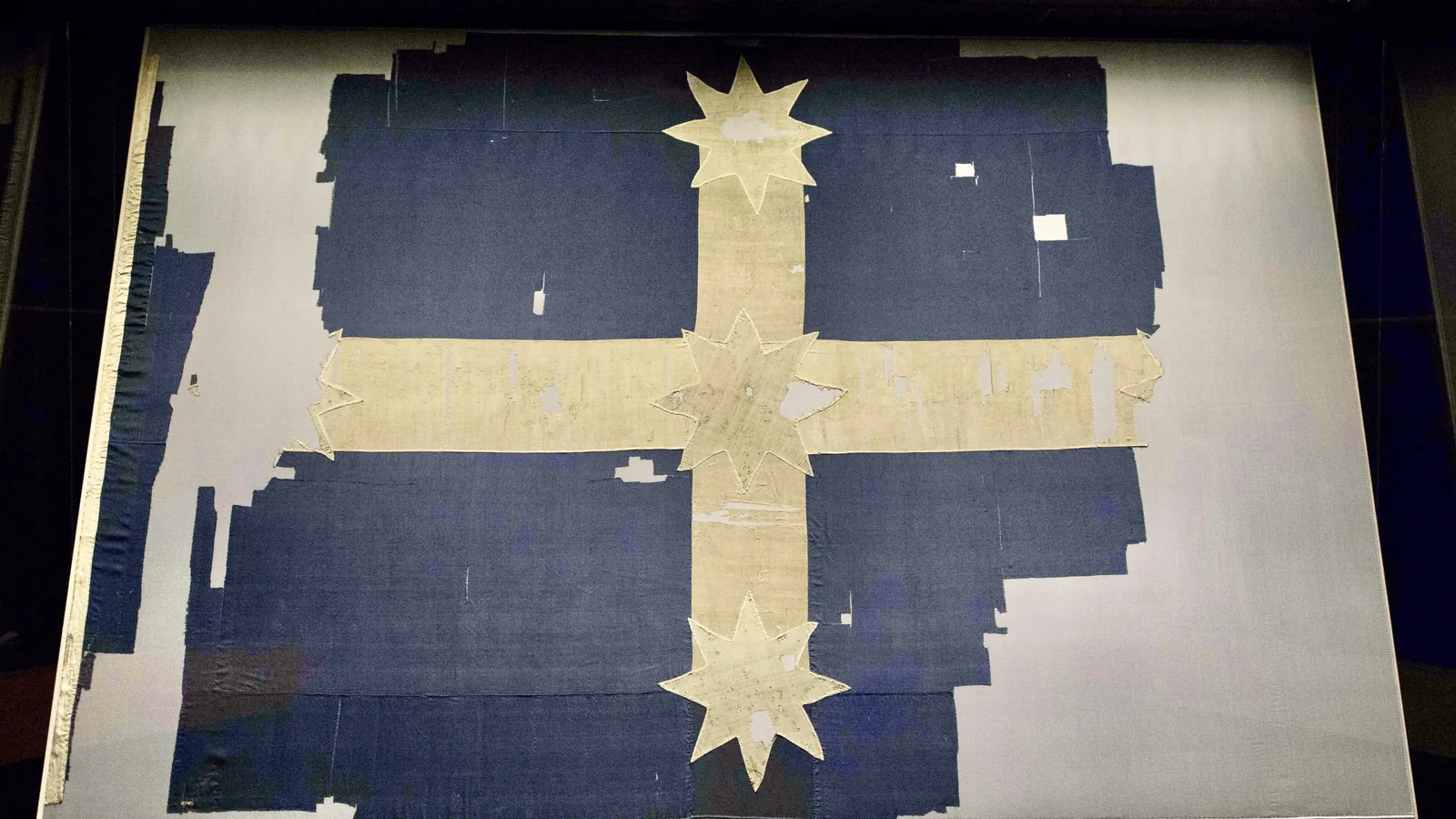
· 1848A 30-shilling license, a charter adopted on Bakery Hill on November 11, 1854, a stockade stormed on December 3 and 13 treason trials that convicted no one.
· 1854The English text of Perry's 1854 treaty ends with "Done at Kanagawa" and one signature. Two ports, shipwrecked sailors, a toy railroad, 200 rice bundles.
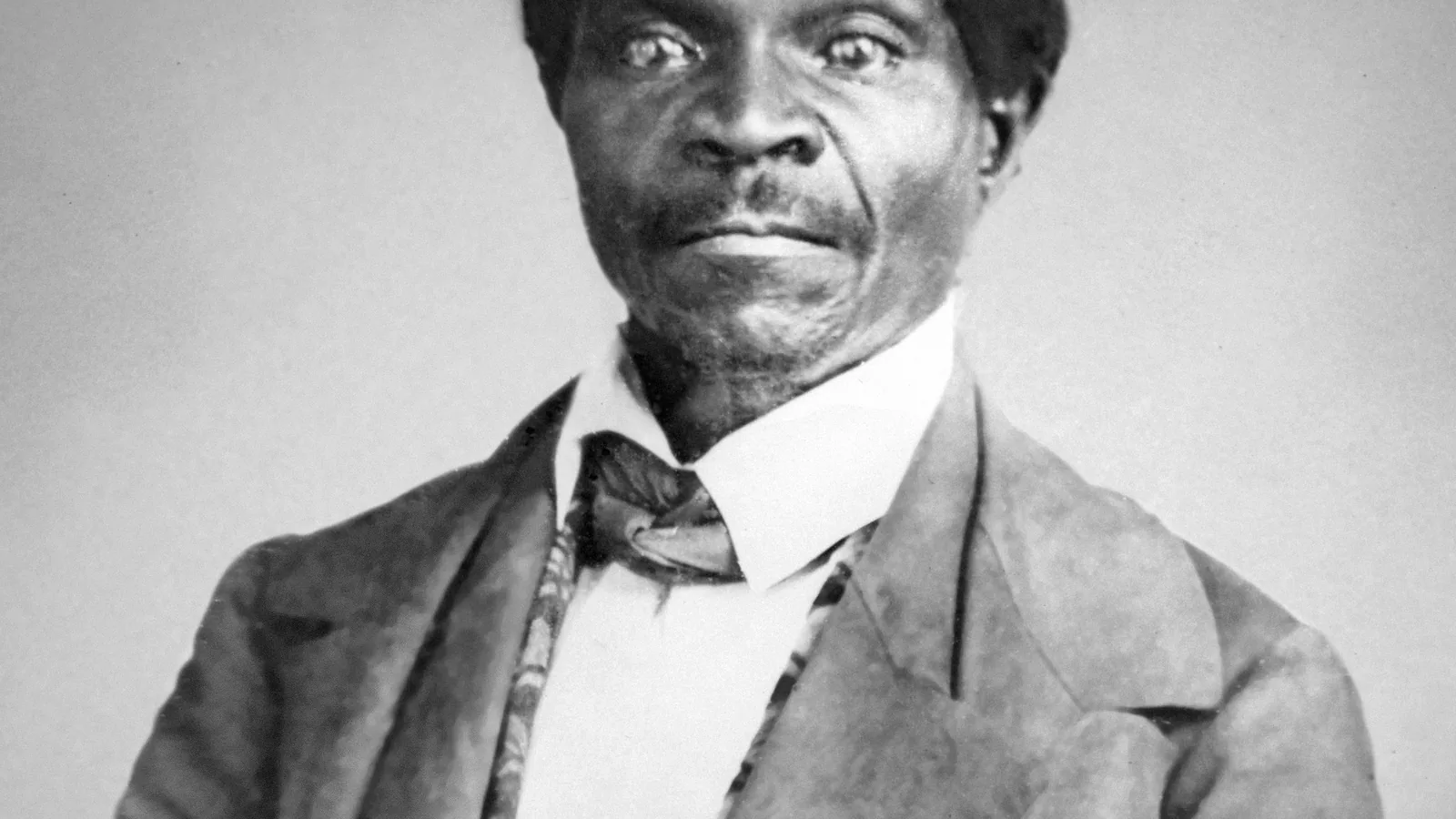
· 1854Chief Justice Roger B. Taney wrote that Black Americans were not citizens and that the Missouri Compromise was unconstitutional. Six justices concurred; two dissented.
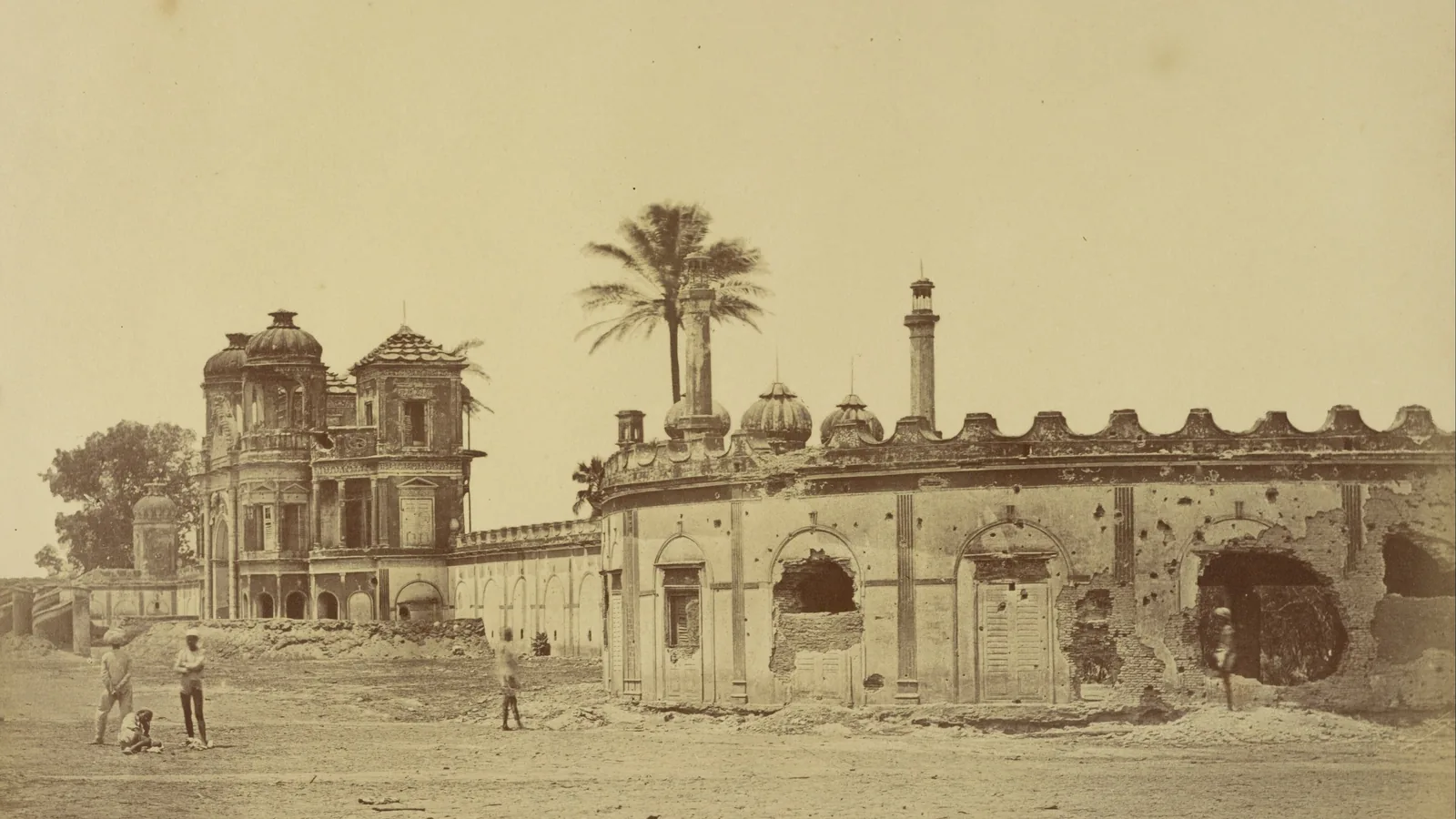
· 1857Sepoys at Meerut rose on May 10, 1857 over greased cartridges and marched to Delhi. Parliament took India from the Company by an Act of August 2, 1858.
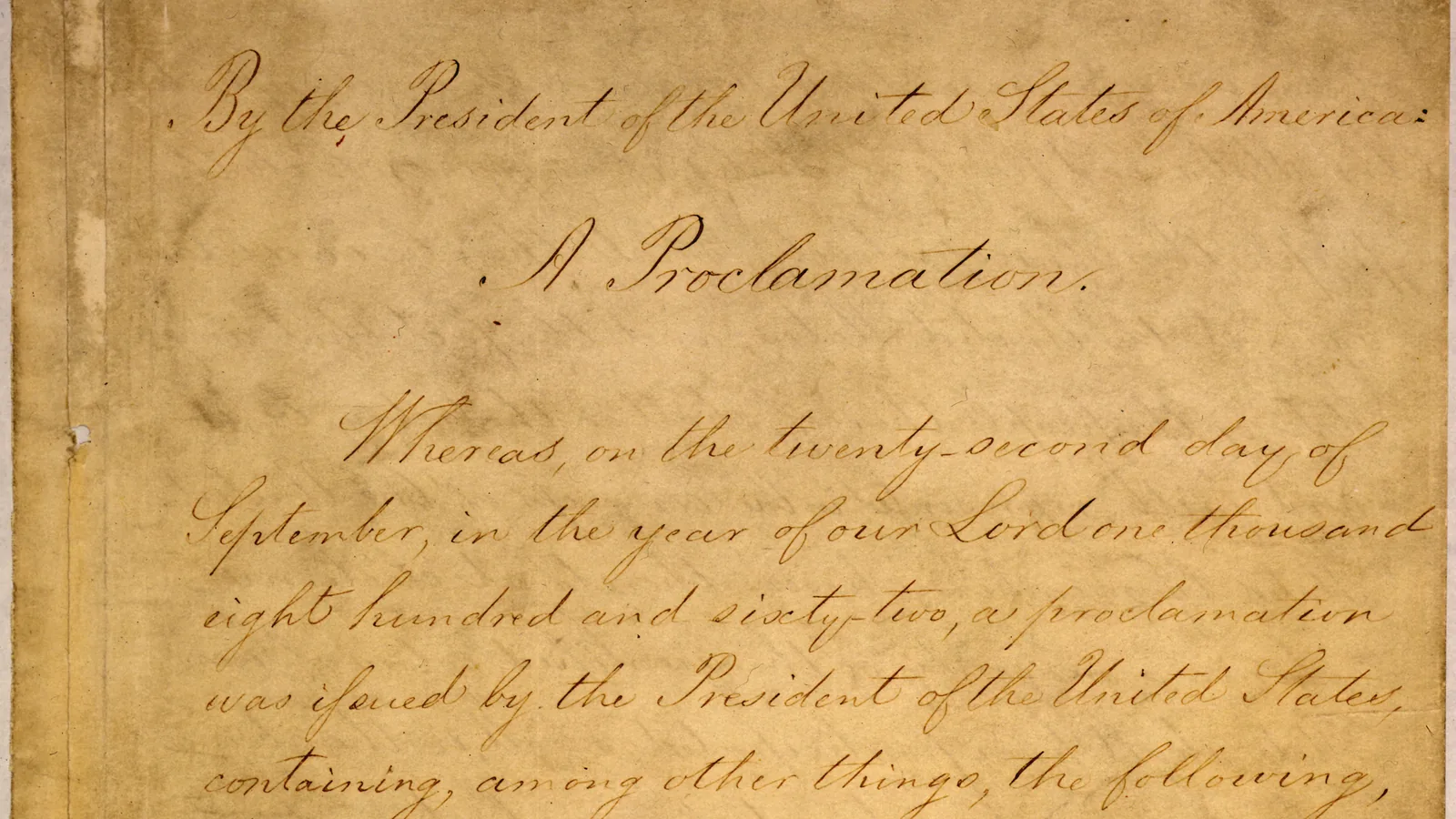
· 1857Lincoln's proclamation freed the enslaved in ten rebel states, exempted 13 Louisiana parishes and 55 Virginia counties, and skipped the border states.
· 1863The phrase came from an 1840 letter and a 1901 novel. The events were Russian armies taking Tashkent, Samarkand, Khiva, Kokand and Merv, 1865 to 1884.
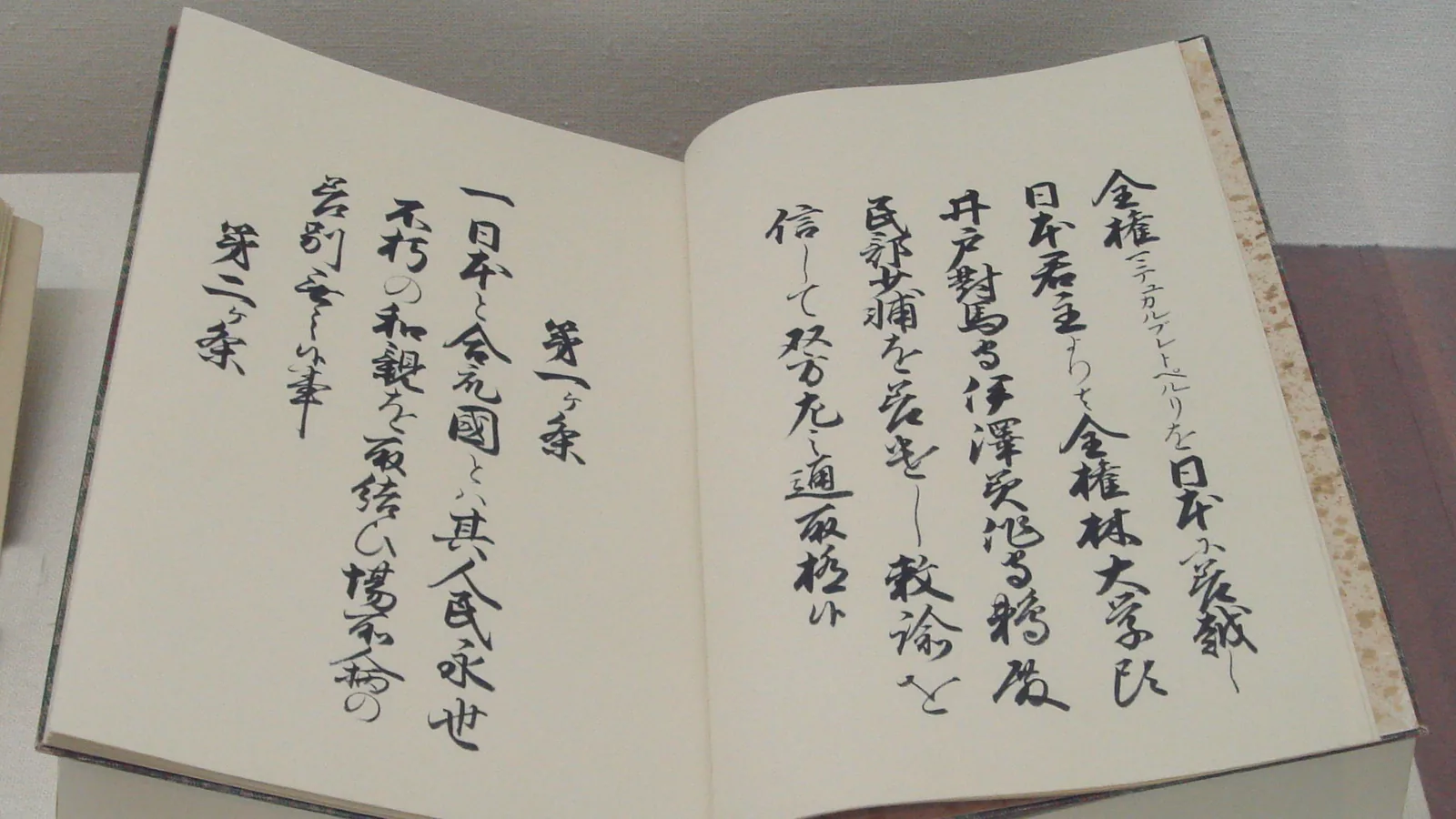
· 1865The oath sworn in the Meiji emperor's name in April 1868, its five clauses, and the 22 years from Fushimi to the first Imperial Diet of 1890.
· 1868