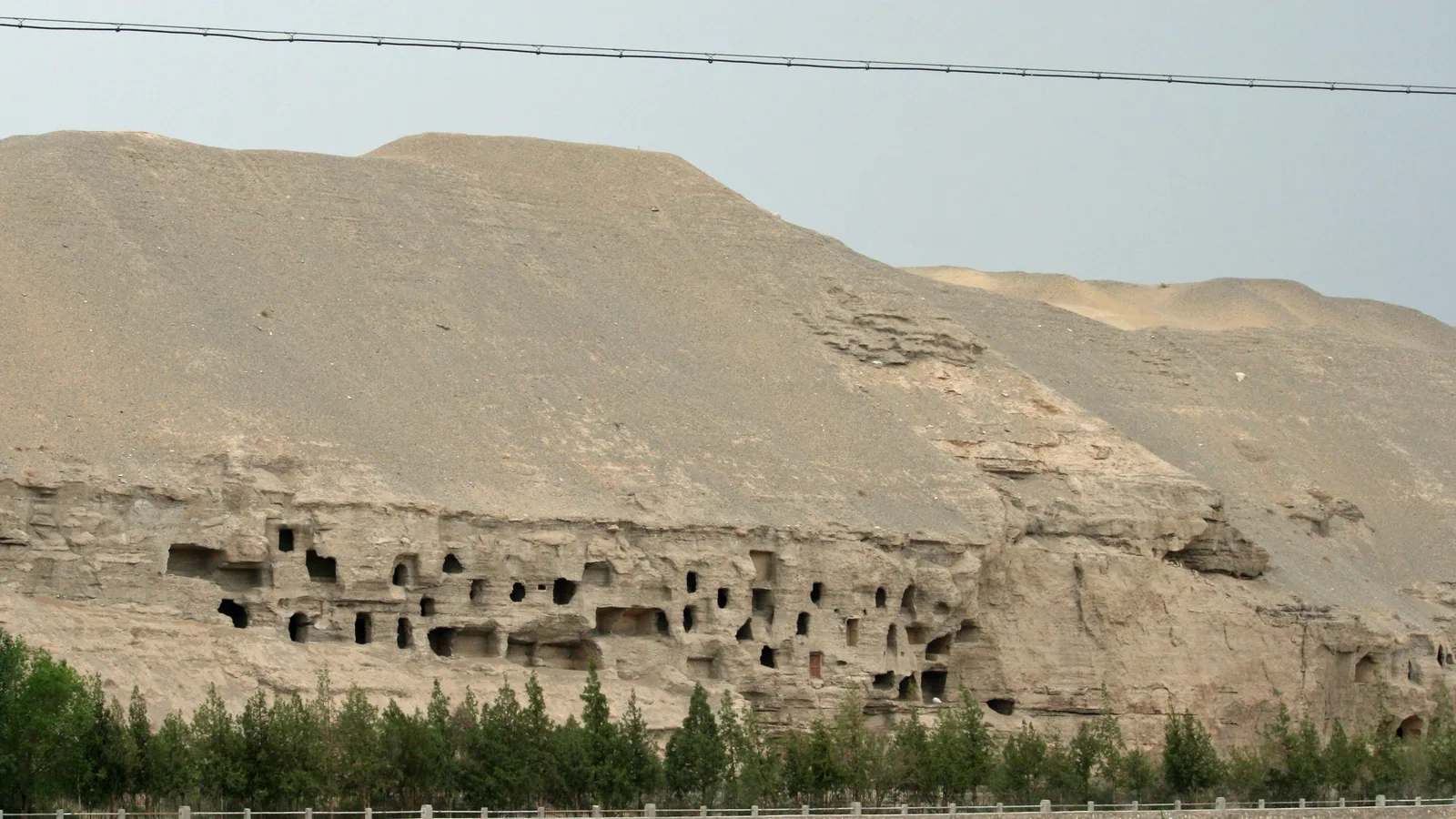
Cave 17 at Mogao held manuscripts from the 4th to the early 11th century until Wang Yuanlu opened it in 1900. Stein and Pelliot bought much of it from 1907.
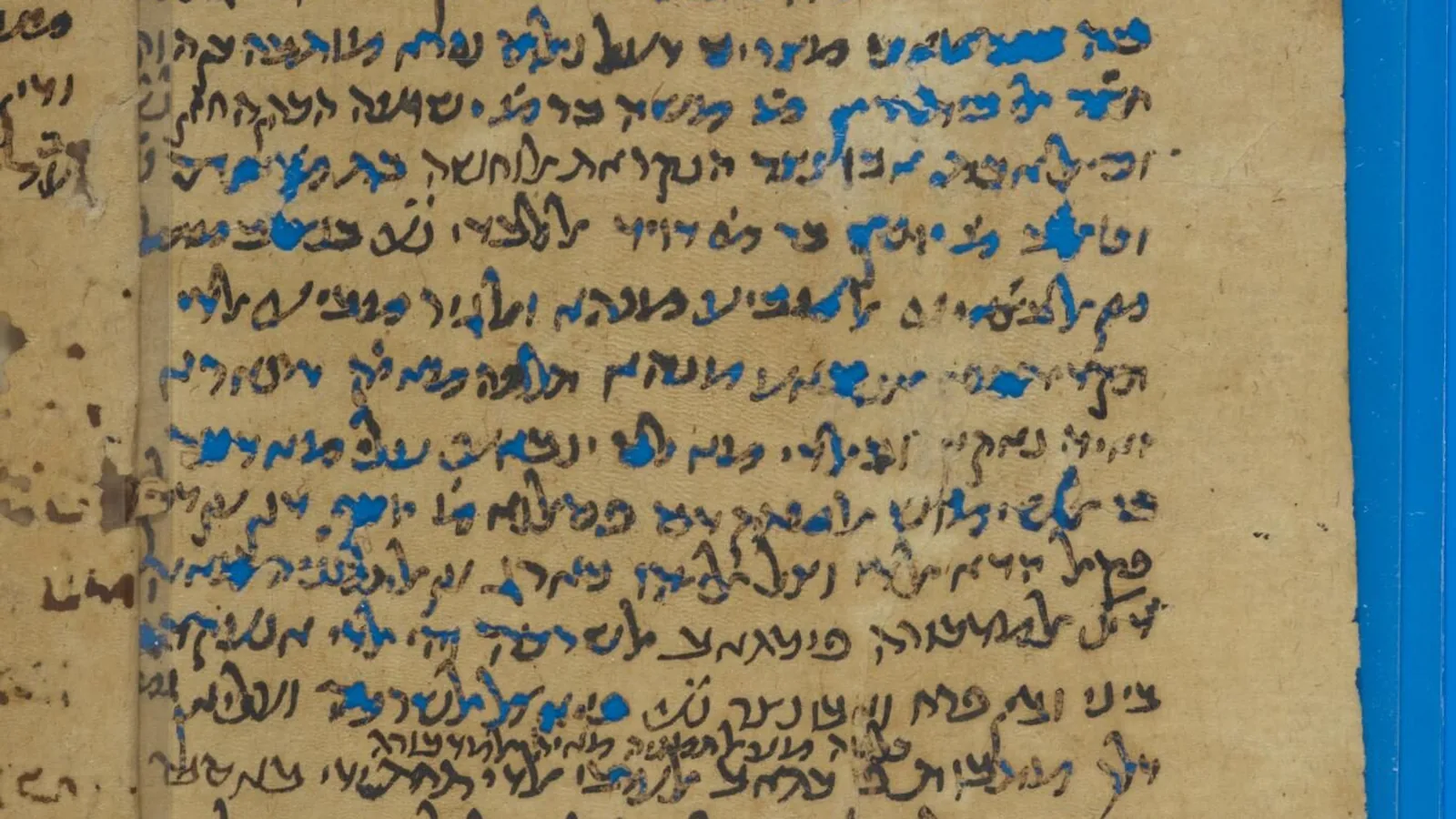
In 1896–97 Solomon Schechter emptied the Ben Ezra Synagogue's geniza in Fustat. Cambridge counts 193,000 fragments, Bible leaves to a Maimonides letter.
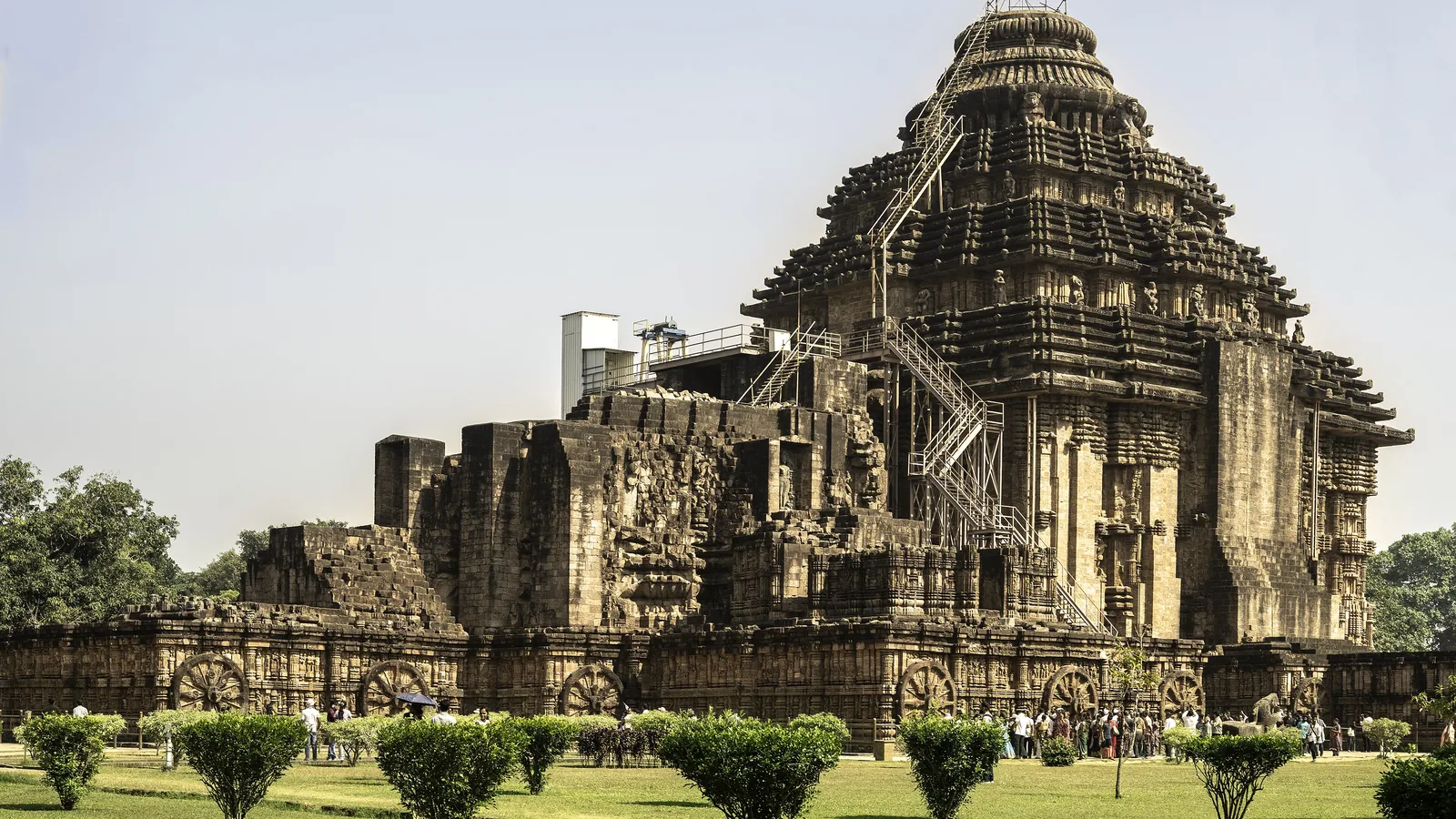
The Archaeological Survey of India calls Konark's Sun Temple a stone chariot with twelve pairs of wheels and seven horses; its hall held sand until 2022.
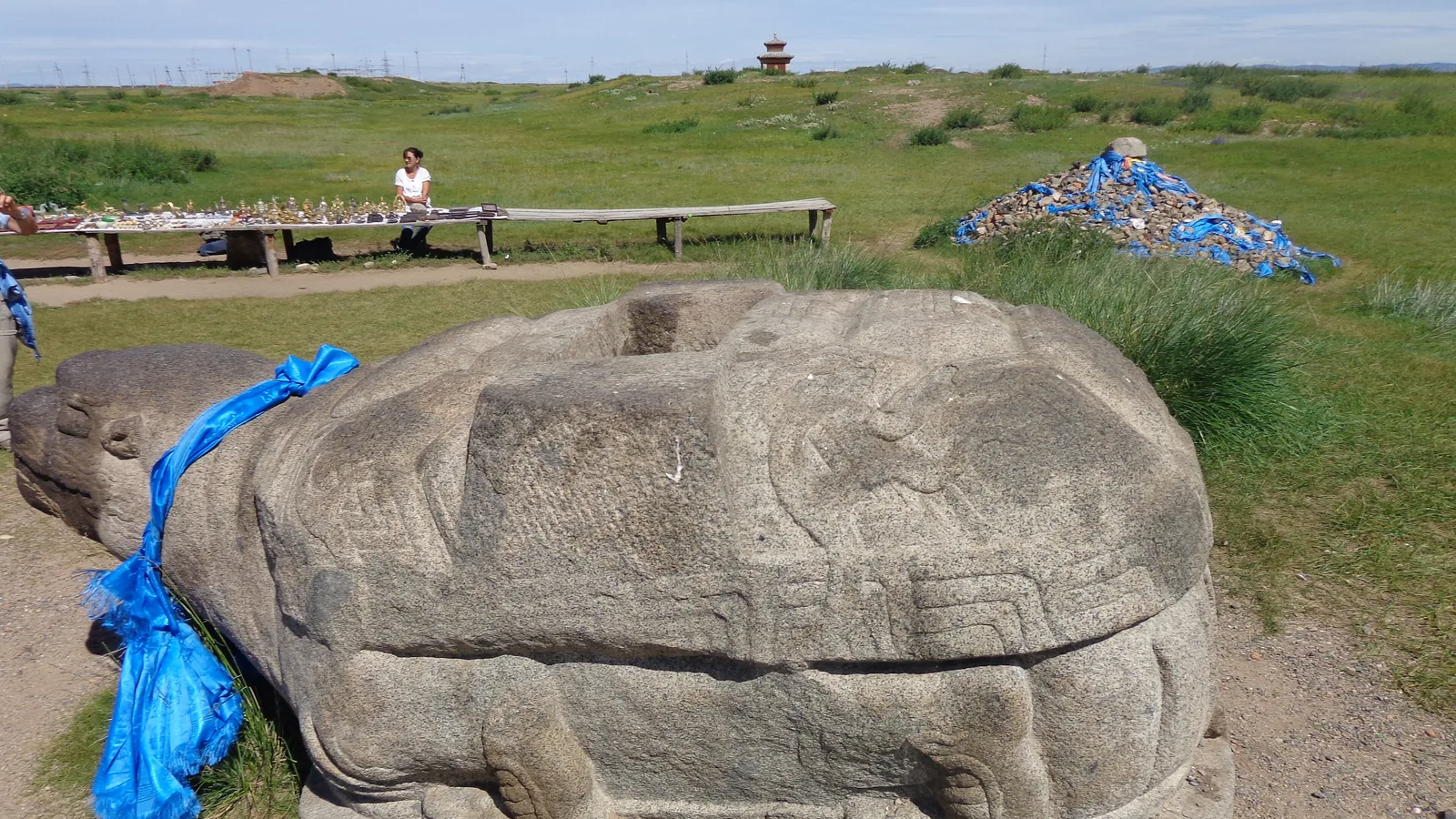
A Franciscan friar entered the Mongol capital on May 7, 1254, sized it against a village near Paris, and described a silver fountain and Mongke's creed.
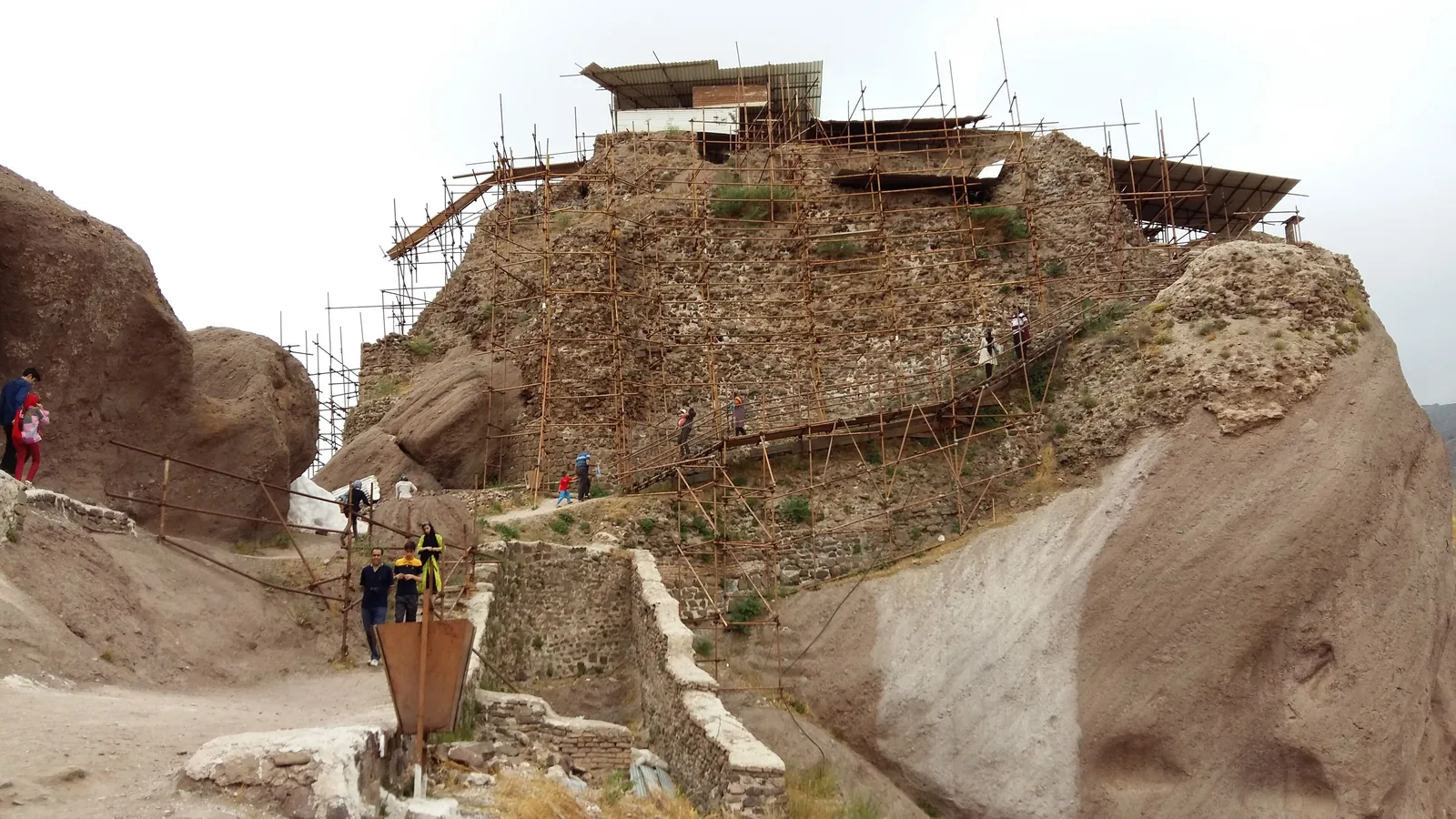
Rukn al-Din Khurshah surrendered to Hülegü on November 19, 1256. Juvayni, Hülegü's secretary, then sorted the Alamut library, keeping some books and burning the rest.
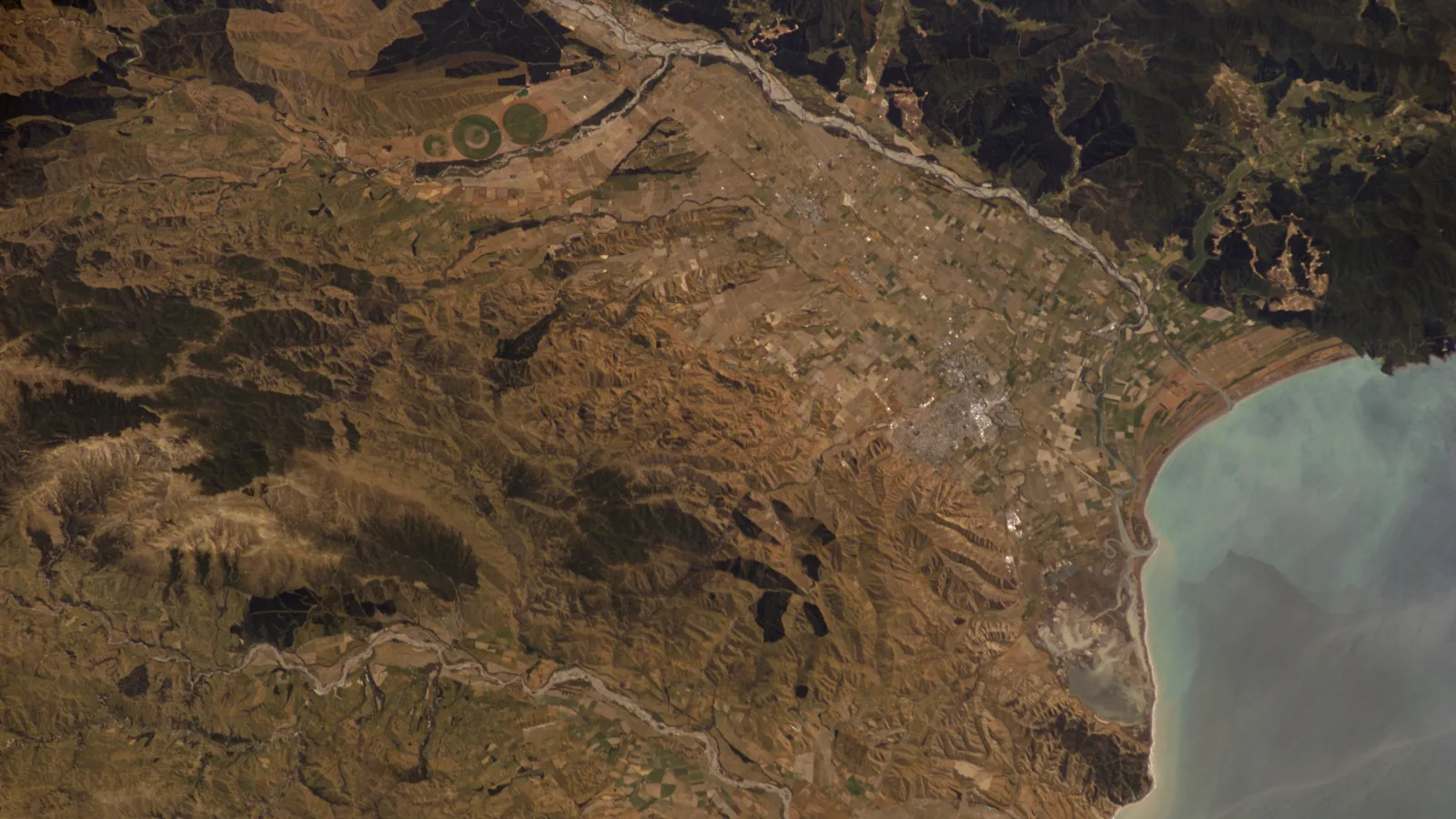
In 1939 Jim Eyles, 13, found a burial site at Wairau Bar with moa eggs and tools. Radiocarbon dates the graves to the 1200s-1300s; 42 koiwi came home in 2009.
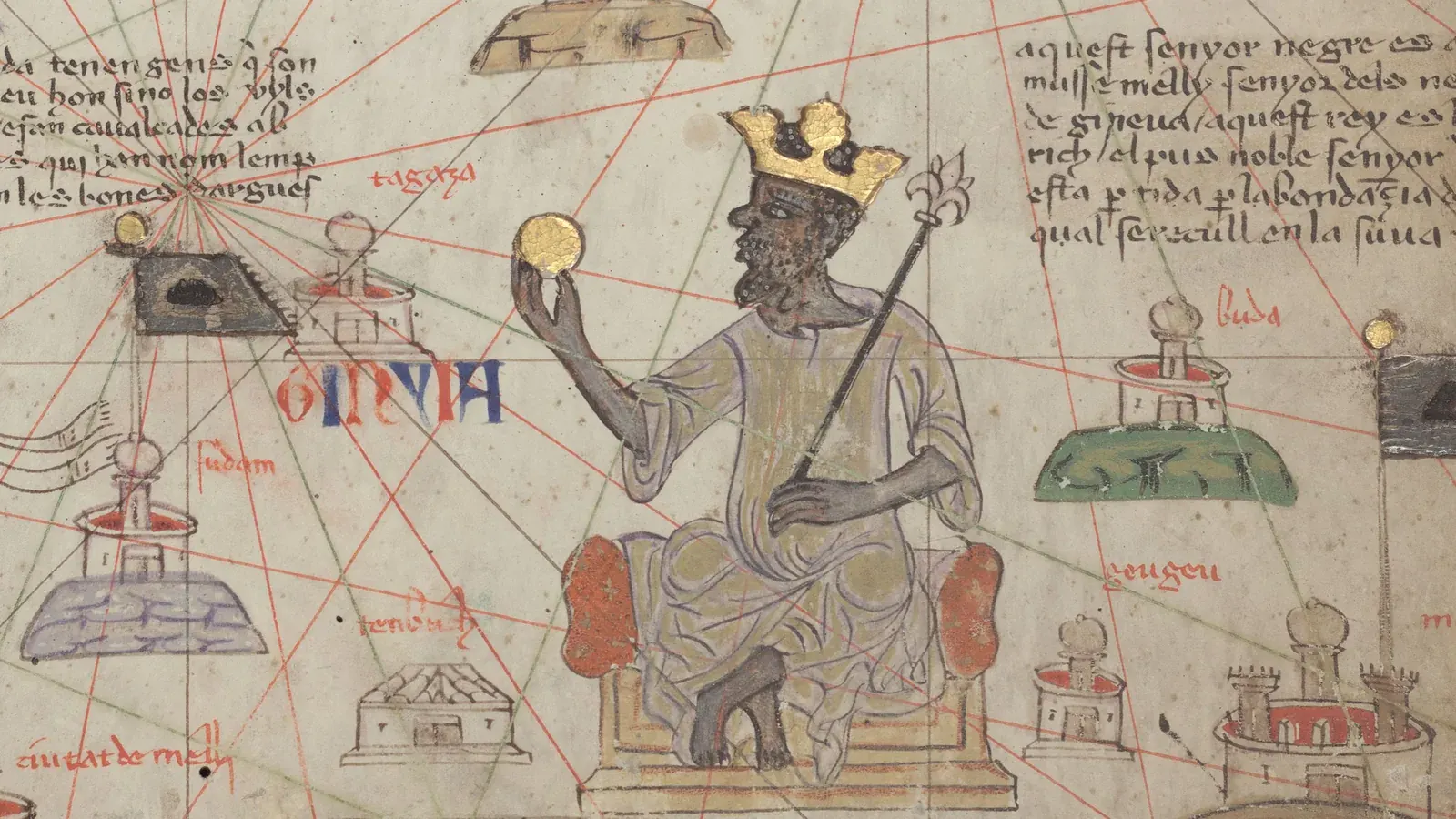
No record gives a weight; the 100 camels and 12,000 slaves are report, not record. Al-Umari, 12 years on, wrote that the gold mithqal fell from 25 dirhams to 22.
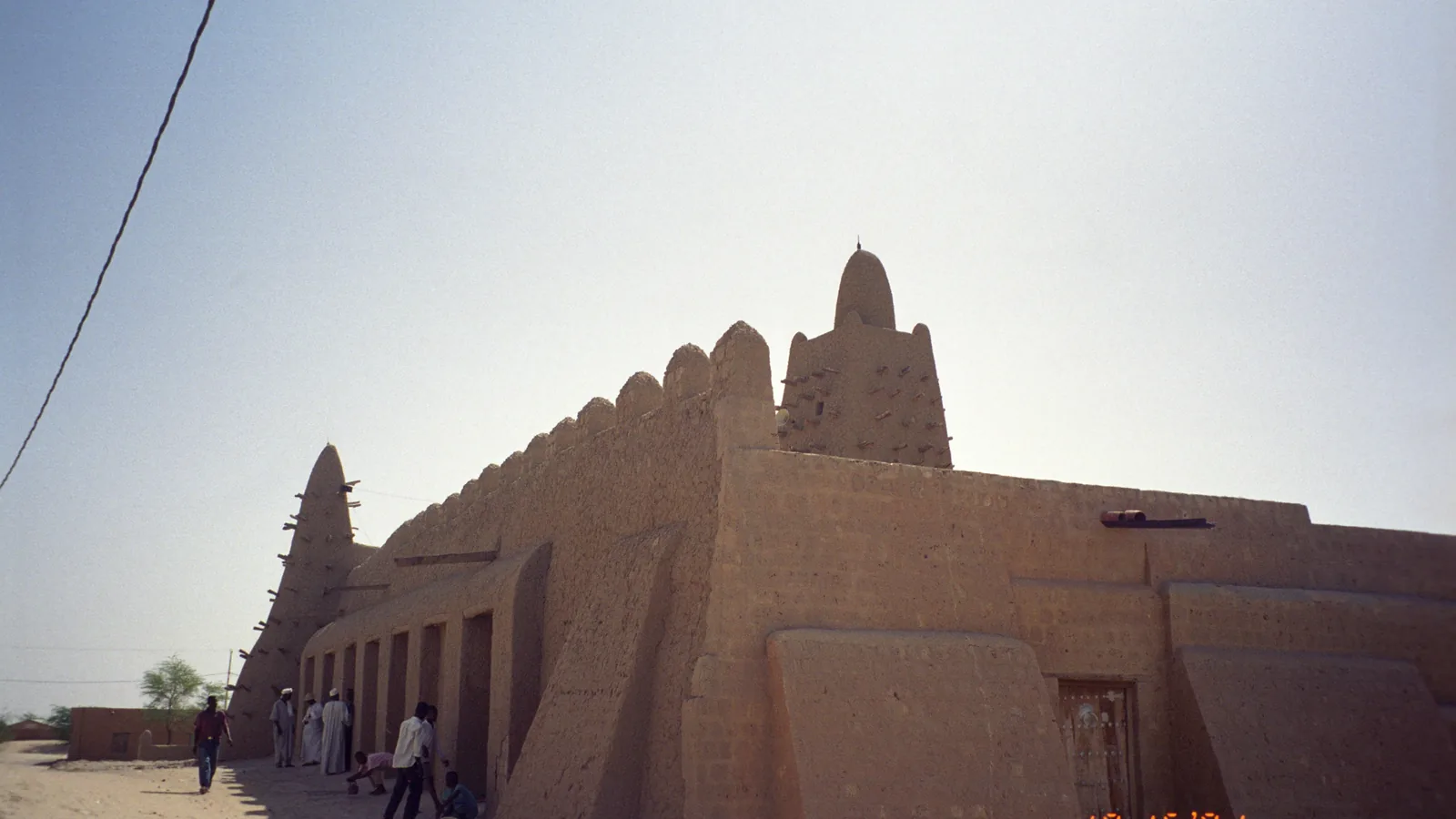
He left Tangier on June 14, 1325; dictation ended in Fez on December 9, 1355. Delhi's salary and Mali's court are recorded; the Bulghar ride is invented.
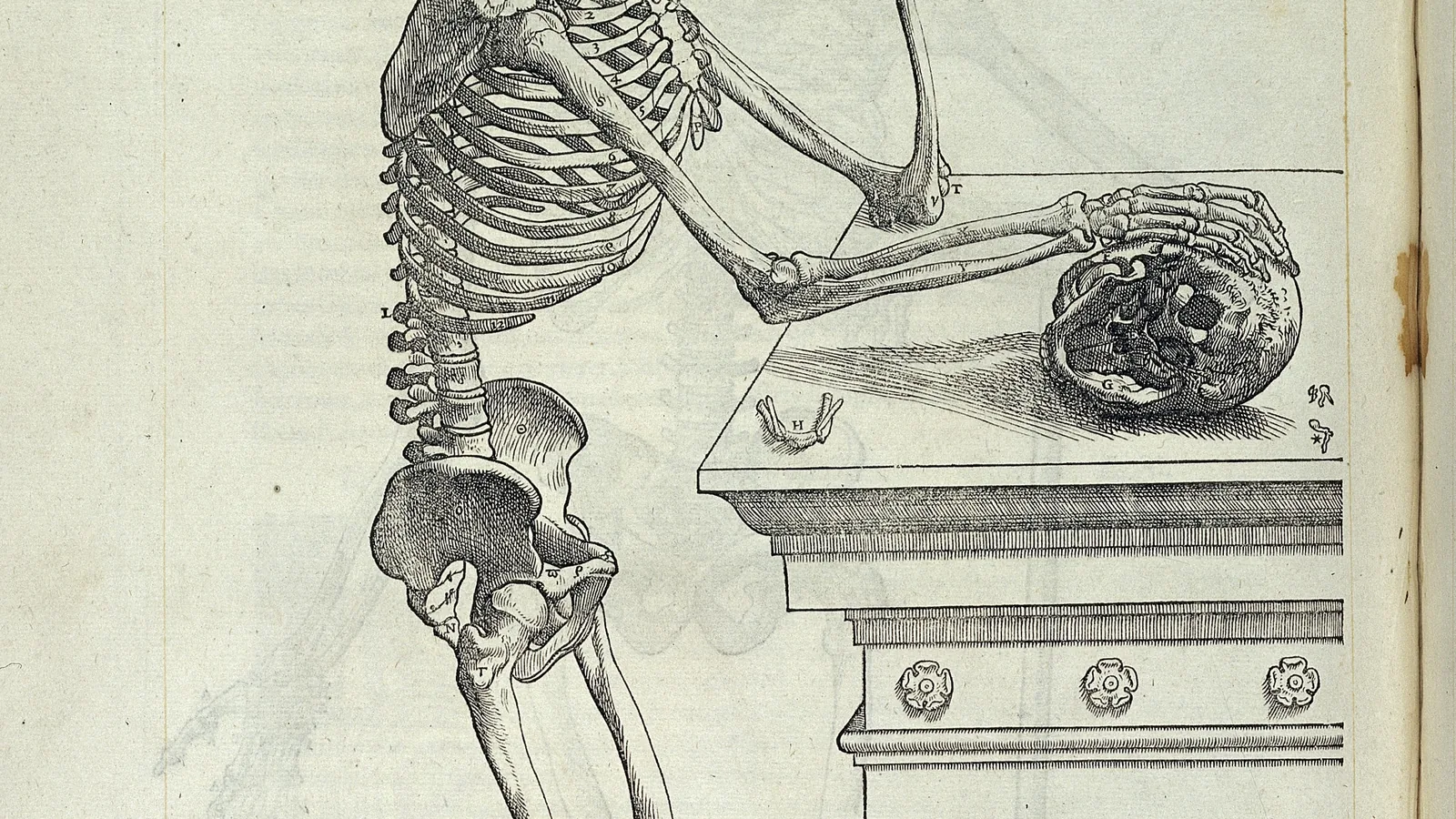
The colophon reads Basel, Oporinus, June 1543. Vesalius's Fabrica gave the sternum three parts, not Galen's seven. His annotated 1555 copy surfaced in 2007
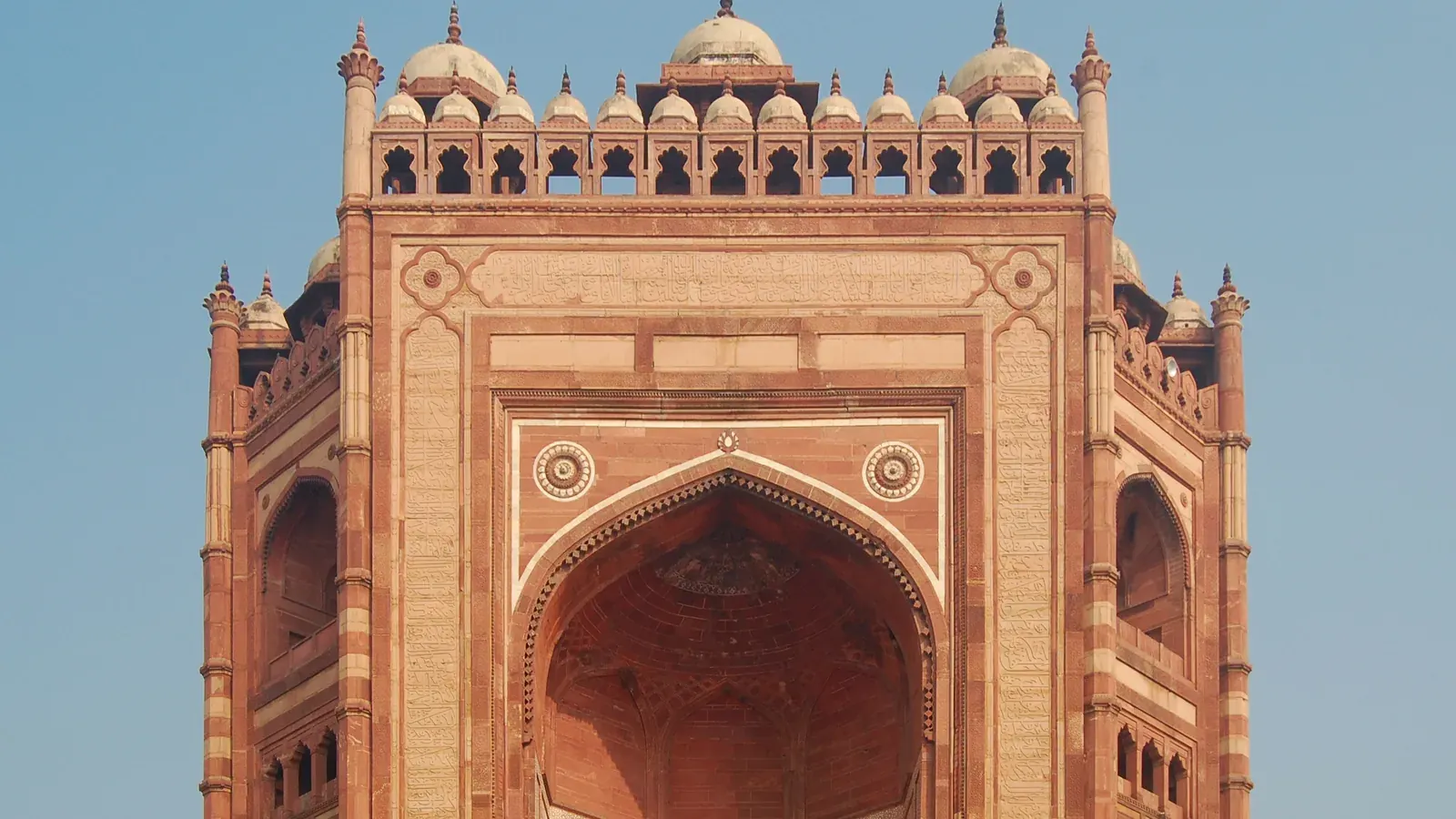
Akbar ruled Mughal India from 1556 to 1605 by ranking Hindu and Muslim officers in one service, ending the jizya tax in 1564 and outranking his clerics.
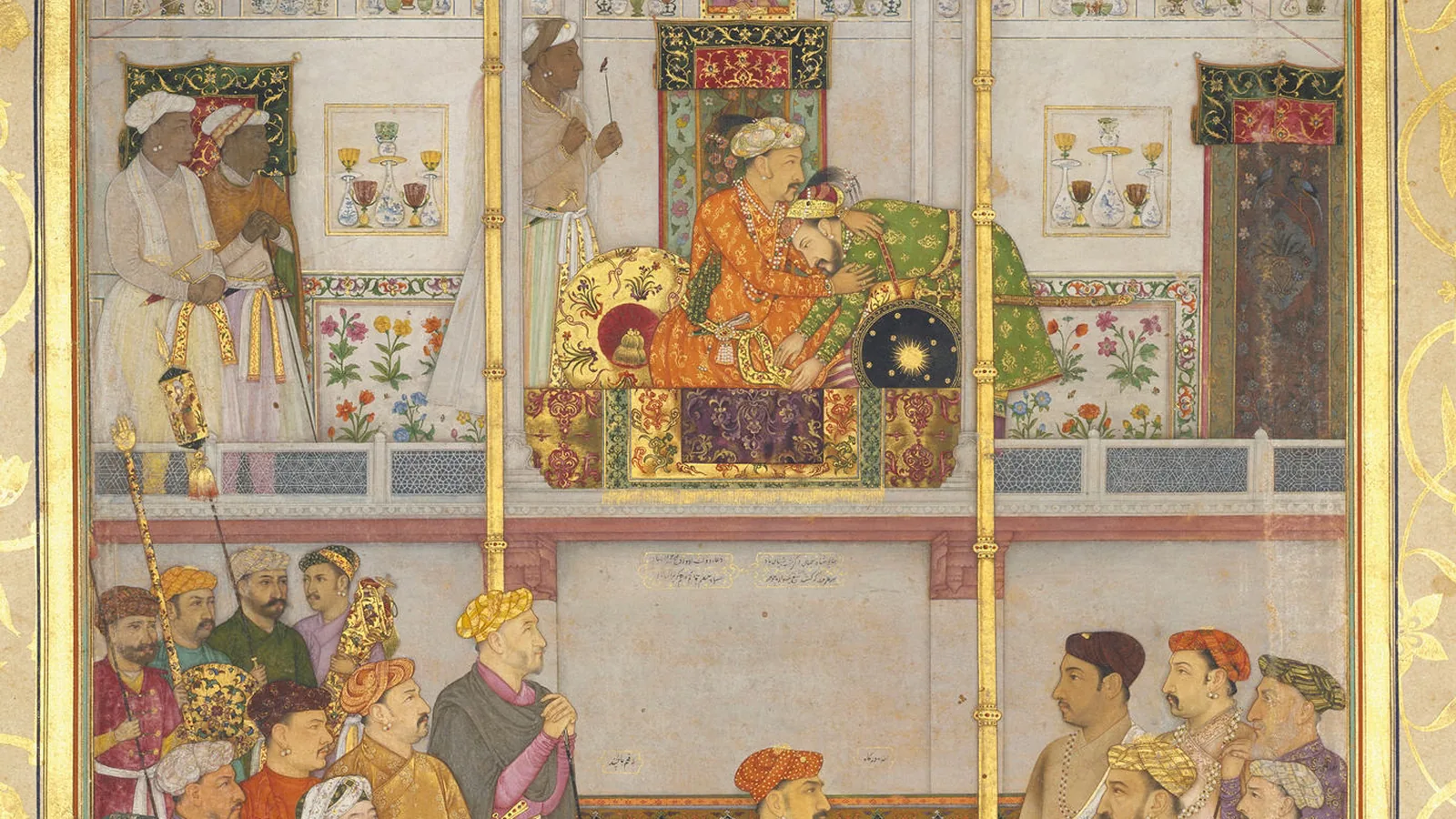
Thomas Roe first saw Jahangir at Ajmer on January 10, 1616, with a coach and virginals. He left in 1618 with farmans, not the sealed treaty he had drafted.
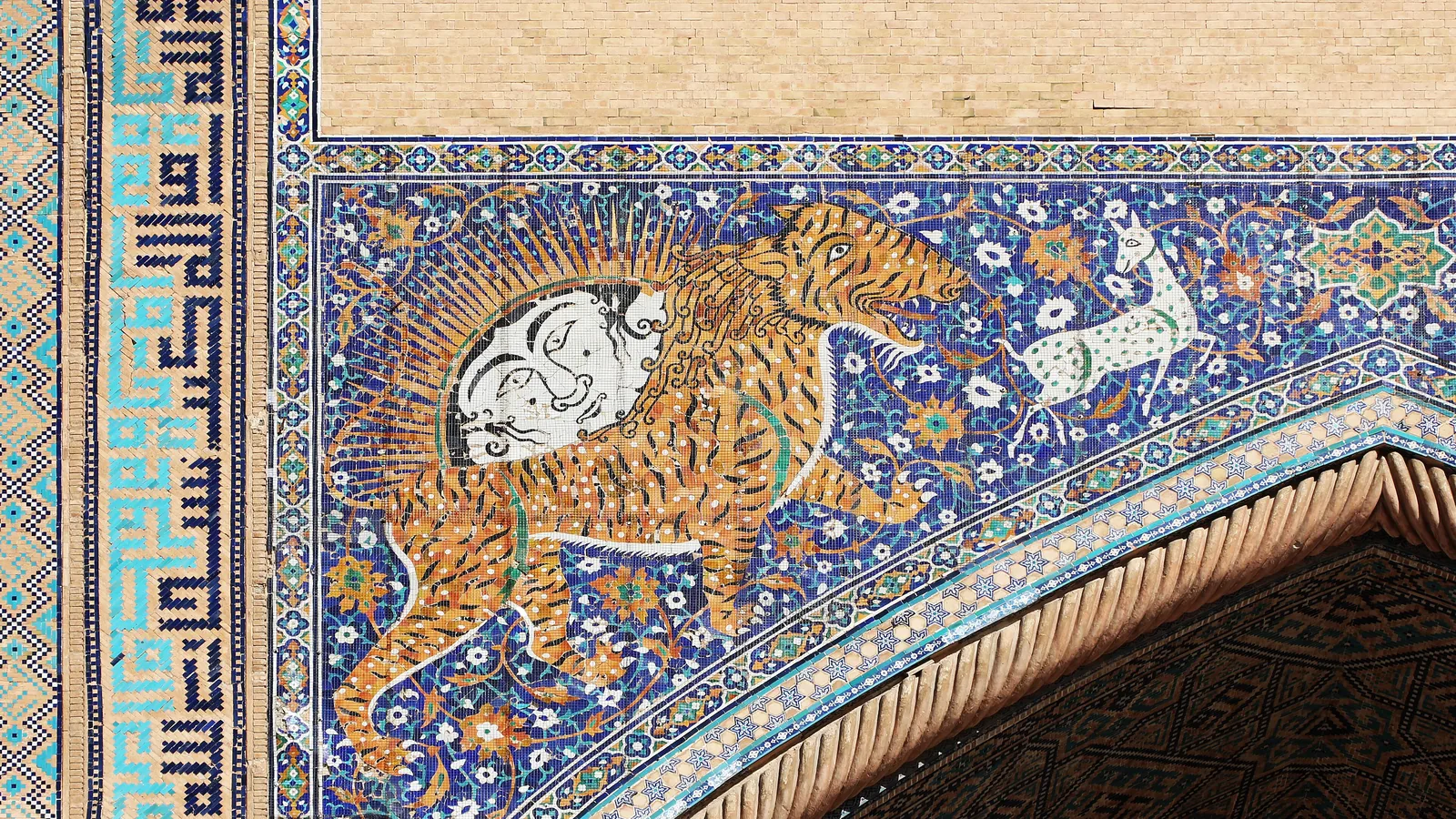
The Sher-Dor madrasa in Samarkand carries a portal mosaic of a beast chasing deer under a human-faced sun, built for governor Yalangtush Bahadur by 1636.
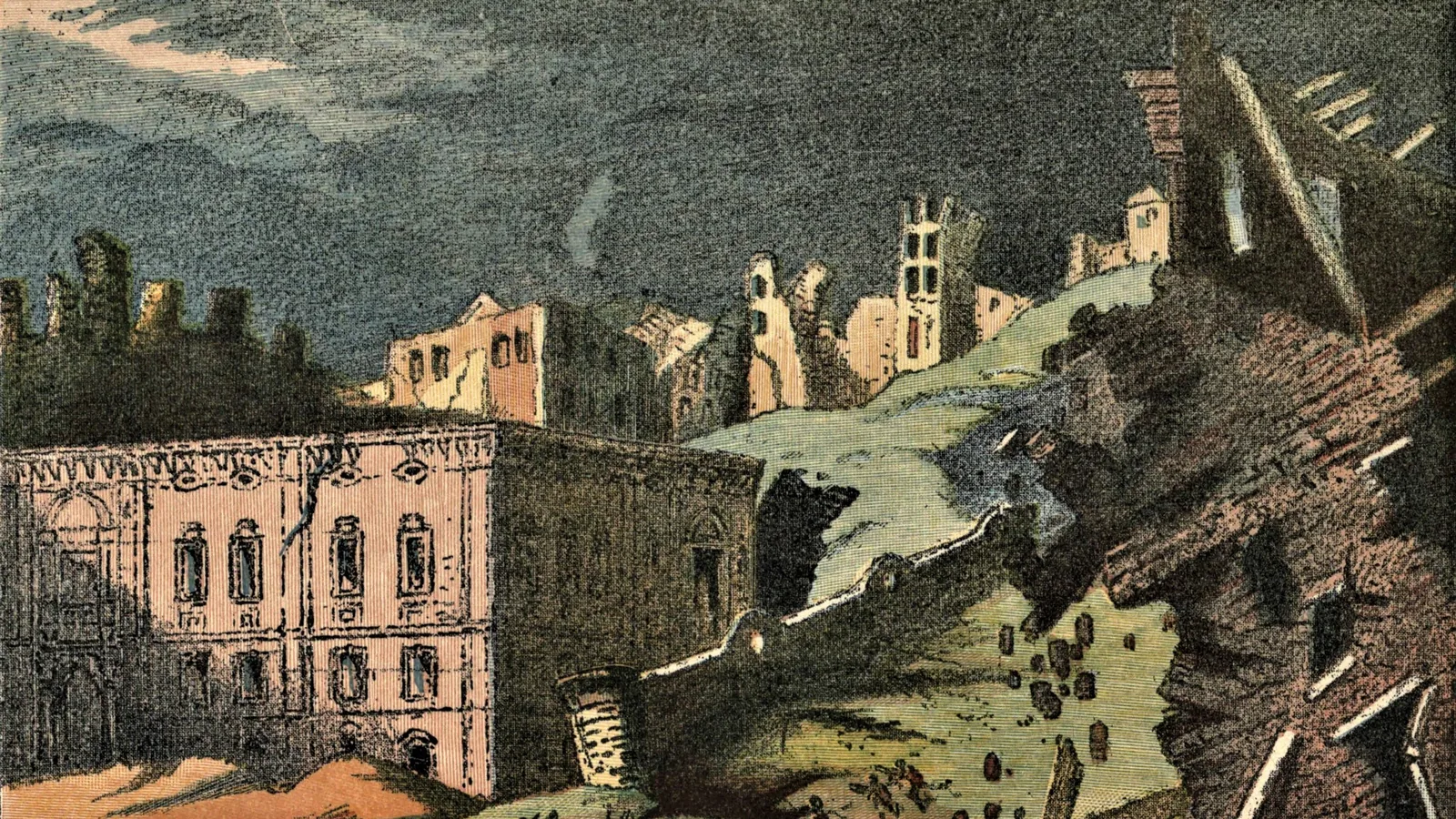
How many died in Lisbon on November 1, 1755? Pombal told his governors 6,000 to 8,000; NOAA lists 50,000, then 60,000 to 100,000. No register was kept.
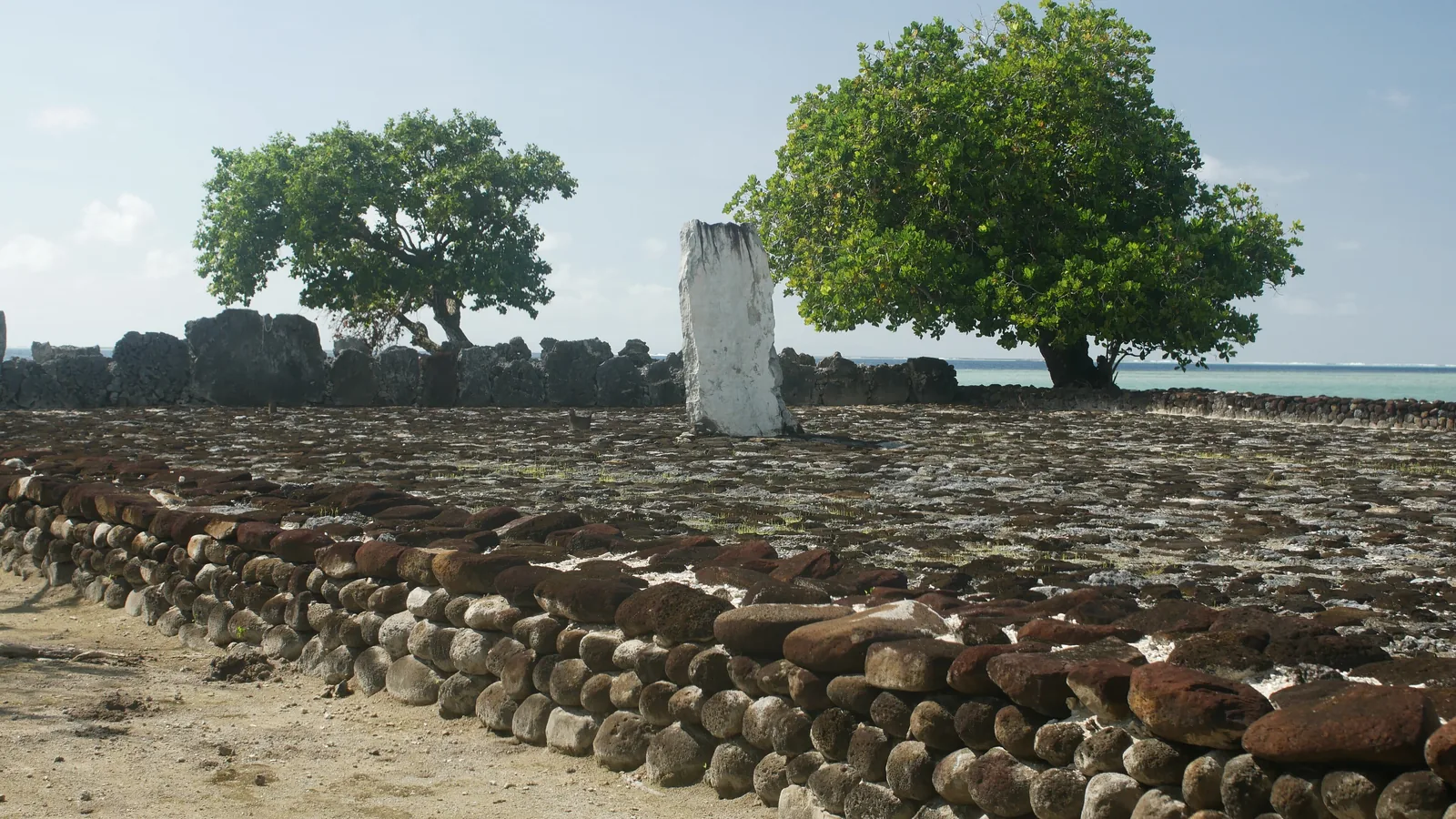
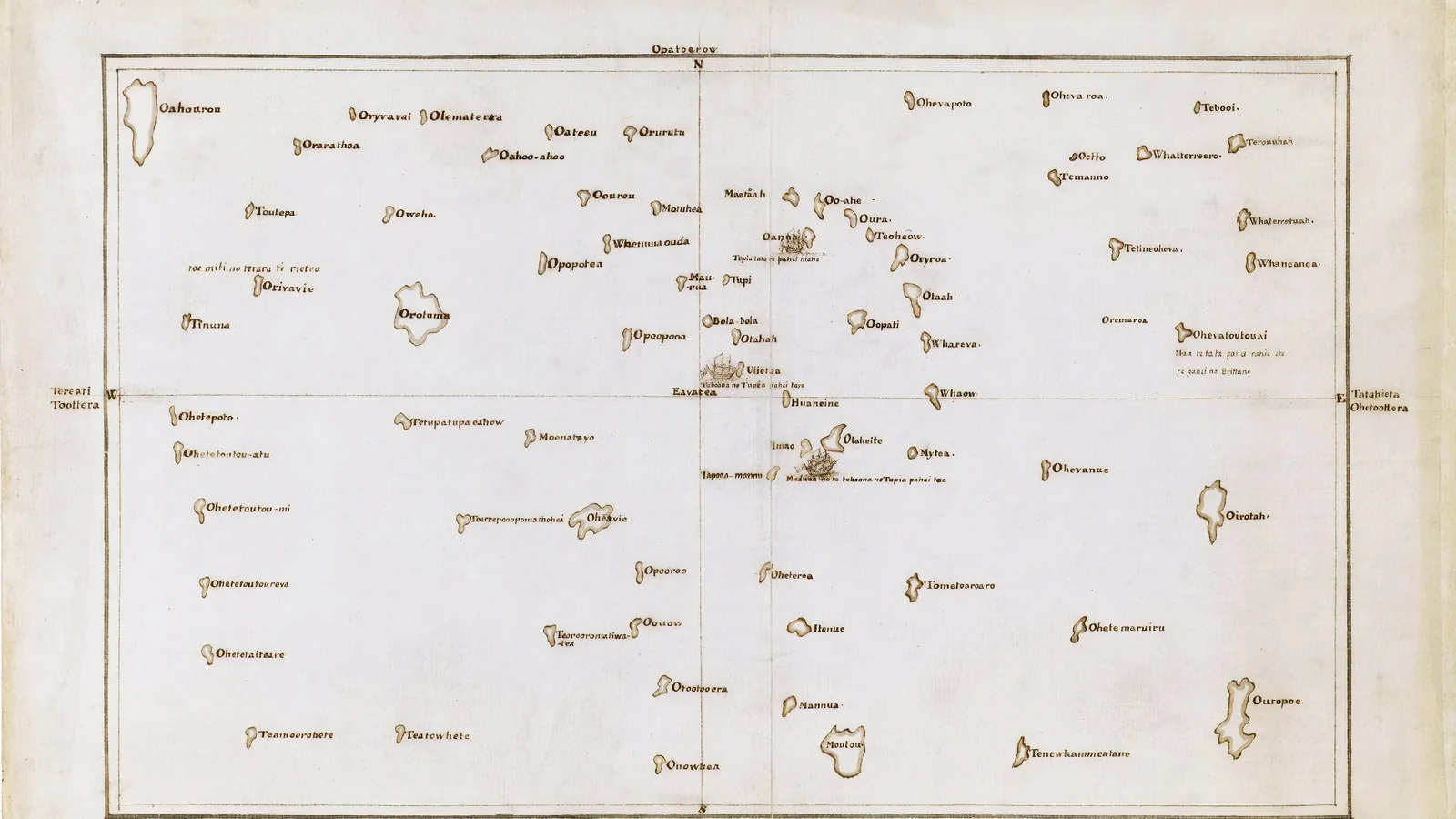
He came aboard Endeavour on July 13, 1769, at Banks's request, spoke to Māori for Cook in New Zealand, drew a chart of islands and died at Batavia in 1770.