The land between the Nile and the Indus saw the first cities, the first writing and the first empires. These articles cover Mesopotamia, Anatolia, the Levant and Persia, from Uruk and Akkad to the powers that fought over the same rivers for three thousand years.
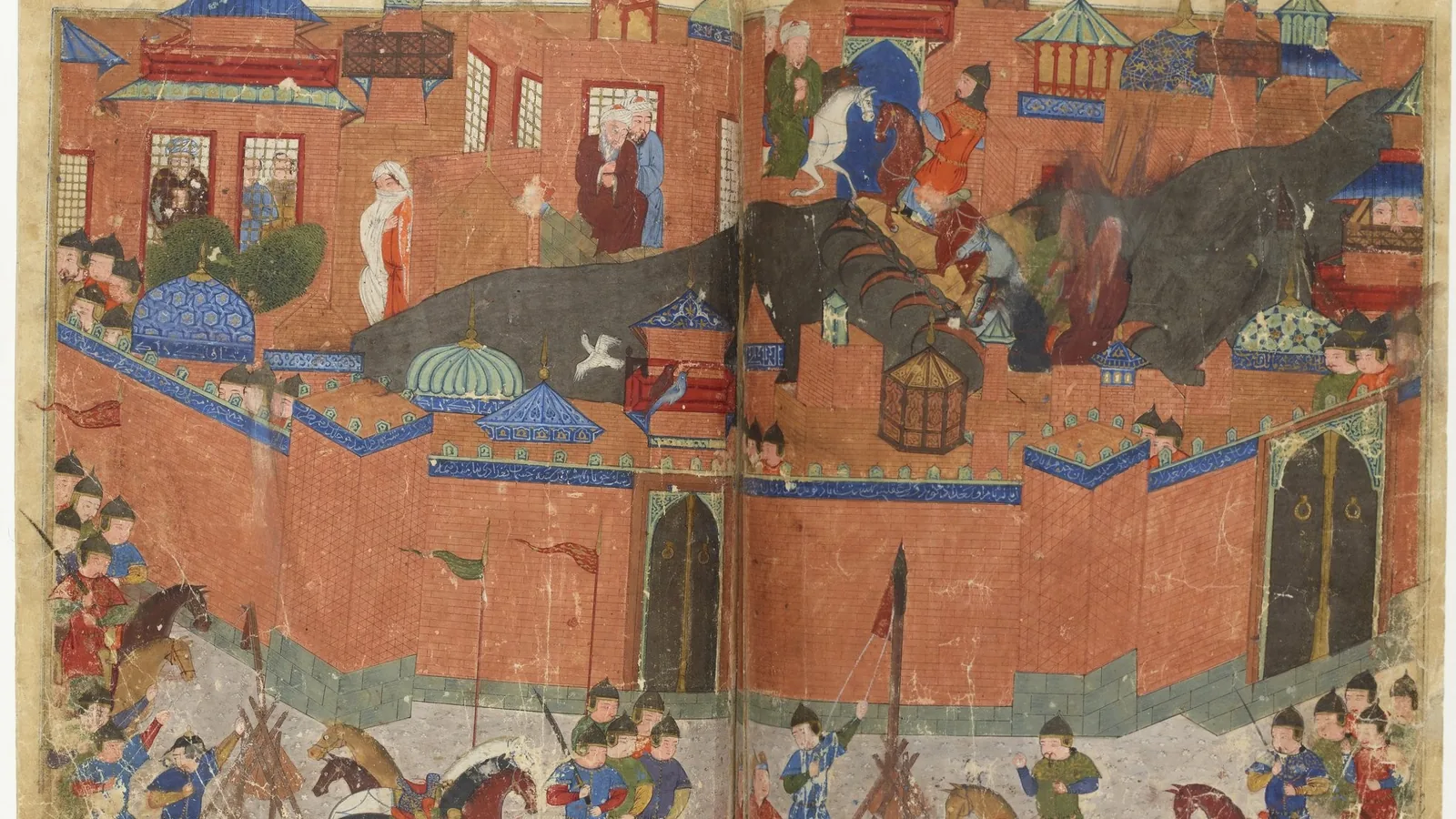
Baghdad fell to Hülegü on February 13, 1258; the caliph died on February 20. A chronicle counted "more than 800,000" dead; copyists made it two million.
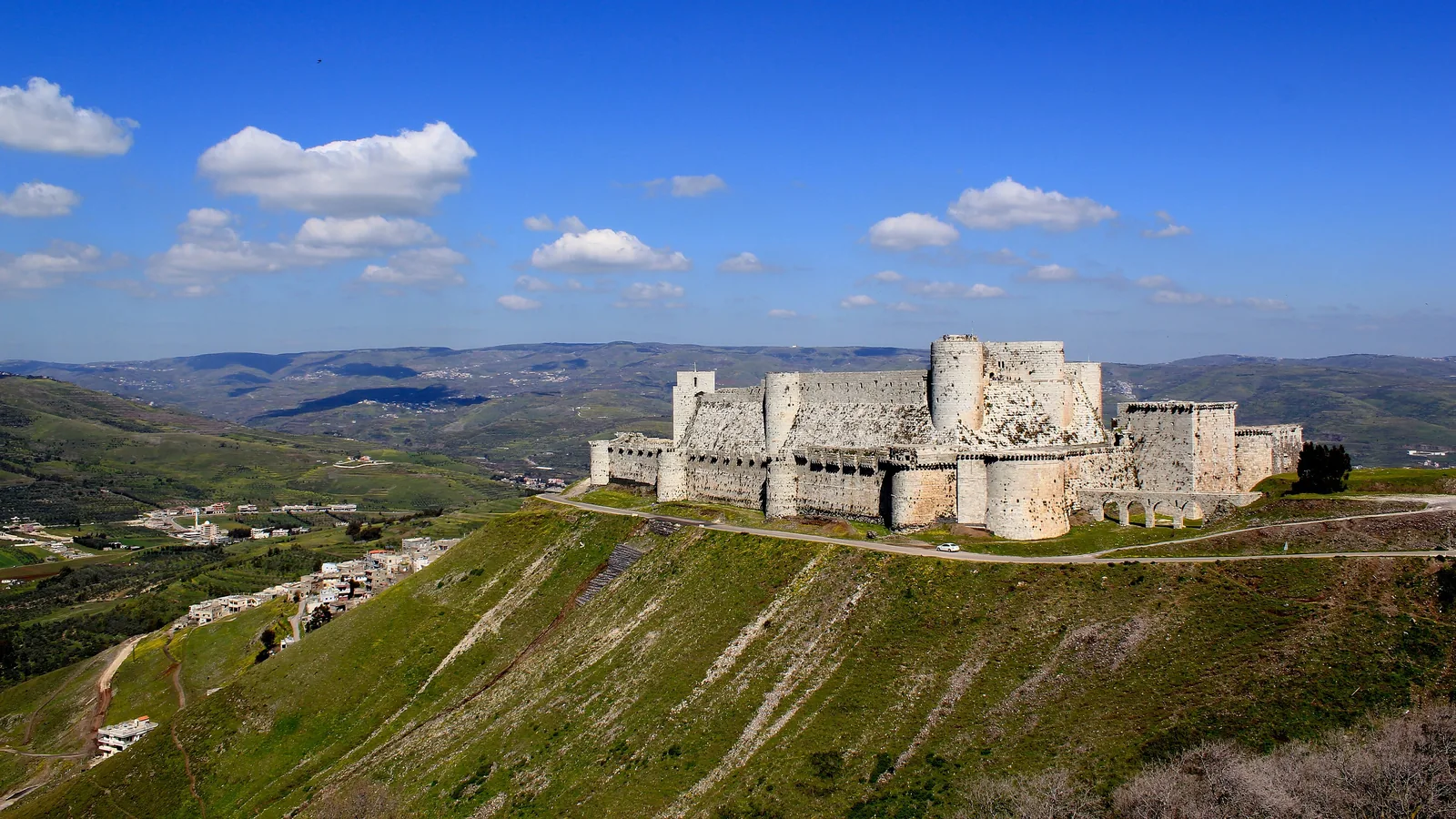
In 1142 the Count of Tripoli gave Hisn al-Akrad to the Hospitallers. In 1271 Sultan Baybars took its keep with a forged surrender letter, Ibn al-Furat records.
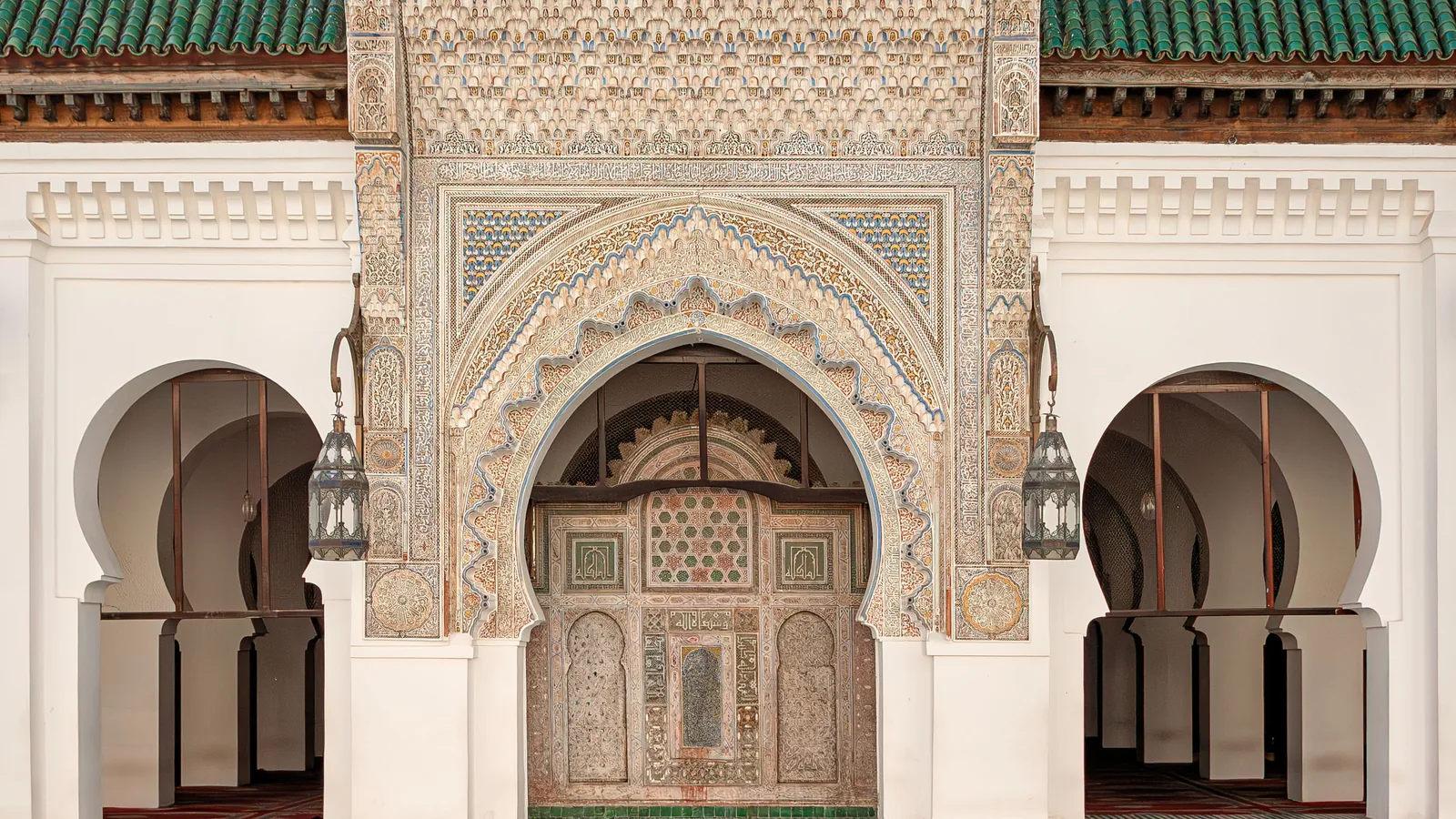
He left Tangier on June 14, 1325; dictation ended in Fez on December 9, 1355. Delhi's salary and Mali's court are recorded; the Bulghar ride is invented.
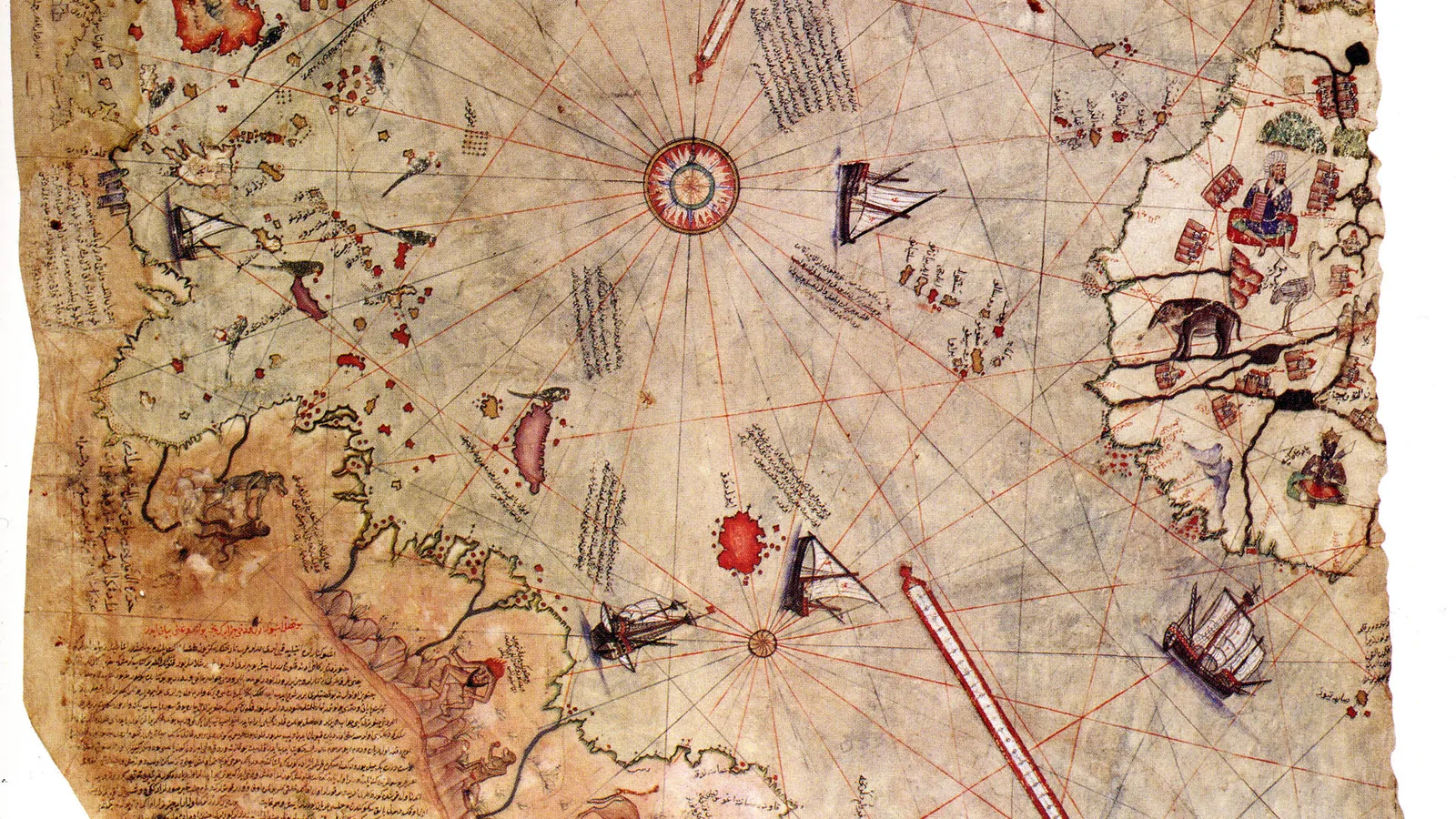
On August 23, 1514, Selim I's janissaries fired from behind gun-carriages at Shah Ismail's cavalry near Khoy. Tabriz fell and was lost; peace came in 1555.
Suleiman camped at Vienna in September 1529 and quit after three weeks as winter came early. He then took Baghdad, wrote law and built the Süleymaniye.
Arakel of Tabriz dated the Julfa deportation to October 21 to November 19, 1604. Its merchants rebuilt across from Isfahan in 1605; a press came in 1636.
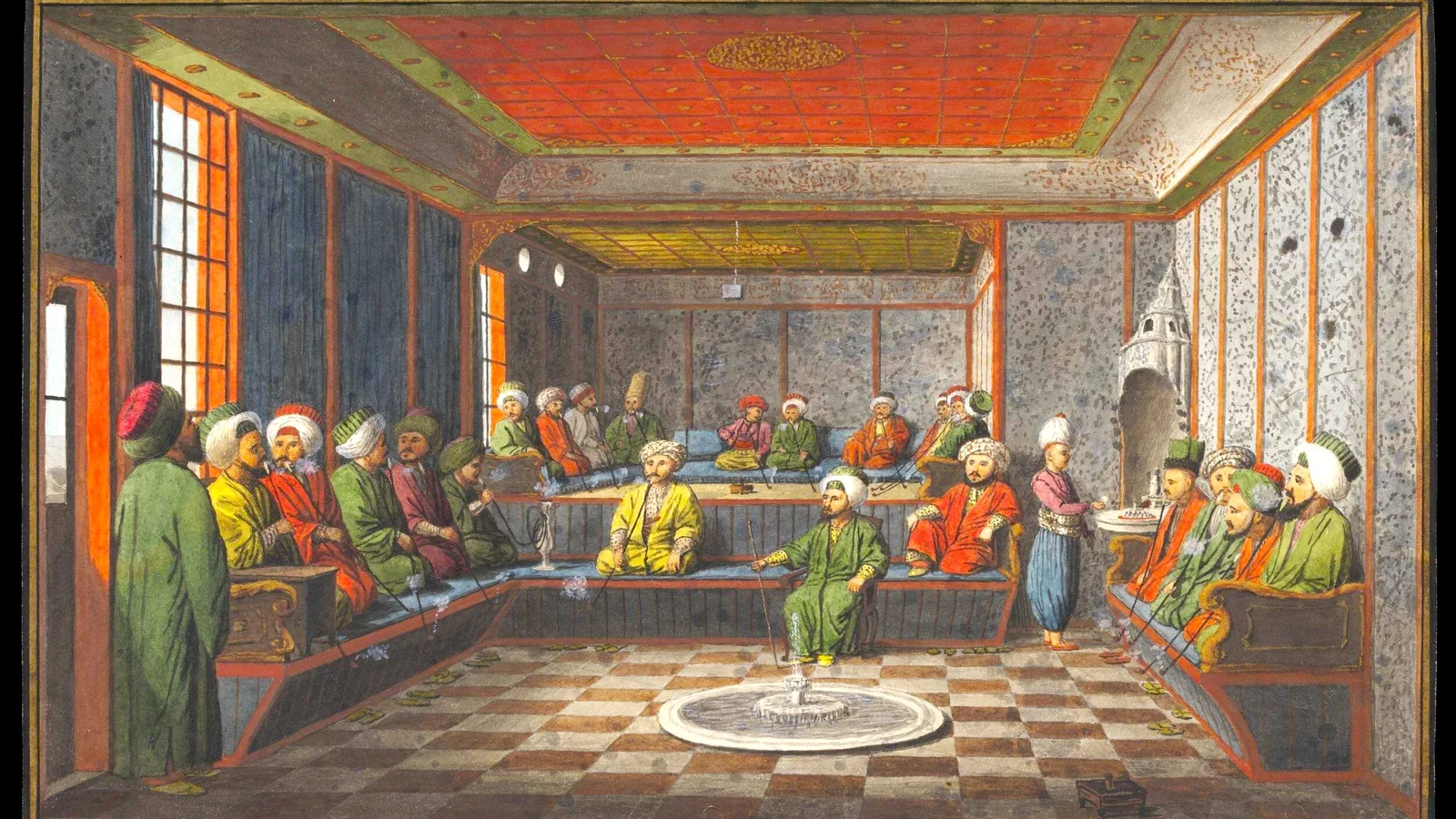
A fire started outside Istanbul's Cibali gate on September 2, 1633, and burned a fifth of the city. The same day, Murad IV ordered the coffeehouses shut.
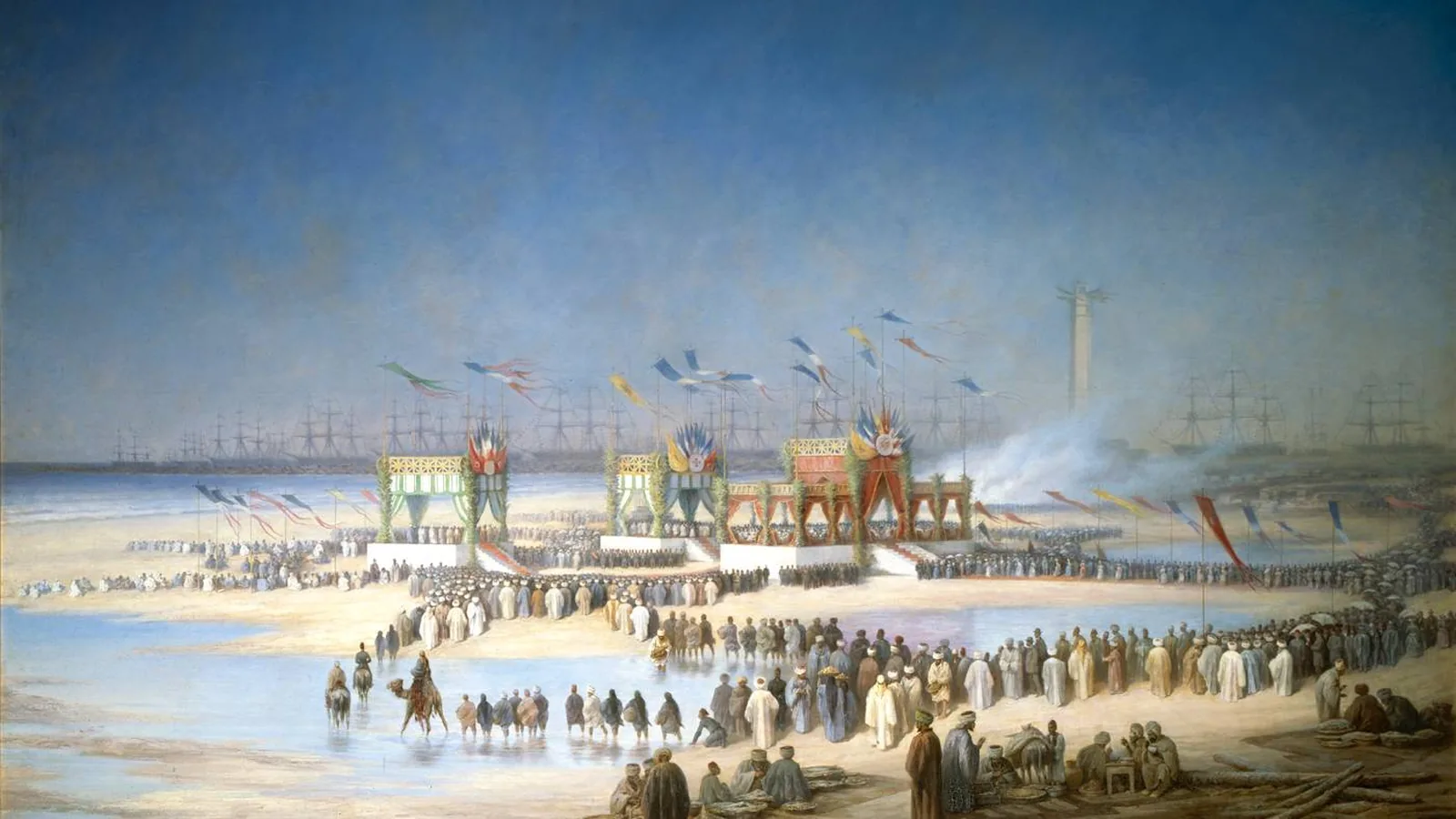
Egypt granted the Suez concession, bought 44 percent of the shares and supplied the labor. In November 1875 a bankrupt khedive sold that stake to Britain.
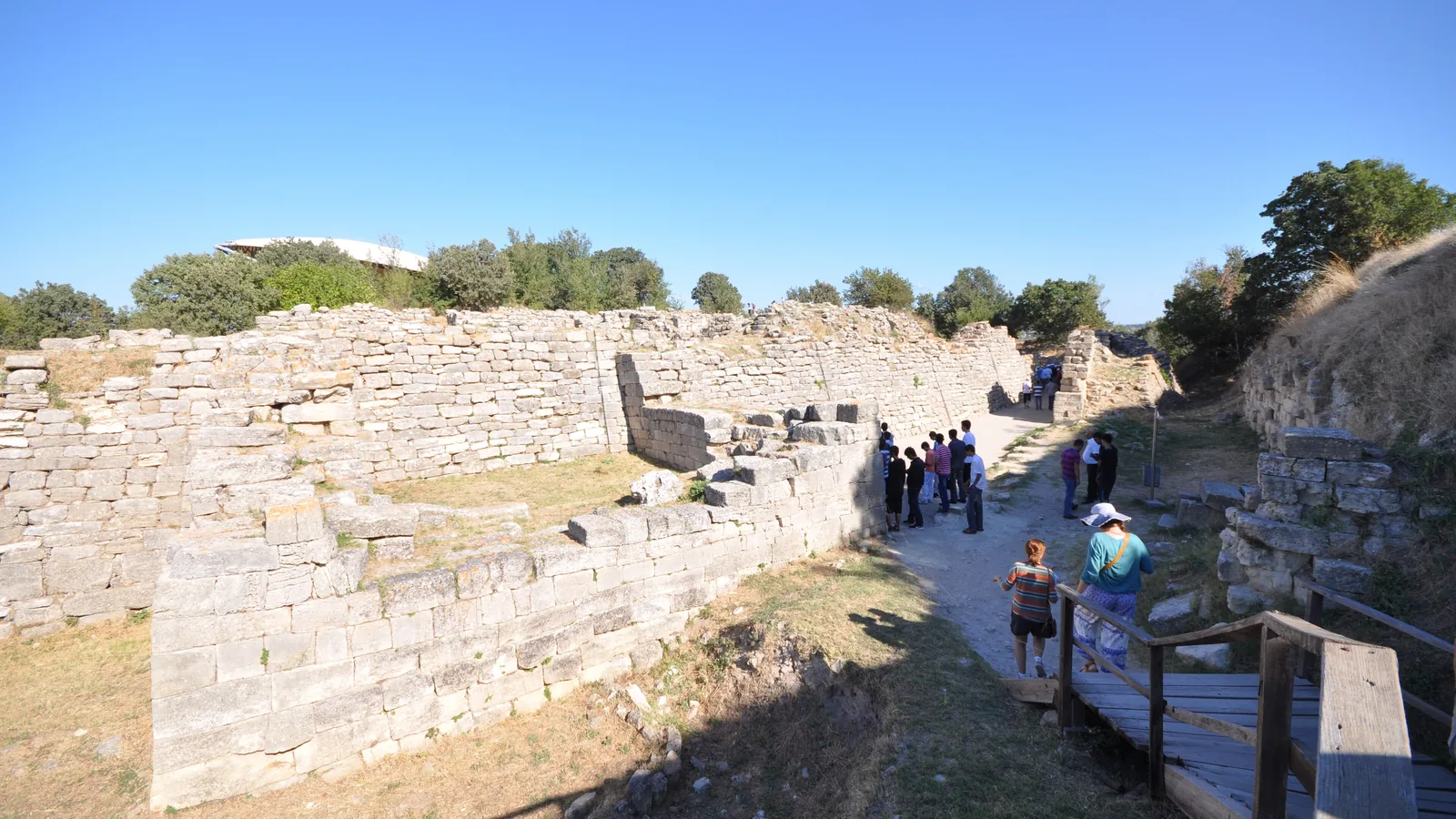
Calvert began digging Hisarlık in 1863; its nine layers span 3,000 years. Hittite texts name Wilusa, and in 2001 Korfmann and Kolb fought over its size.
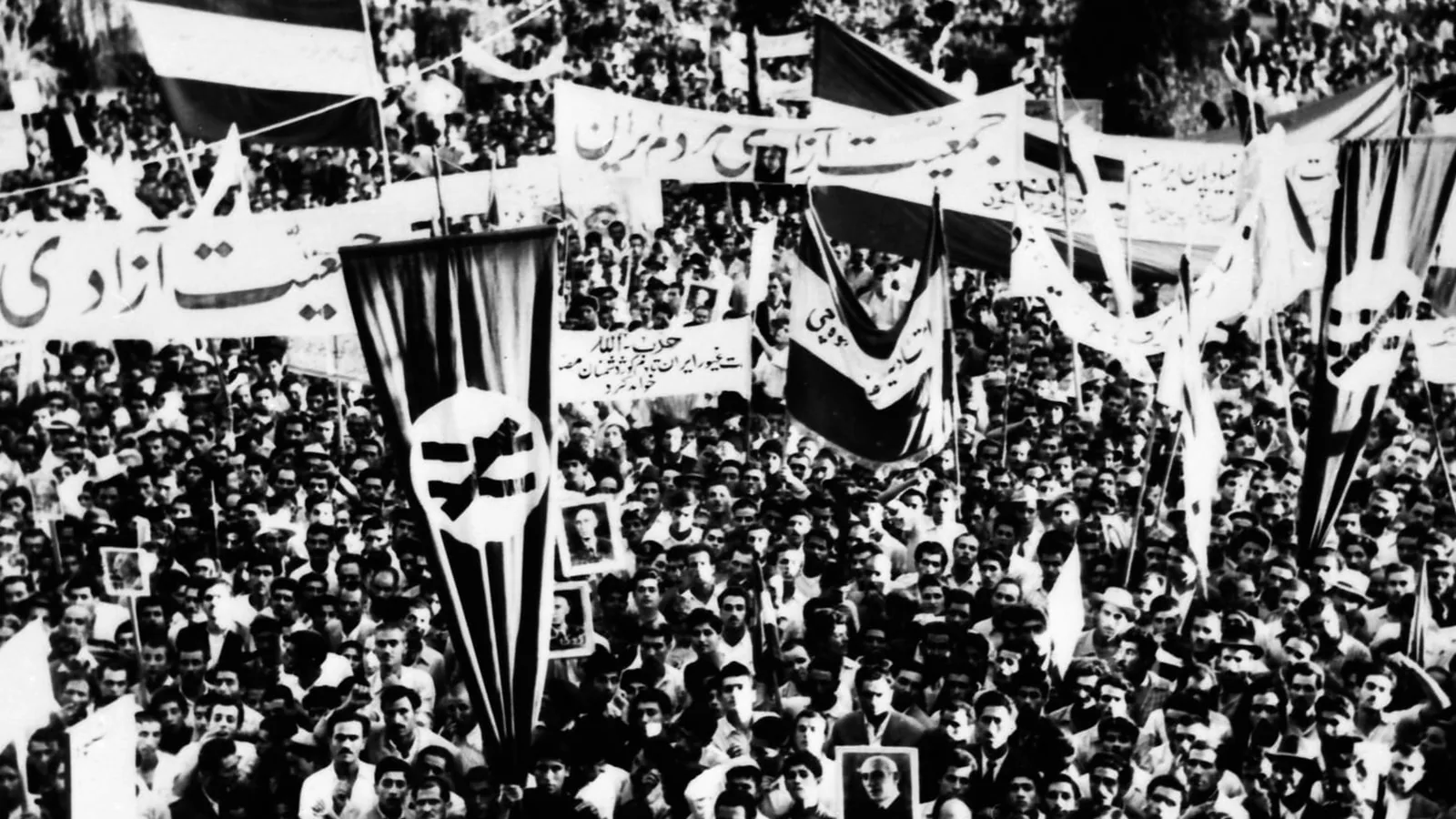
Thousands camped in Tehran's British legation garden in July 1906 until the shah decreed an assembly. That Majles was shelled in 1908 and shut in 1911.
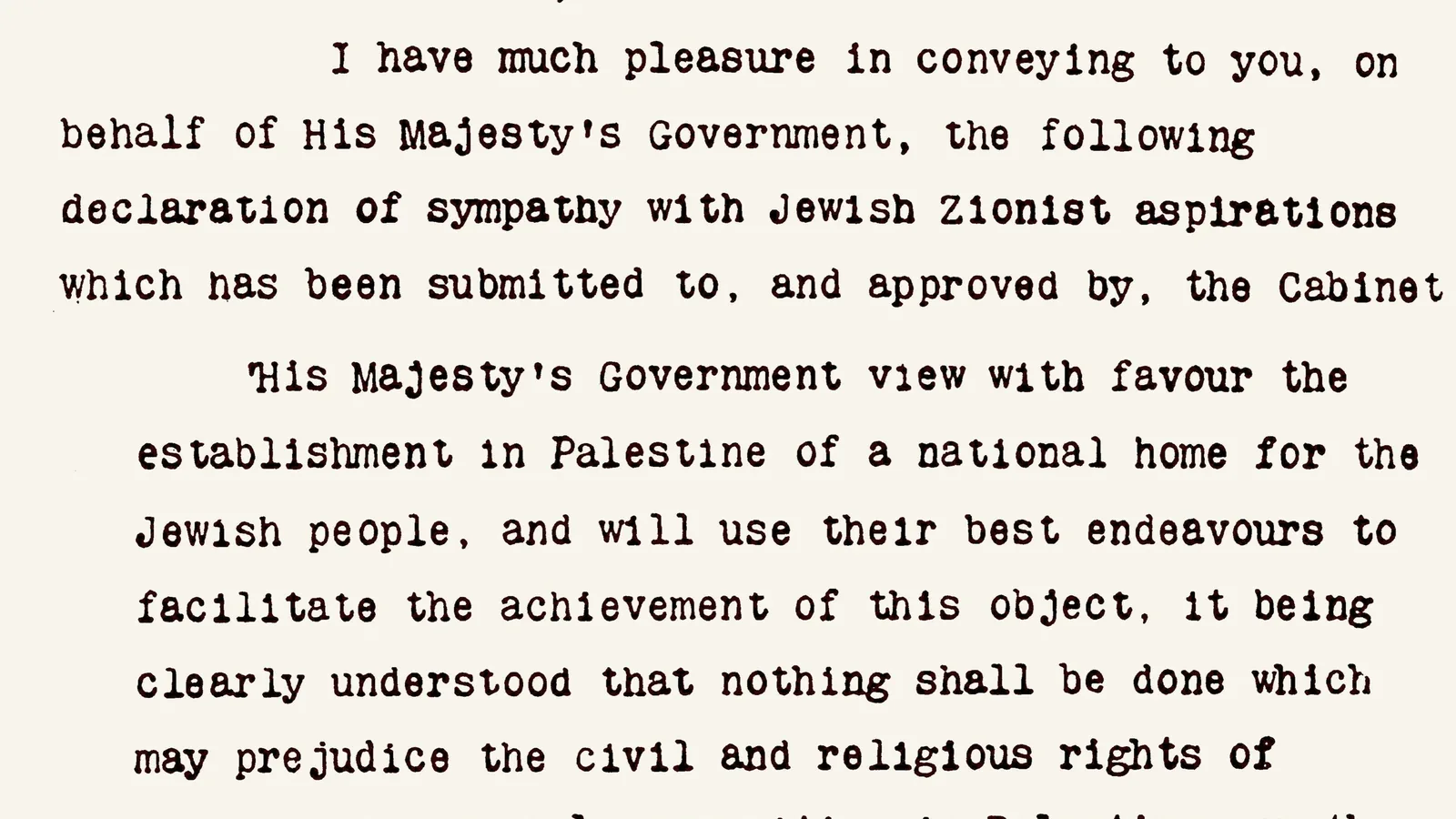
Balfour's letter to Lord Rothschild, approved by the Cabinet and dated November 2, 1917, set beside the McMahon letter of 1915, the 1922 mandate and 2017.
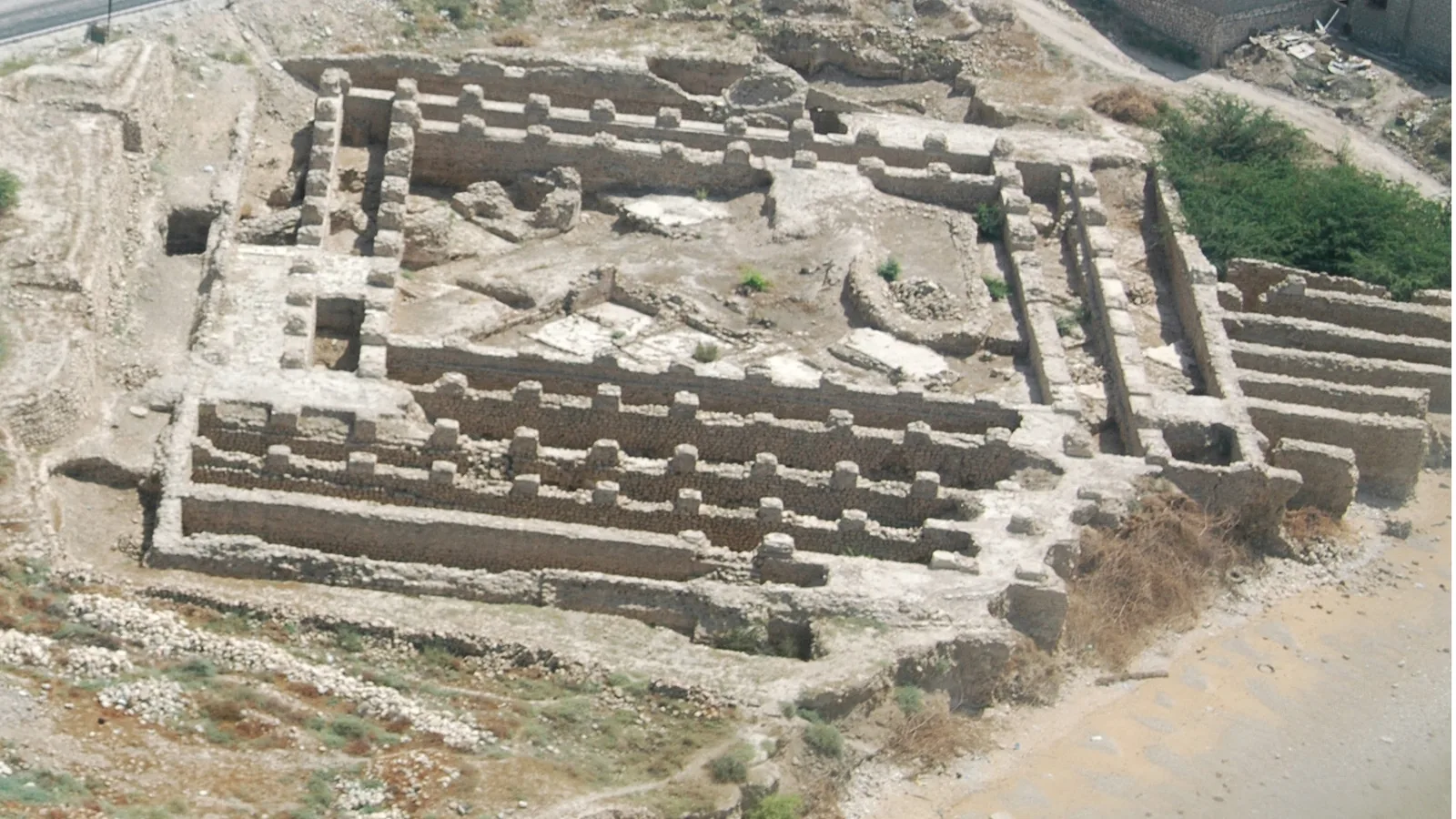
From 1966 to 1973 David Whitehouse dug Siraf, a Persian Gulf port, and found Chinese stoneware in a mosque platform of about 800. Its end is still argued.
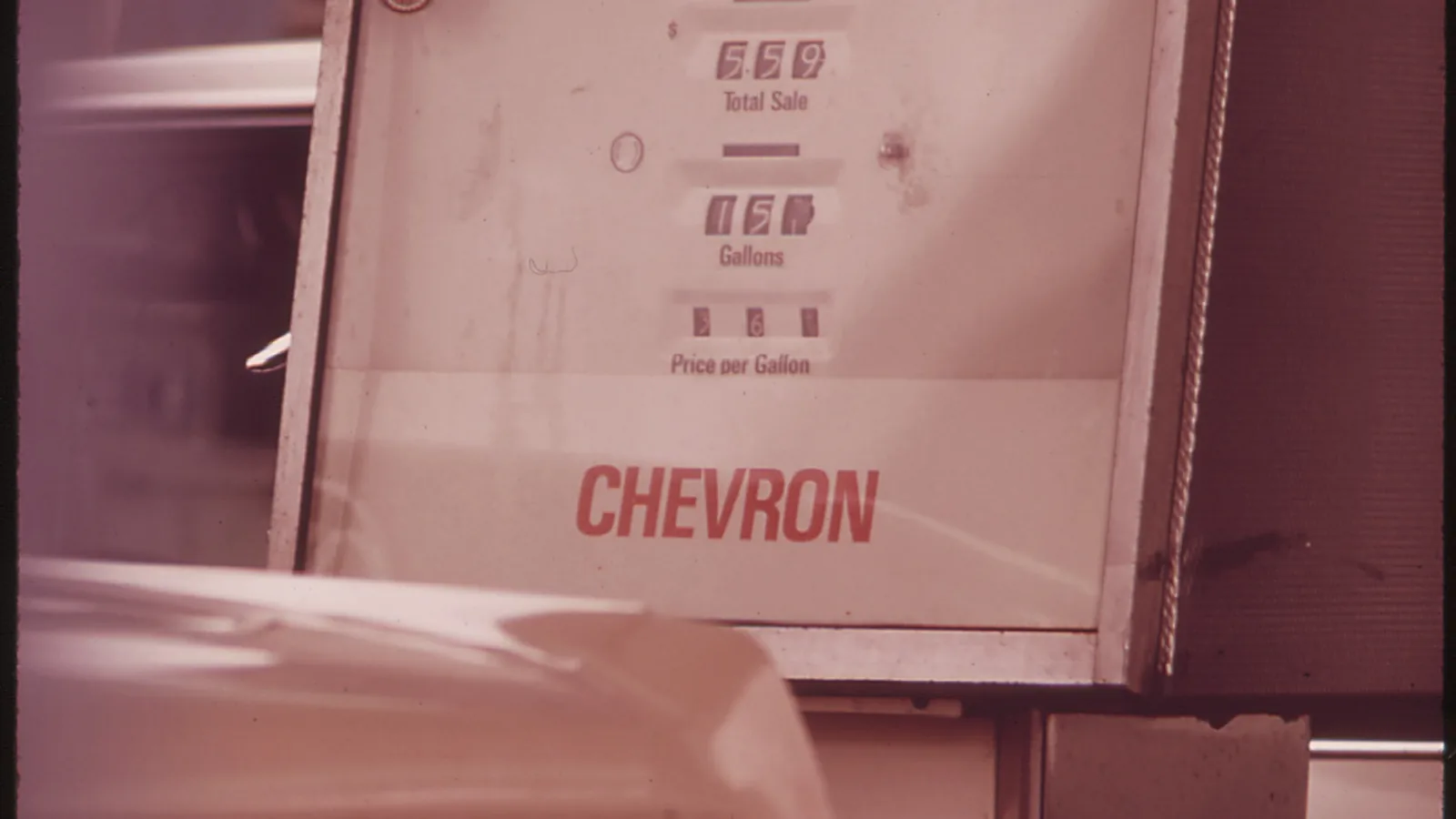
OAPEC cut output 5 percent a month from October 17, 1973, and embargoed the United States. A barrel went from $2.90 to $11.65; the ban ended in March 1974.
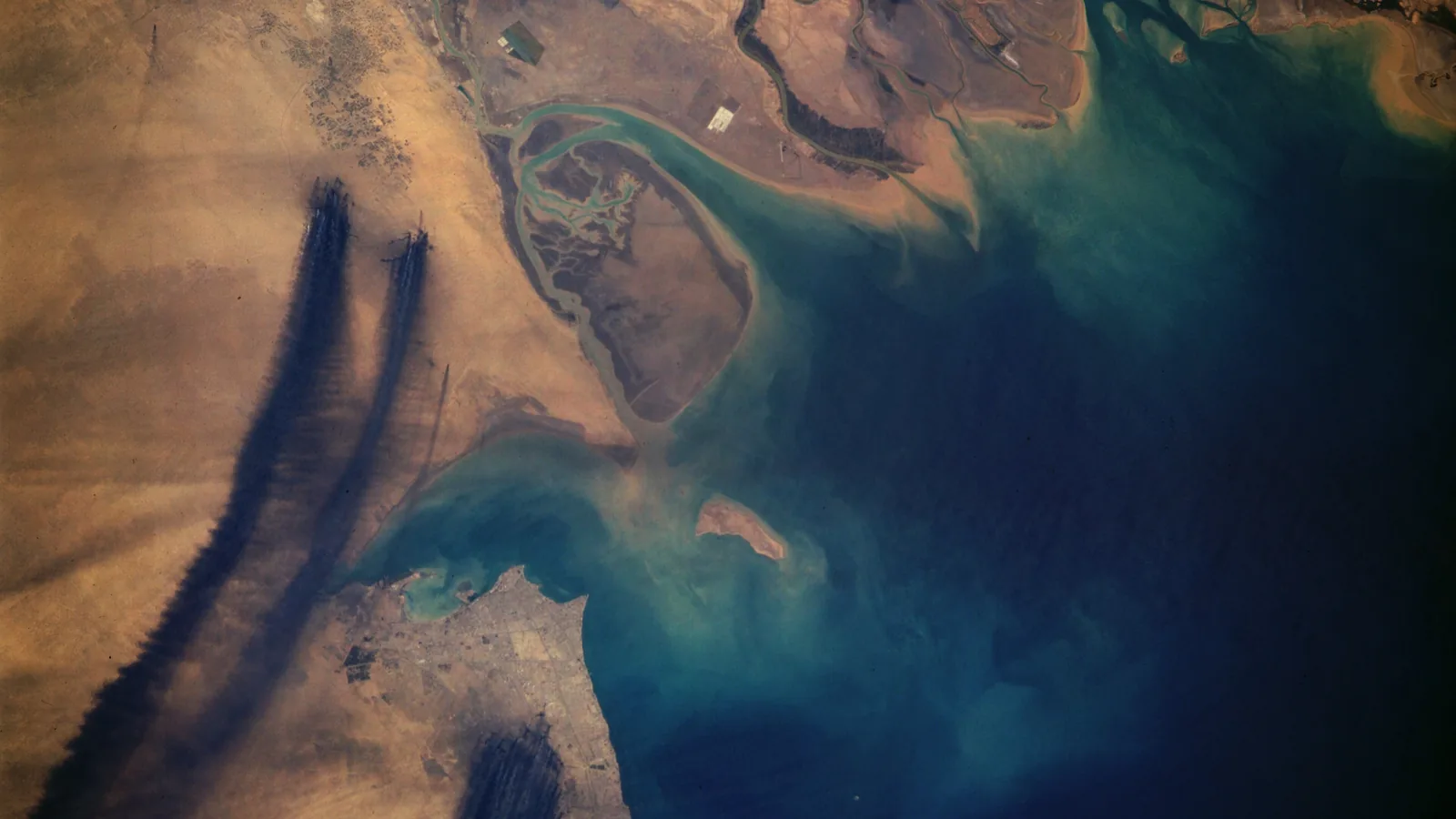
On November 6, 1991, the Emir of Kuwait extinguished the last of the oil-well fires Iraqi forces had set, the Senate recorded, ending a nine-month effort.