Record · Classical world · South Asia
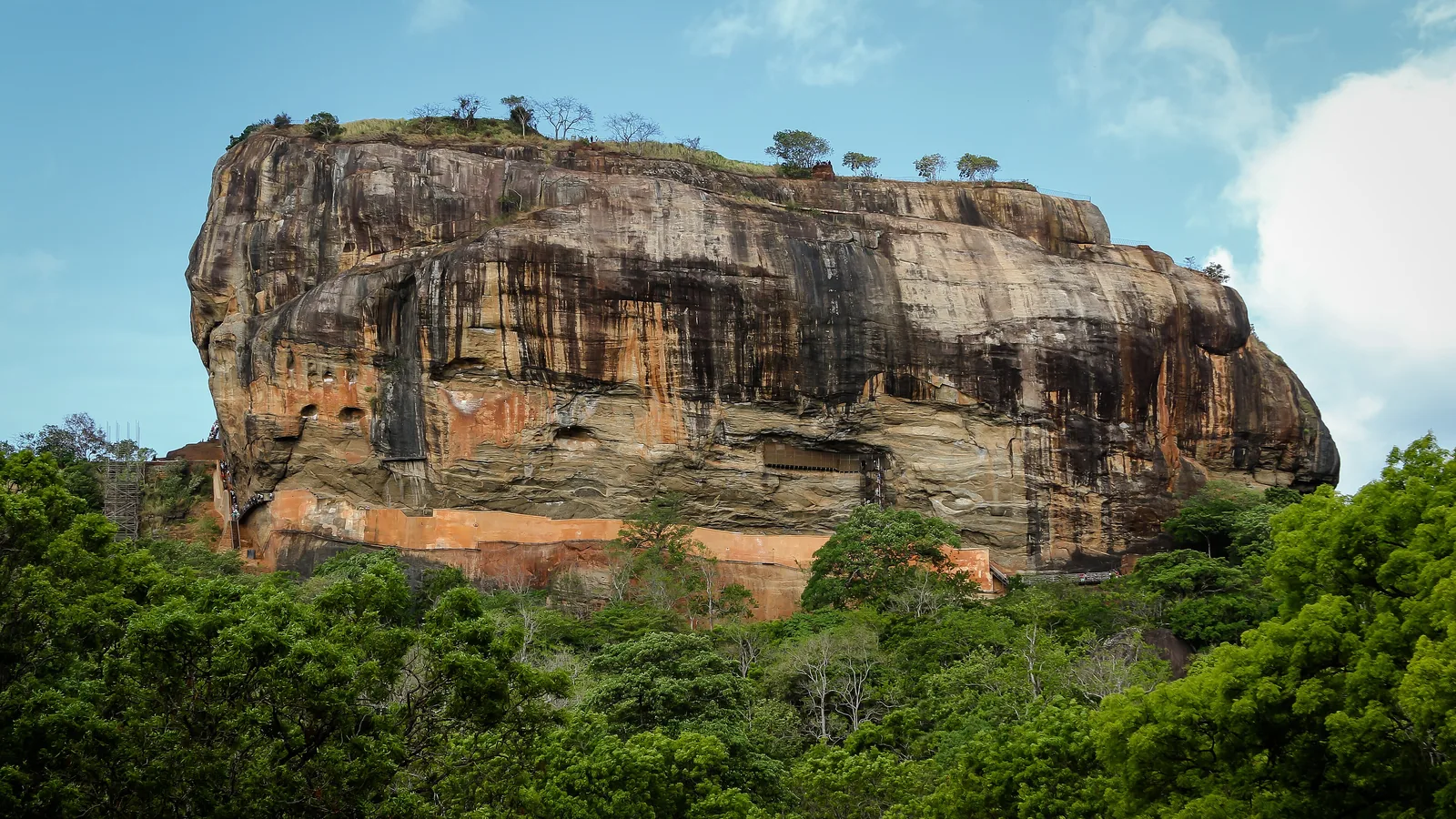
Sihagiri in the Culavamsa: Kassapa I's rock palace at Sigiriya
The Culavamsa says Kassapa fled to Sihagiri, walled it and built a lion staircase. The Central Cultural Fund dates his reign 477 to 495.
· AD 477Articles about places & monuments across every continent and era, oldest first.
The Culavamsa says Kassapa fled to Sihagiri, walled it and built a lion staircase. The Central Cultural Fund dates his reign 477 to 495.
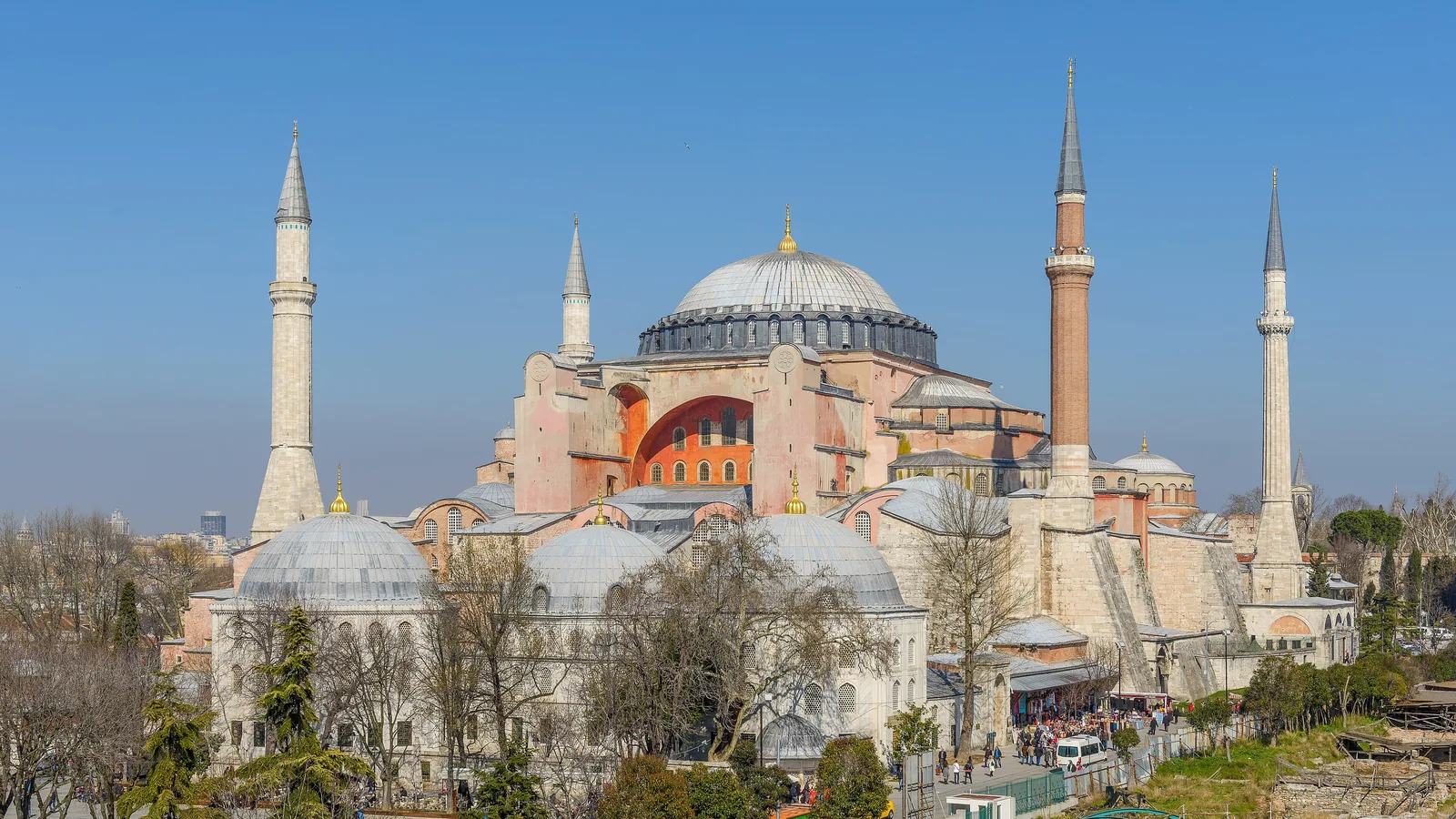
· AD 477The Nika riot of 532 burned Constantinople's Great Church. Justinian's Hagia Sophia rose by 537, Procopius described it, and its dome fell in 558.
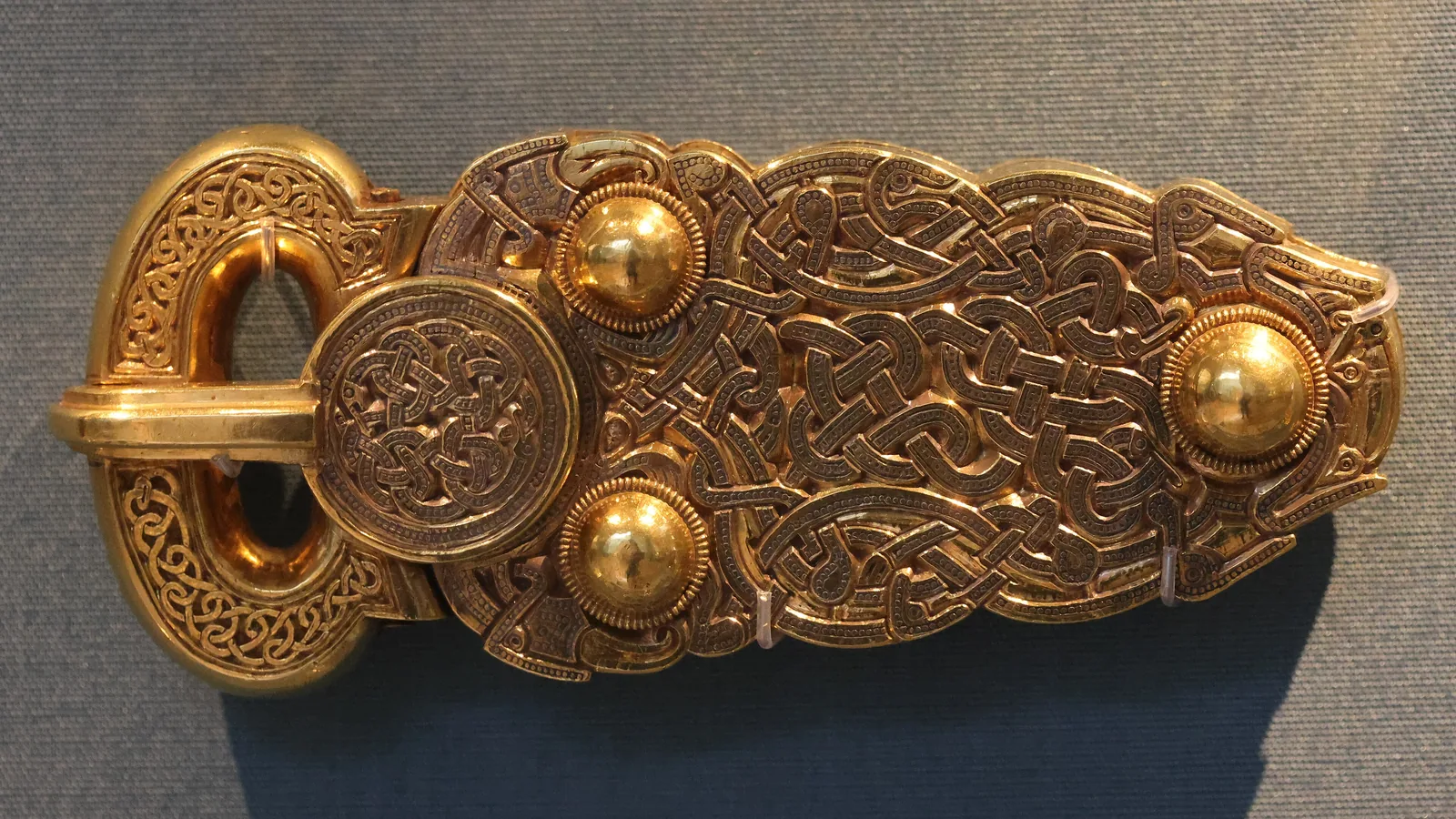
· AD 537In 1939 Basil Brown excavated a 27-meter ship burial at Sutton Hoo for Edith Pretty; an inquest gave the find to her, who gave it to the British Museum.
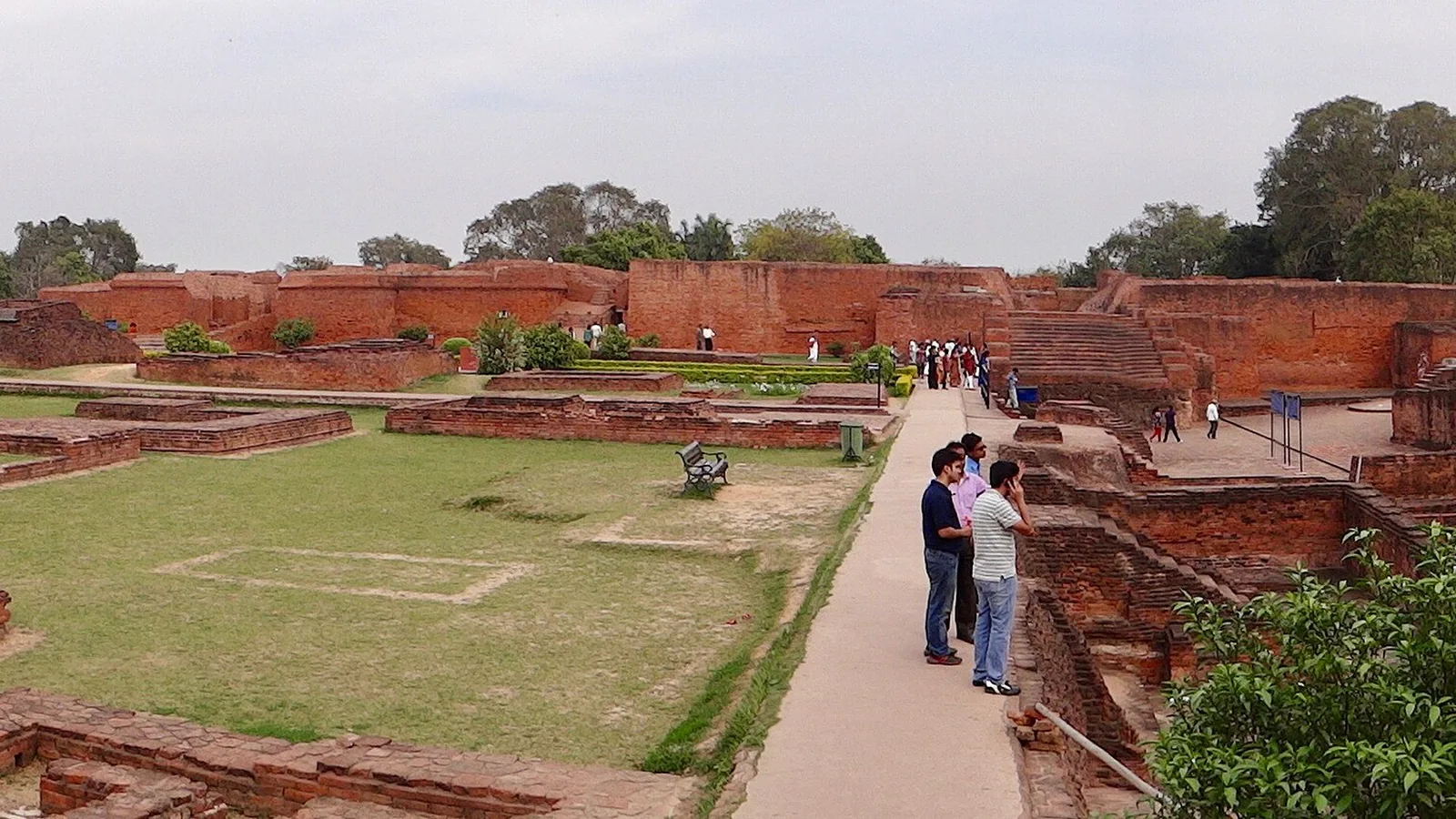
· AD 625Xuanzang recorded Nalanda's gatekeeper and debates; the ASI dug the site in 1915–37 and 1974–82; an Act of September 21, 2010 revived the name.
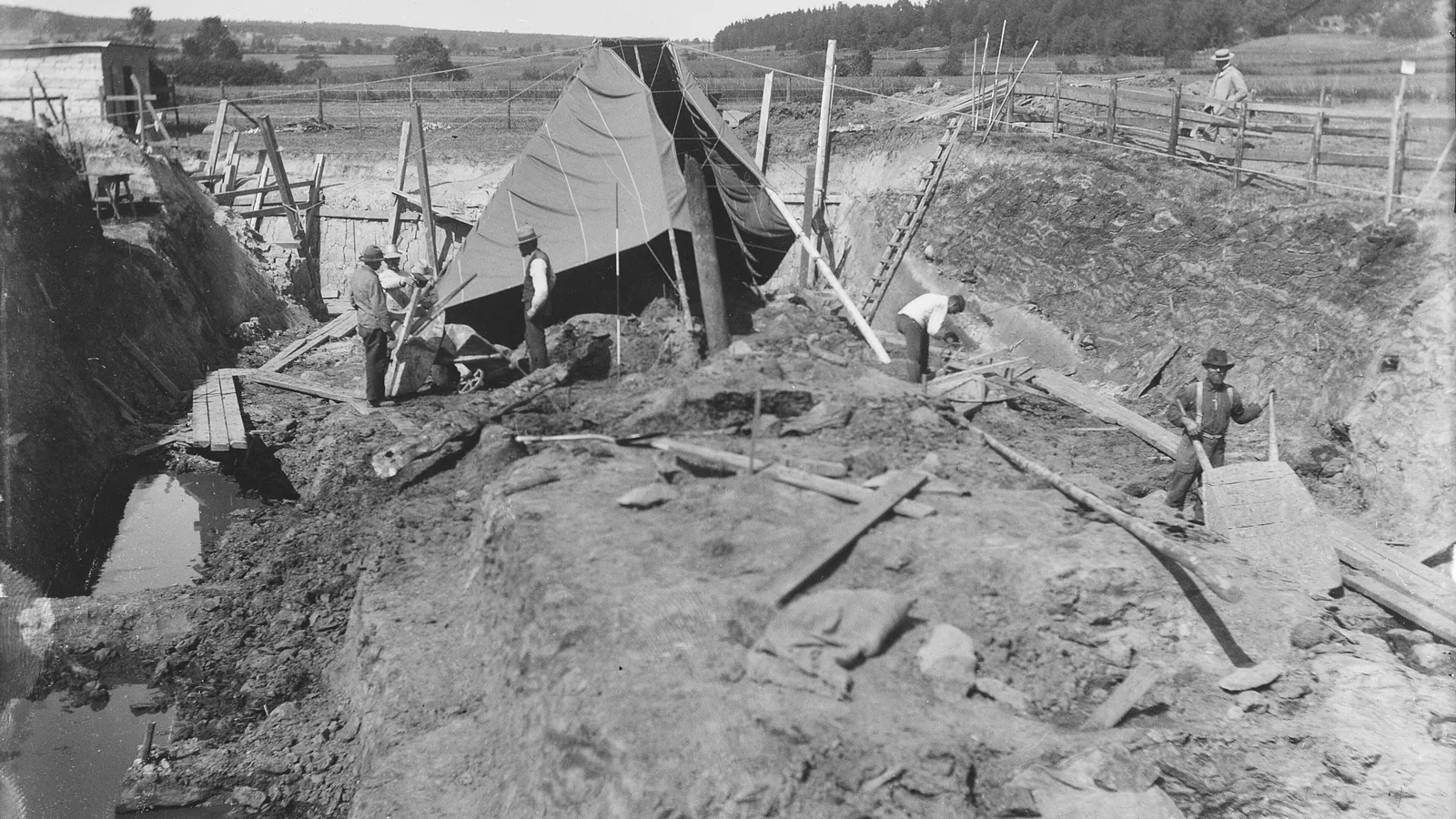
· AD 629Tree-ring dating puts the Oseberg ship's timber at about 820 and its burial at 834; Gabriel Gustafson excavated it in 1904 after a farmer's report in 1903.
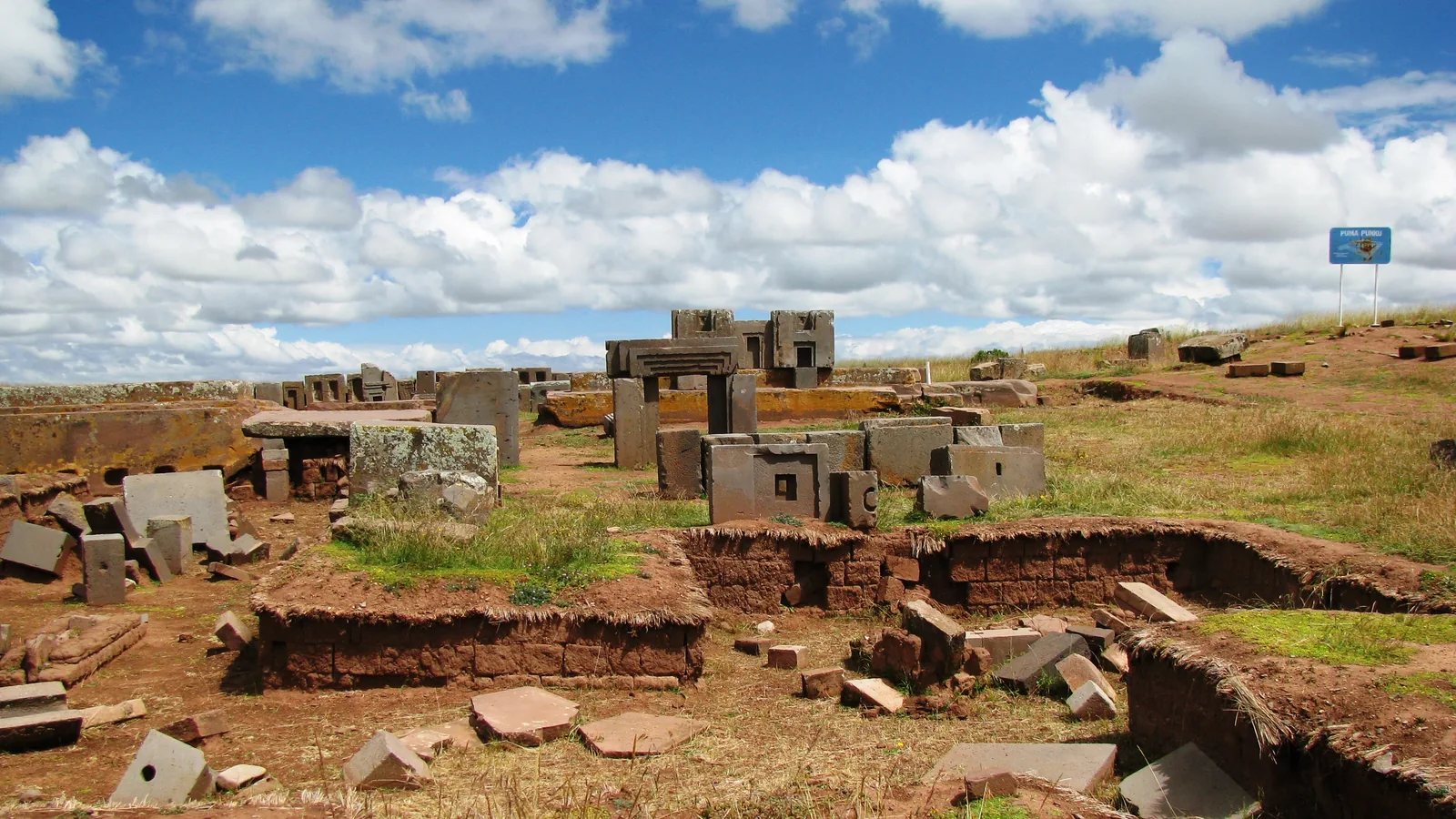
· AD 834A 2023 PLOS ONE model of 102 radiocarbon dates puts Tiwanaku's monument building at AD 590 to 720 and its collapse at 1010 to 1050, before a drought.
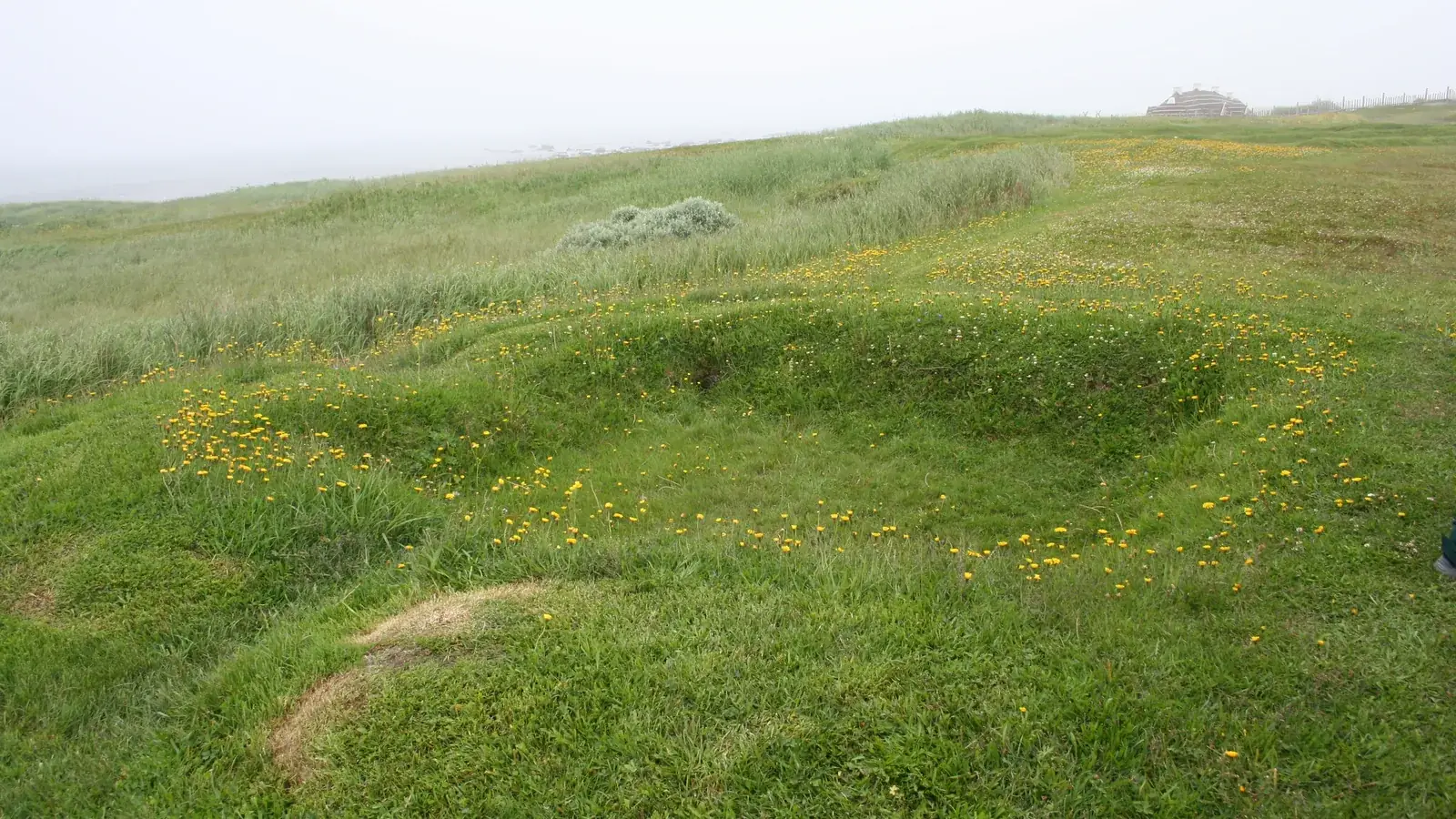
· 1010Wood cut at L'Anse aux Meadows, Newfoundland, dates to AD 1021 by a radiocarbon spike from a 993 solar storm. It is the cutting year, not the arrival year.
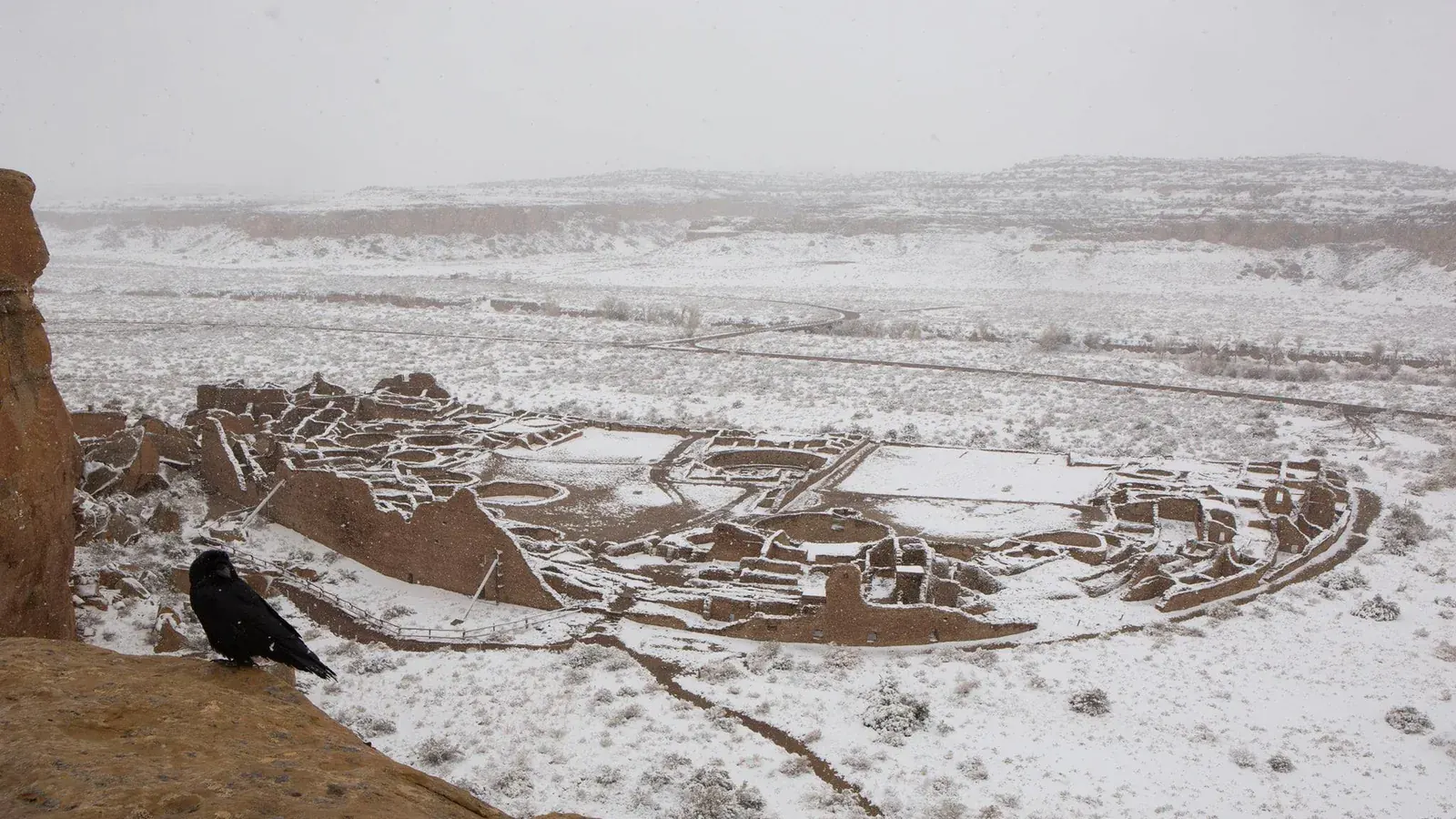
· 1021Ancestral Pueblo people carried about 240,000 beams 75 km into Chaco Canyon from 850 to 1130, then moved on in a drought; 19 Pueblos and the Hopi claim it.
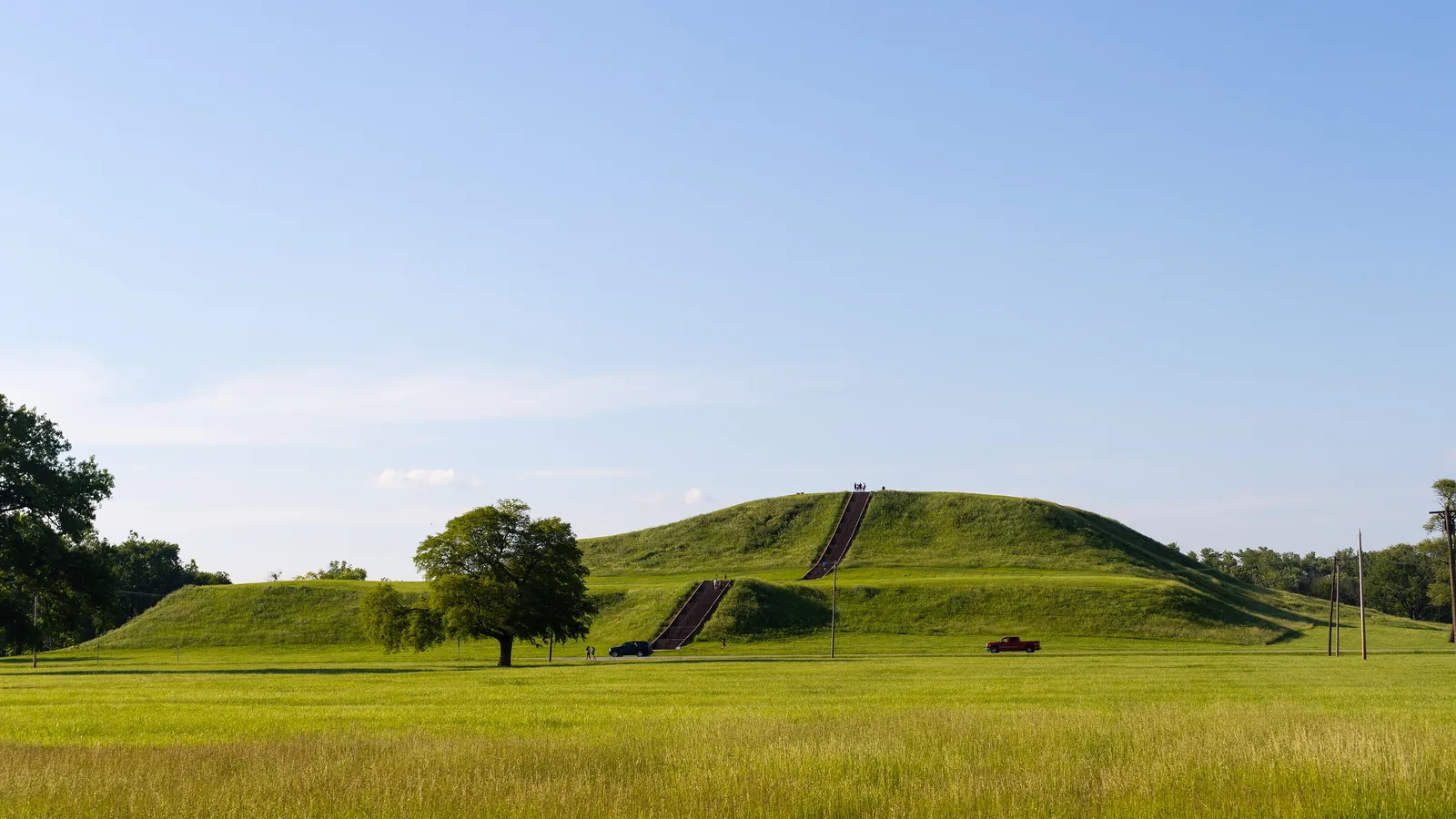
· 1050Monks Mound, 291 by 236 meters at one contour, anchored Cahokia in Illinois, a city of about 120 mounds and nearly 20,000 people about 1100, empty by 1350.
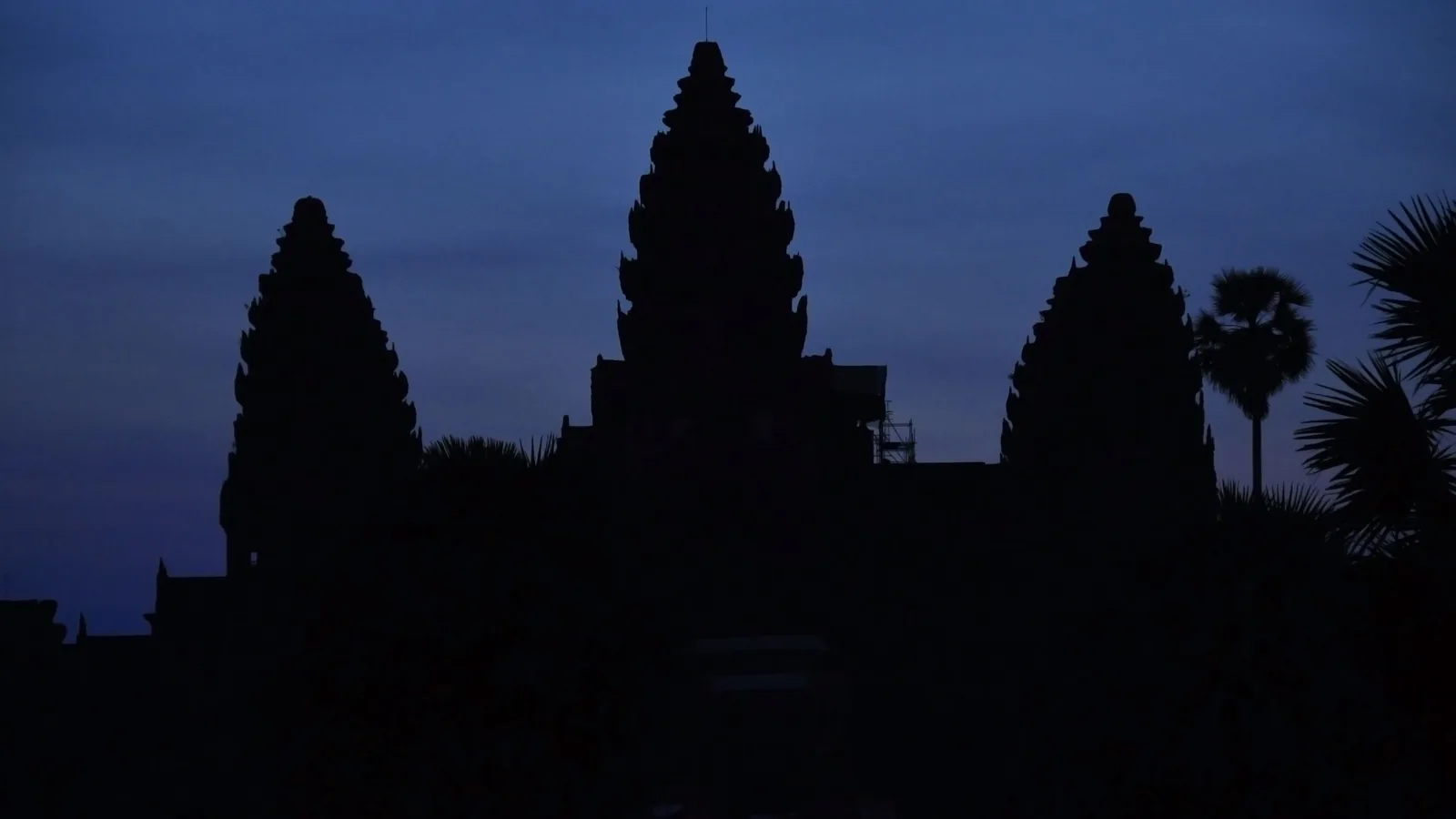
· 1100Angkor Wat was built in the reign of Suryavarman II (anointed 1113). A Chinese envoy of 1296 called it only the tomb of Lu Ban; later books credited Rome.
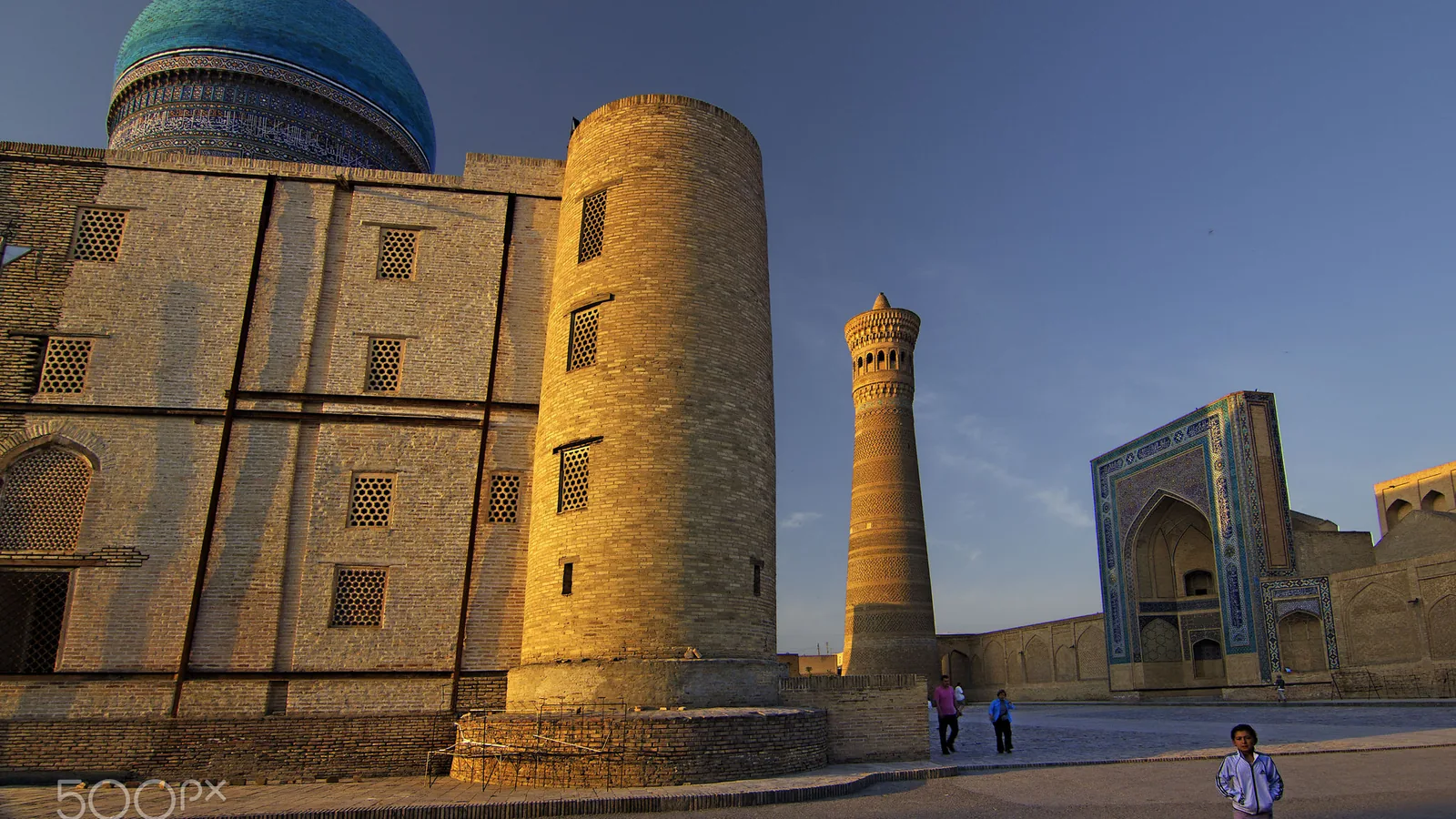
· 1113A minaret collapsed at Bukhara around 1121-22 and destroyed two-thirds of a new mosque. Arslan Khan Mohammad's replacement, 48 meters high, rose in 1127.
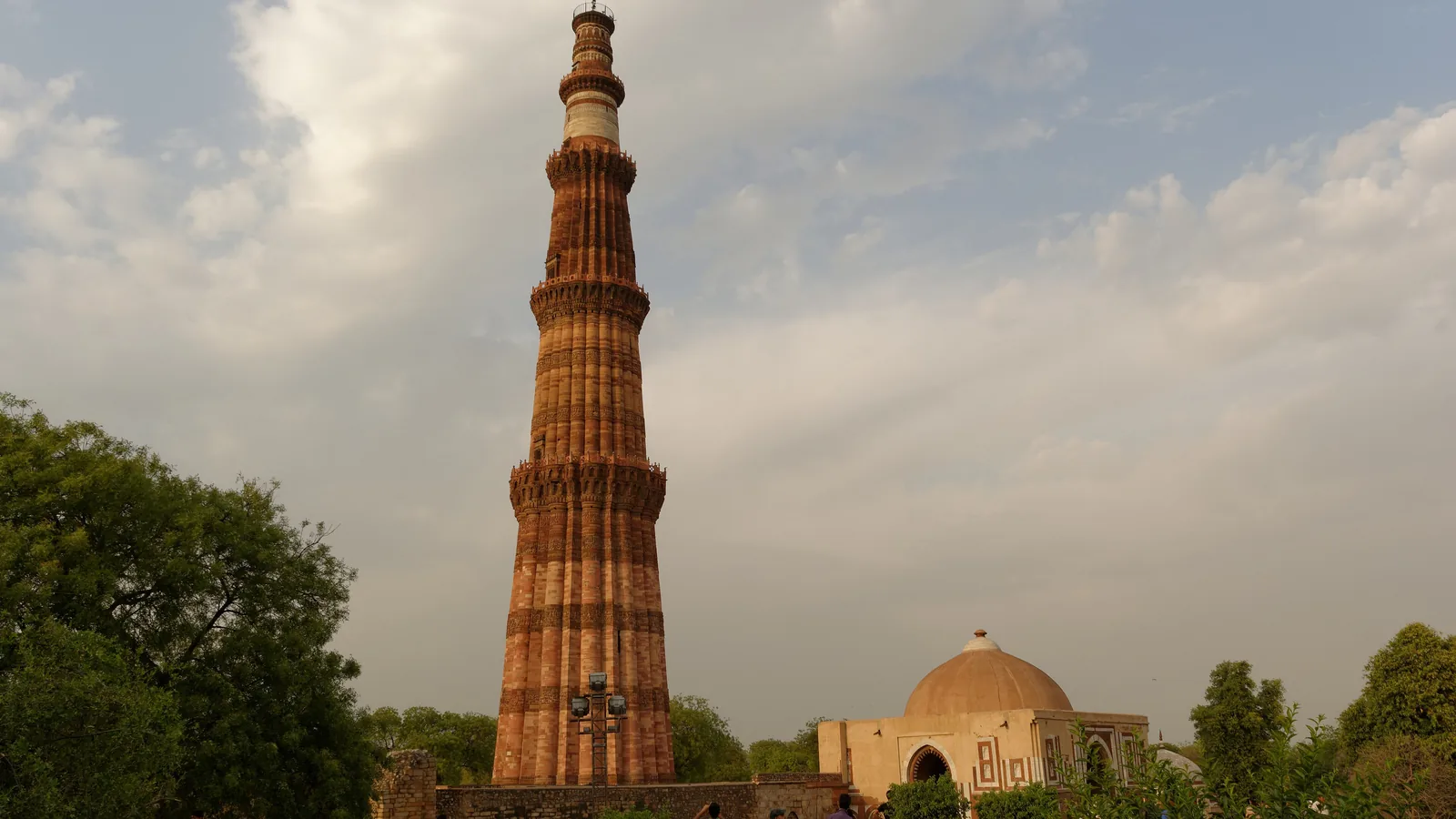
· 1127The Archaeological Survey of India dates the Qutb Minar to 1199; a metallurgist traces its courtyard iron pillar to Udayagiri, centuries earlier.
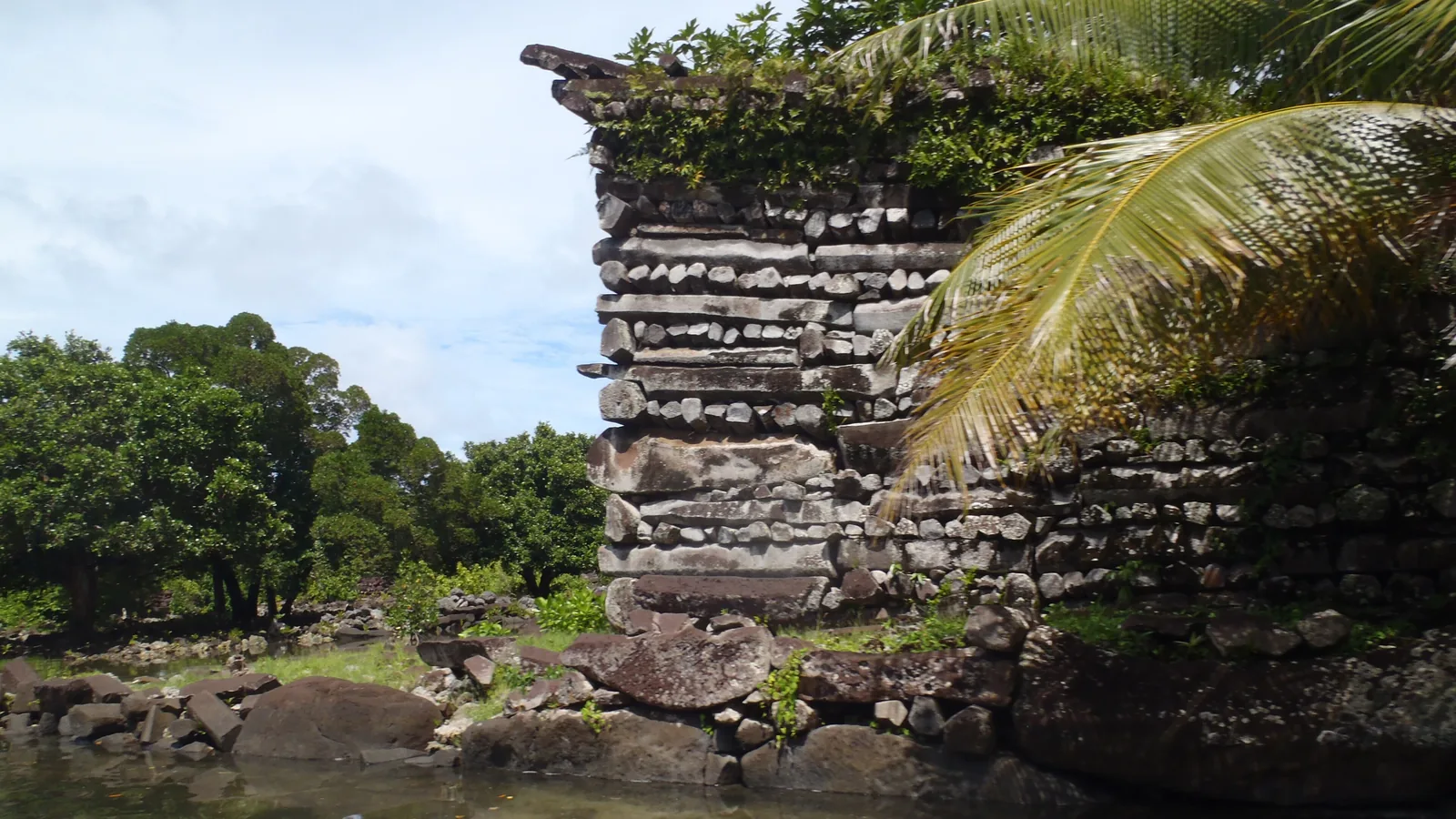
· 1199Nan Madol is 92 to 100 islets of stacked basalt columns on a reef off Pohnpei. Coral from its first chief's tomb dates the monuments to AD 1180 to 1200.
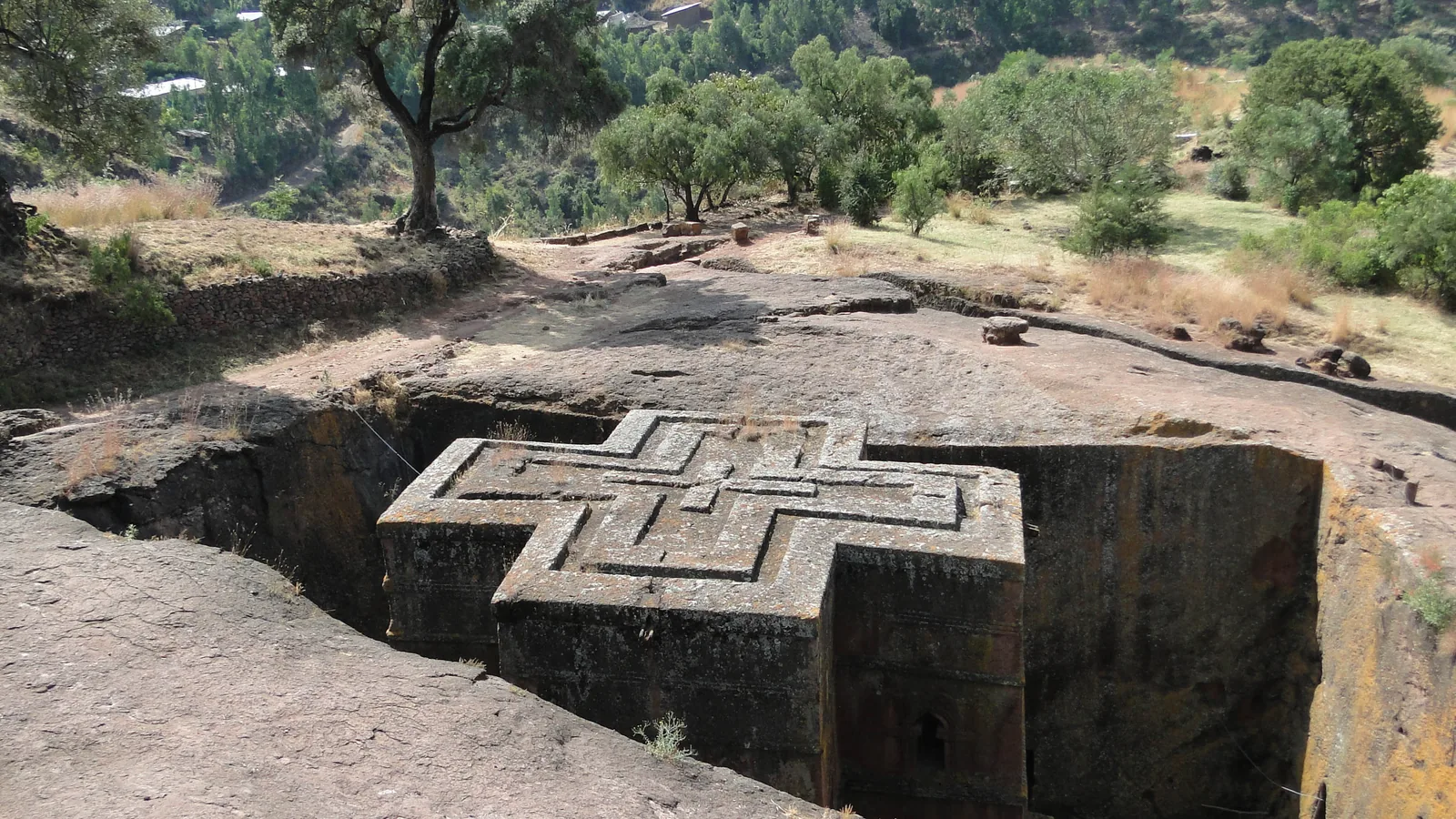
· 1200Francisco Álvares measured Lalibela's rock-hewn churches twice in the 1520s, giving names, spans and a tradition of who built them.
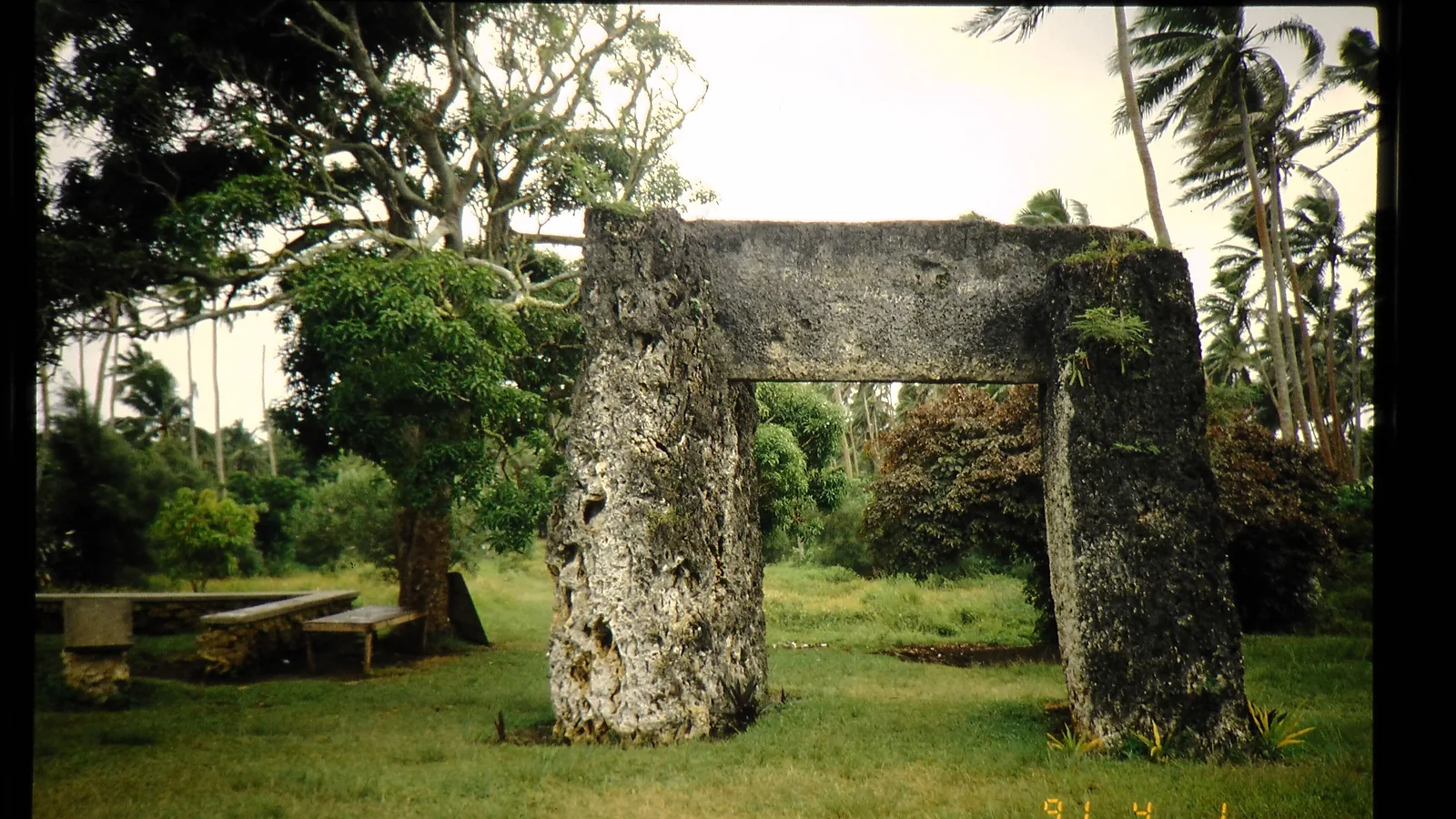
· 1200David Burley calls the Haʻamonga ʻa Maui trilithon at Heketa the most impressive commemorative site on Tongatapu, its uprights tied to the 11th Tuʻi Tonga's two sons.
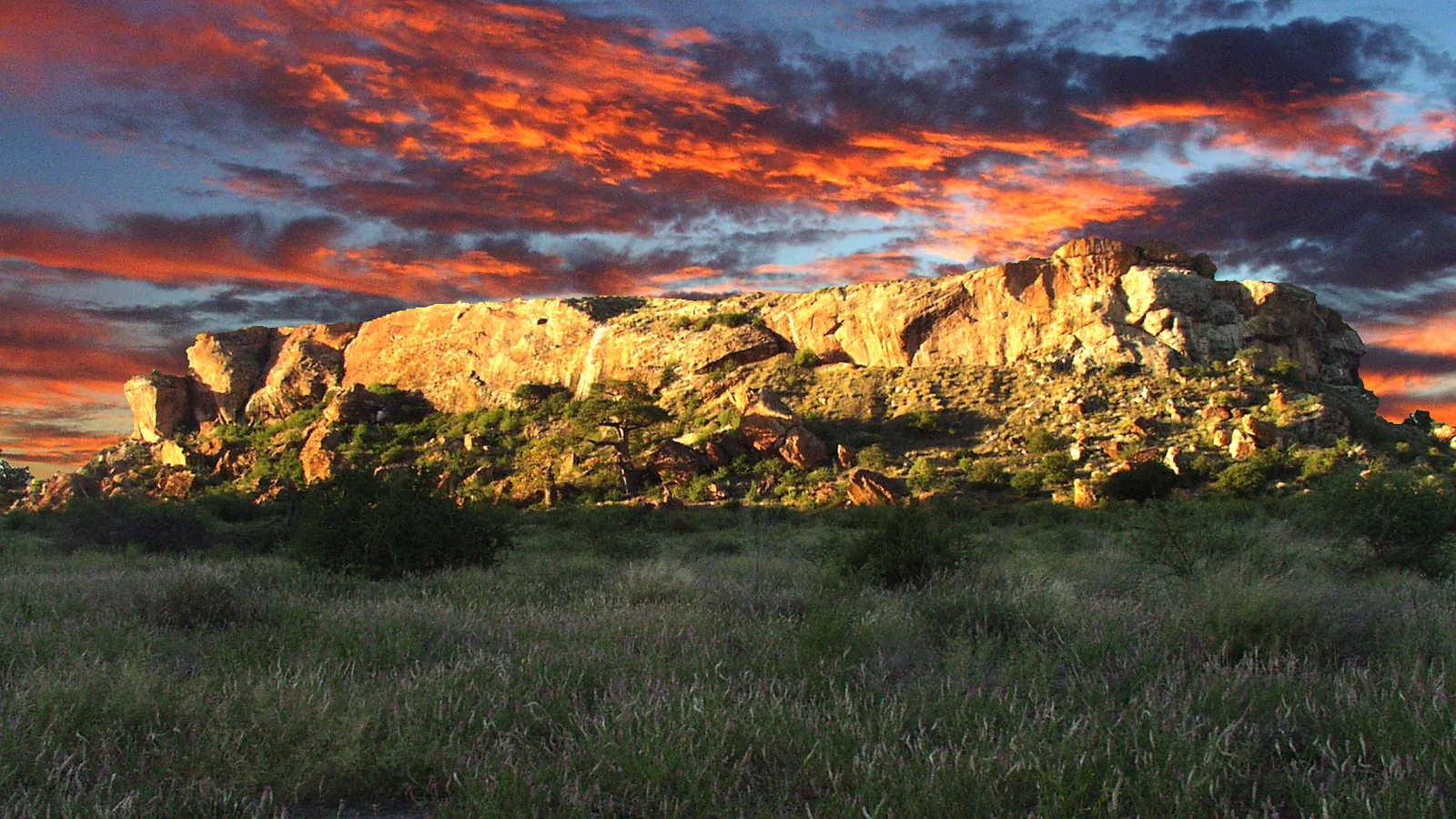
· 1200The University of Pretoria Museums calls its gold rhinoceros the only artwork of its kind, found in a royal grave on Mapungubwe Hill in the 1930s.
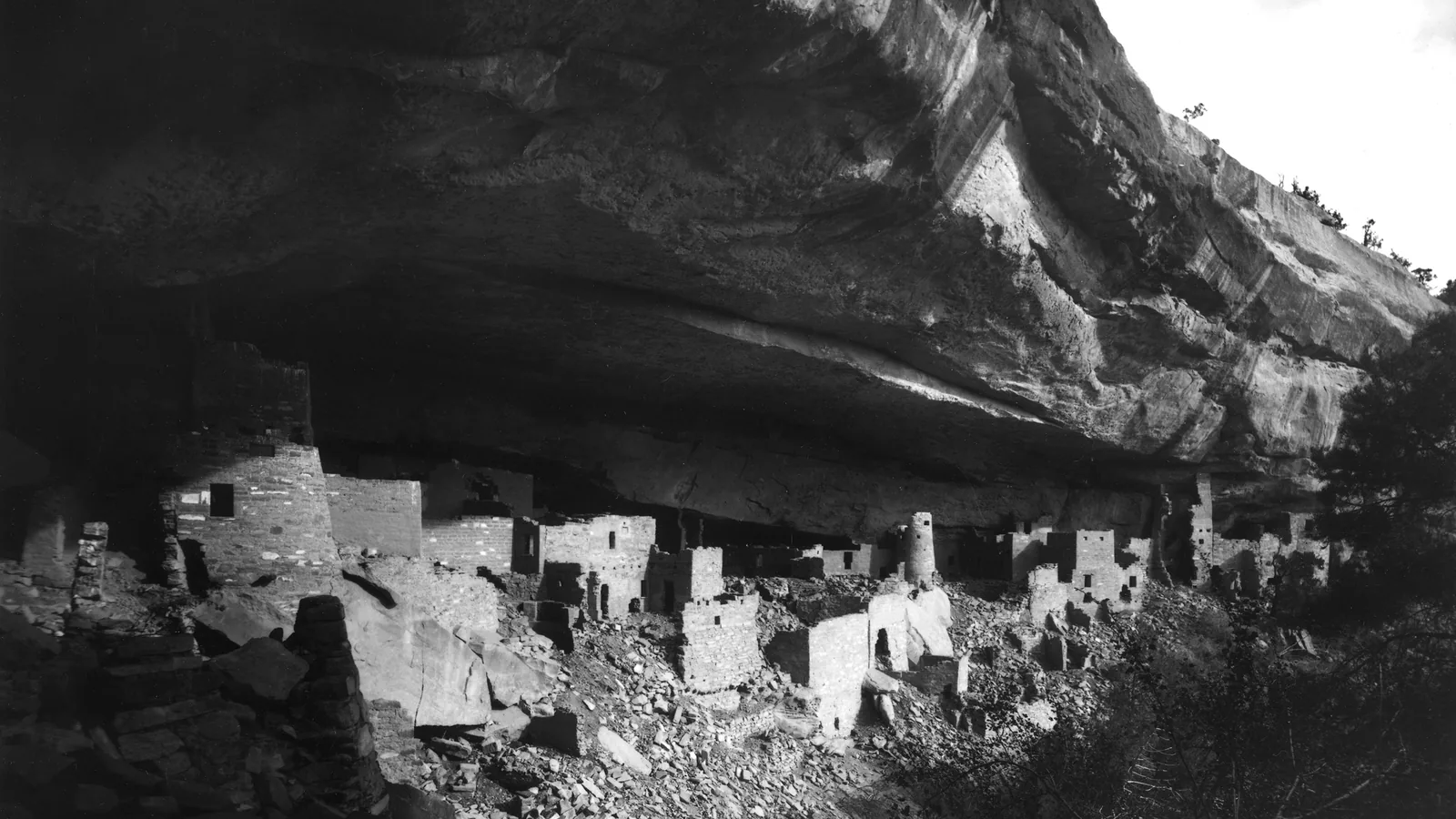
· 1250On December 18, 1888, two ranchers looking for cattle saw Cliff Palace. Eight collections, a Swedish dig and the Antiquities Act of June 8, 1906 followed.
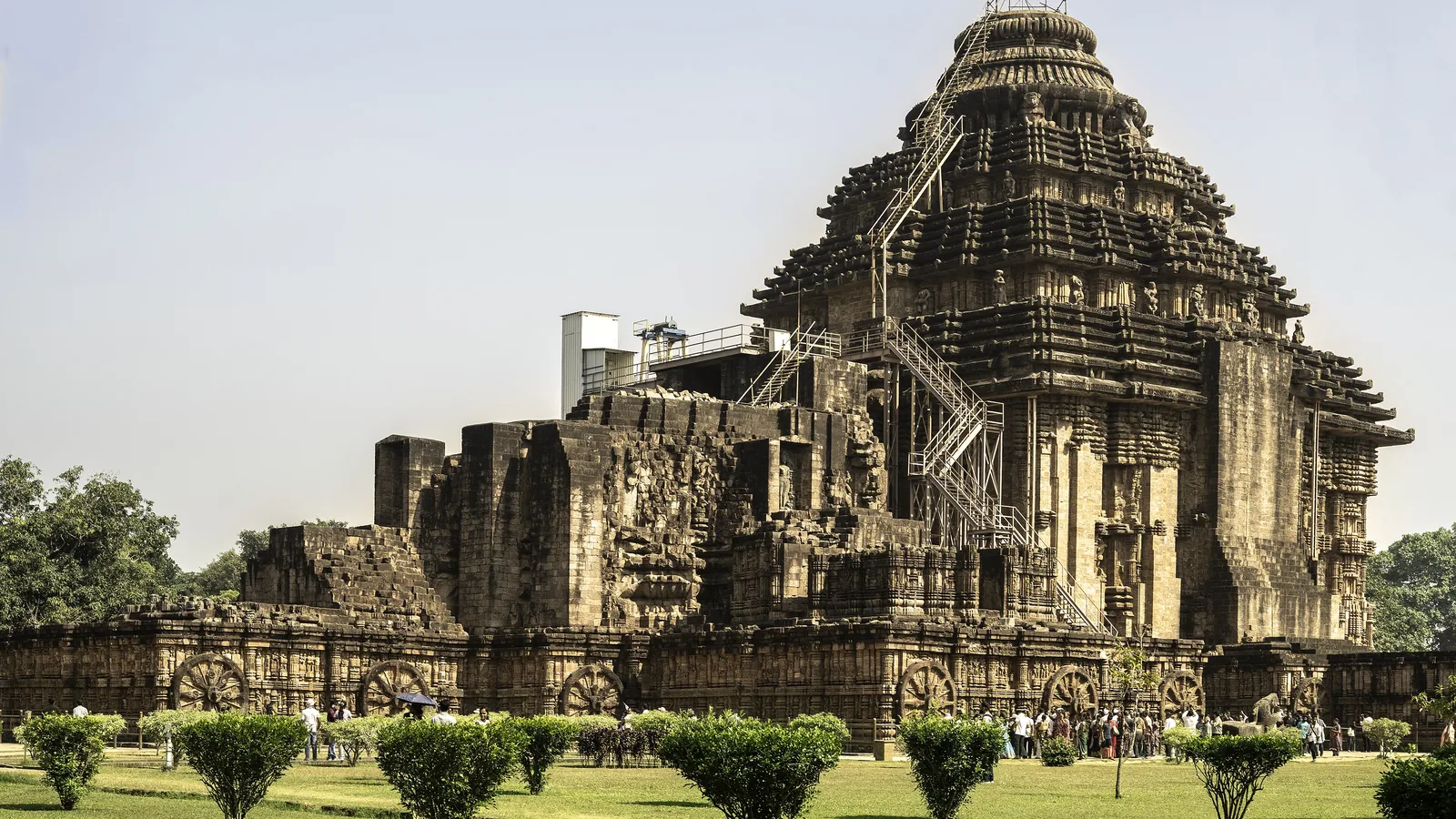
· 1250The Archaeological Survey of India calls Konark's Sun Temple a stone chariot with twelve pairs of wheels and seven horses; its hall held sand until 2022.
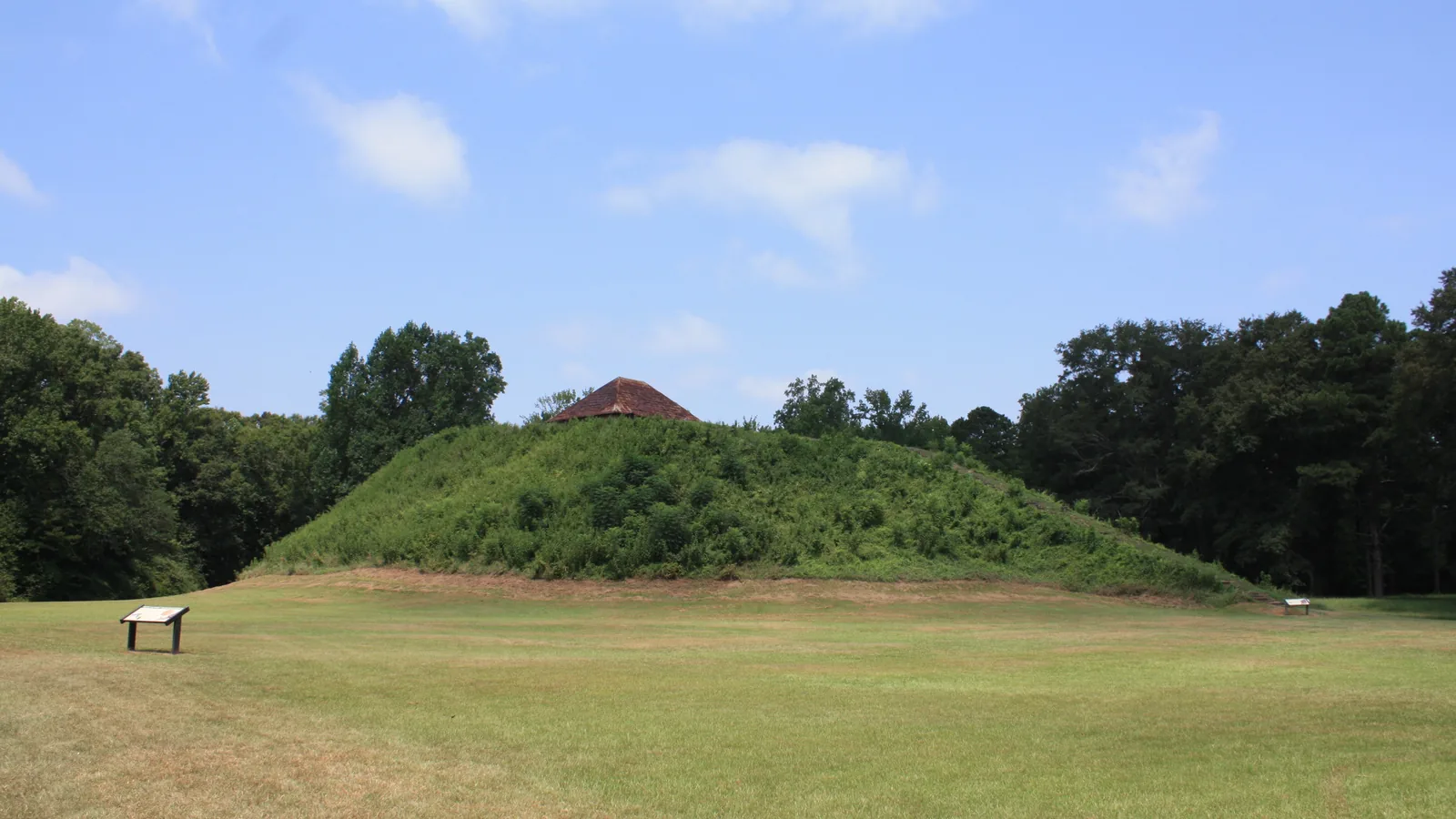
· 1250About AD 1200 Moundville, Alabama, was a palisaded town around a mound-lined plaza. After 1300 most residents left and it became a burial center.
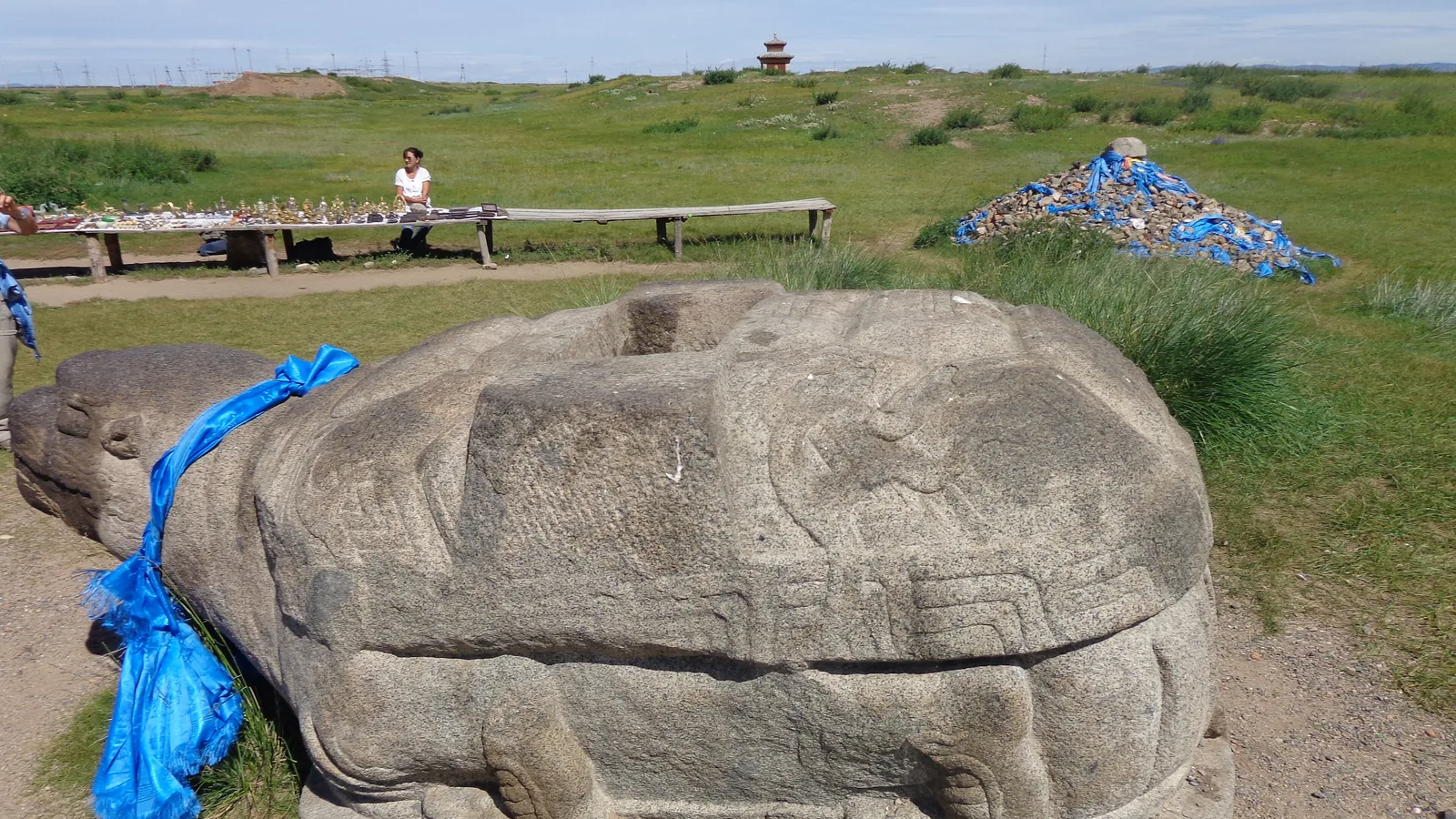
· 1250A Franciscan friar entered the Mongol capital on May 7, 1254, sized it against a village near Paris, and described a silver fountain and Mongke's creed.
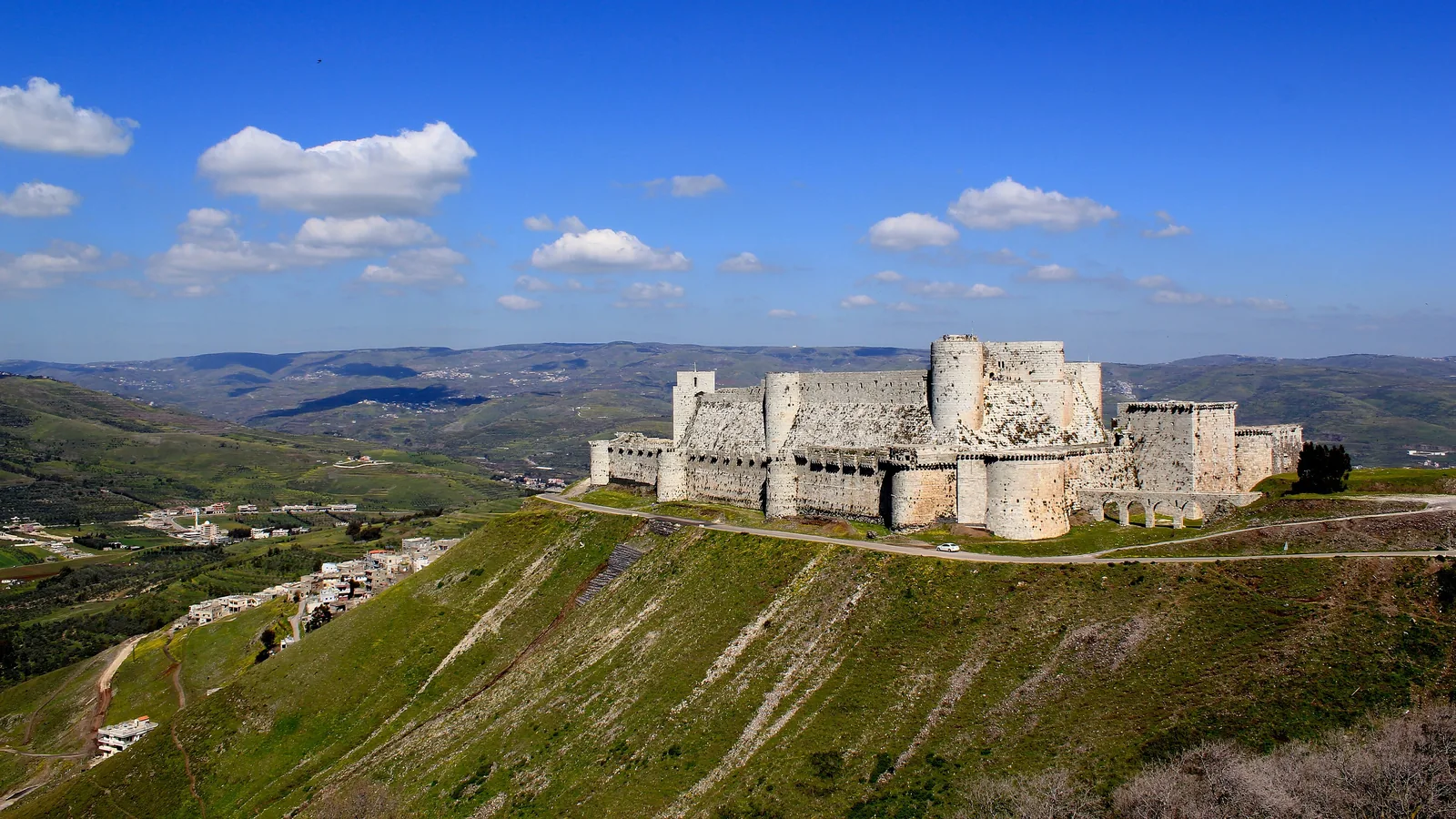
· 1254In 1142 the Count of Tripoli gave Hisn al-Akrad to the Hospitallers. In 1271 Sultan Baybars took its keep with a forged surrender letter, Ibn al-Furat records.
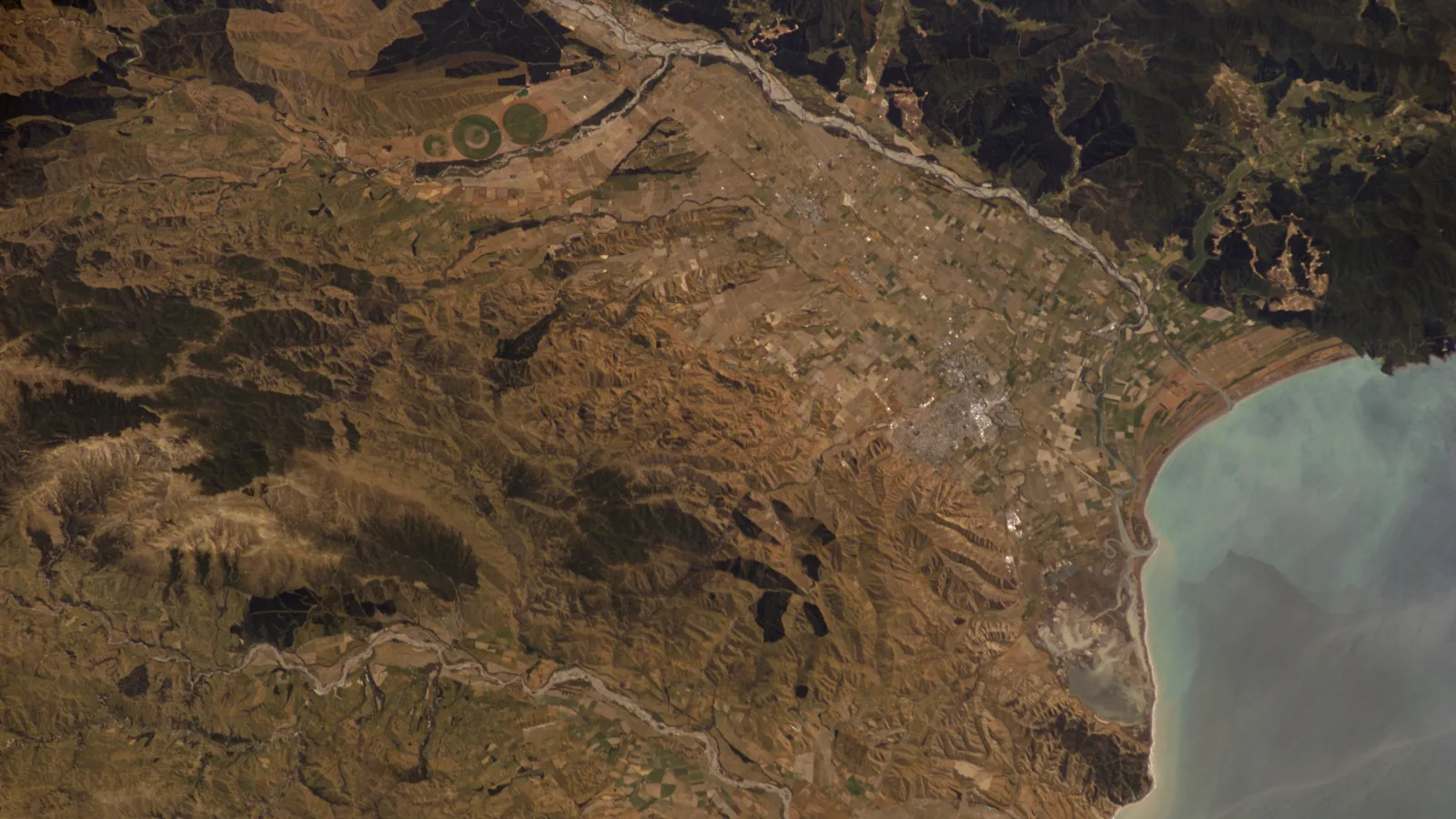
· 1271In 1939 Jim Eyles, 13, found a burial site at Wairau Bar with moa eggs and tools. Radiocarbon dates the graves to the 1200s-1300s; 42 koiwi came home in 2009.
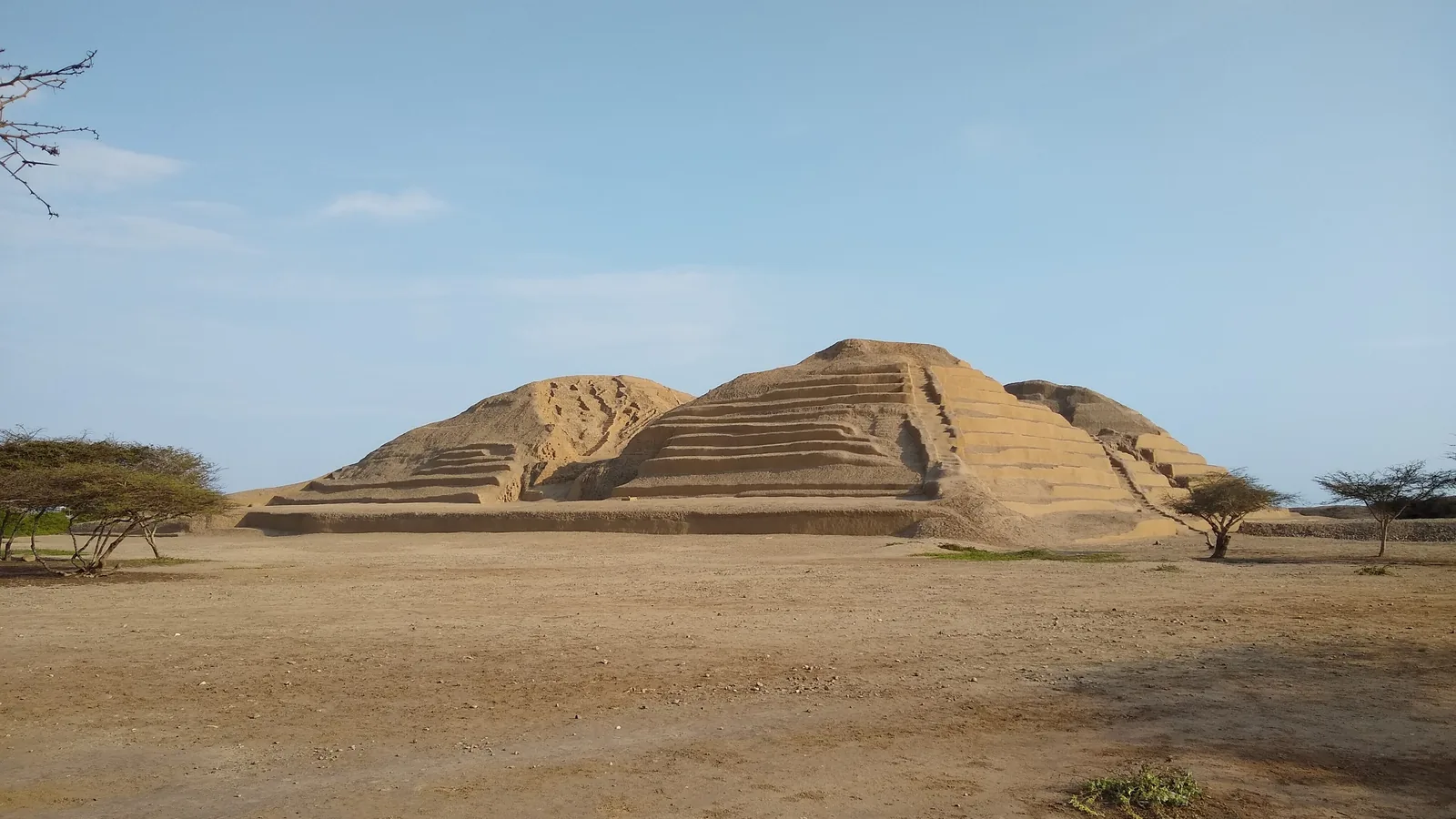
· 1300Peru's Ministry of Culture called Chan Chan a masterpiece of pre-Columbian design in 2016, the year Huaca Toledo was excavated and rain closed the site.
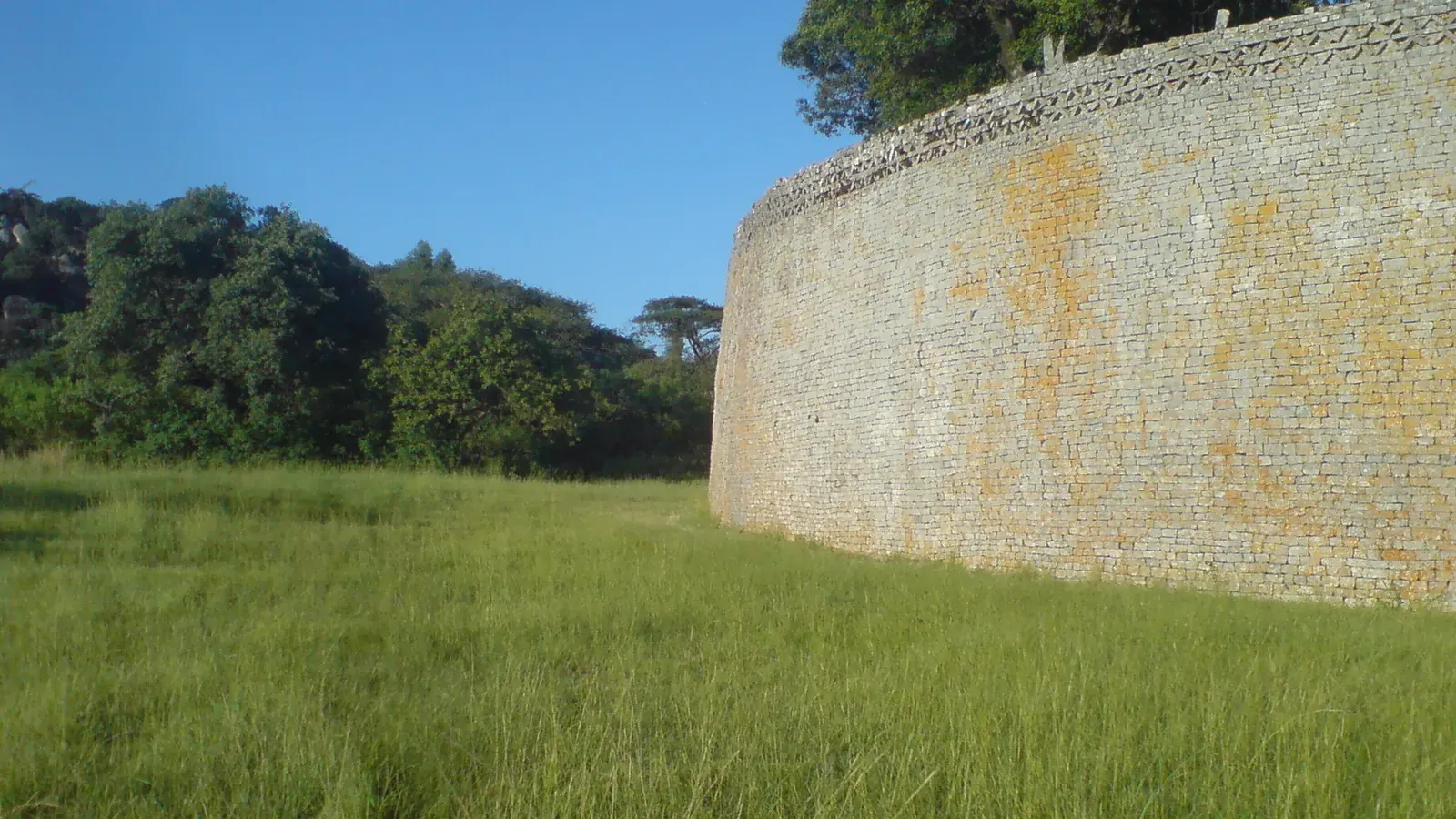
· 1300Ancestors of the Shona built Great Zimbabwe between about 1100 and 1450, a city that lived on cattle, grain and gold. Rhodesia censored the finding until 1980.
· 1300