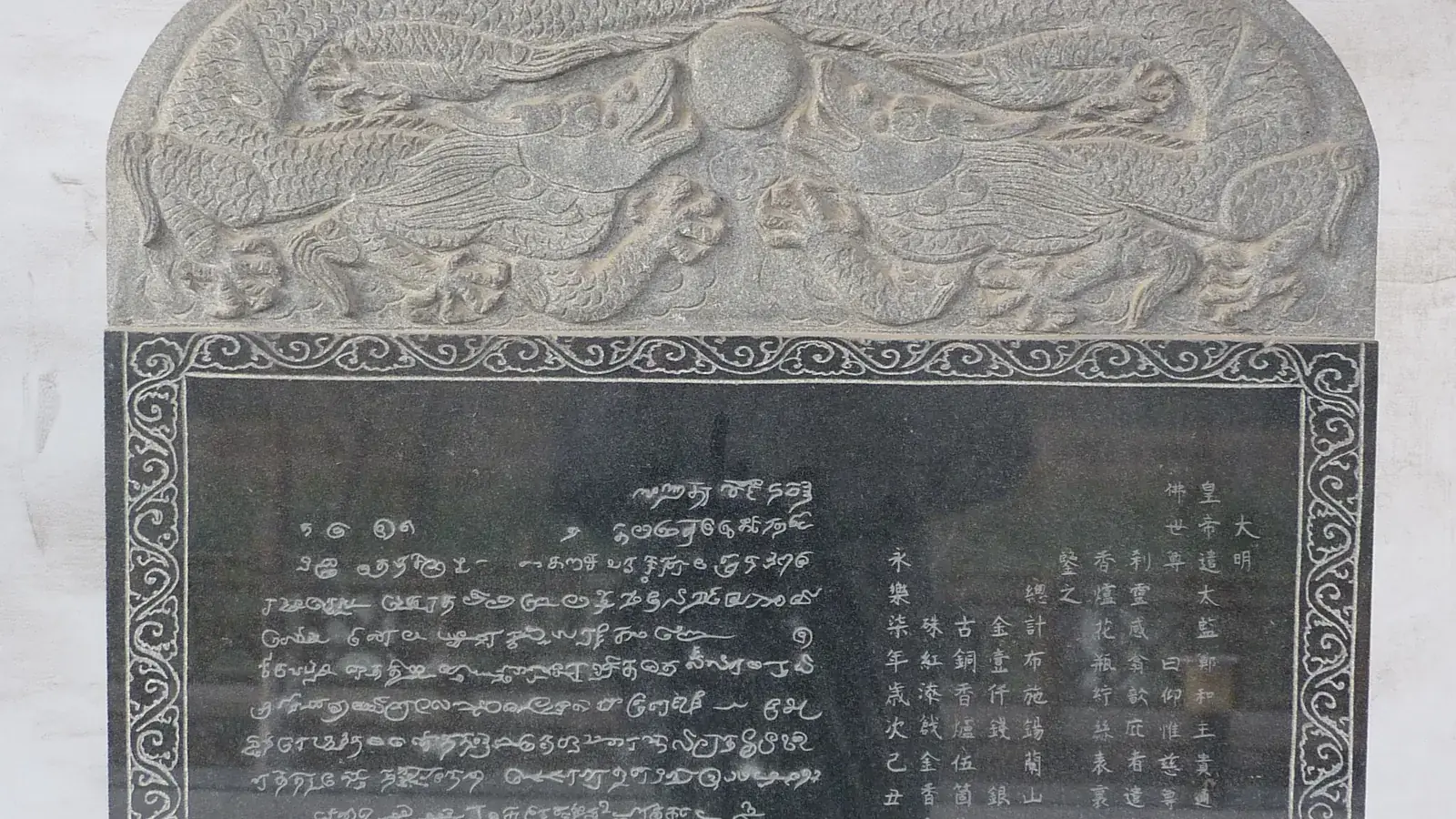
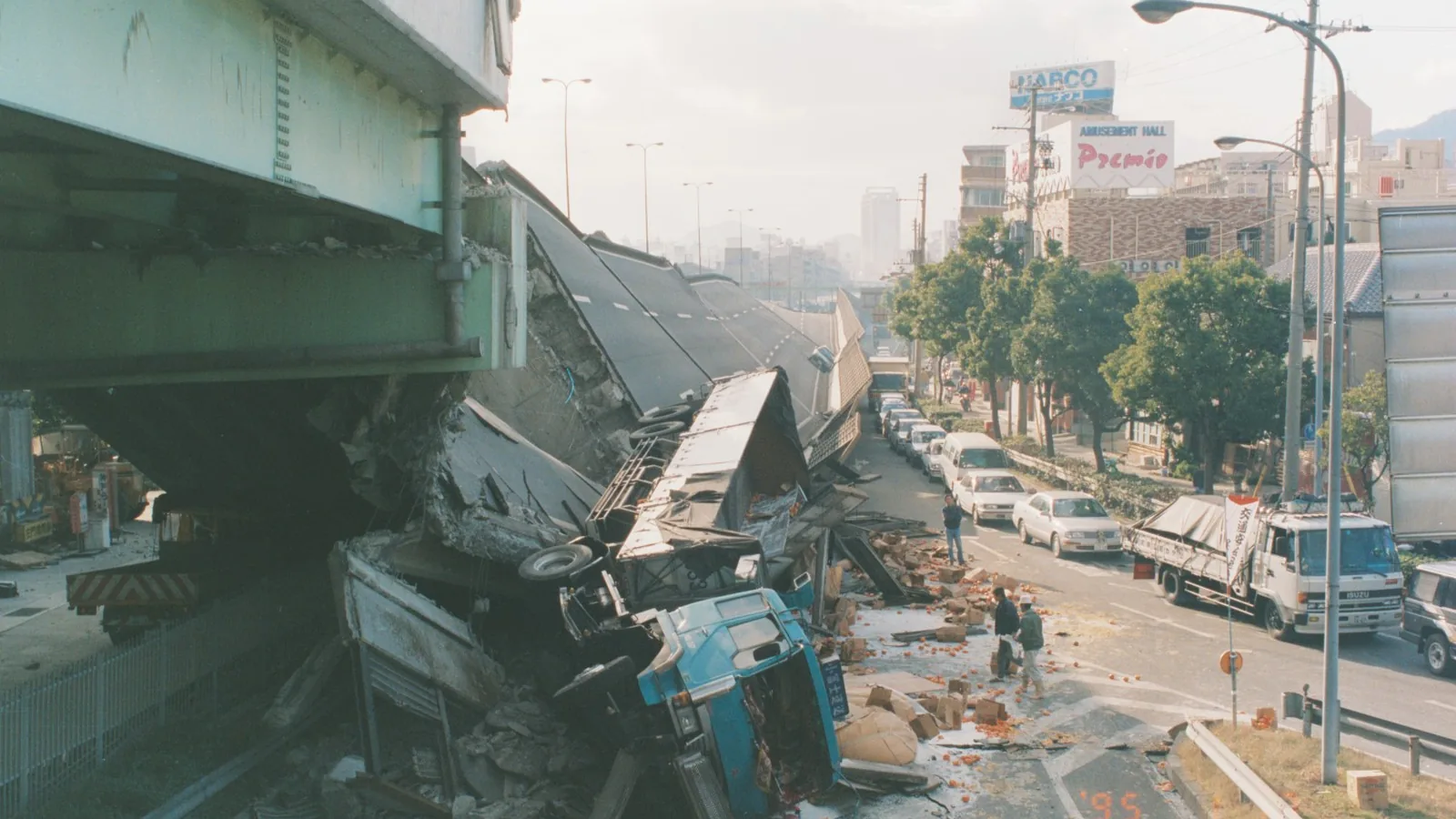
The Jikji colophon of 1377 and a Paris copy shelved as Coréen 109
A one-line colophon dates the Jikji's metal-type printing to 1377 at Heungdeoksa in Cheongju. Its only surviving volume is at the BnF in Paris.
· 1377China's dynasties, the steppe empires and the states of Korea and Japan built one of the world's densest political histories. These articles cover the unification of Qin, the Han and their neighbours, and the Mongol conquests that tied East Asia to the rest of Eurasia.
A one-line colophon dates the Jikji's metal-type printing to 1377 at Heungdeoksa in Cheongju. Its only surviving volume is at the BnF in Paris.
· 1377From 1405 to 1433 the Yongle emperor's eunuch admiral led seven fleets from China to East Africa. Why they ended is argued: cost, Mongols, court politics.
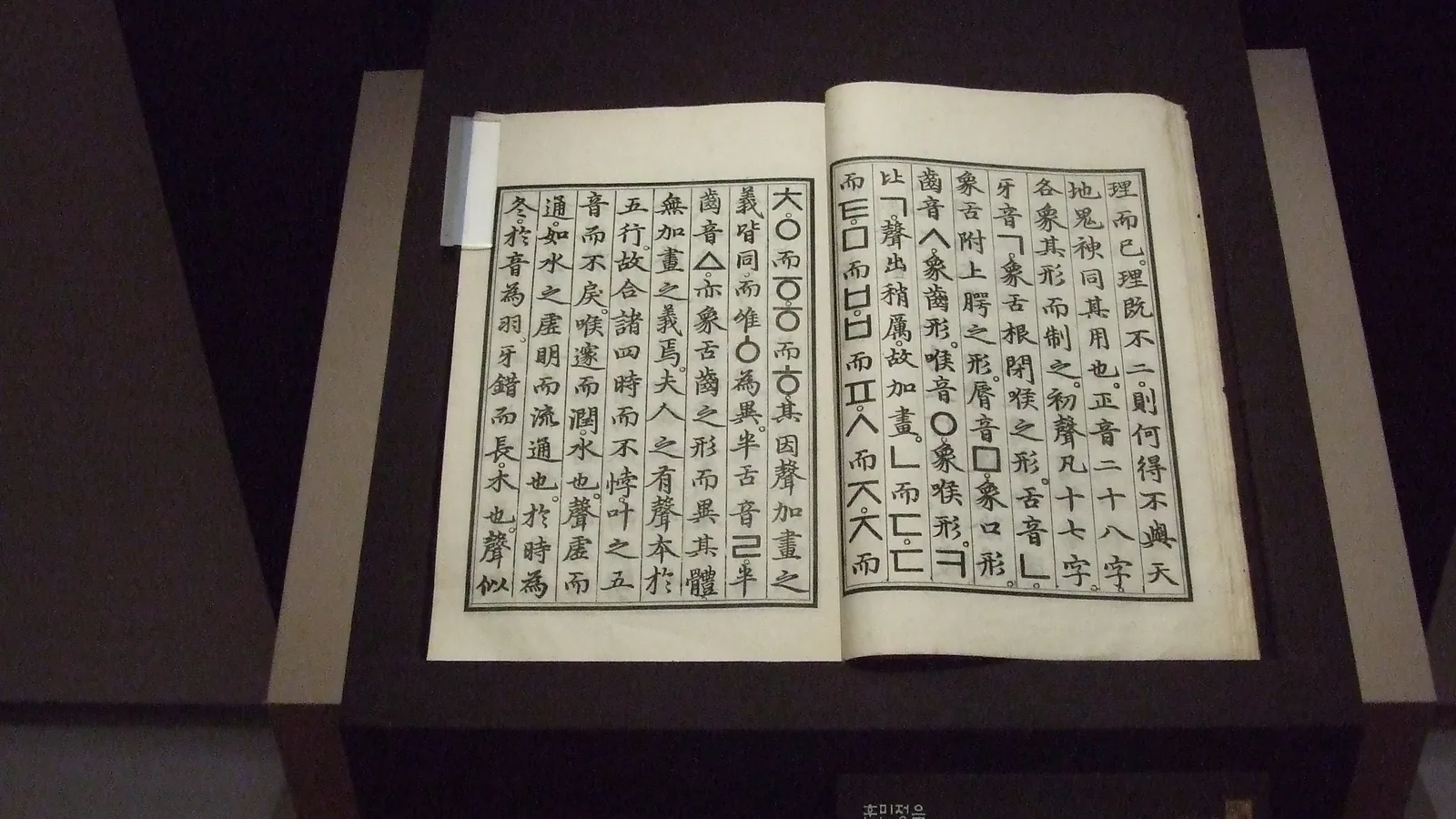
· 1405The Sejong Sillok records 28 new letters in 1443 and a finished Hunminjeongeum in 1446, with Choe Malli's 1444 memorial of protest between them.
· 1446The Seonjo sillok records 63 Japanese ships burned at Hansan Island; the Korean History Chronology counts 59 lost and 14 escaping. Both are given here.
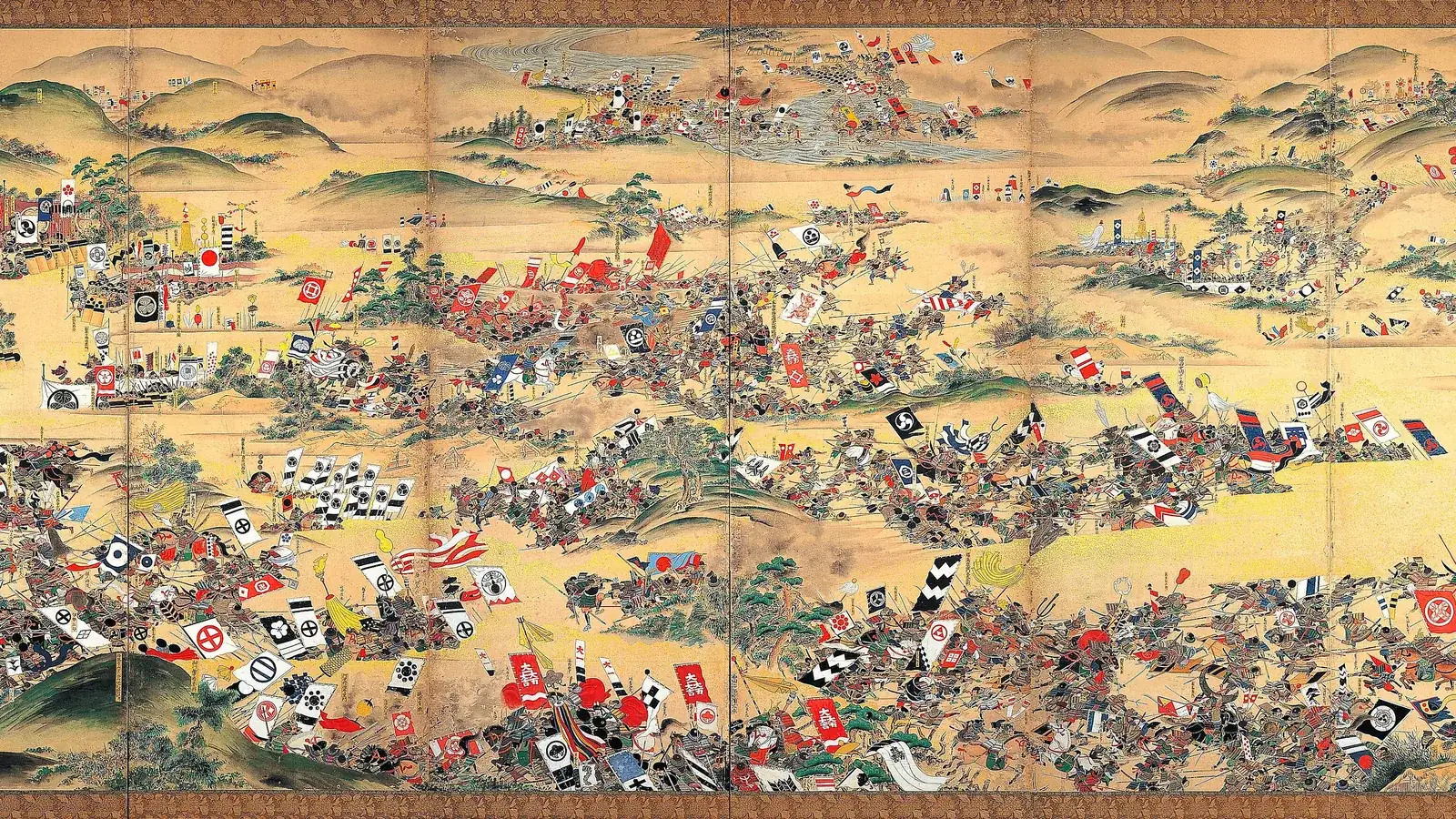
· 1592Tokugawa Ieyasu broke Ishida Mitsunari's western army in a few foggy hours on October 21, 1600, redistributed a third of Japan and became shogun in 1603.
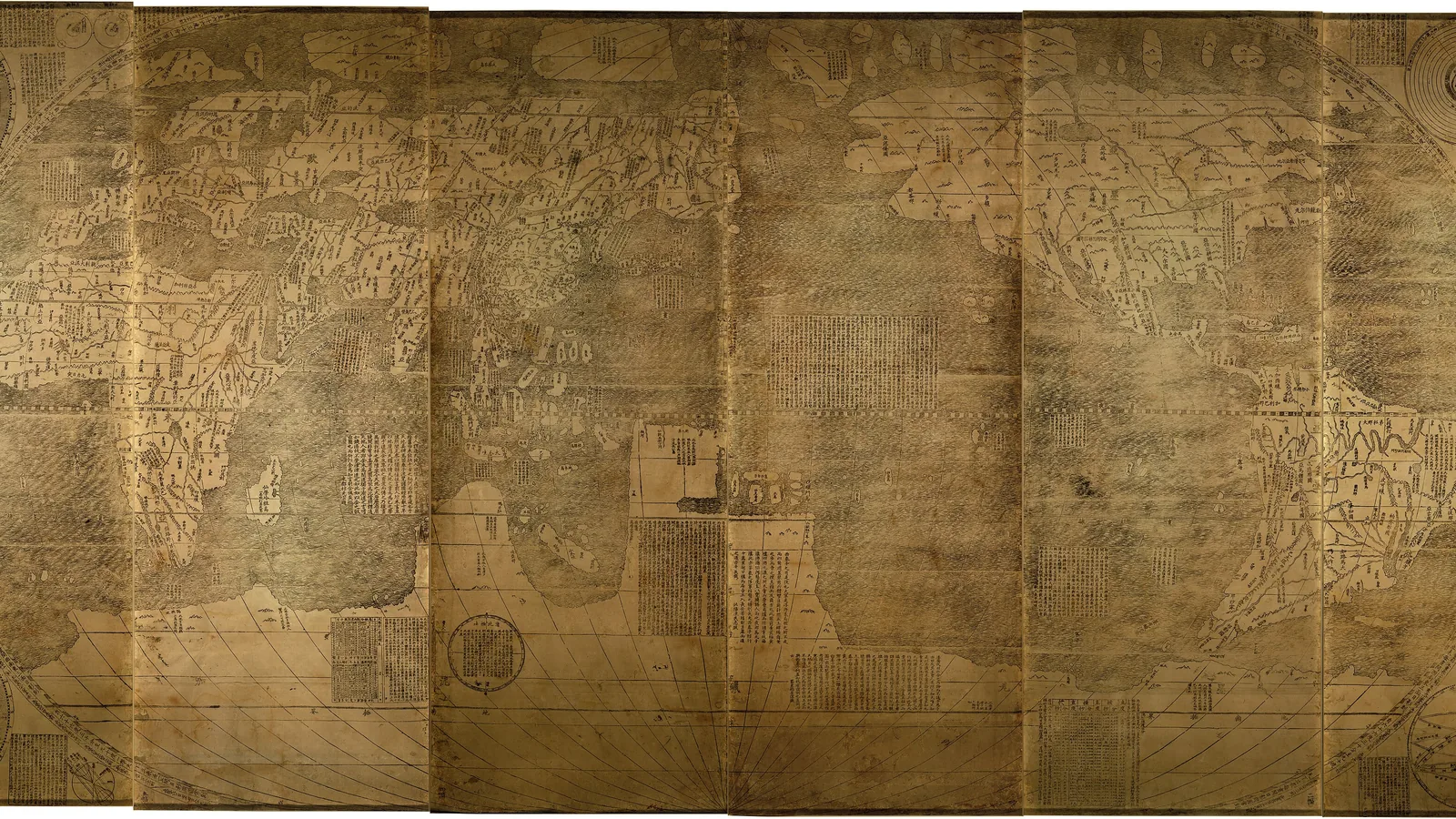
· 1600What the Ming History says Ricci offered the Wanli court in 1601, the six-panel world map of 1602, the Chinese Euclid of 1607, the grave granted in 1610.
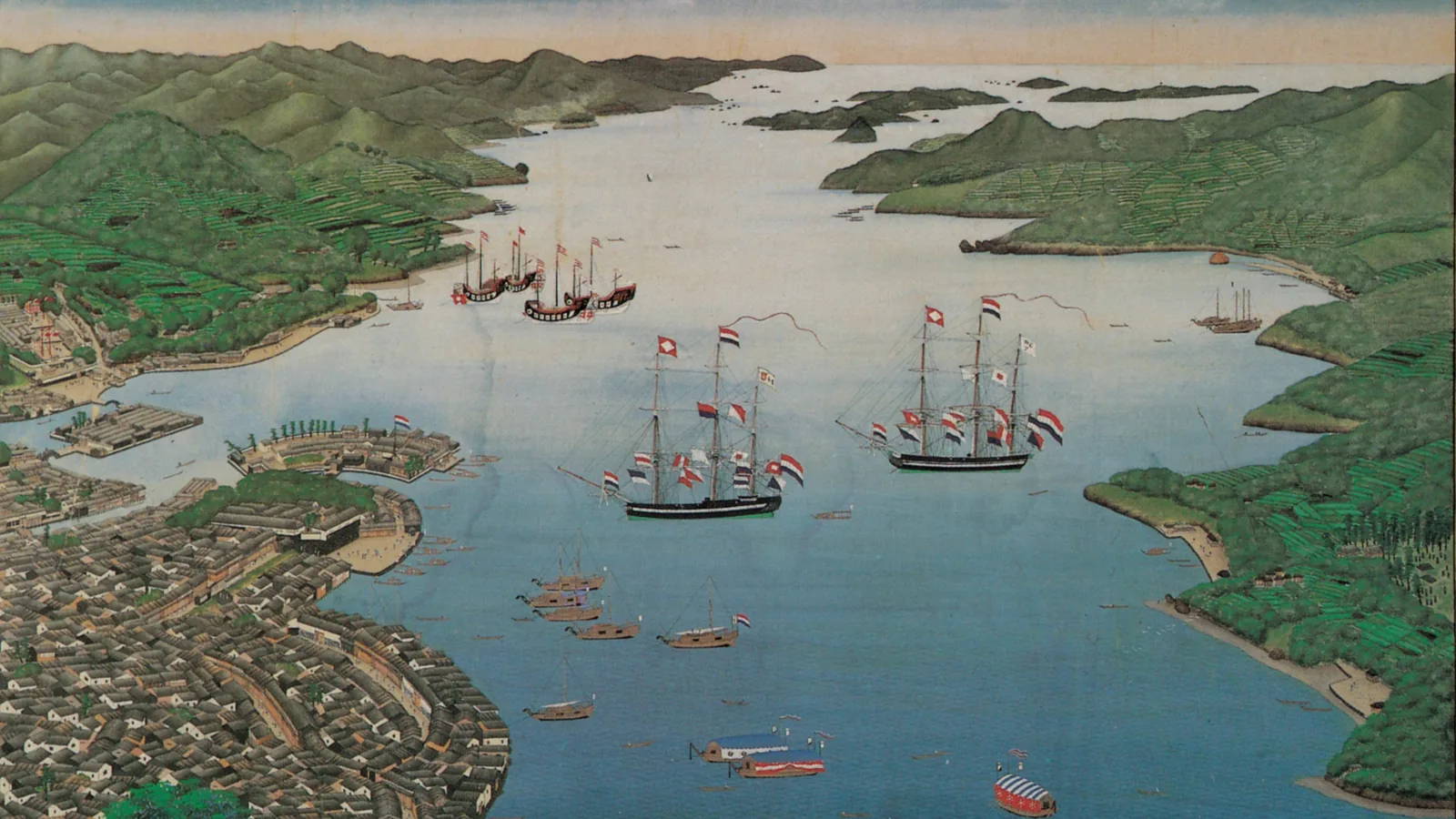
· 1601Thunberg put Dejima at about 600 feet by 120. Nagasaki merchants built it in 1634–1636 and let it to the Dutch East India Company from 1641 to 1859.
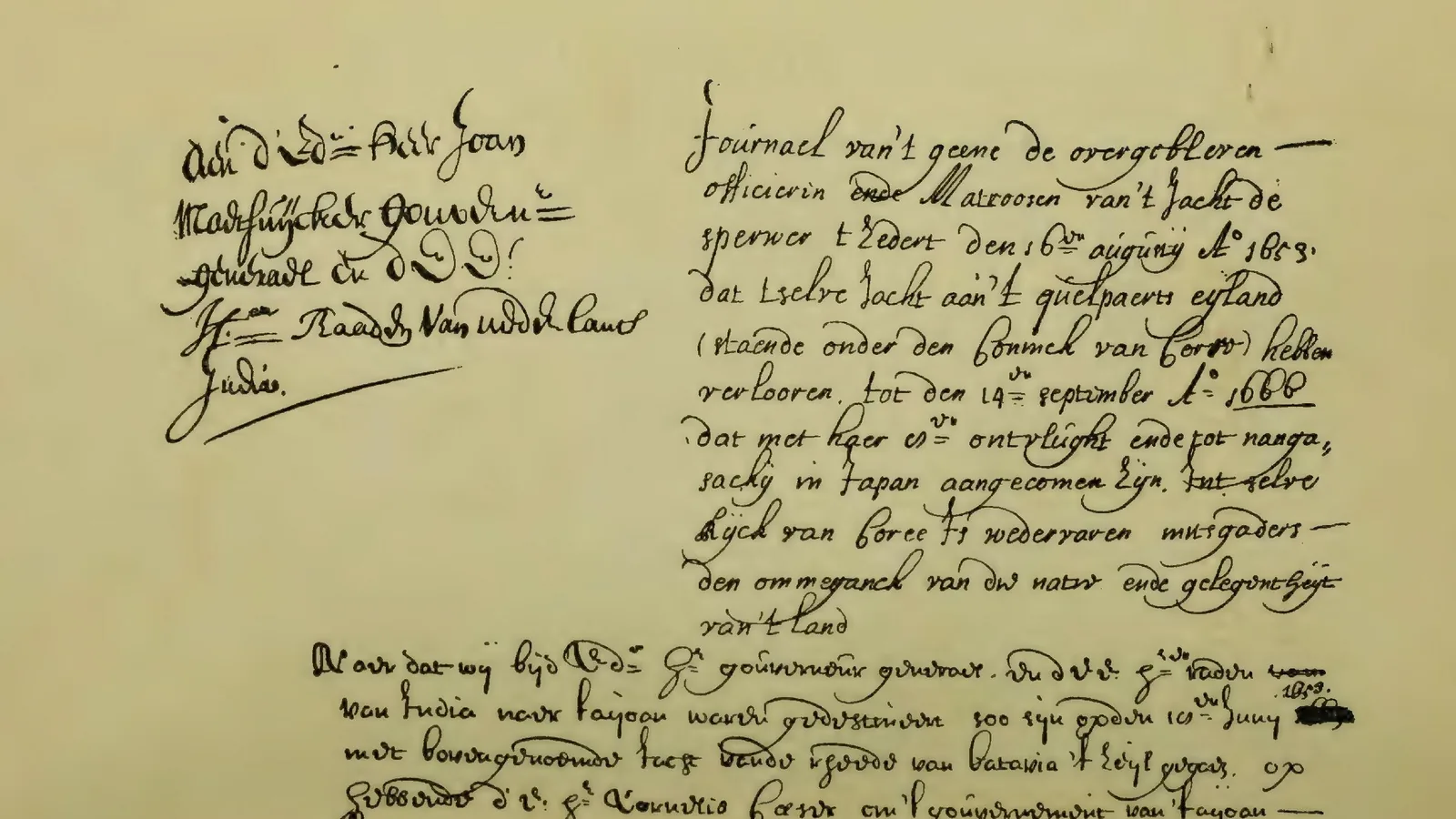
· 1641Hamel's 1668 Journael counts 36 survivors of the Sperwer's 64; the Jeju magistrate's 1653 report in the Sillok counts 38. Thirteen years; eight escaped.
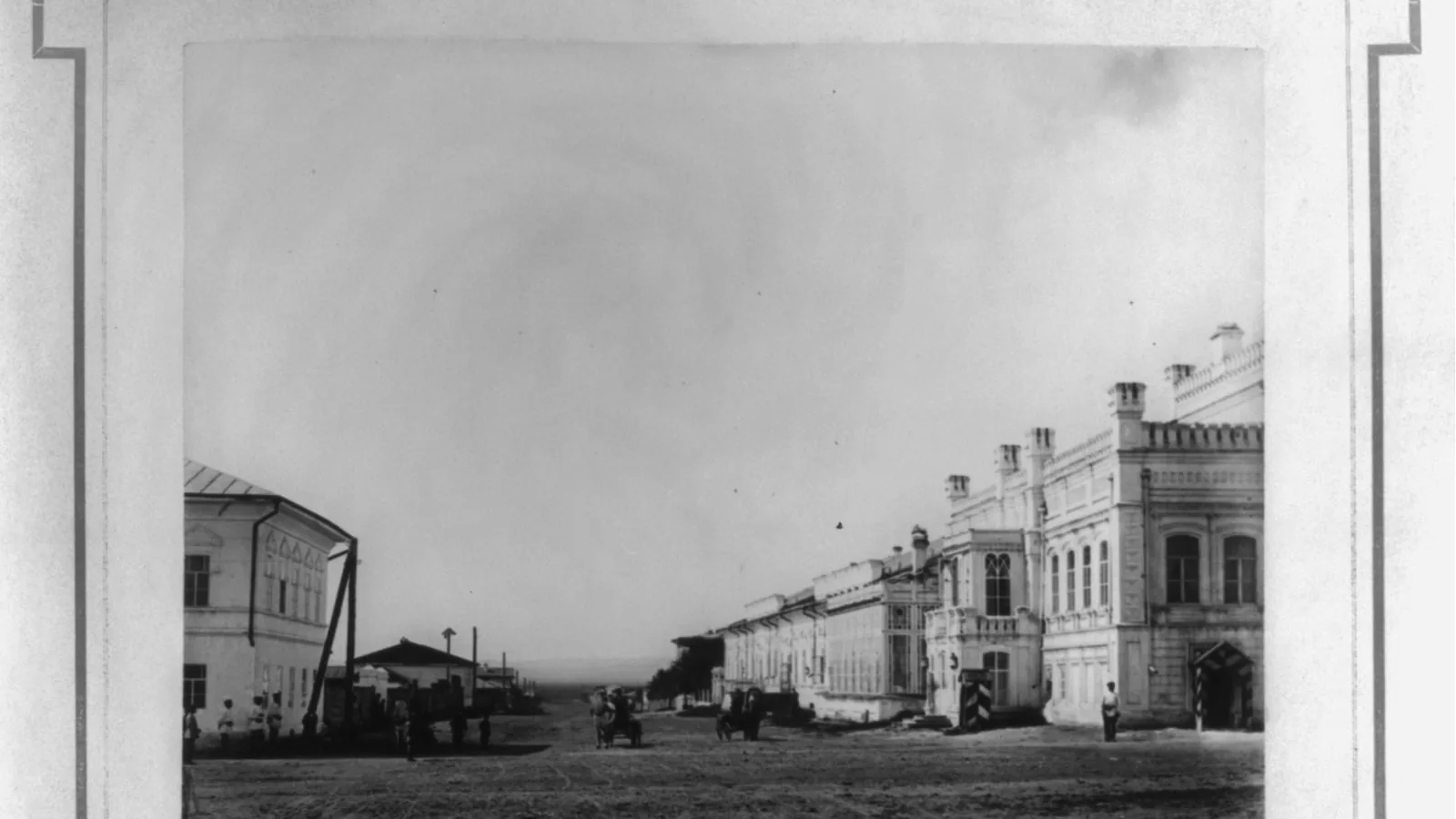
· 1653Two Jesuits, Tomás Pereira and Jean-François Gerbillon, put the 1689 Qing-Russian talks at Nerchinsk into Latin, the language both sides depended on.
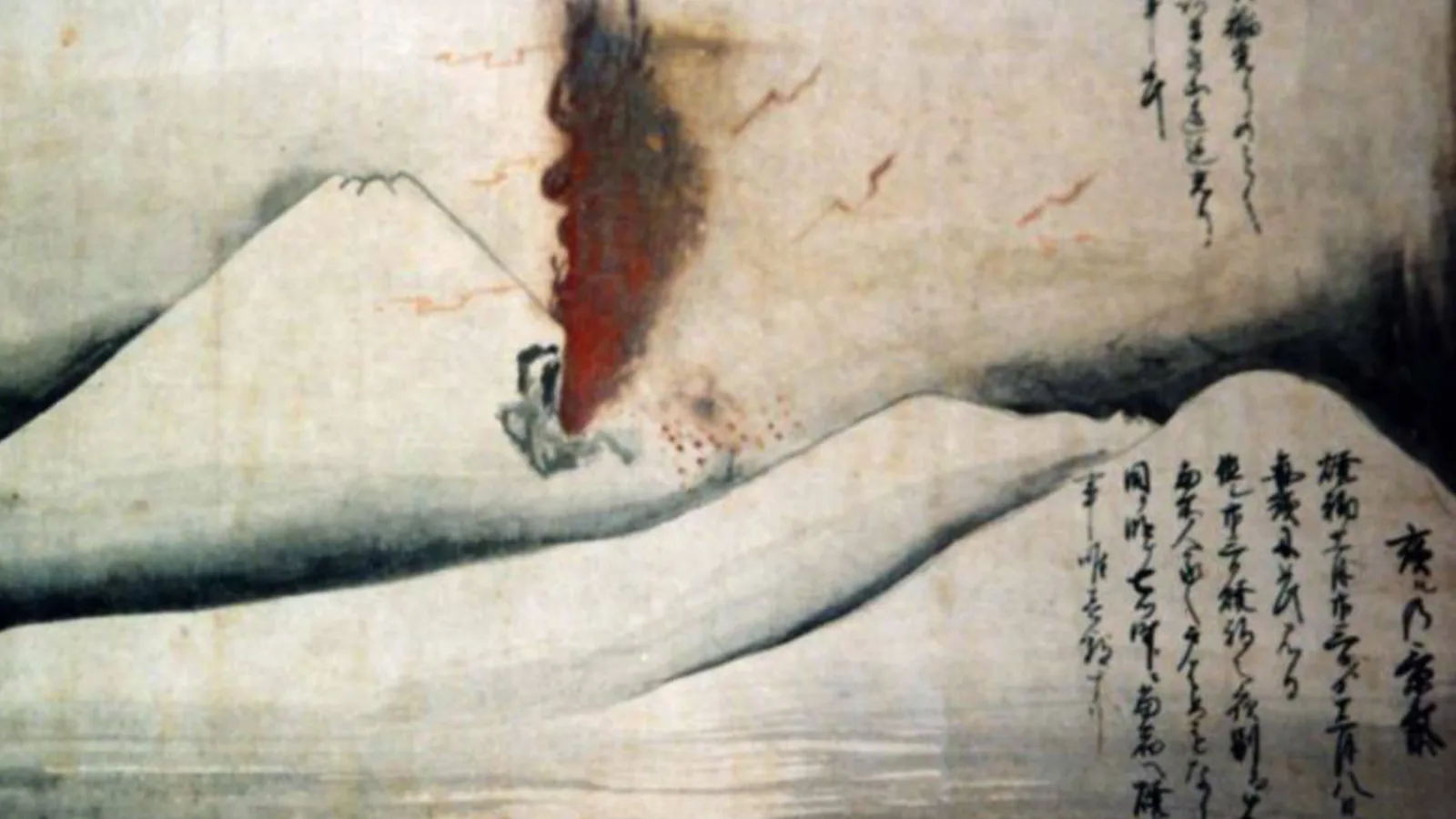
· 1689Mount Fuji erupted from a new southeast vent on December 16, 1707, for 16 days. Ash buried Subashiri and fell on Edo; a levy and floods followed.
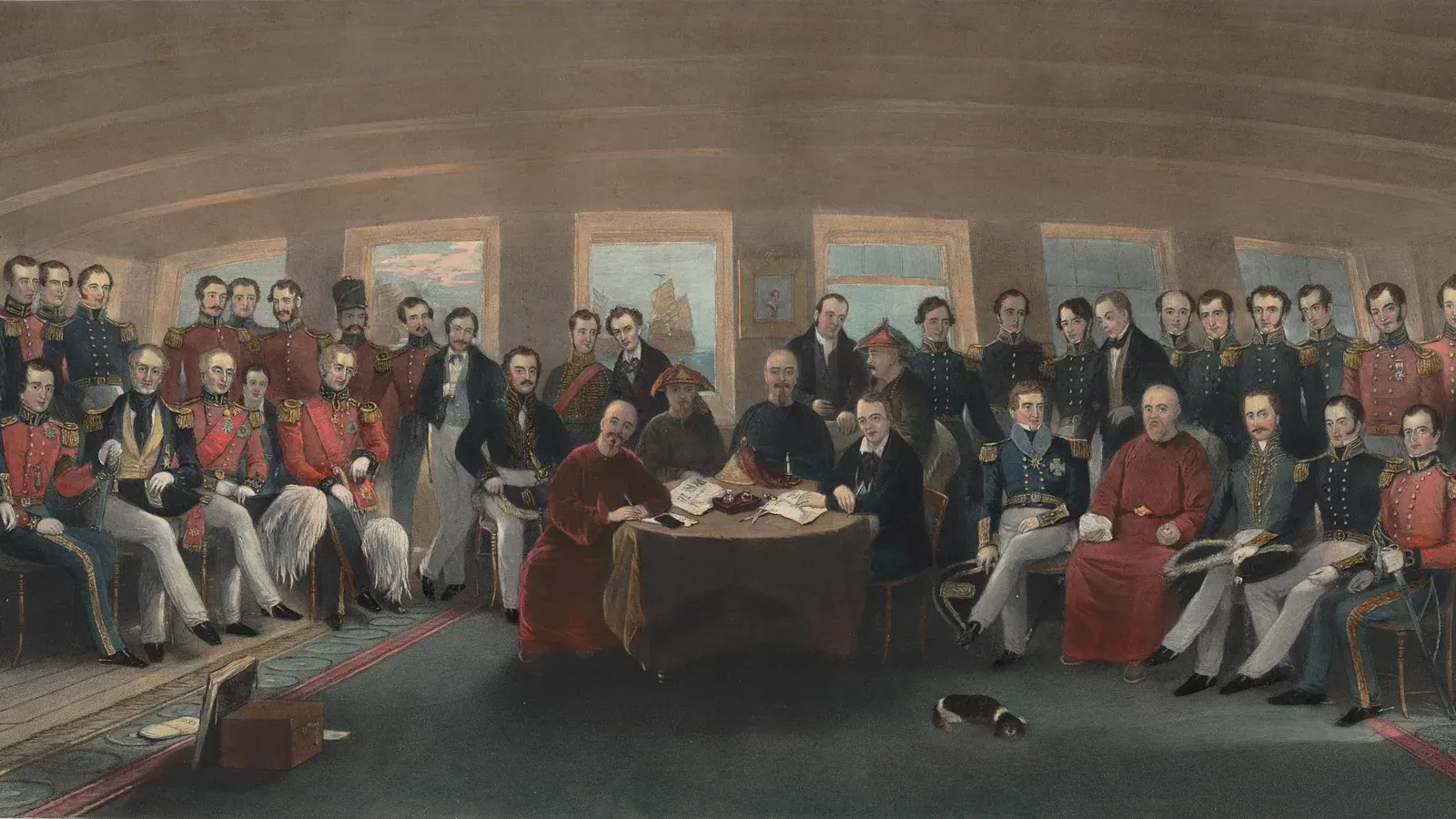
· 1707Britain fought China from 1840 to 1842 after Lin Zexu destroyed British opium at Canton. The Treaty of Nanjing opened five ports and ceded Hong Kong.
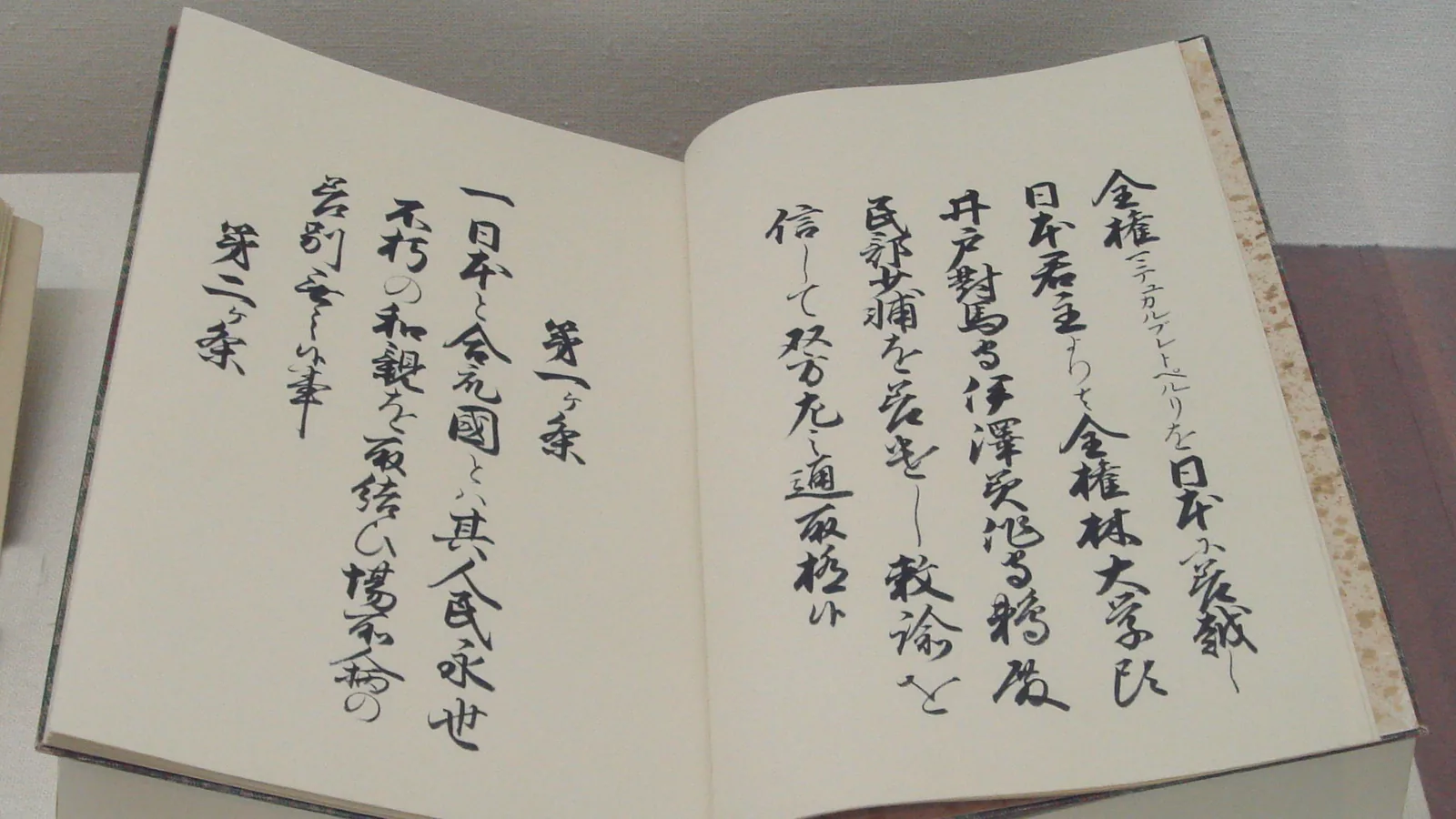
· 1840The English text of Perry's 1854 treaty ends with "Done at Kanagawa" and one signature. Two ports, shipwrecked sailors, a toy railroad, 200 rice bundles.
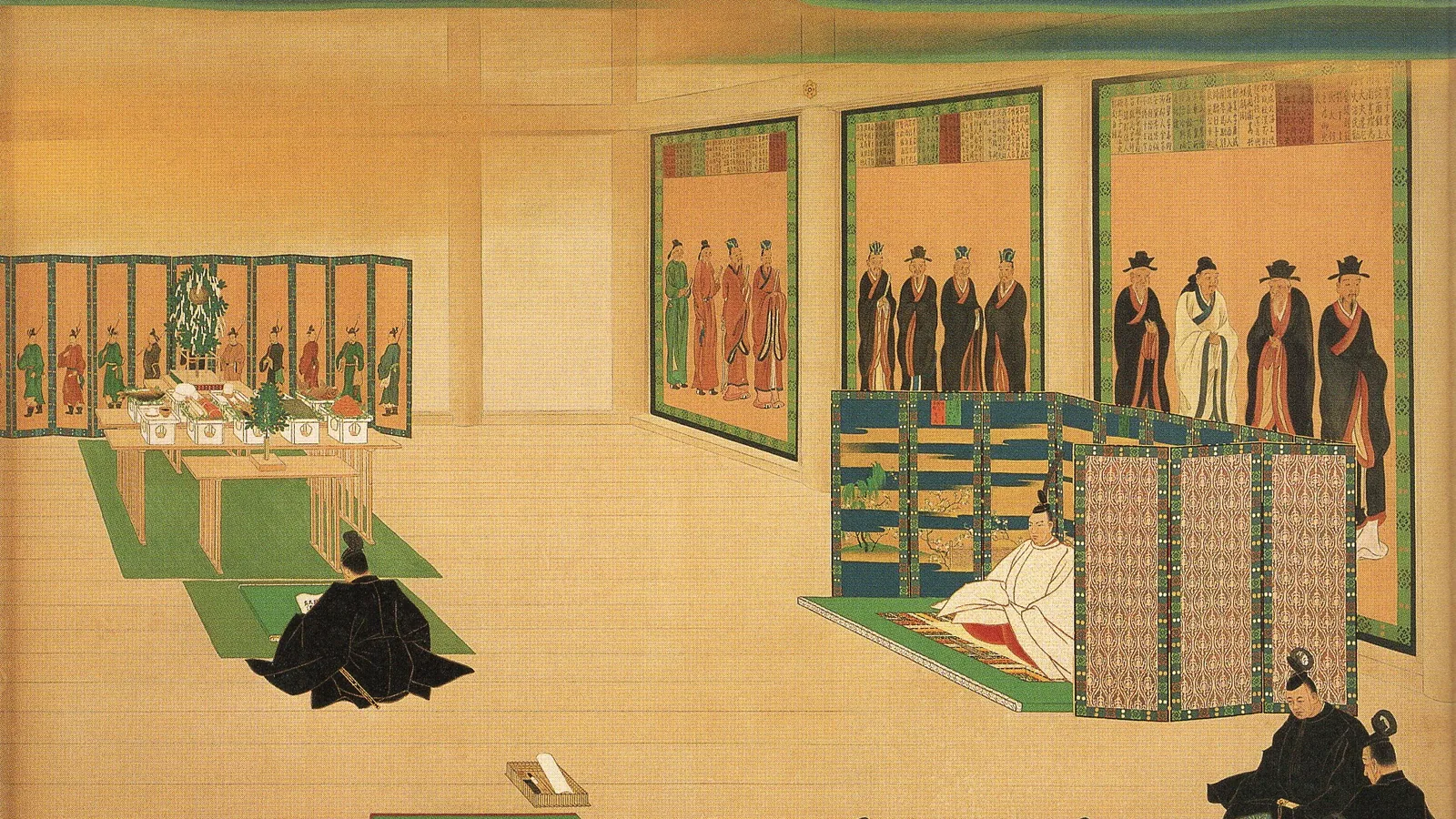
· 1854The oath sworn in the Meiji emperor's name in April 1868, its five clauses, and the 22 years from Fushimi to the first Imperial Diet of 1890.
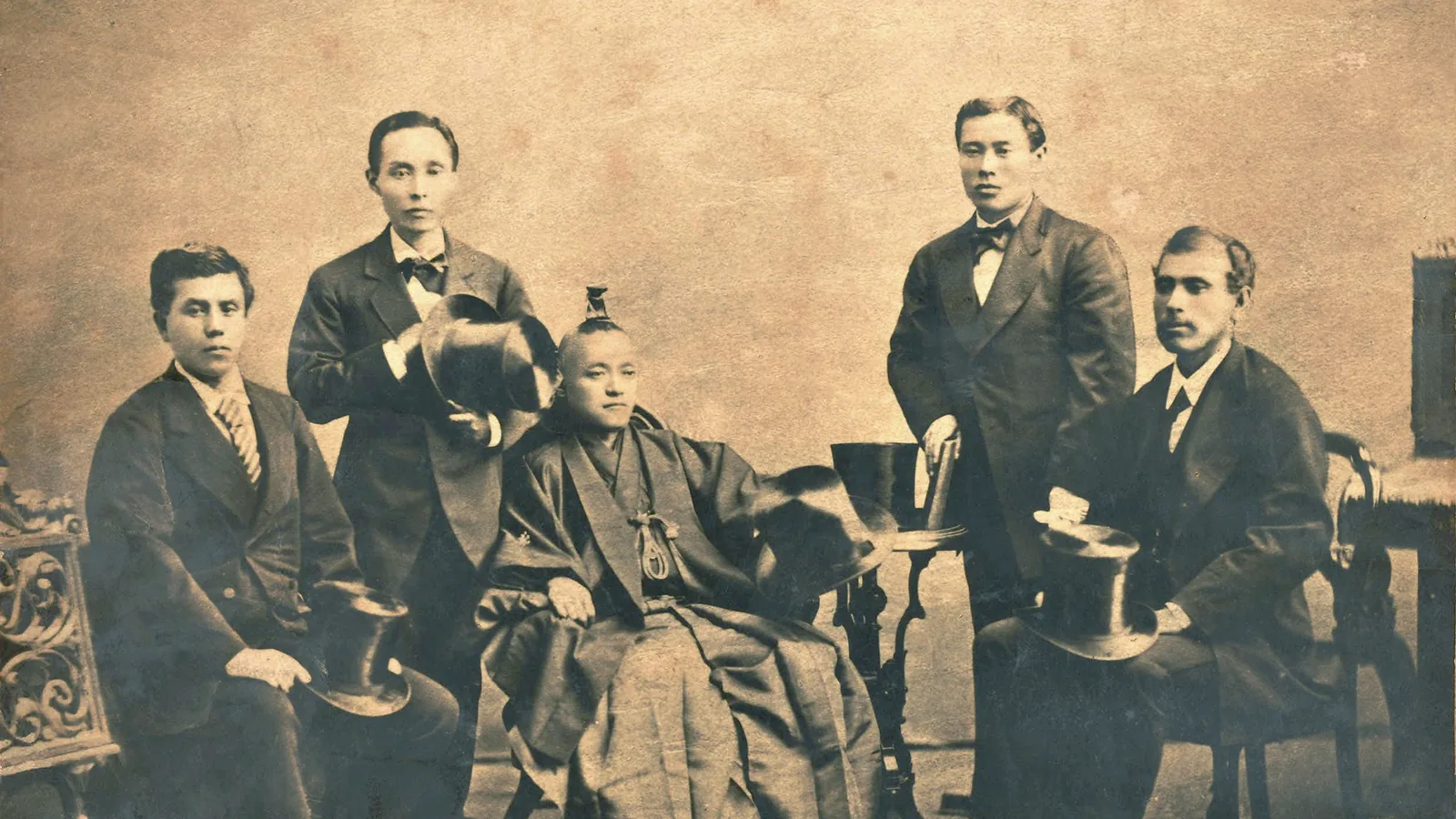
· 1868Kume Kunitake published the Iwakura Mission's official record in 1878; the National Diet Library gives the mission's 1871 departure and aims.
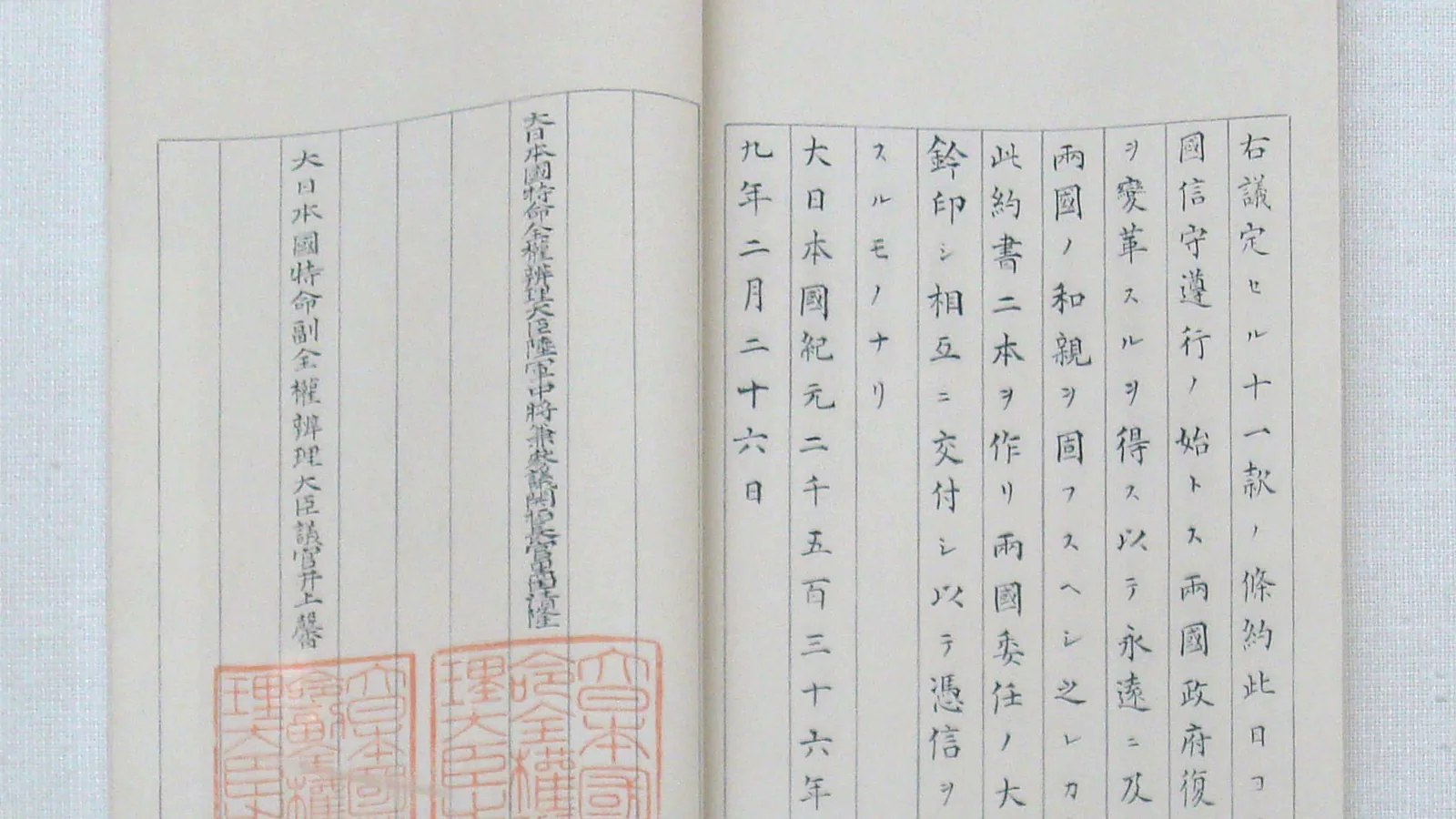
· 1871Article 1 of the treaty signed at Ganghwa on February 26, 1876 called Joseon an autonomous state. The Gojong Sillok prints all twelve articles.
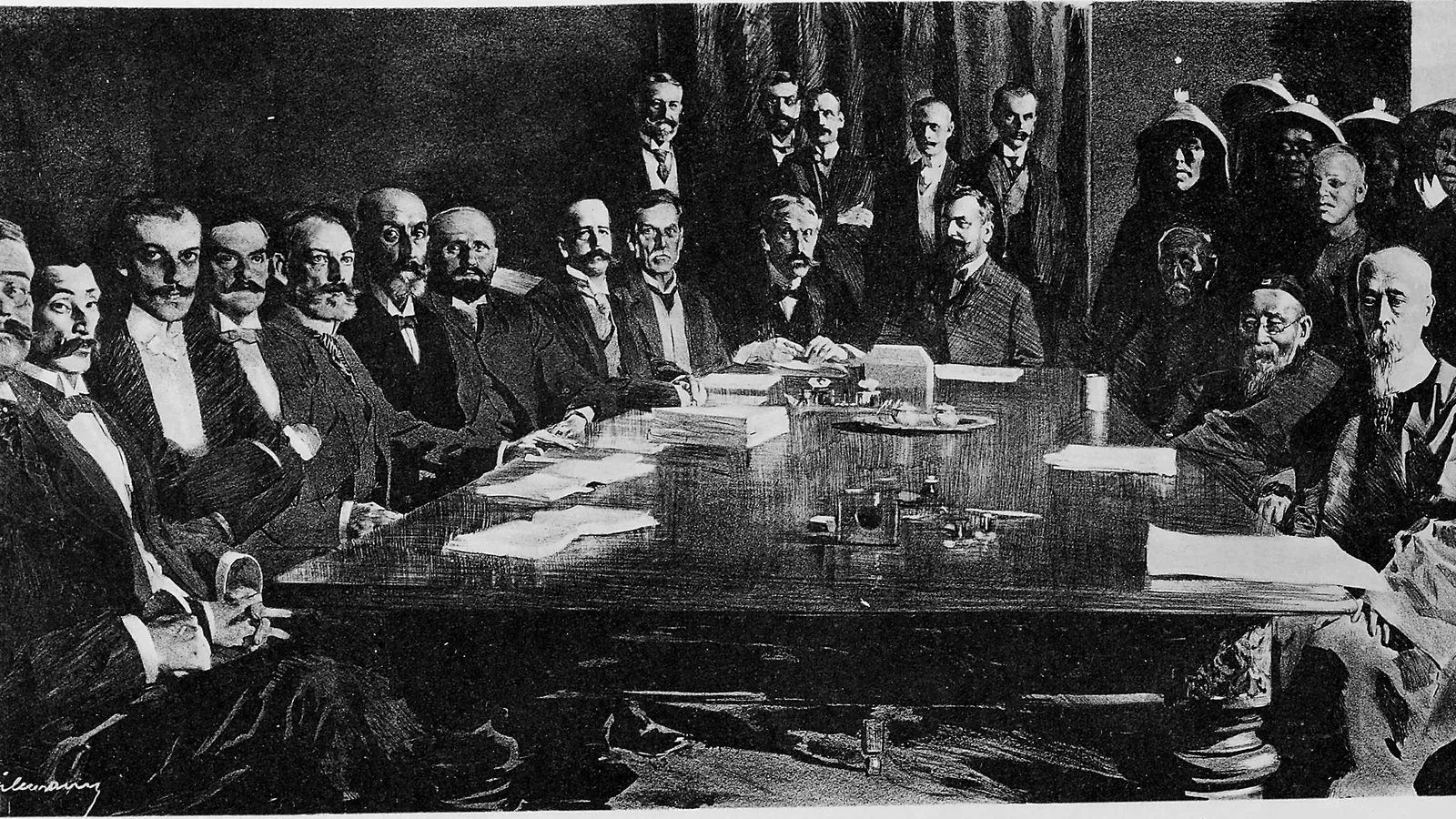
· 1876Signed at Peking on September 7, 1901 by China and eleven powers, the Boxer Protocol set an indemnity of 450 million taels at 4 percent over 39 years.
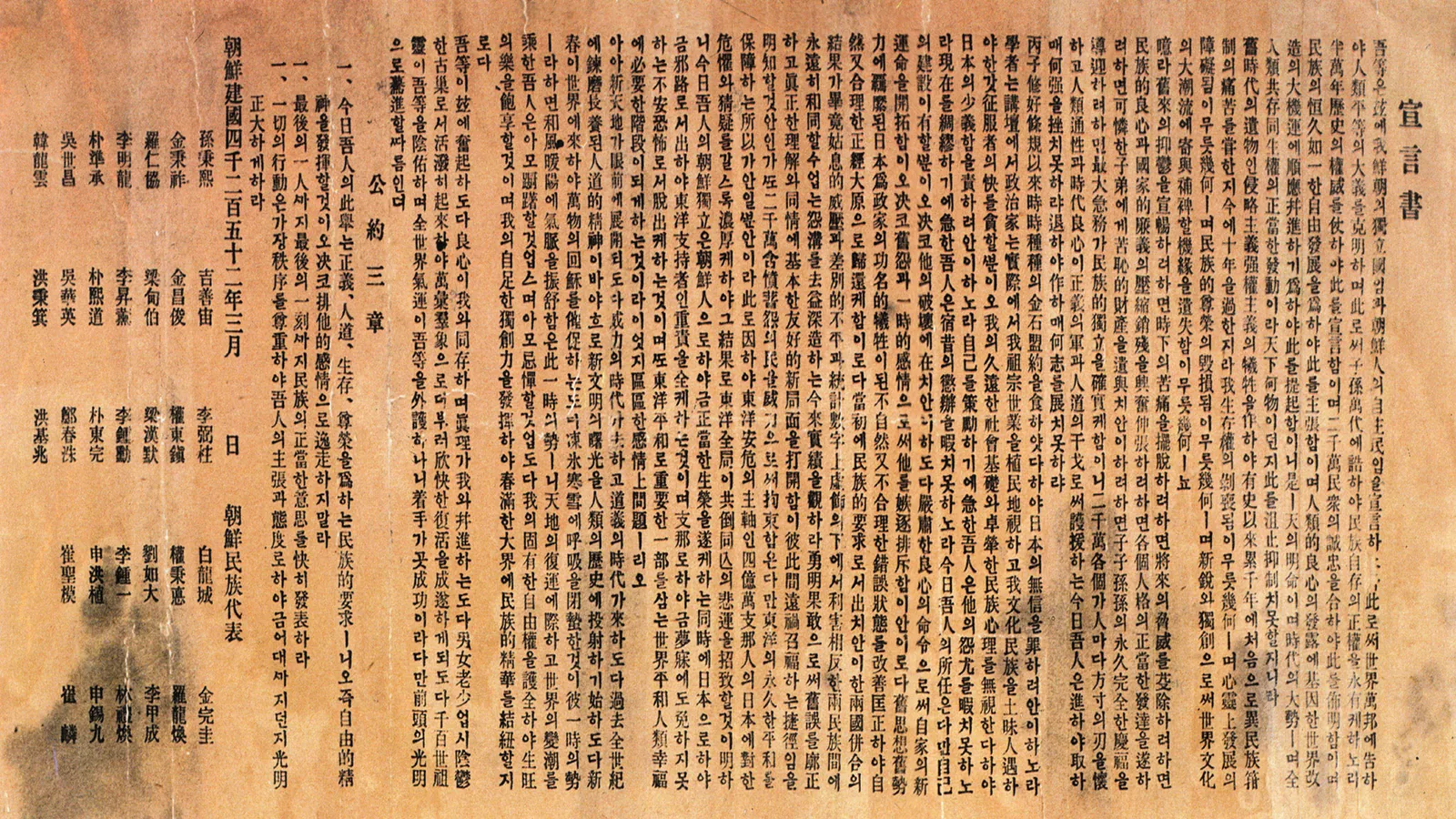
· 1901On March 1, 1919, 33 Korean leaders read a declaration of independence at the Taehwagwan and surrendered; students marched from Tapgol Park and Korea rose.
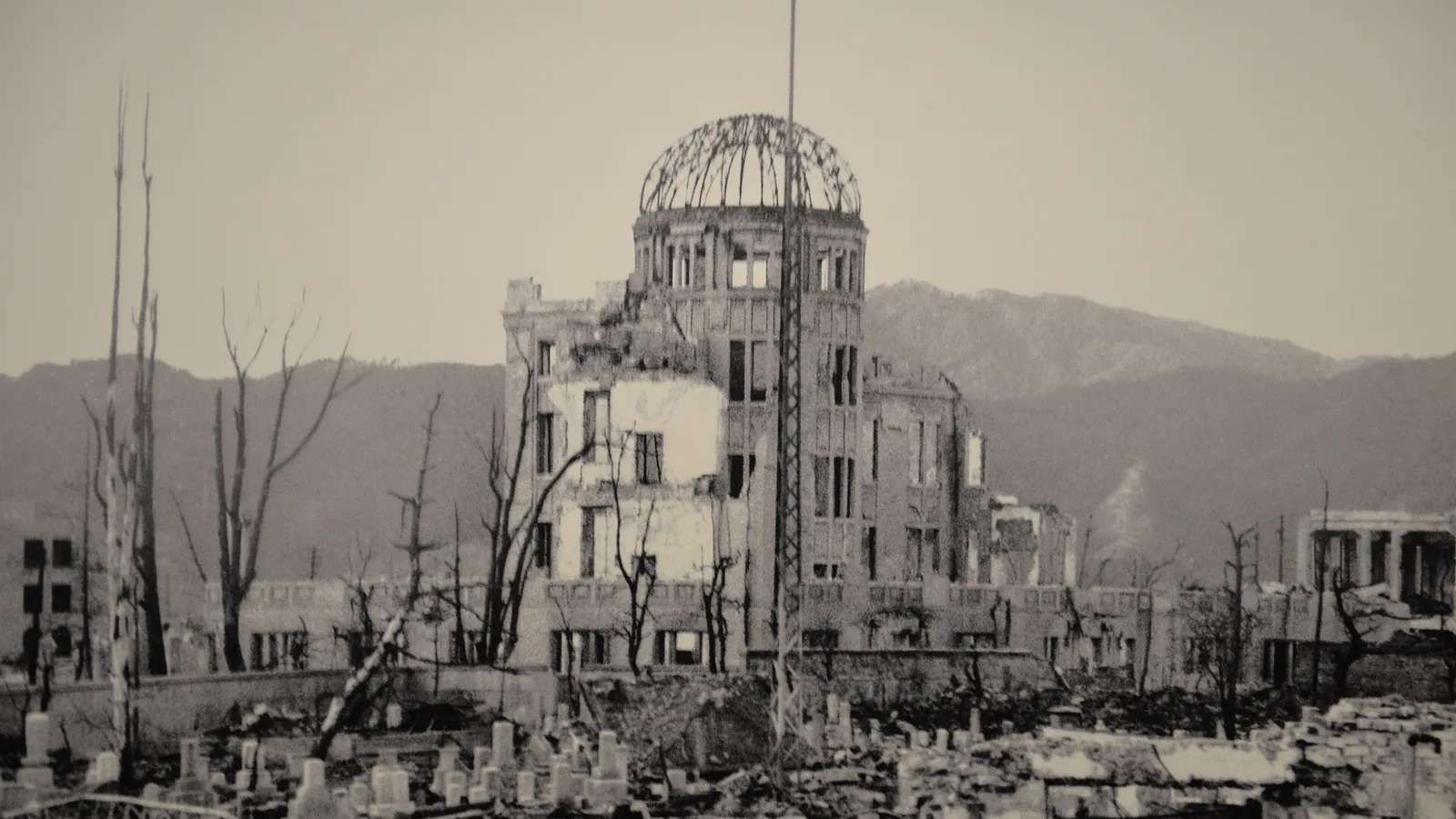
· 1919The Enola Gay released Little Boy at 8:15:15 on August 6, 1945. The US Strategic Bombing Survey counted 70,000 dead; the City of Hiroshima counts 237,000.
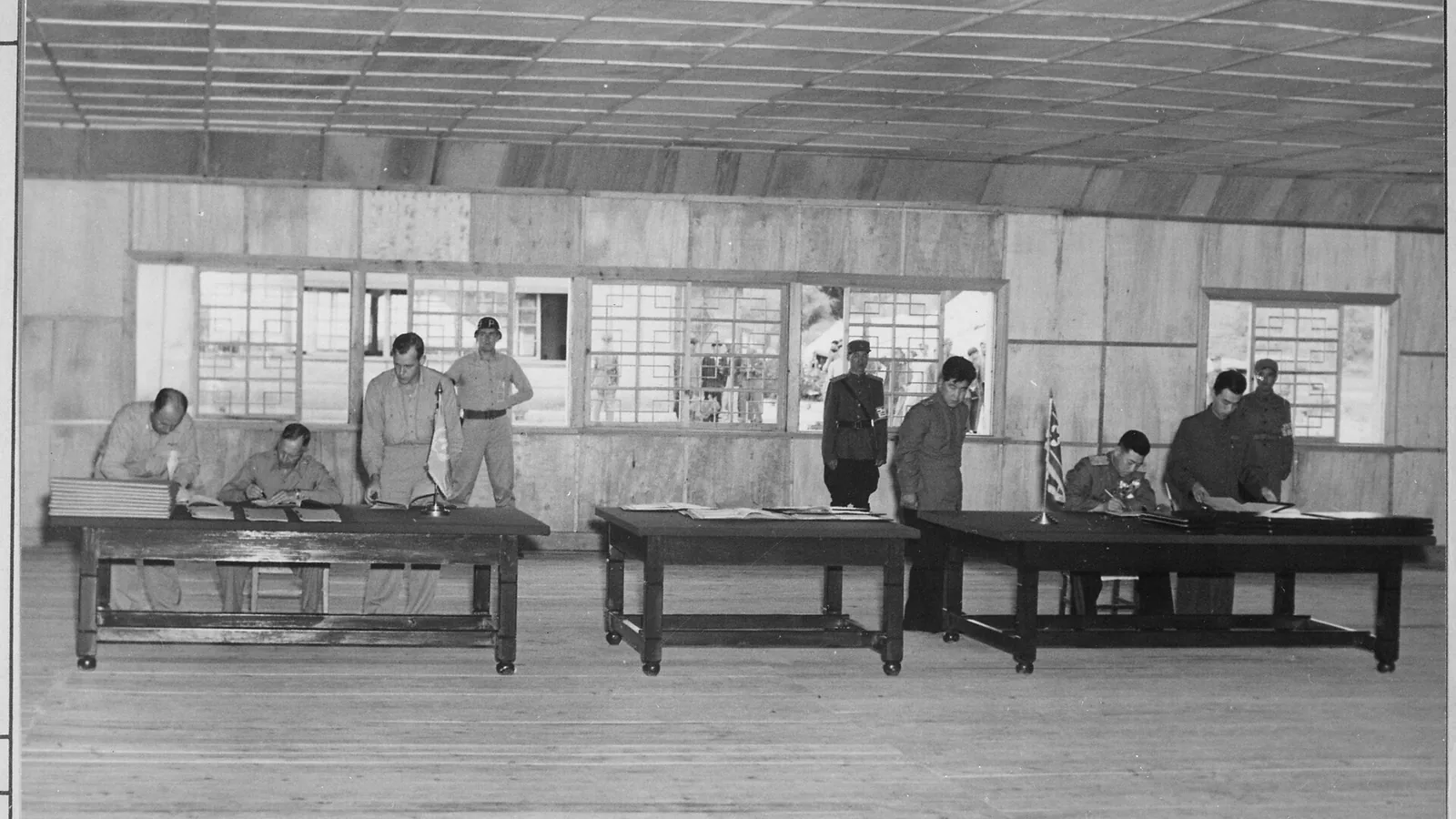
· 1945The armistice text says no nation is a signatory. Lt. Gen. William K. Harrison Jr. and Gen. Nam Il signed it at Panmunjom at 10 a.m. on July 27, 1953.
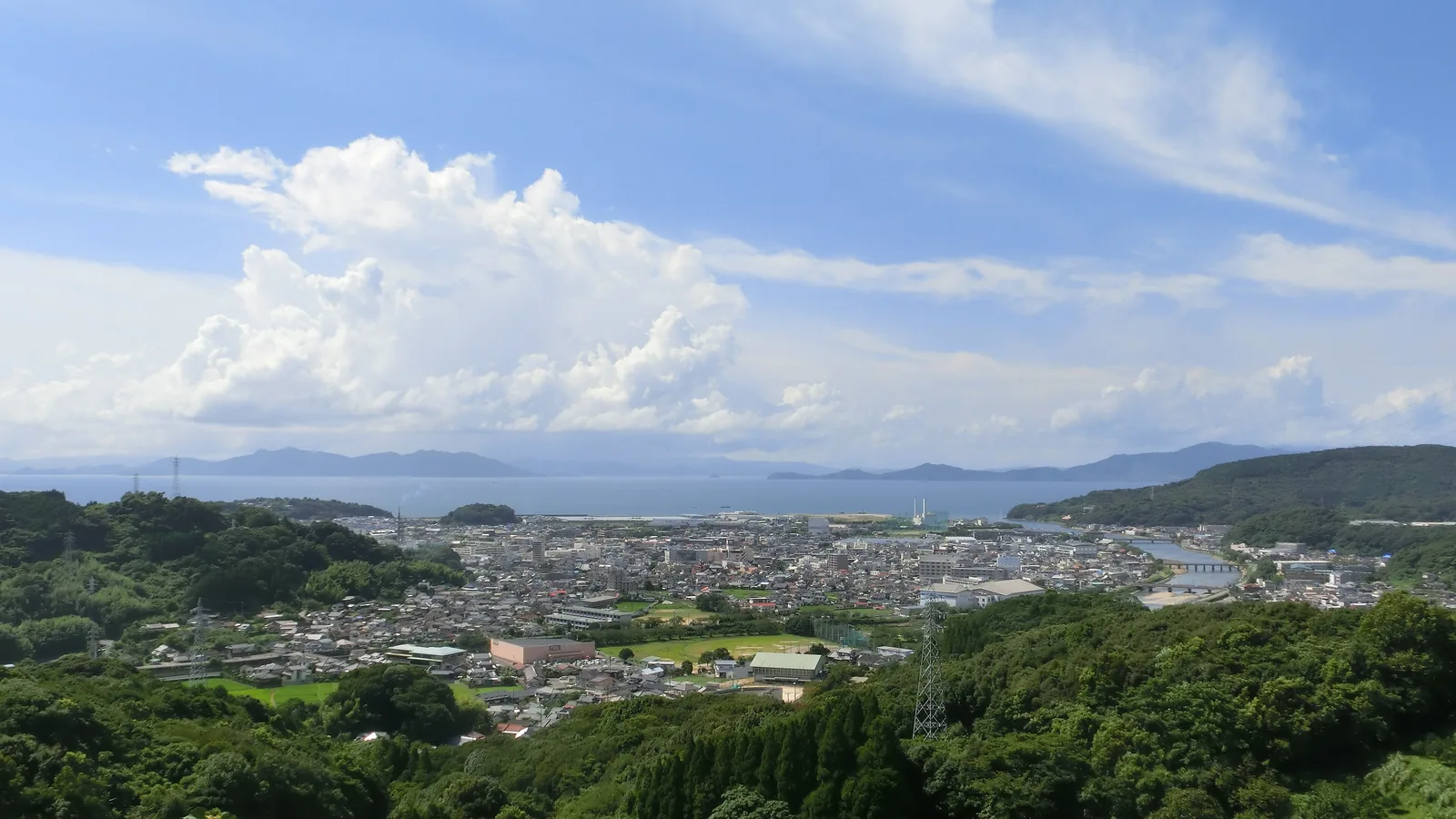
· 1953A Chisso doctor reported an unknown nervous disease on May 1, 1956. Japan named methylmercury from the plant in 1968; a mercury treaty followed in 2013.
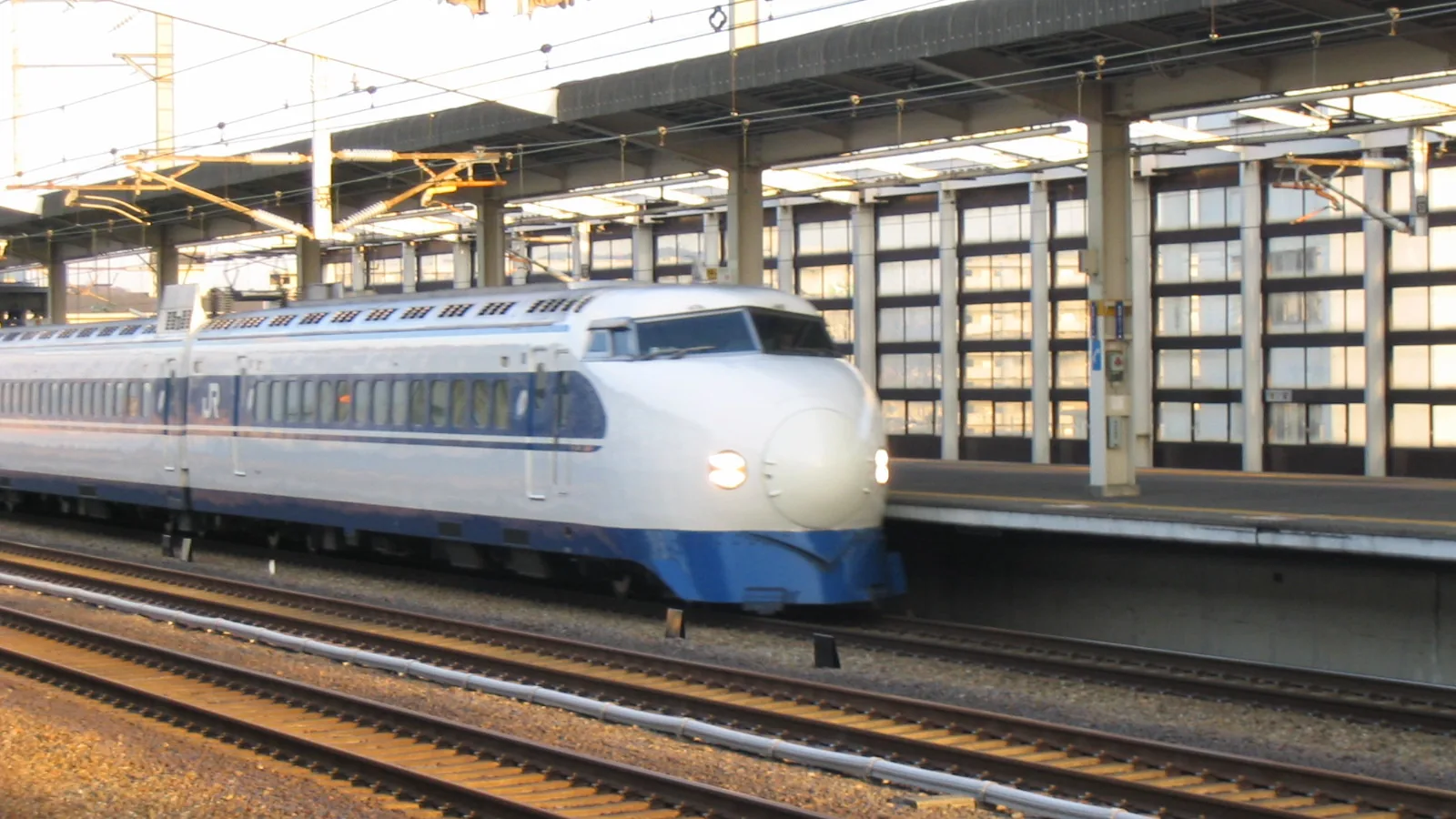
· 1956The World Bank lent Japanese National Railways $80 million on May 2, 1961 for the New Tokaido Line. It opened October 1, 1964 at nearly double the budget.
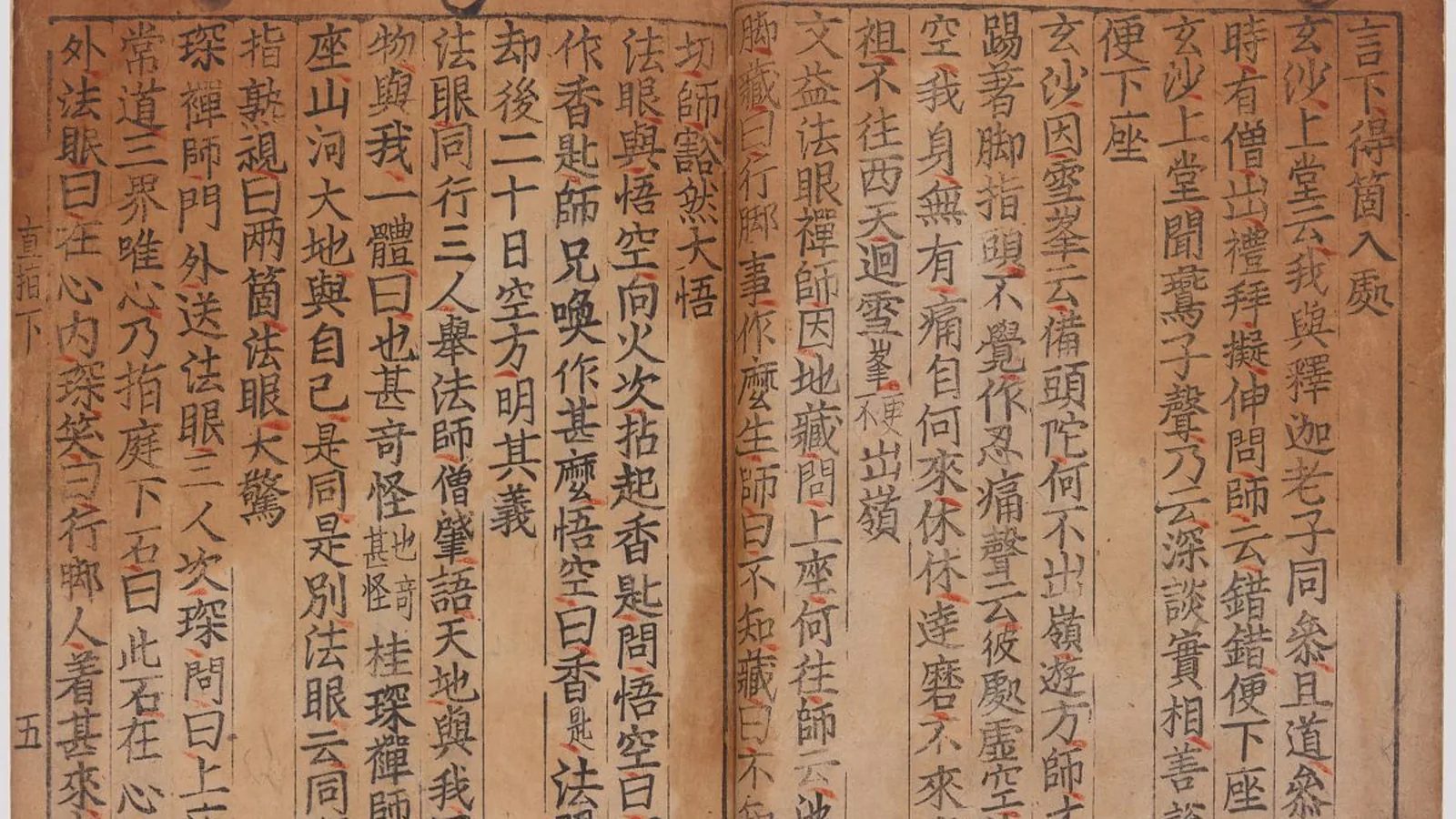
· 1964An earthquake under northern Awaji Island at 5:46 a.m. on January 17, 1995, was rated M7.2, then M7.3 in 2001. Japan's final count is 6,434 dead.
· 1995