Nearly 2 million cubic yards by the basketful: Poverty Point, 1700 BC
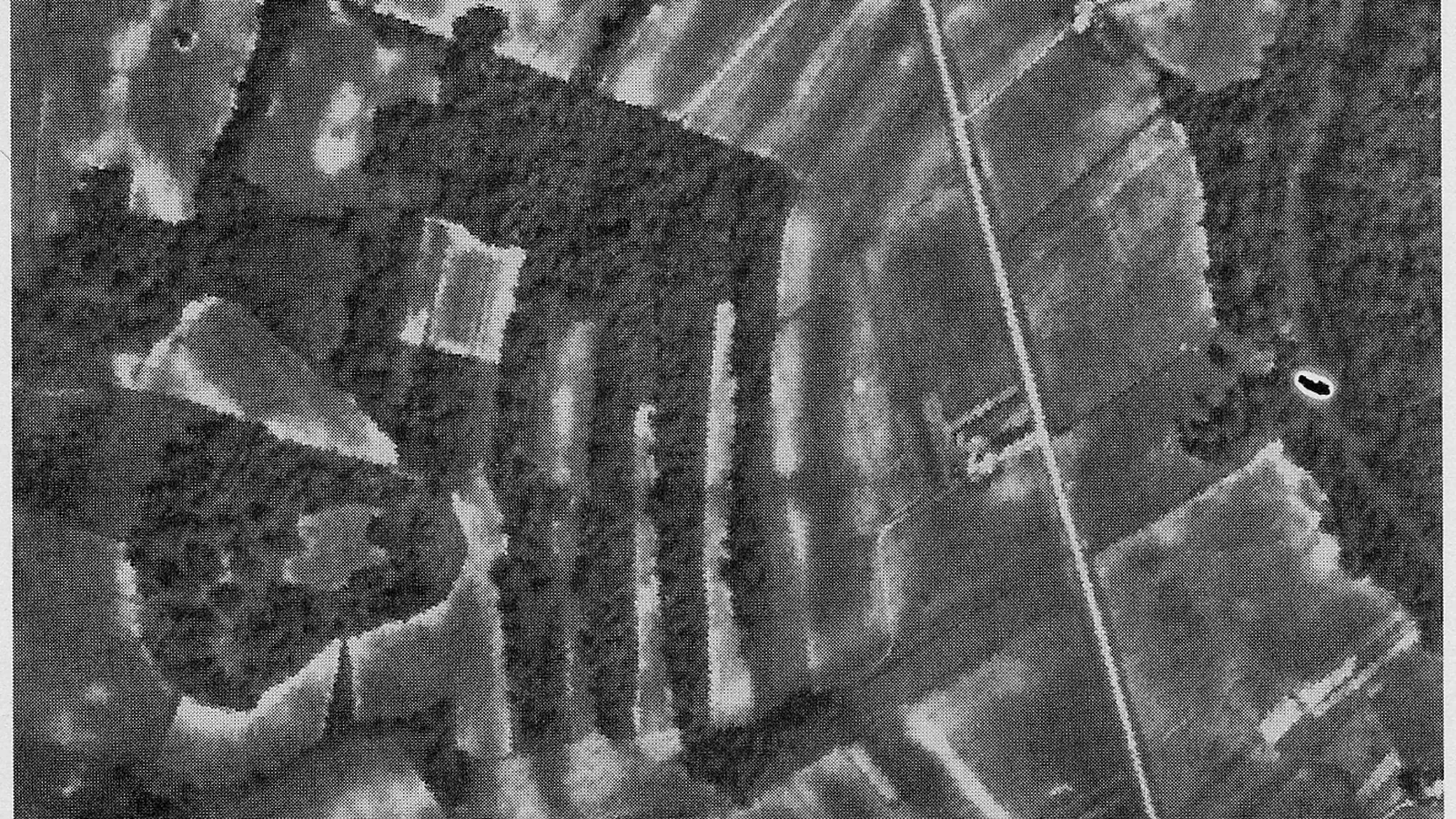
Hunter-gatherers moved nearly 2 million cubic yards of earth at Poverty Point, Louisiana, 1700–1100 BC; Mound A took up to 15.5 million basket loads.
· 1500 BCArticles about mysteries & discoveries across every continent and era, oldest first.
Hunter-gatherers moved nearly 2 million cubic yards of earth at Poverty Point, Louisiana, 1700–1100 BC; Mound A took up to 15.5 million basket loads.
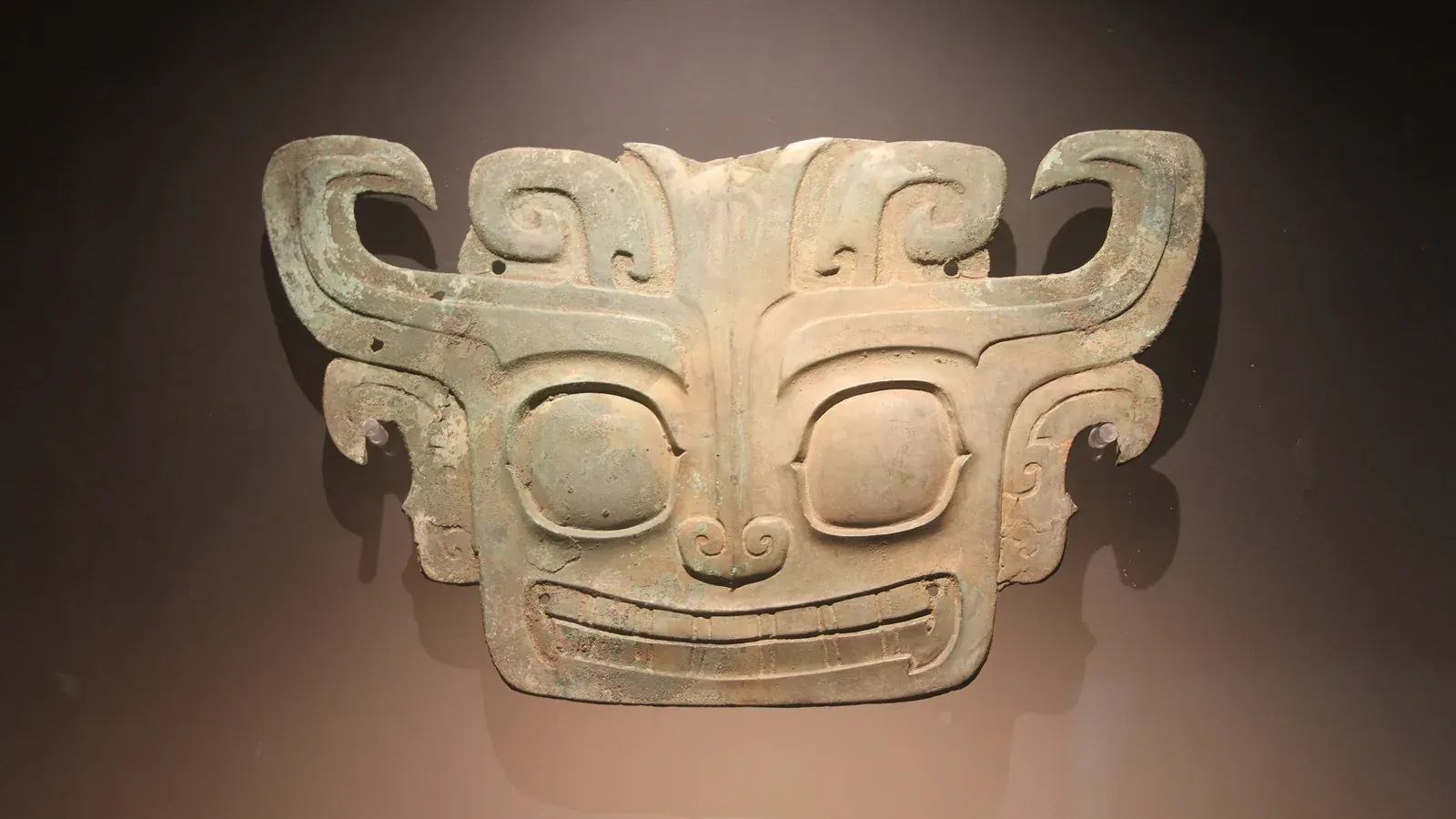
· 1500 BCA Sichuan city cast a 2.6-meter bronze man, giant masks and bronze trees, then broke, burned and buried them in eight pits about 1200 BC. No text says why.
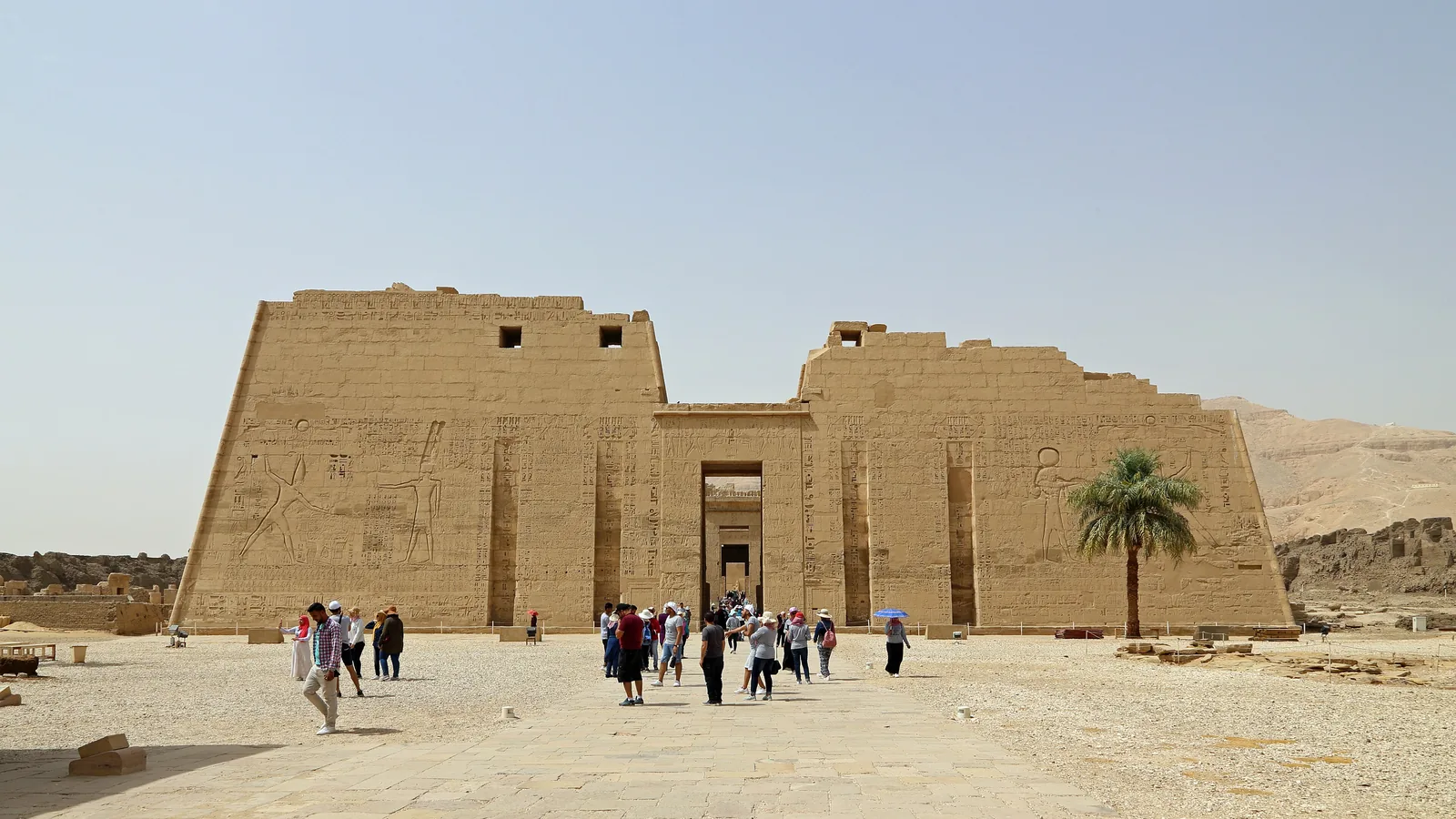
· 1200 BCMerneptah's Karnak inscription and Ramesses III's year 8 text at Medinet Habu name the Sea Peoples. Breasted, Cline and Roberts added the rest.
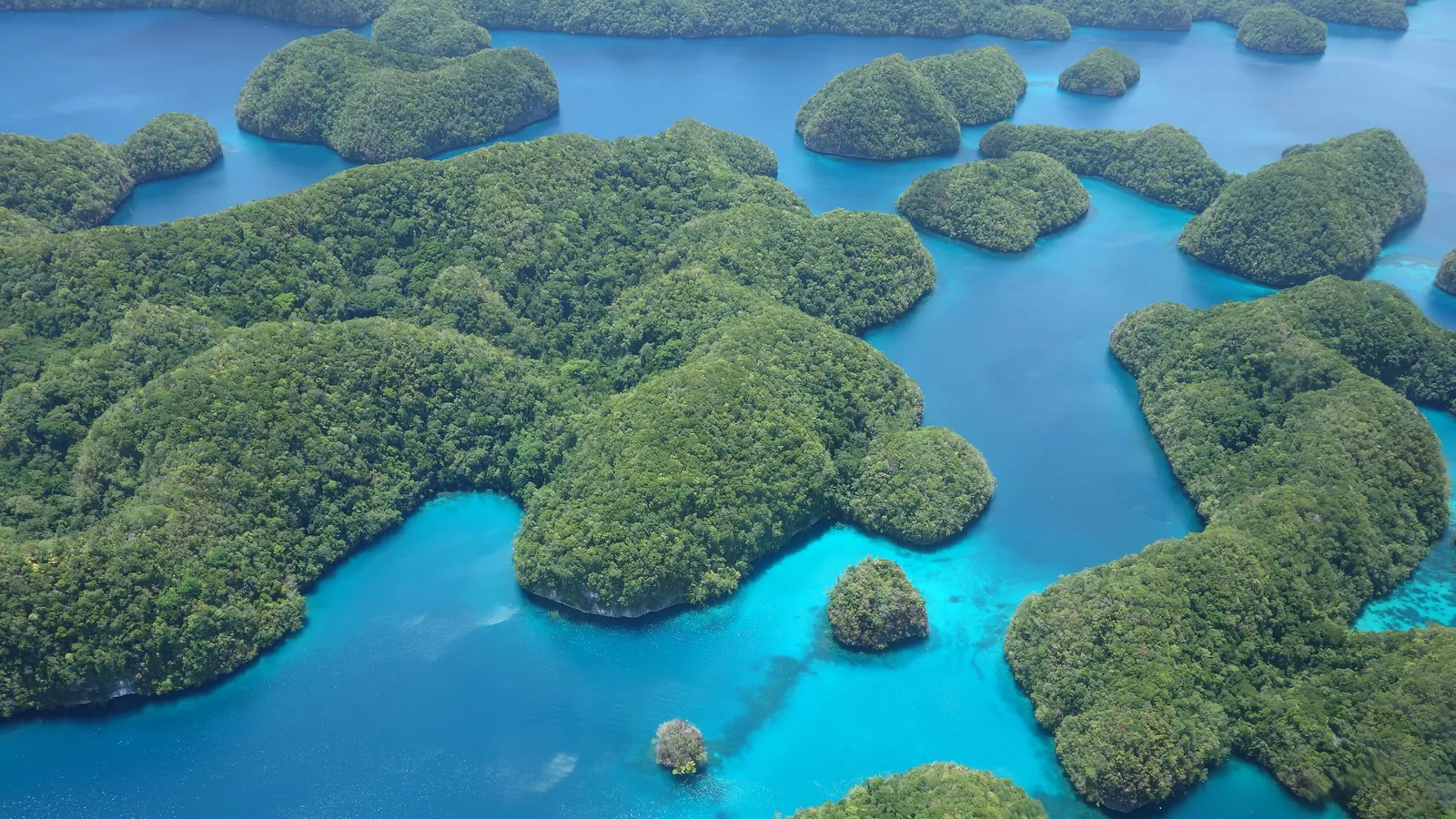
· 1177 BCPLOS ONE published a dwarfism claim from two Palau caves in March 2008, then a rebuttal from three universities five and a half months later.
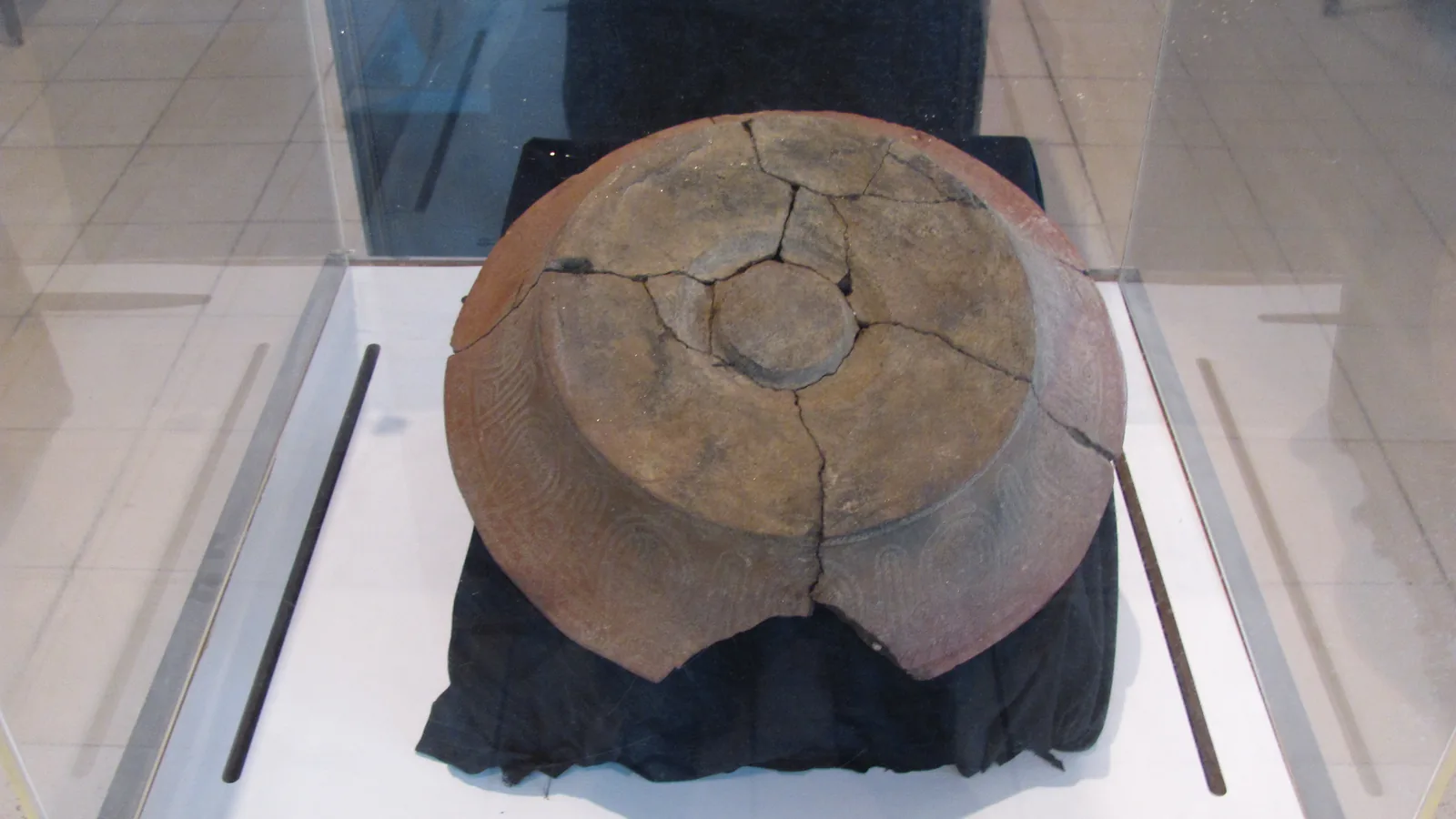
· 1000 BCFound in January 2004 after quarrying for a prawn farm, Teouma on Efate held 68 Lapita graves, a skull in Pot 2 and DNA that rewrote Pacific ancestry.
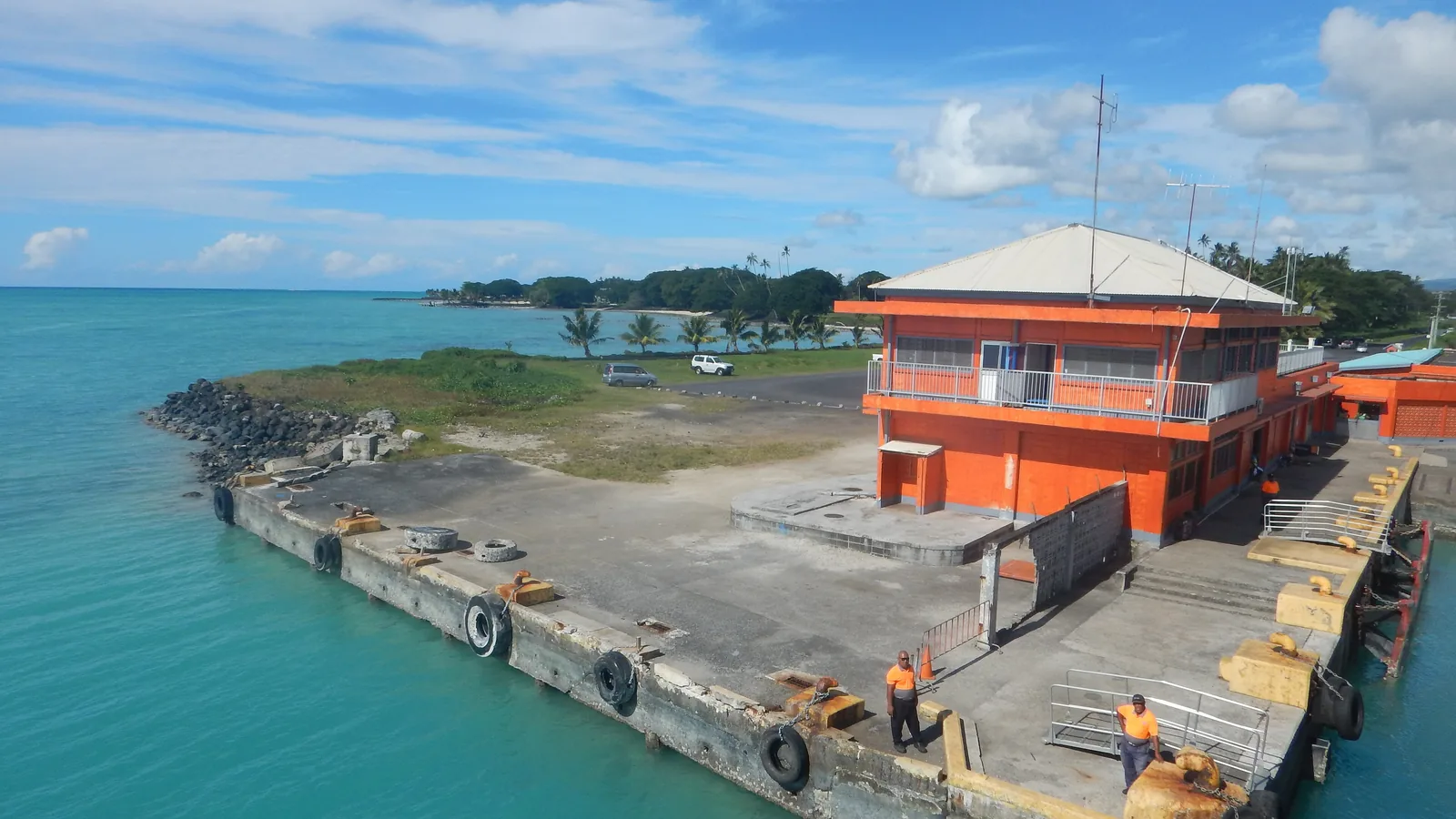
· 1000 BCDredging for the 'Upolu–Savai'i car ferry exposed Samoa's only known Lapita pottery. Fiona Petchey dated it to 930–800 BC; 'Upolu has sunk since.
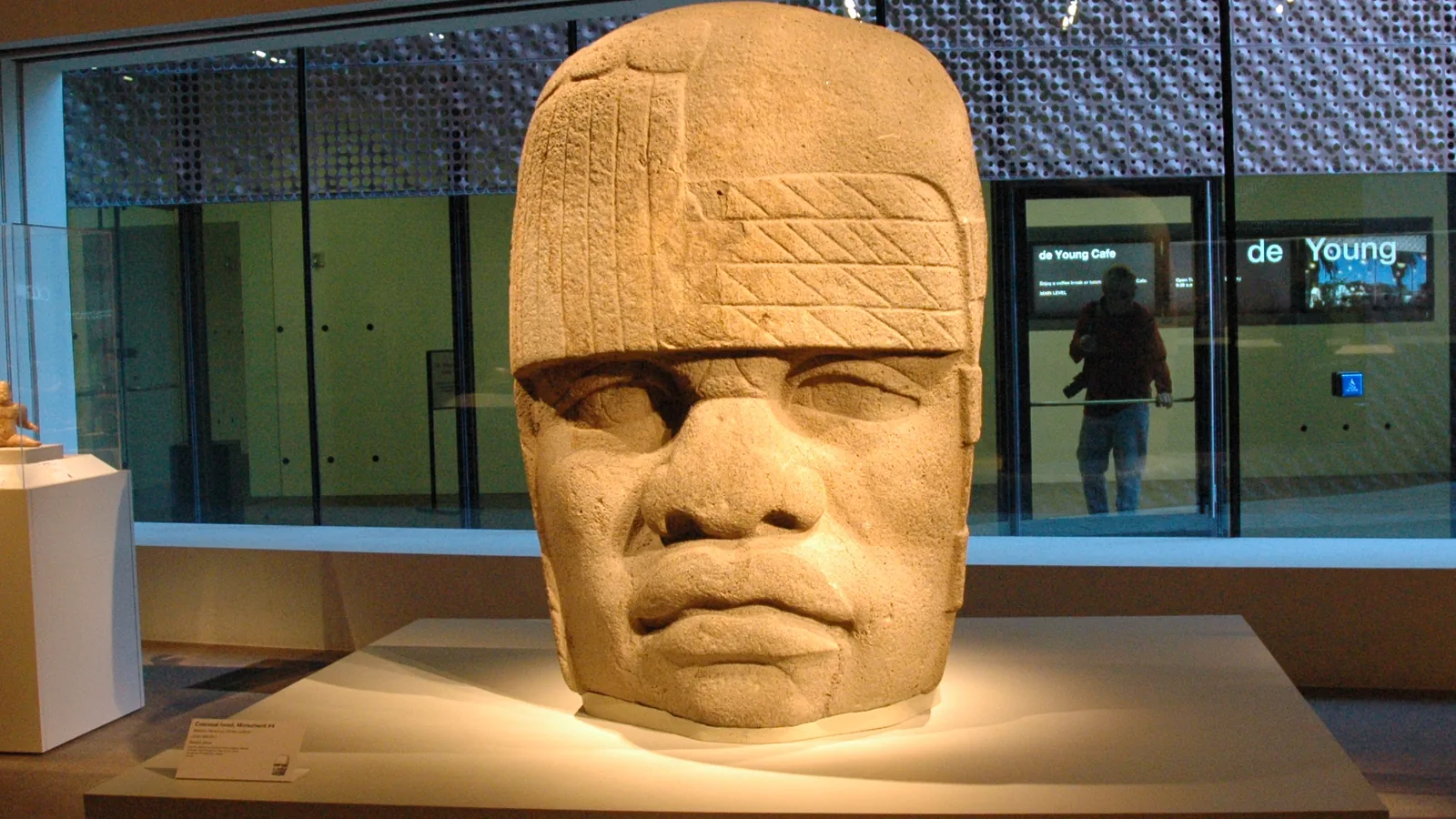
· 930 BCA serpentine block with 62 signs from a Veracruz gravel quarry was reported in Science on September 15, 2006 as the oldest writing in the Americas.
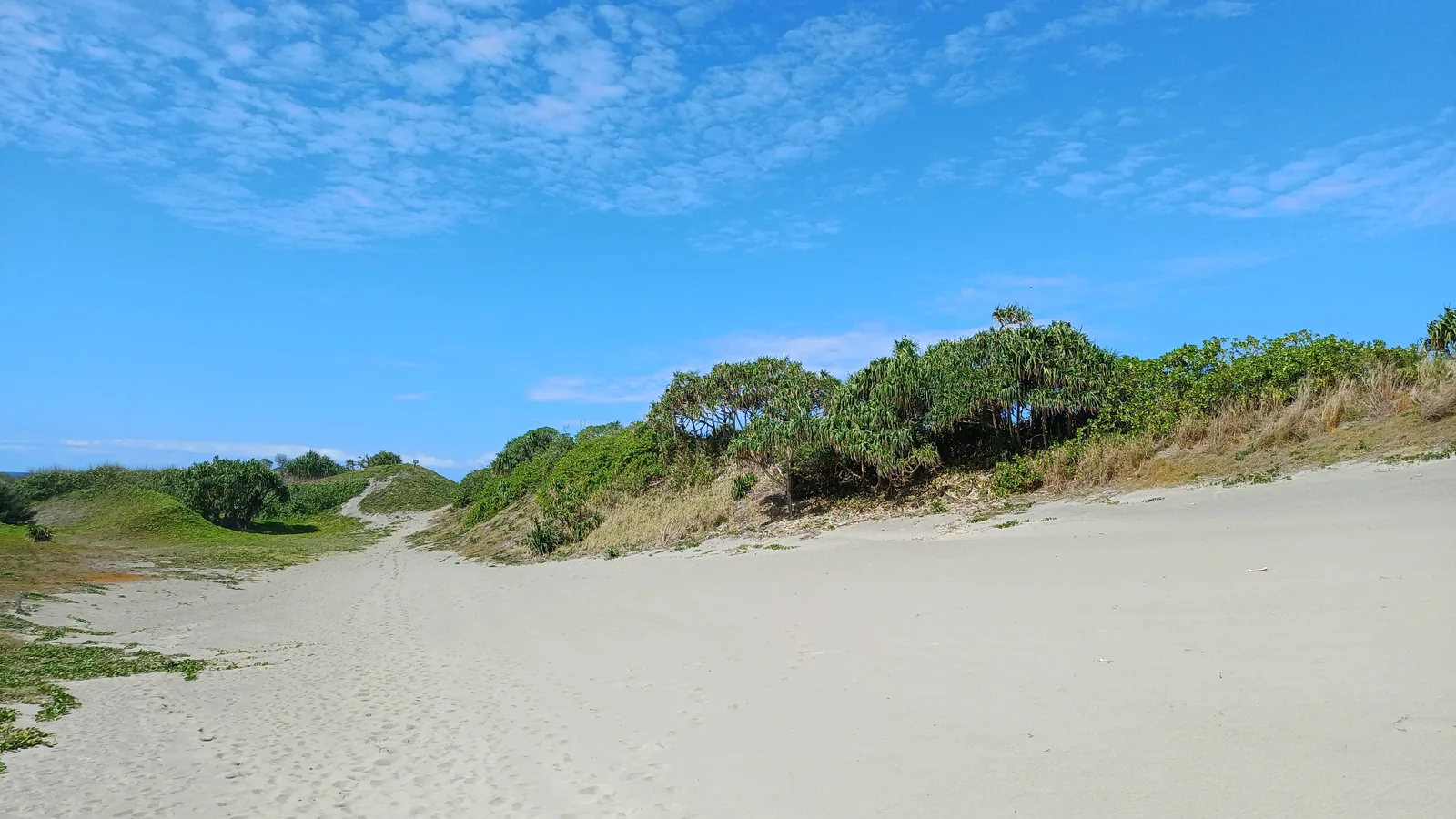
· 900 BCBirks dug 2,700 square meters of Fiji's Sigatoka dunes in 1965–66 and found three buried soils. Level 2, the Navatu layer, dates 1,700 to 1,300 cal BP.
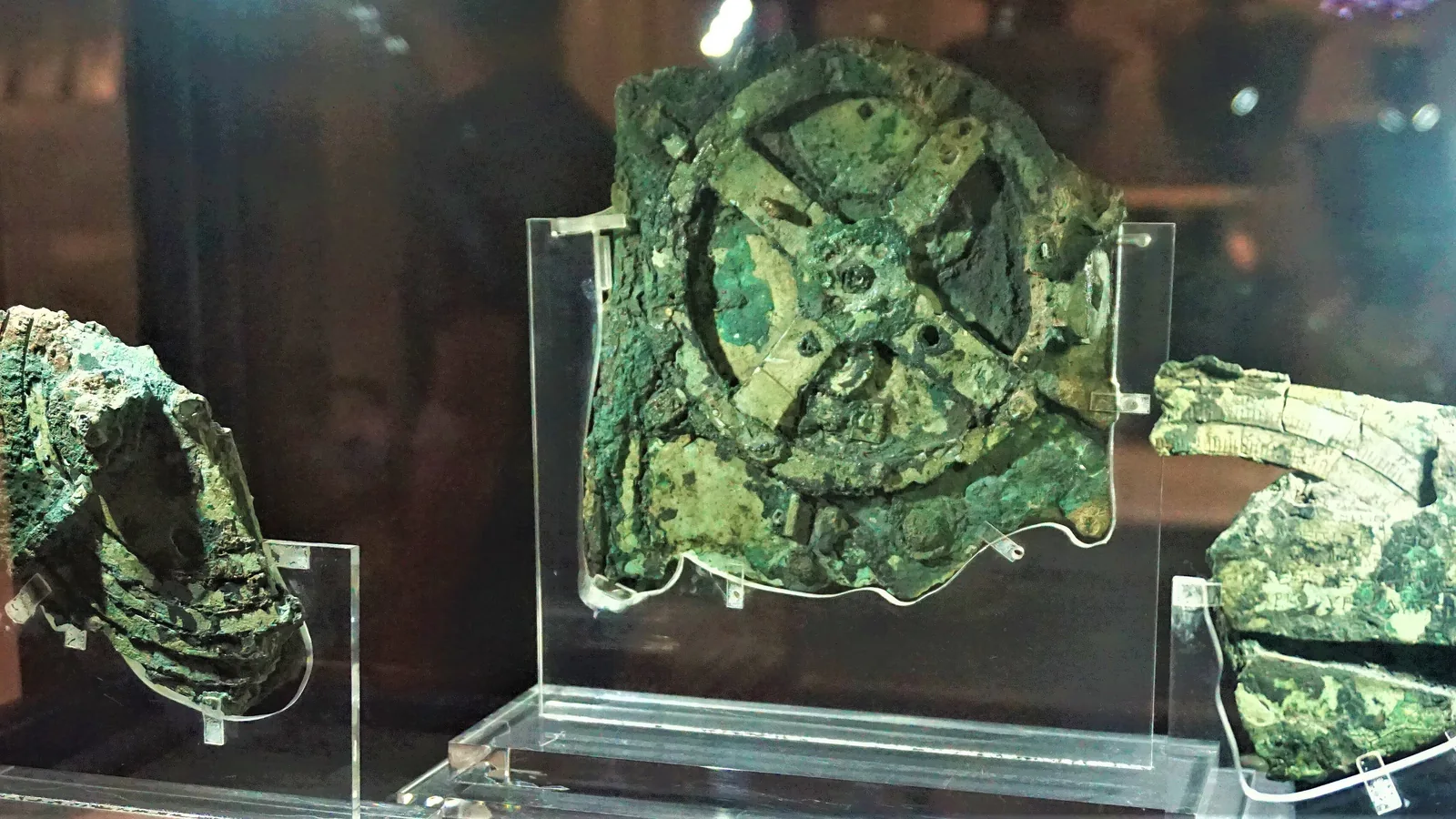
· 200 BCA lump raised from a wreck off Antikythera showed a gear wheel in 1902. X-ray studies from 2005 to 2021 read its 30 gears as an eclipse and planet machine.
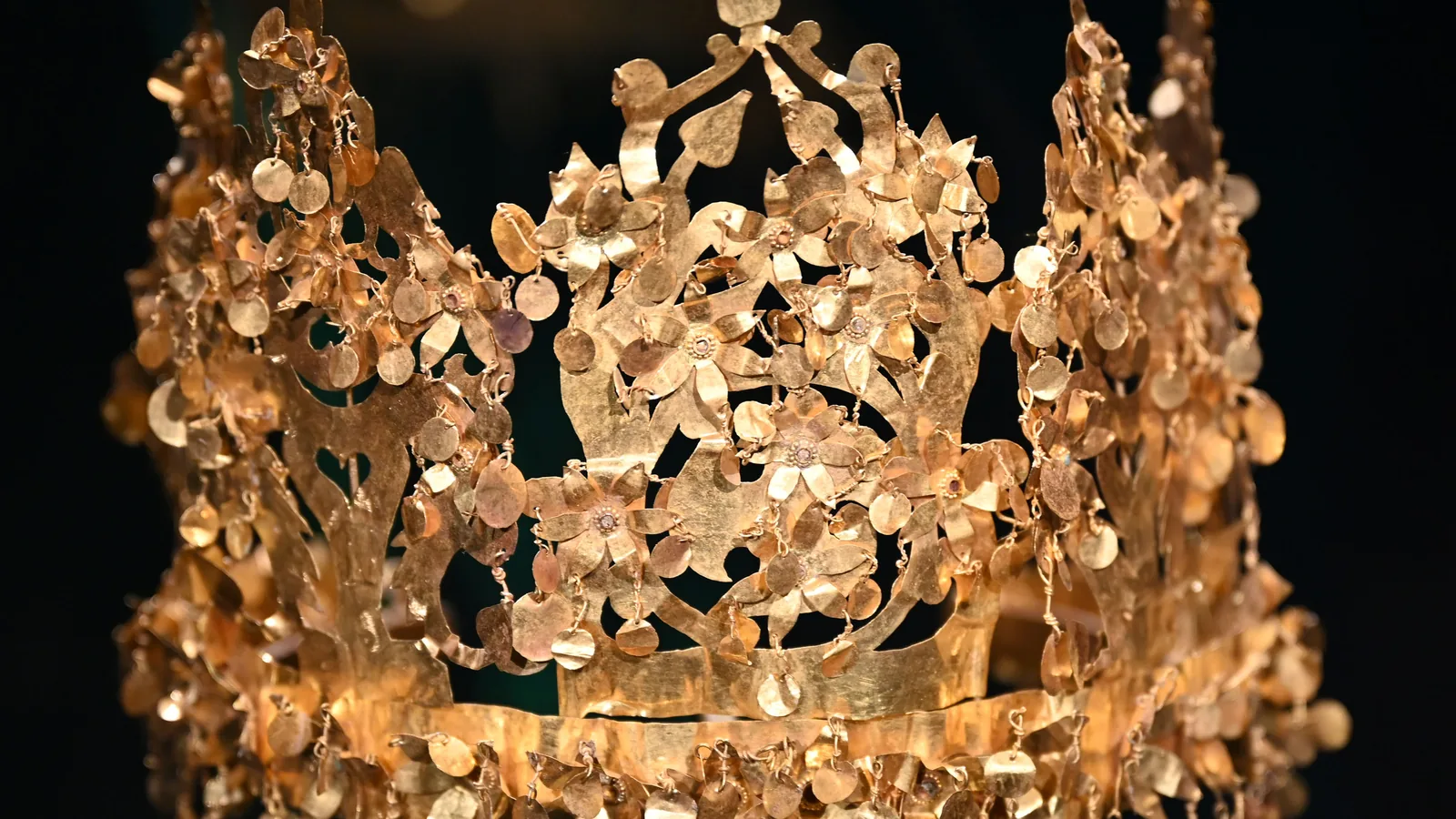
· 100 BCFrom November 15, 1978, Viktor Sarianidi's team found six unlooted graves at Tillya Tepe, Afghanistan, with a Tiberius aureus and about 20,000 gold objects.
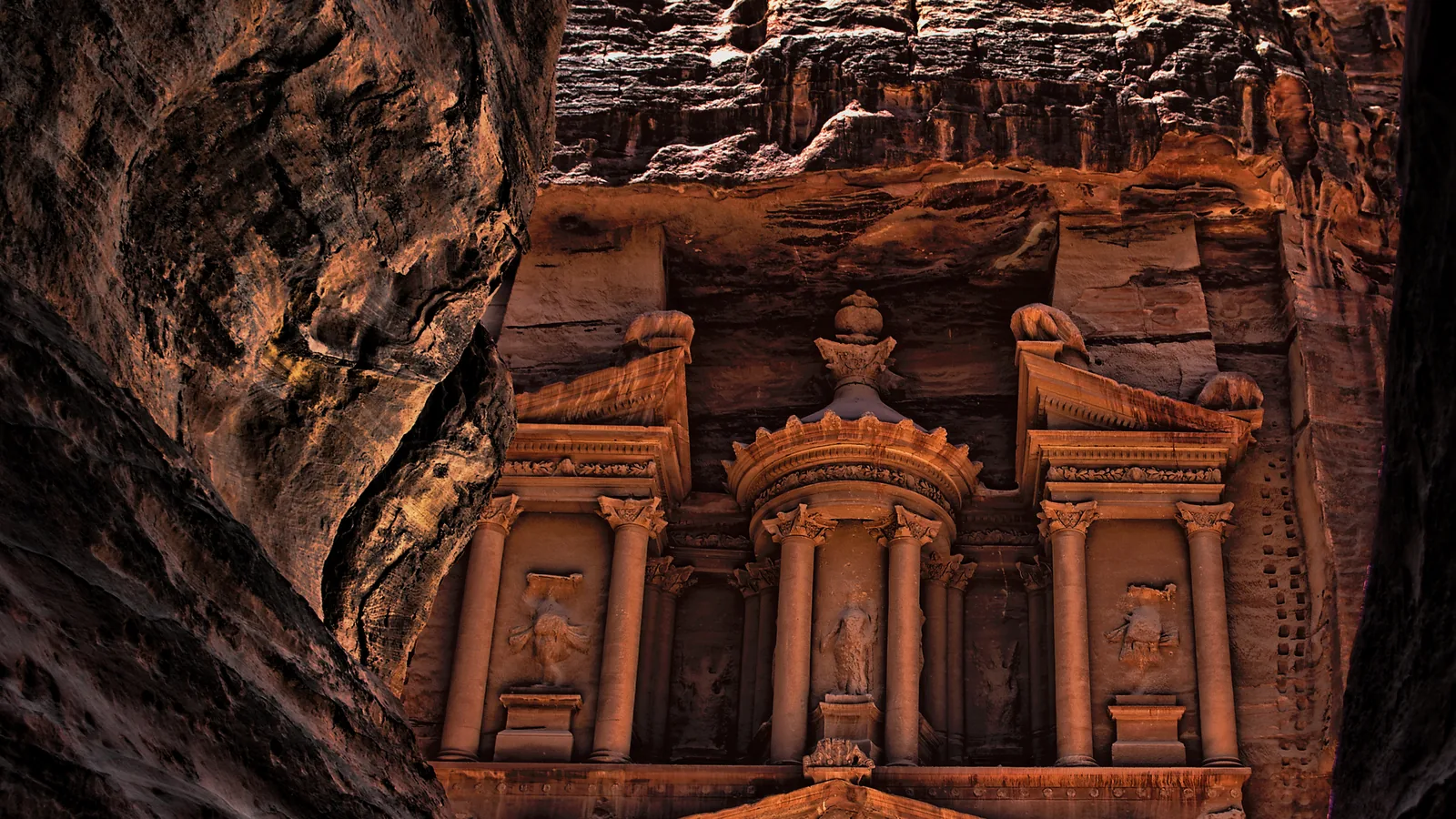
· AD 25Johann Ludwig Burckhardt entered the valley of Petra on August 22, 1812, after telling his guide he had vowed to sacrifice a goat at the tomb of Aaron.
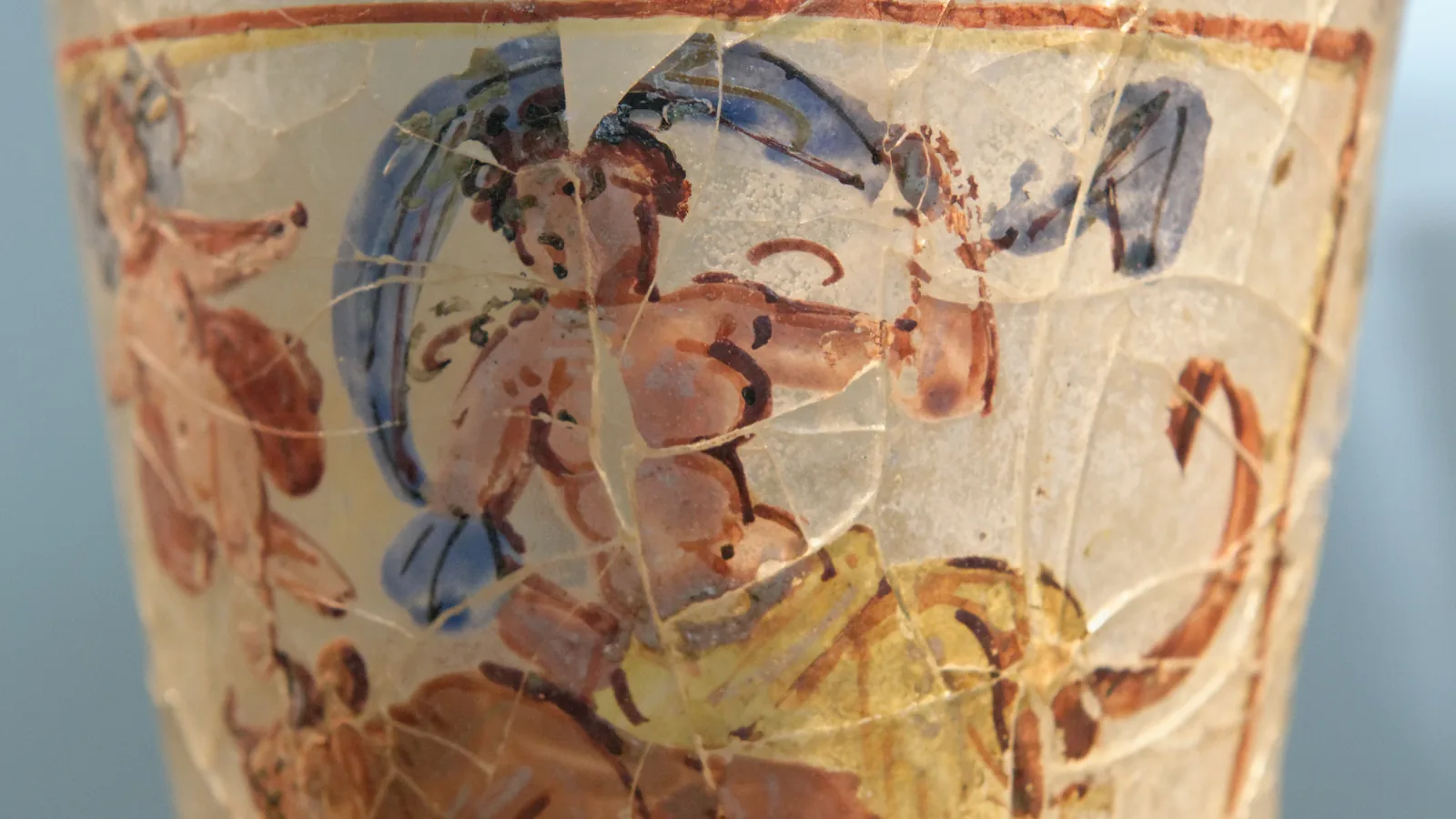
· AD 100Two walled-up rooms at Begram, 1937 and 1939, held Roman glass, Indian ivory and Han lacquer. Half went to Paris; 20 ivories returned to Kabul in 2012.
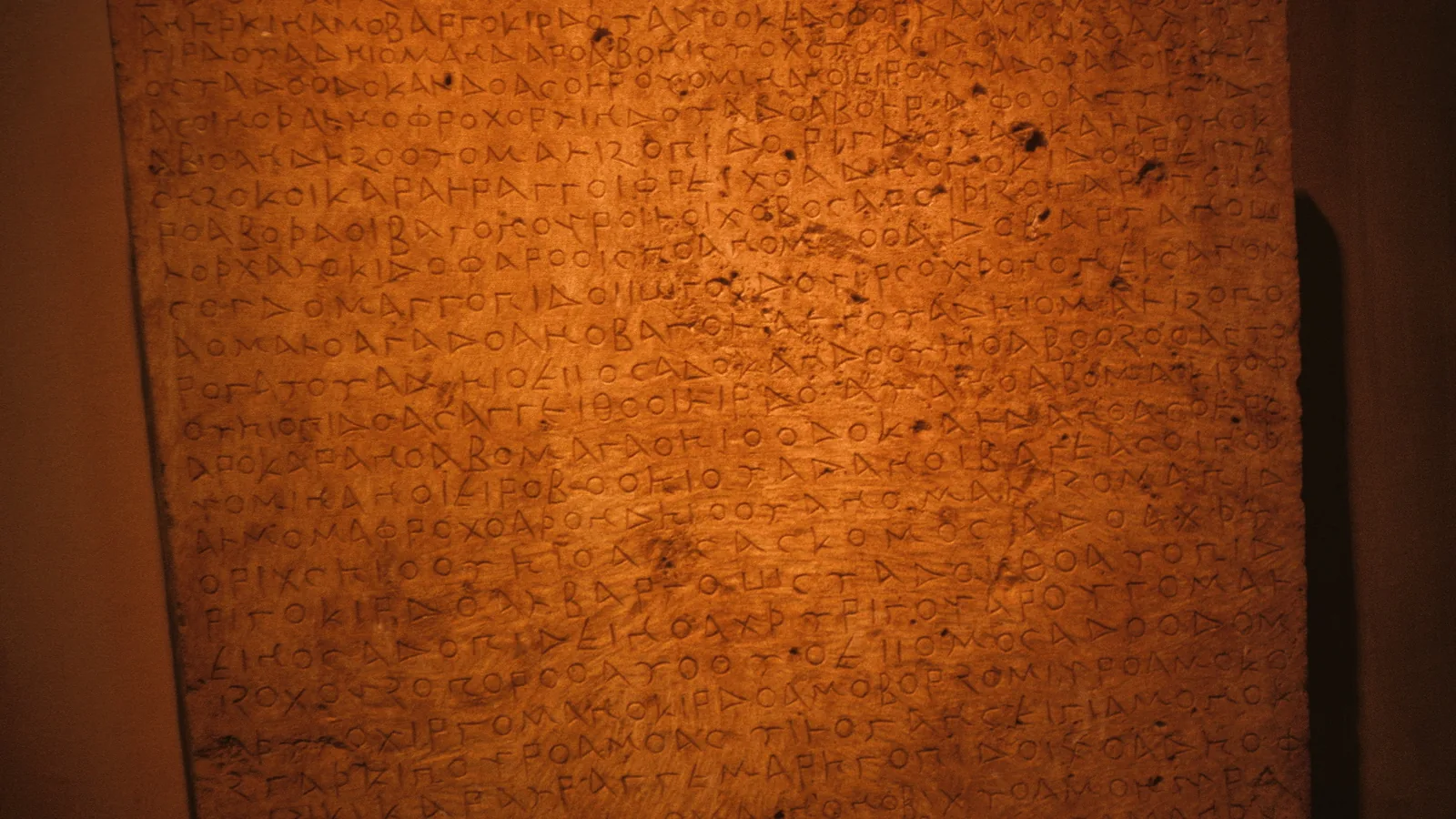
· AD 100A Bactrian stone unearthed in 1993 in Baghlan gives Kanishka's year one, four generations of Kushan kings, a switch from Greek and four Gangetic cities.
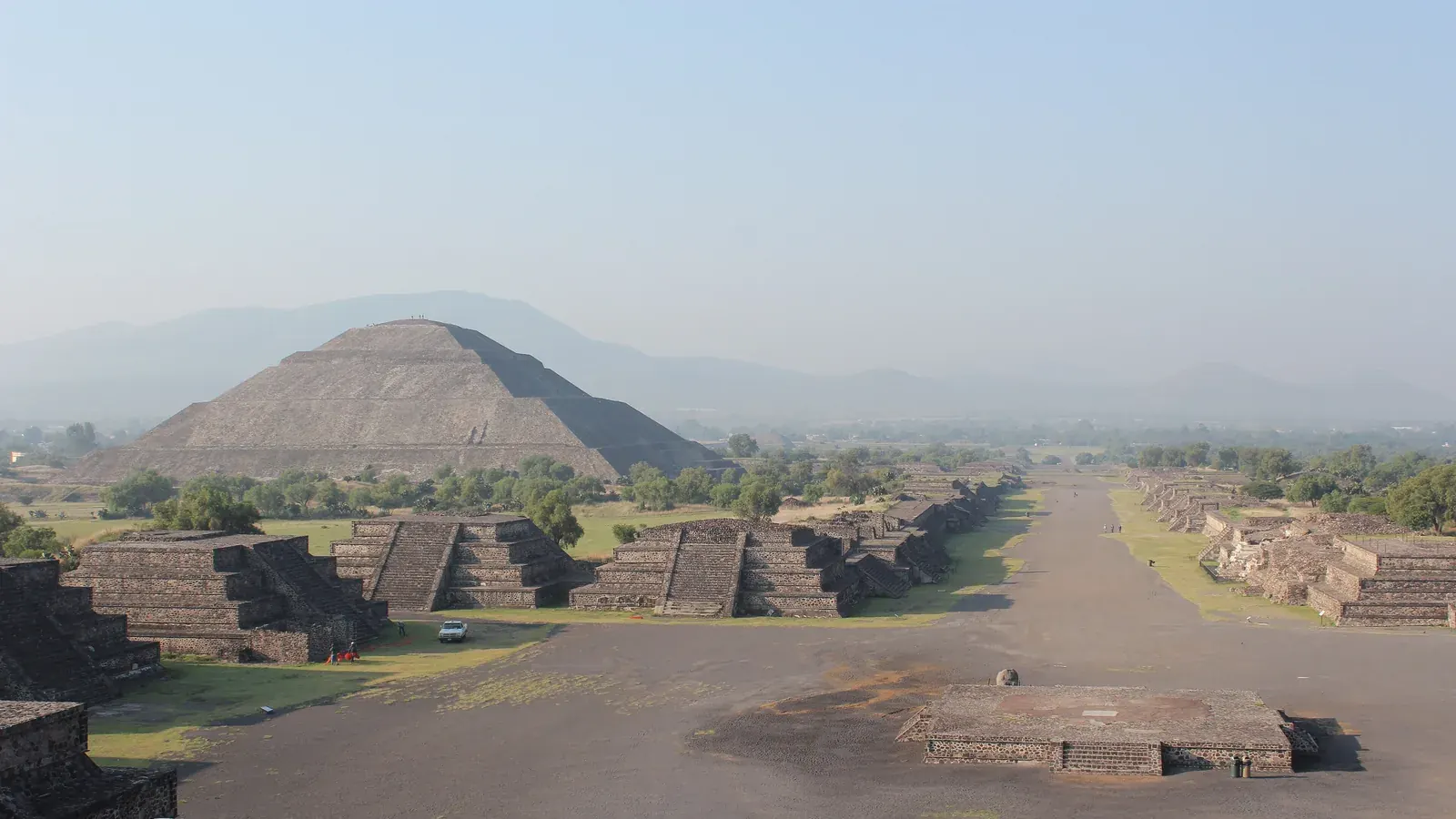
· AD 127Teotihuacan covered eight square miles and held 100,000 people or more by AD 400, yet no portrait or tomb of a king has been found. Its rulers are unknown.
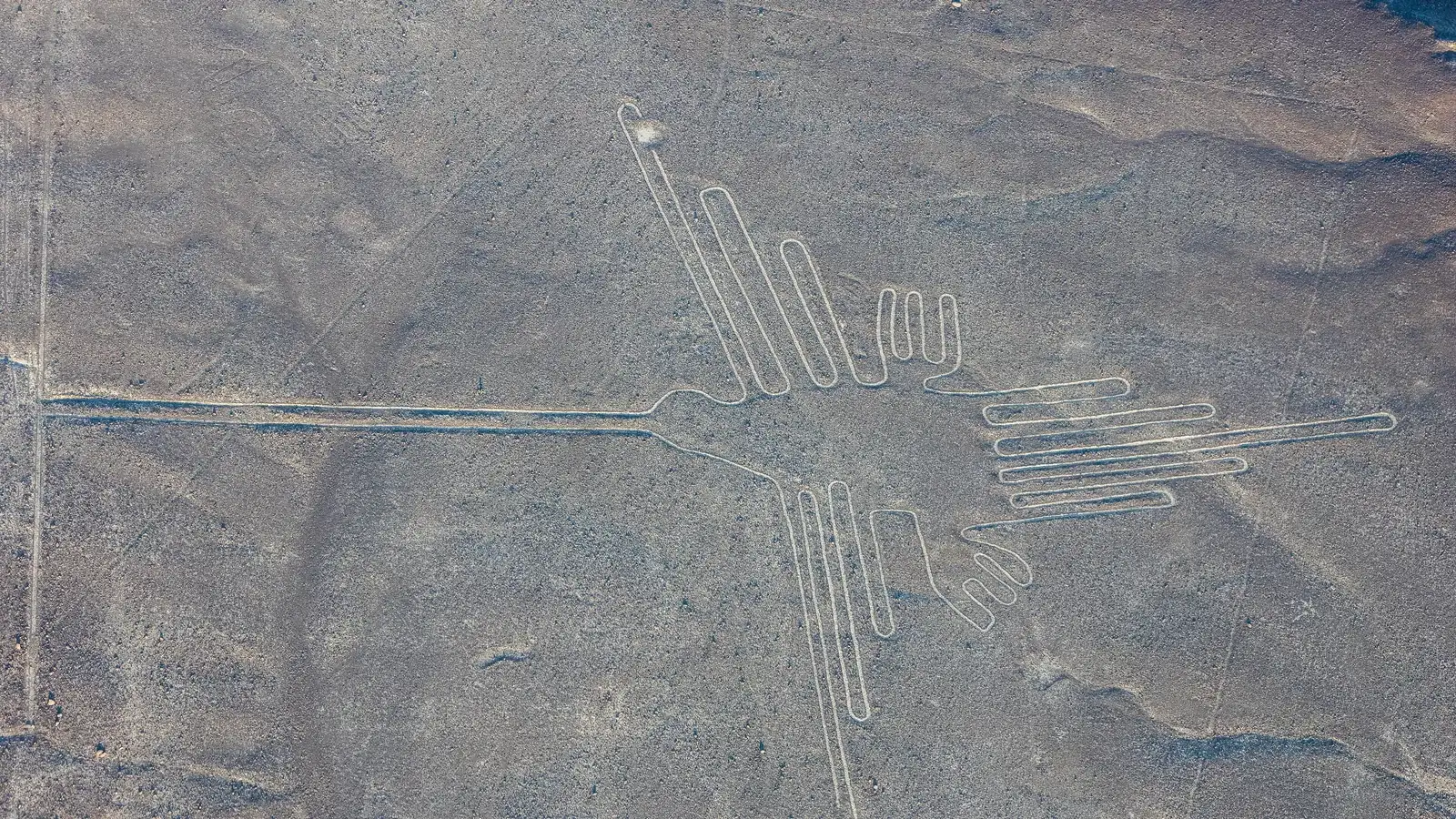
· AD 200They cleared dark stones off the desert to expose pale ground, scaling up small designs; near-zero rain kept the lines intact for about 2,000 years.
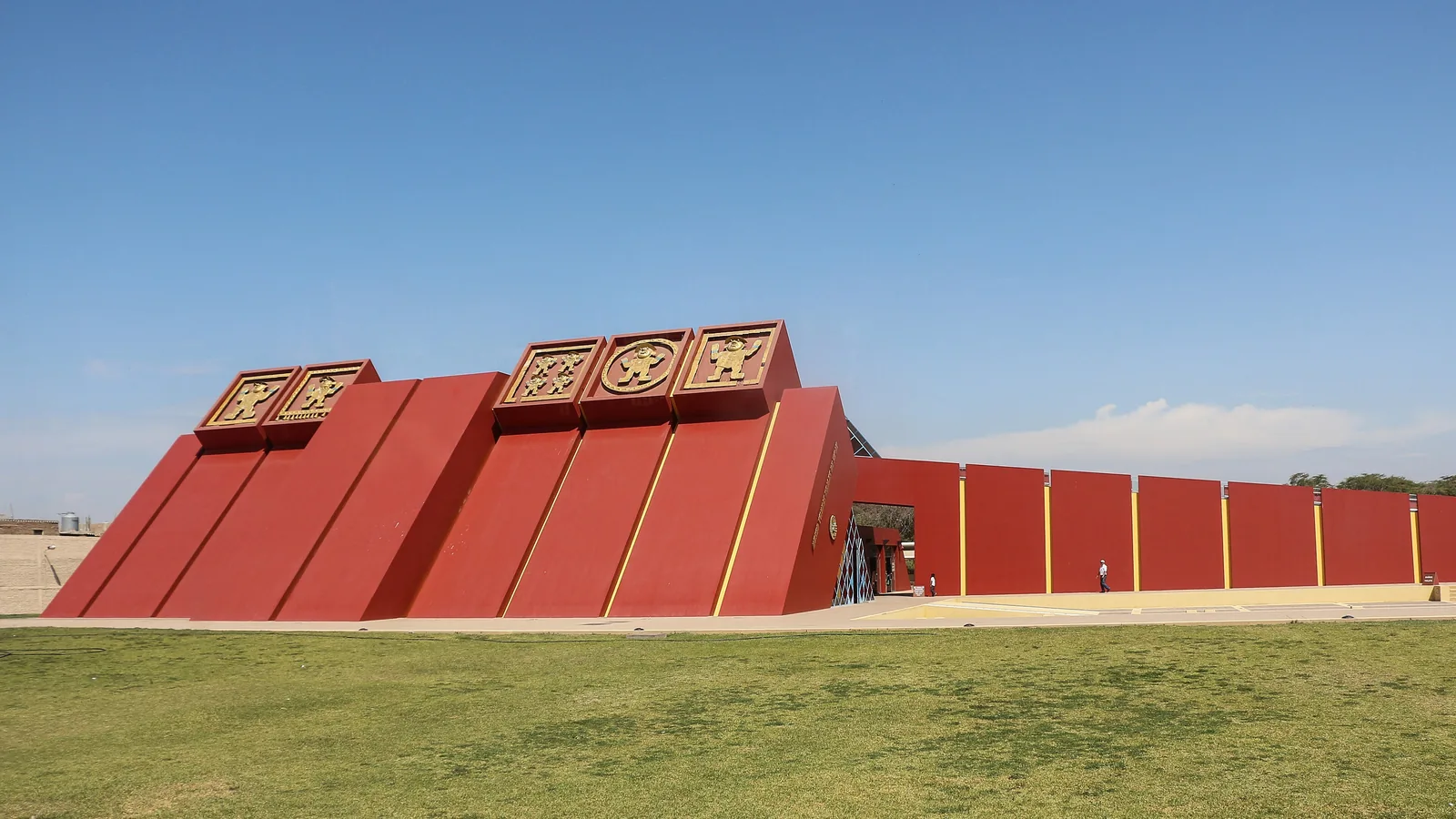
· AD 200Police recovered looted gold at Sipán in February 1987. Walter Alva's team then recorded an intact Moche royal tomb at Huaca Rajada on July 20, 1987.
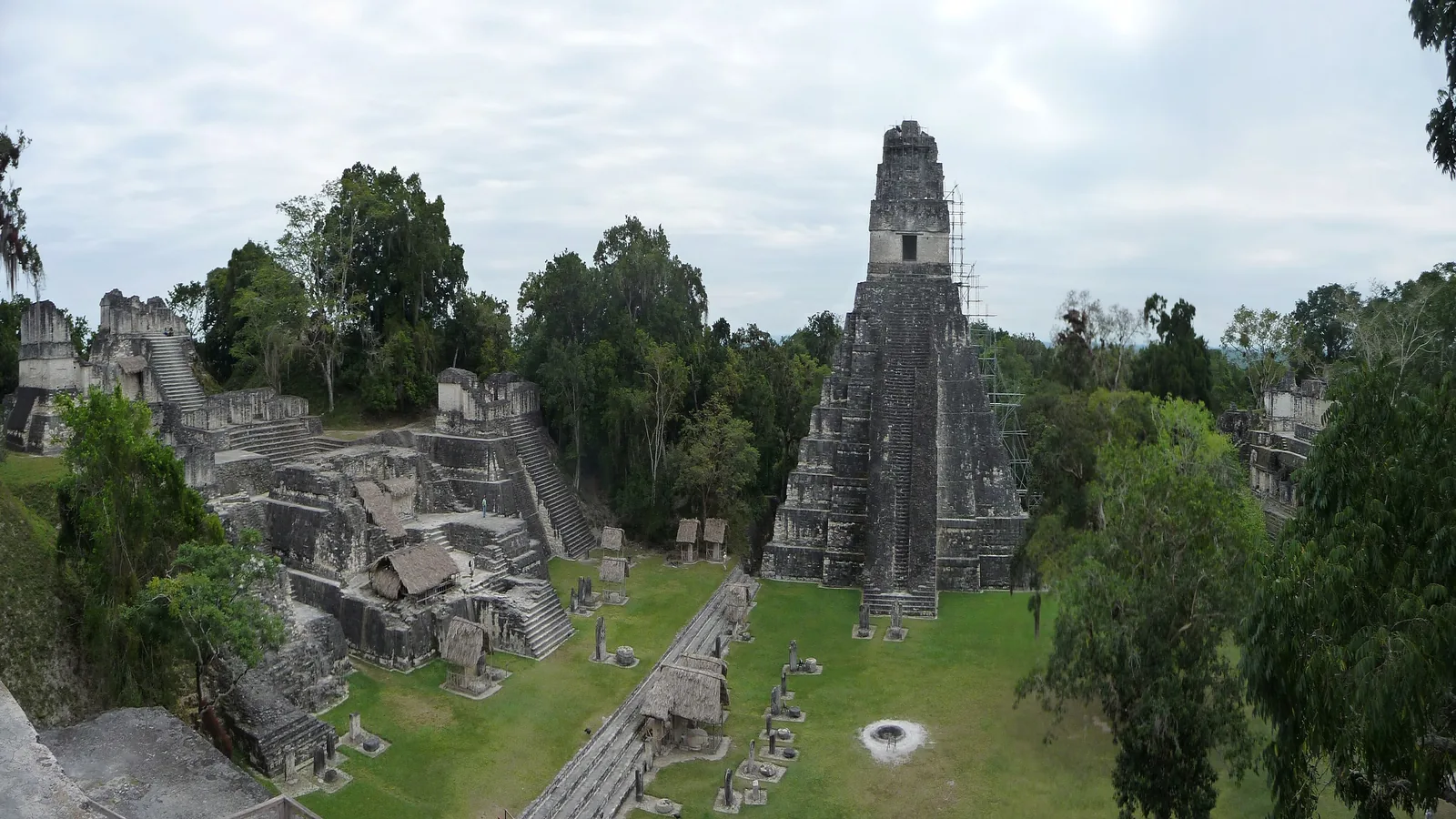
· AD 250Southern Maya cities stopped dating monuments by AD 998. Lake cores, a stalagmite, Aguateca's walls and lidar each explain part of why they emptied.
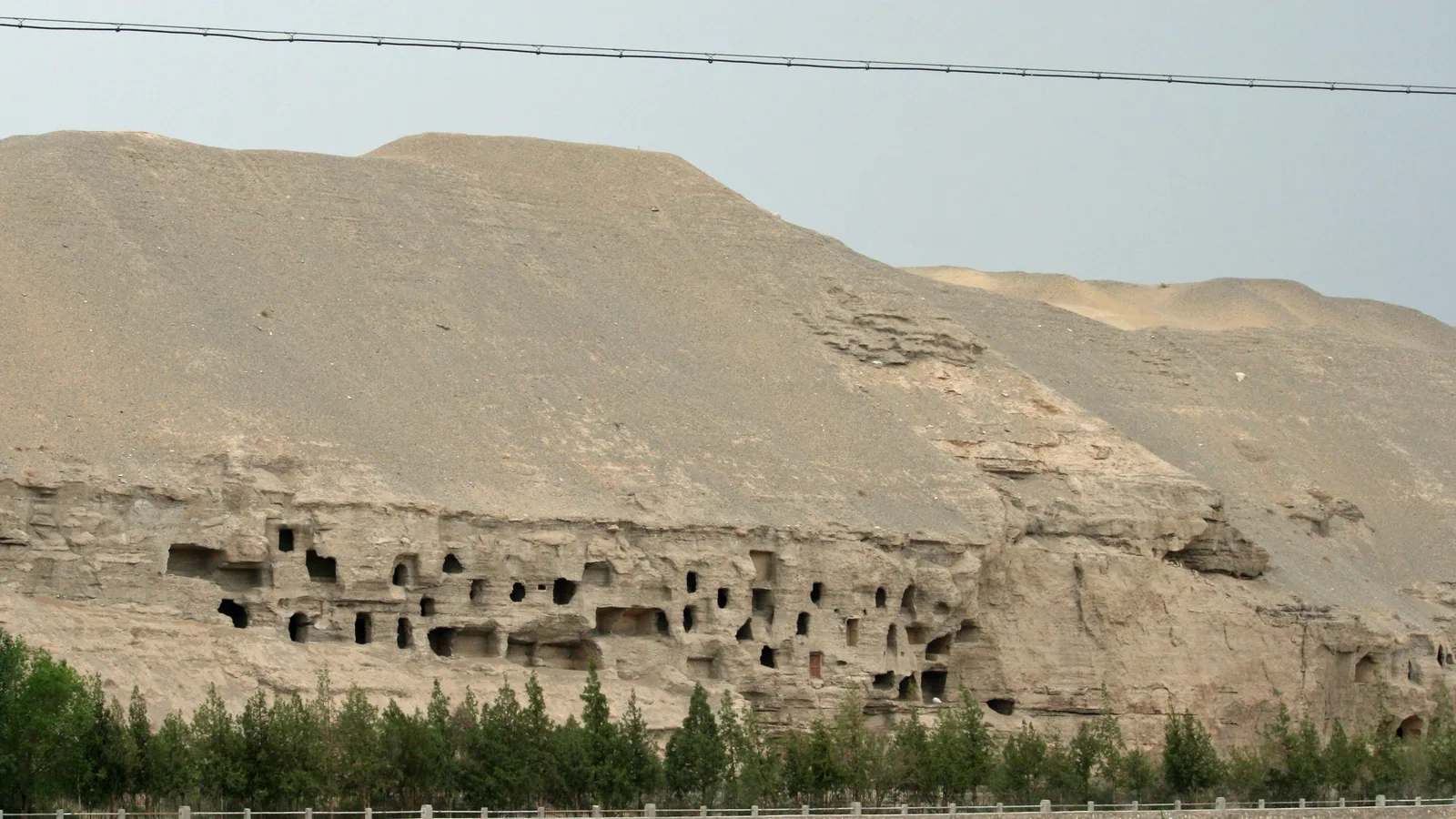
· AD 900Cave 17 at Mogao held manuscripts from the 4th to the early 11th century until Wang Yuanlu opened it in 1900. Stein and Pelliot bought much of it from 1907.
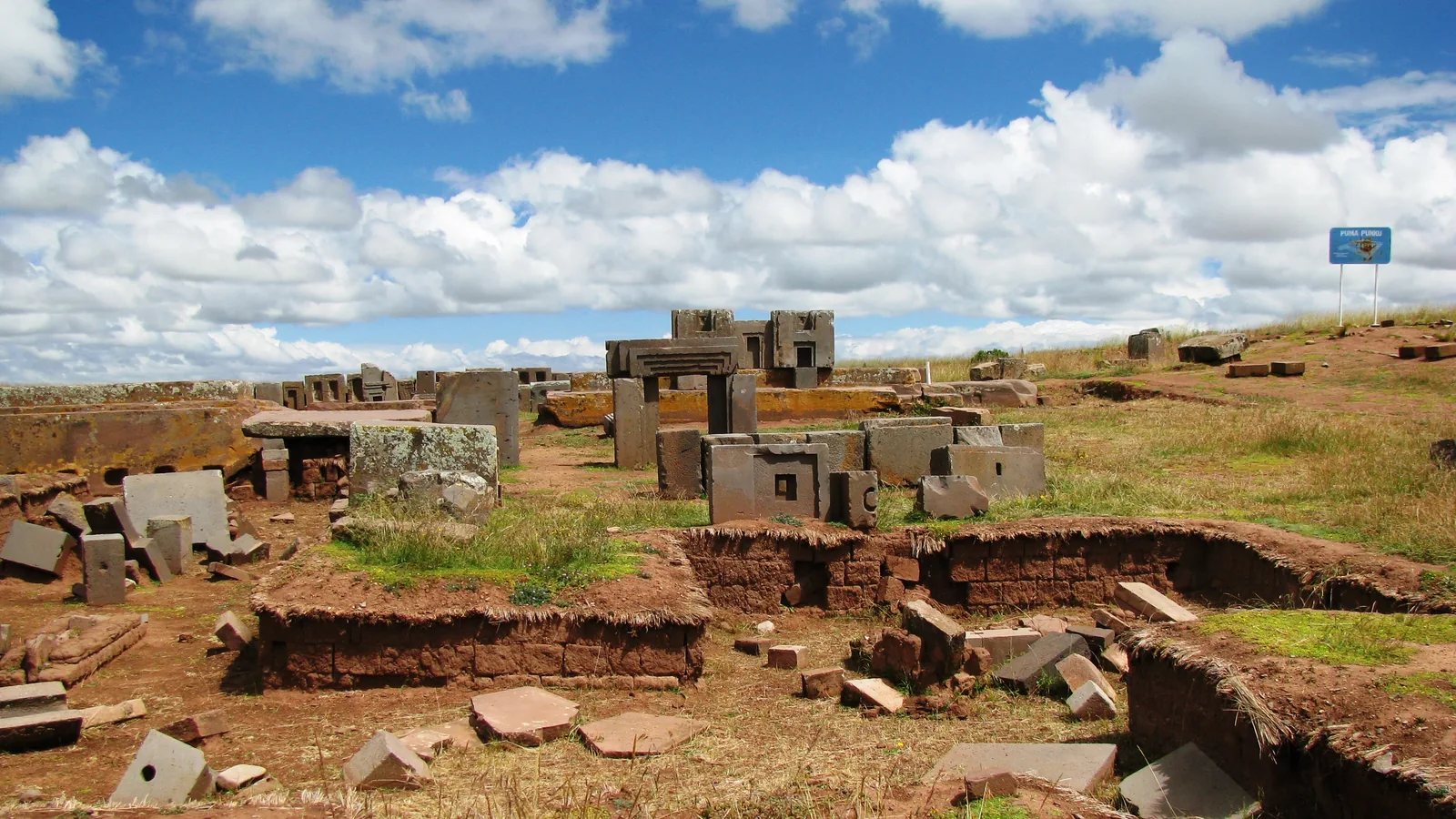
· 1000A 2023 PLOS ONE model of 102 radiocarbon dates puts Tiwanaku's monument building at AD 590 to 720 and its collapse at 1010 to 1050, before a drought.
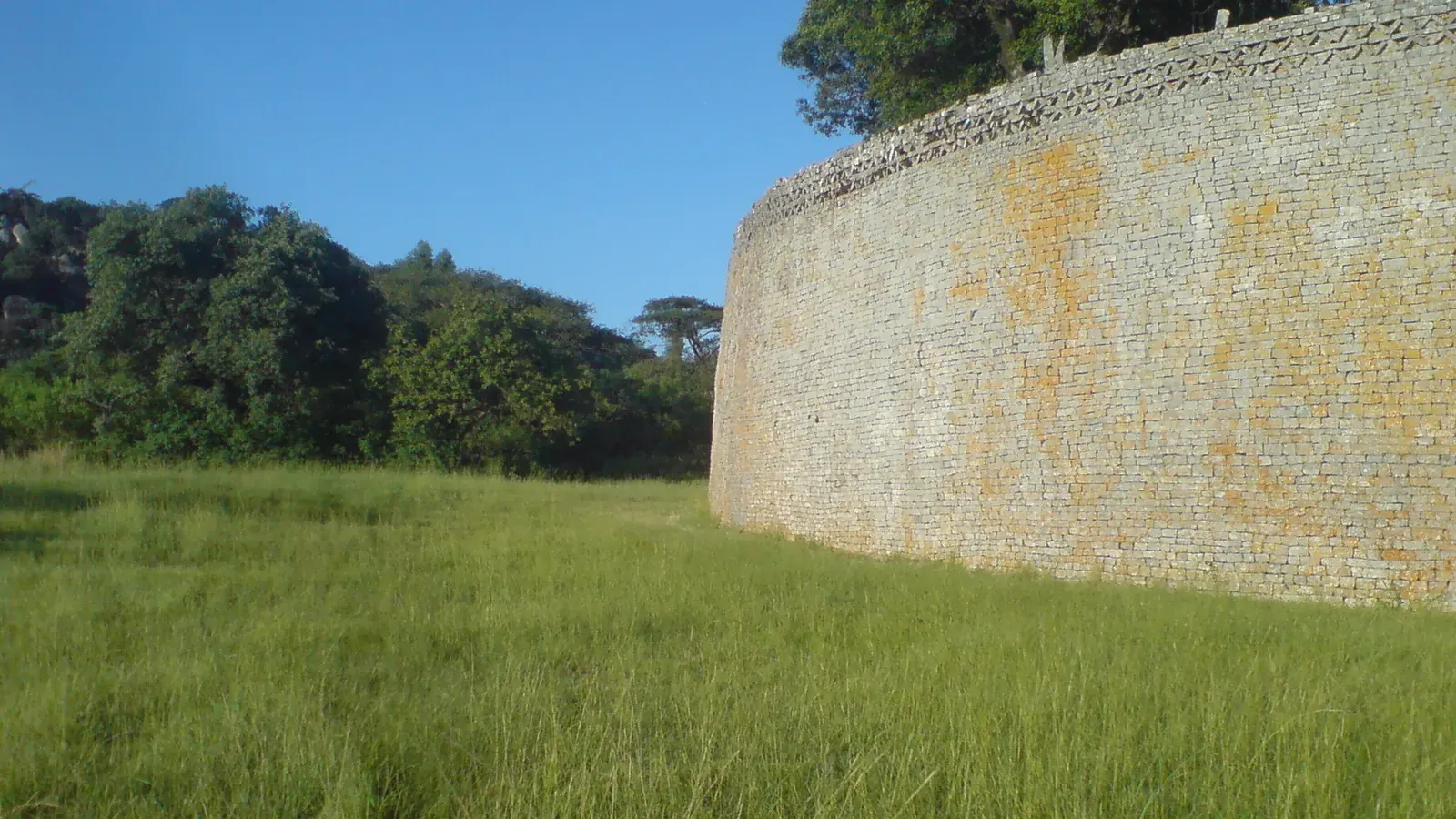
· 1010Ancestors of the Shona built Great Zimbabwe between about 1100 and 1450, a city that lived on cattle, grain and gold. Rhodesia censored the finding until 1980.
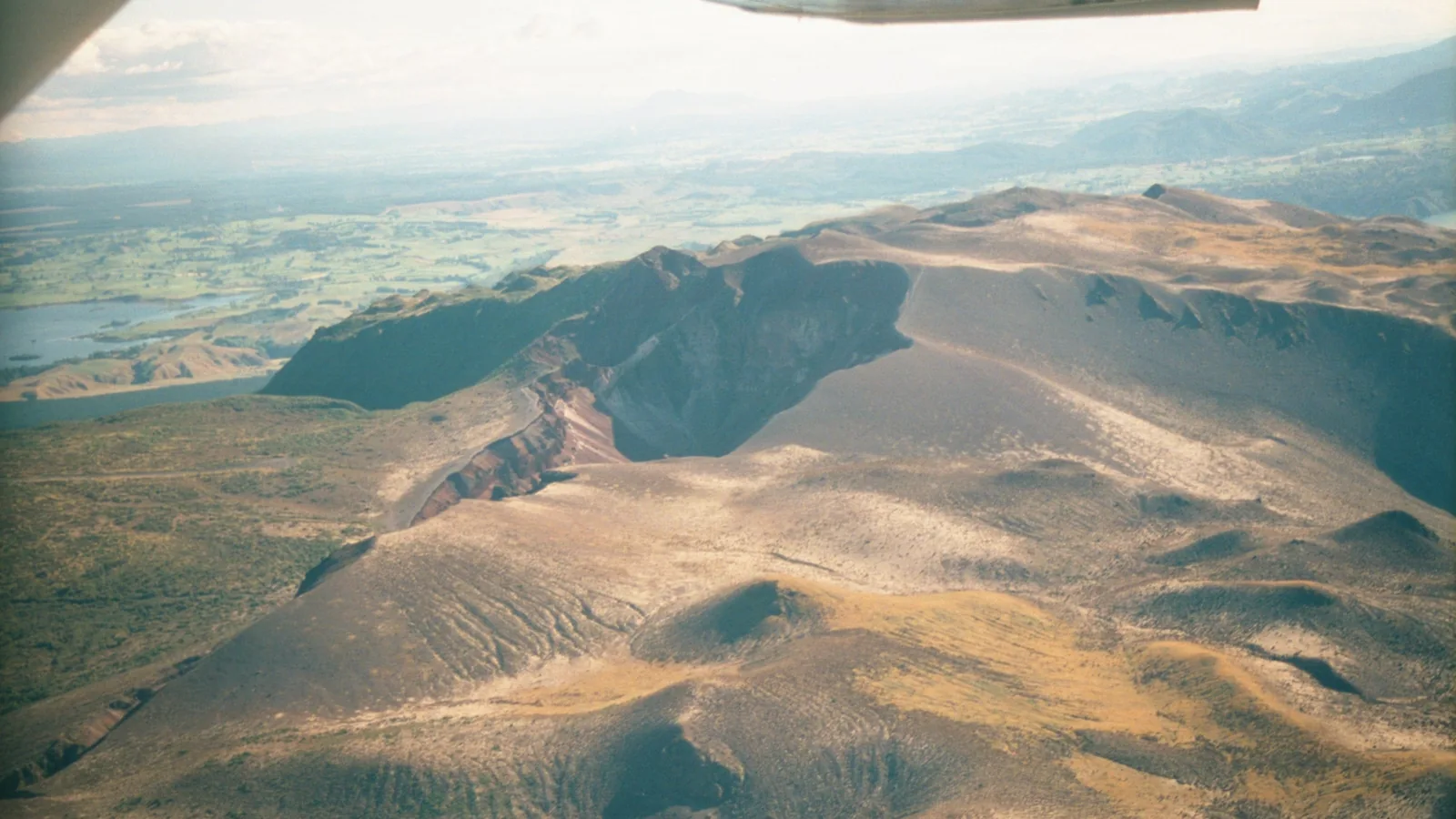
· 1300Tarawera's Kaharoa ash, dated to about AD 1314, holds rat-gnawed seeds. Rat bones, lake charcoal and a 2022 study date the first settlers decades earlier.
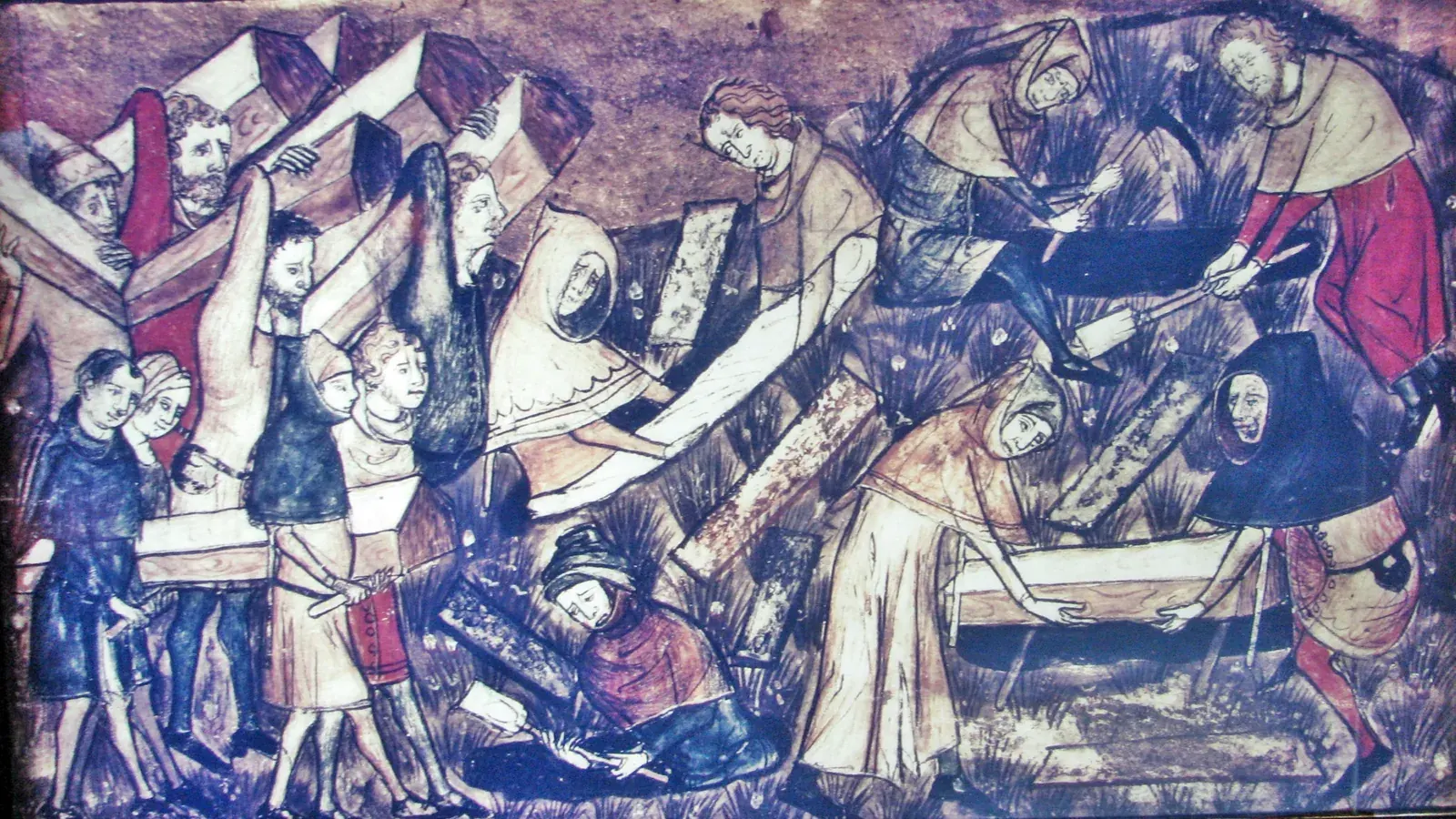
· 1314Ancient DNA from graves dated 1338 near Lake Issyk-Kul, in what is now Kyrgyzstan, put the Black Death's source strain at the root of the plague family tree.
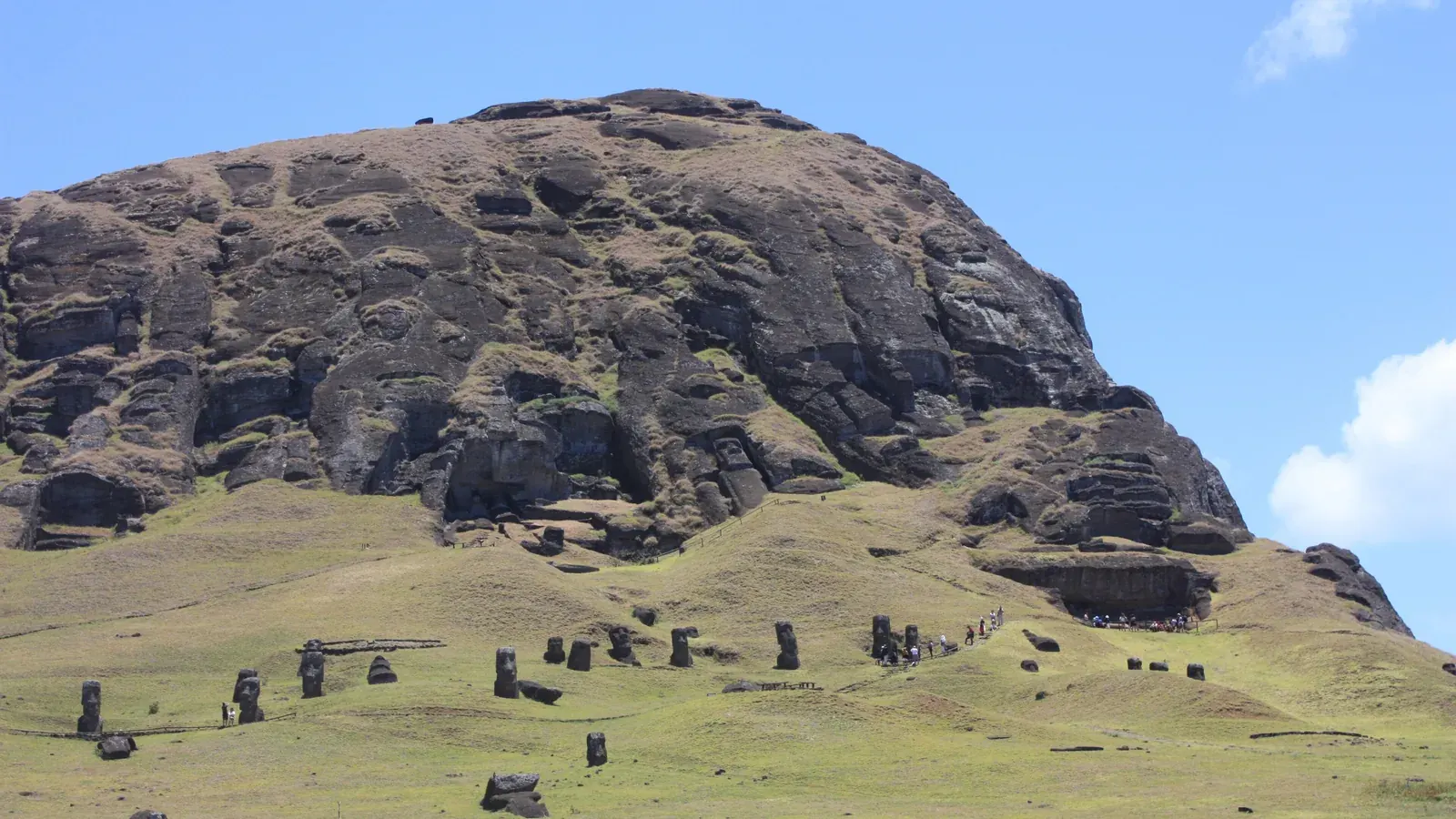
· 1347In 2012 Terry Hunt and Carl Lipo rocked a 5-ton replica moai upright with 18 people and three ropes. The road statues, the forest debate and the 1860s.
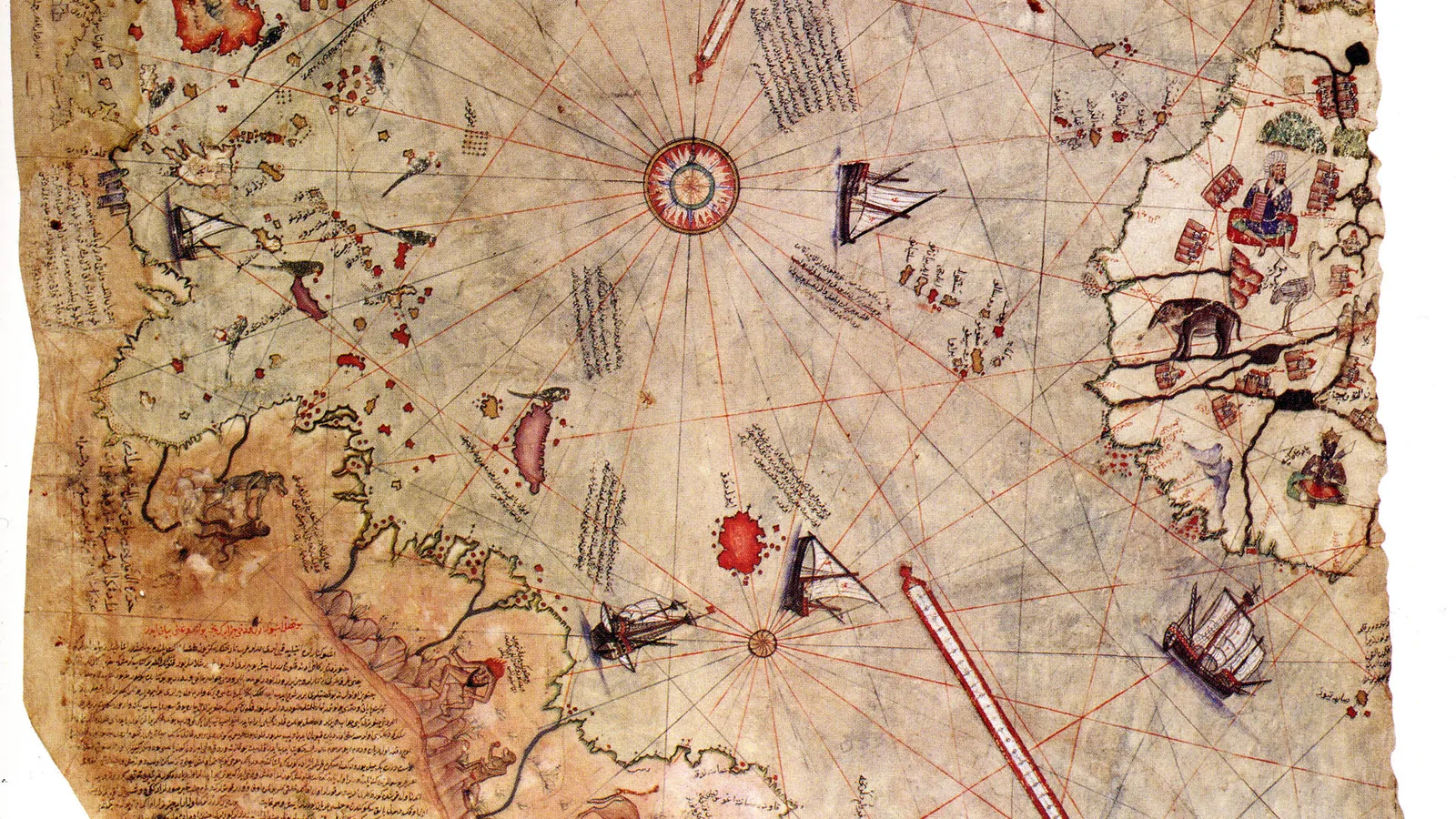
· 1400A gazelle-skin fragment names about twenty source charts, including one by Columbus. Found at Topkapi in 1929, it carries a disputed Antarctica claim.
· 1513