From the Nile valley kingdoms to the empires of the Sahel, Africa holds some of the longest continuous records of cities, writing and statecraft anywhere. These articles follow Egypt, Nubia, Carthage and the trading states that linked the continent to the Mediterranean and the Indian Ocean.
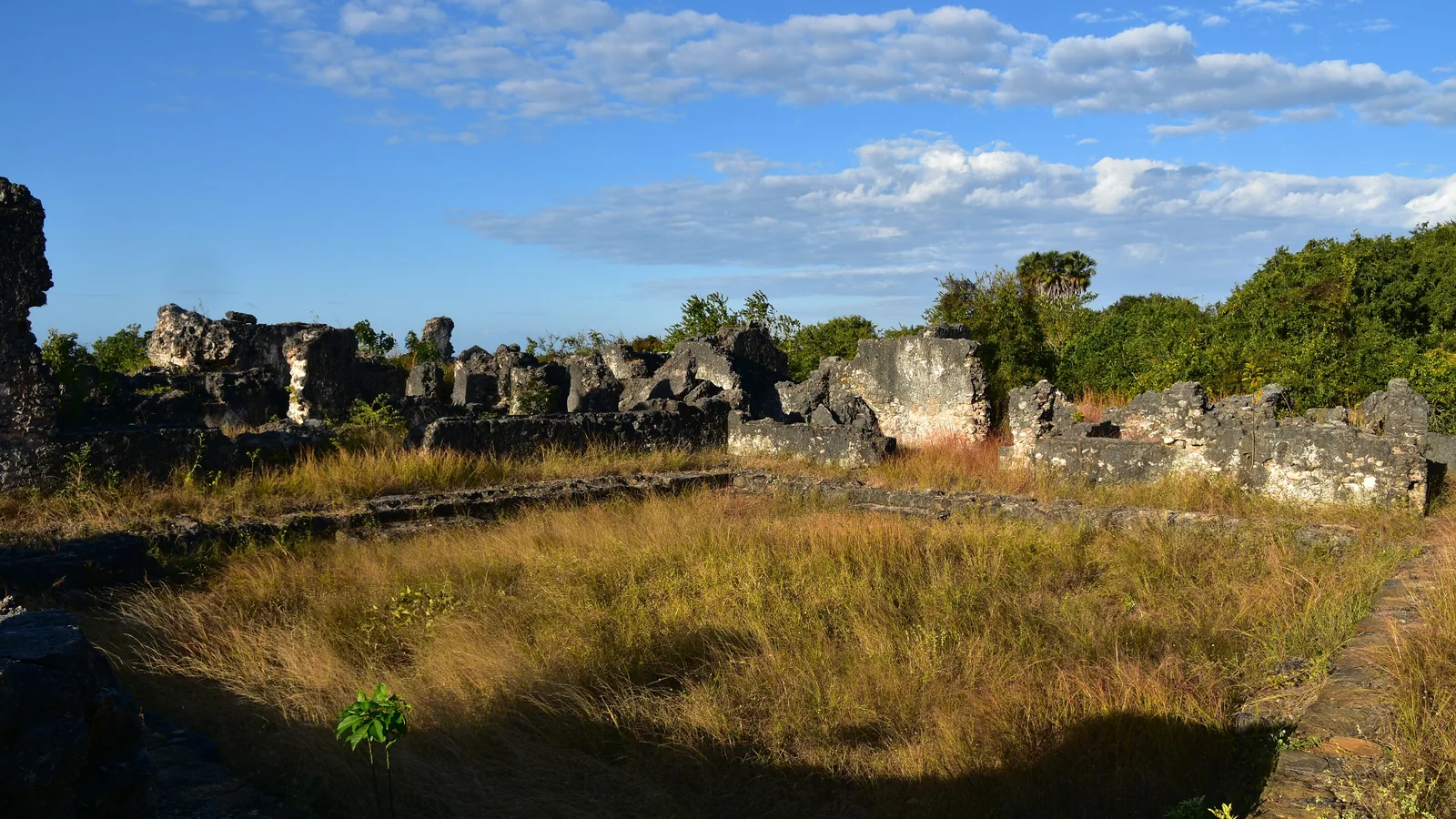
Ibn Battuta reached Kilwa in 1331. Excavations in the 1960s and 2016 and a 2023 DNA study date its origins differently; five of its coins turned up in Australia.
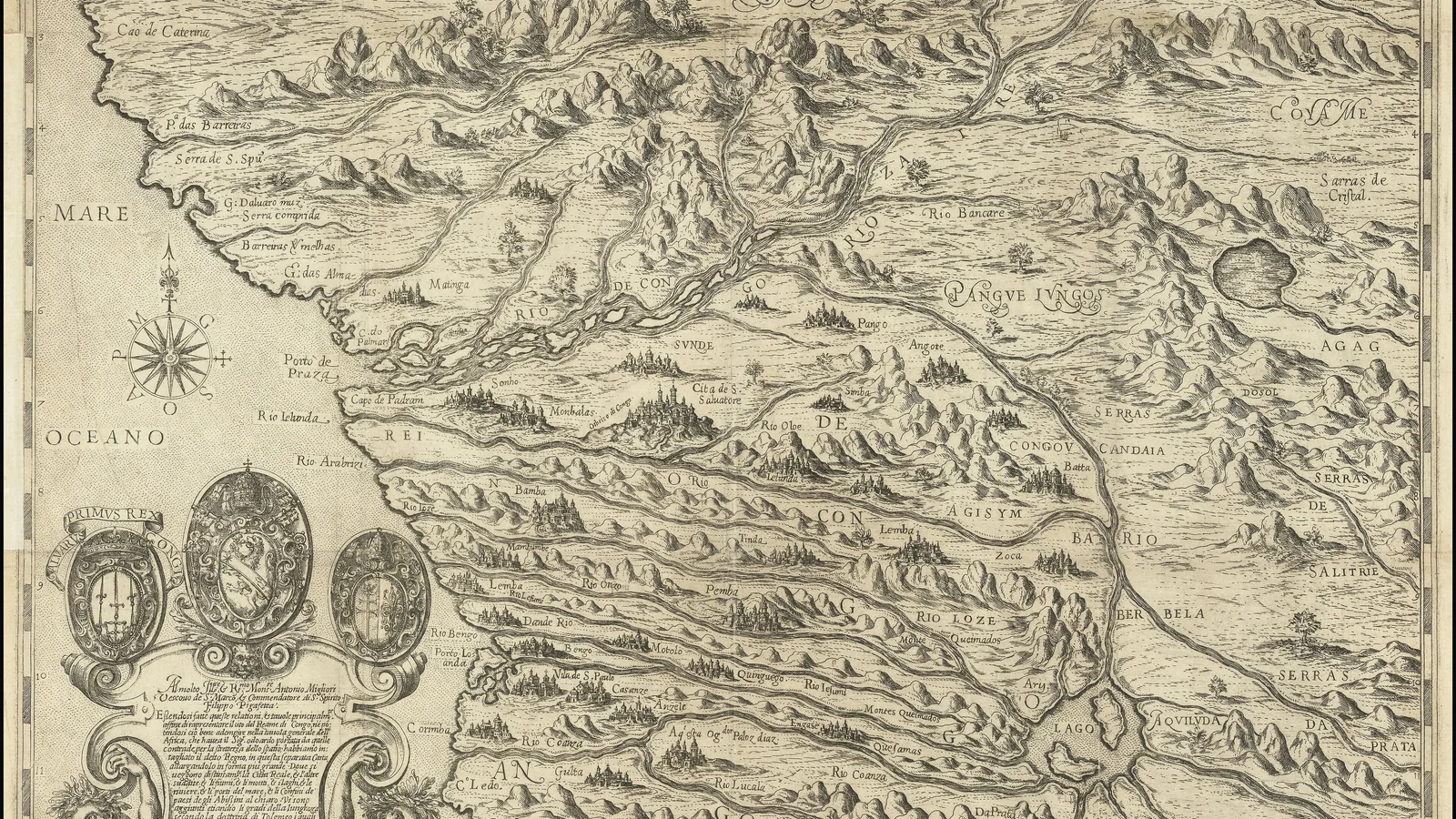
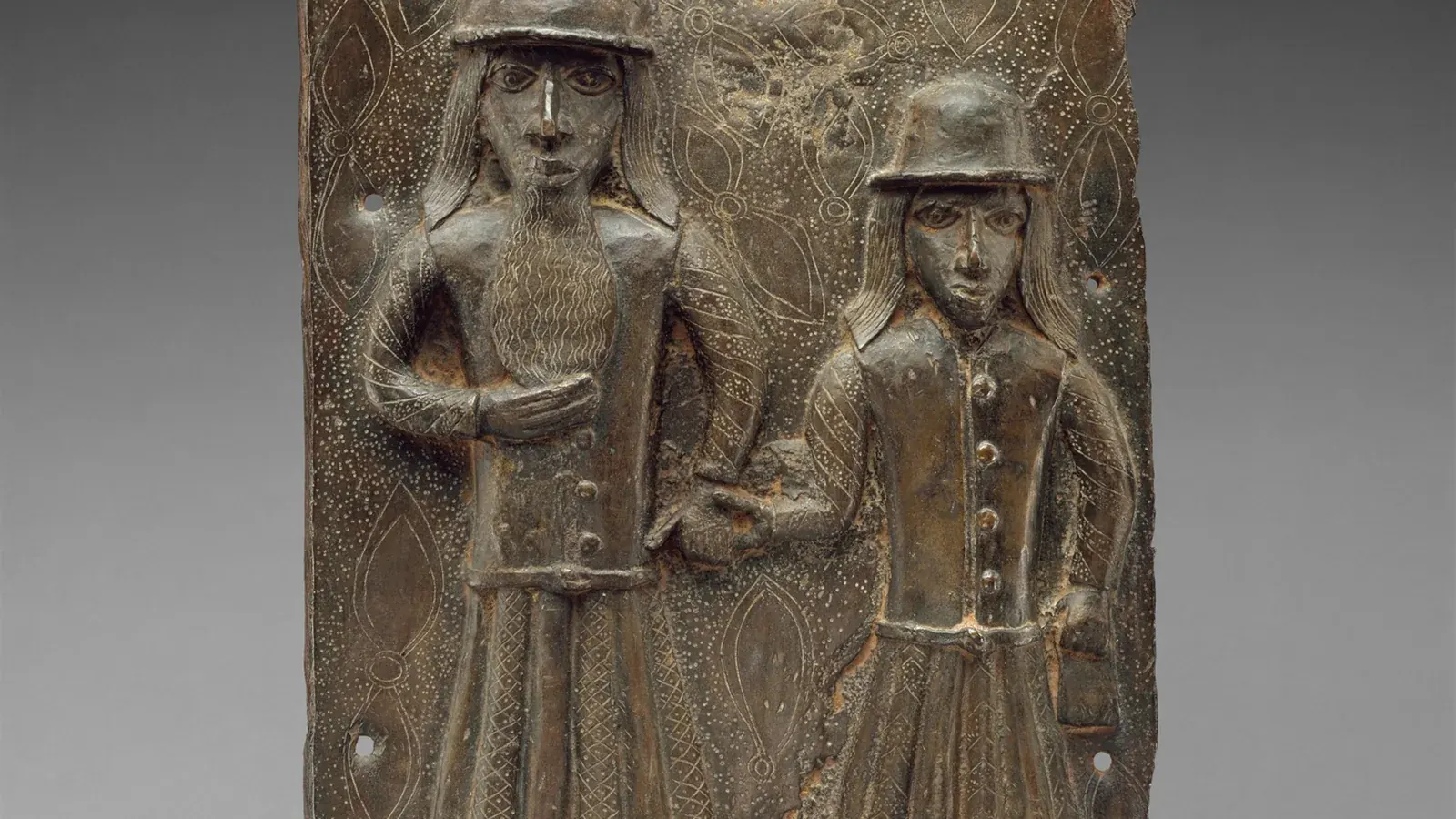
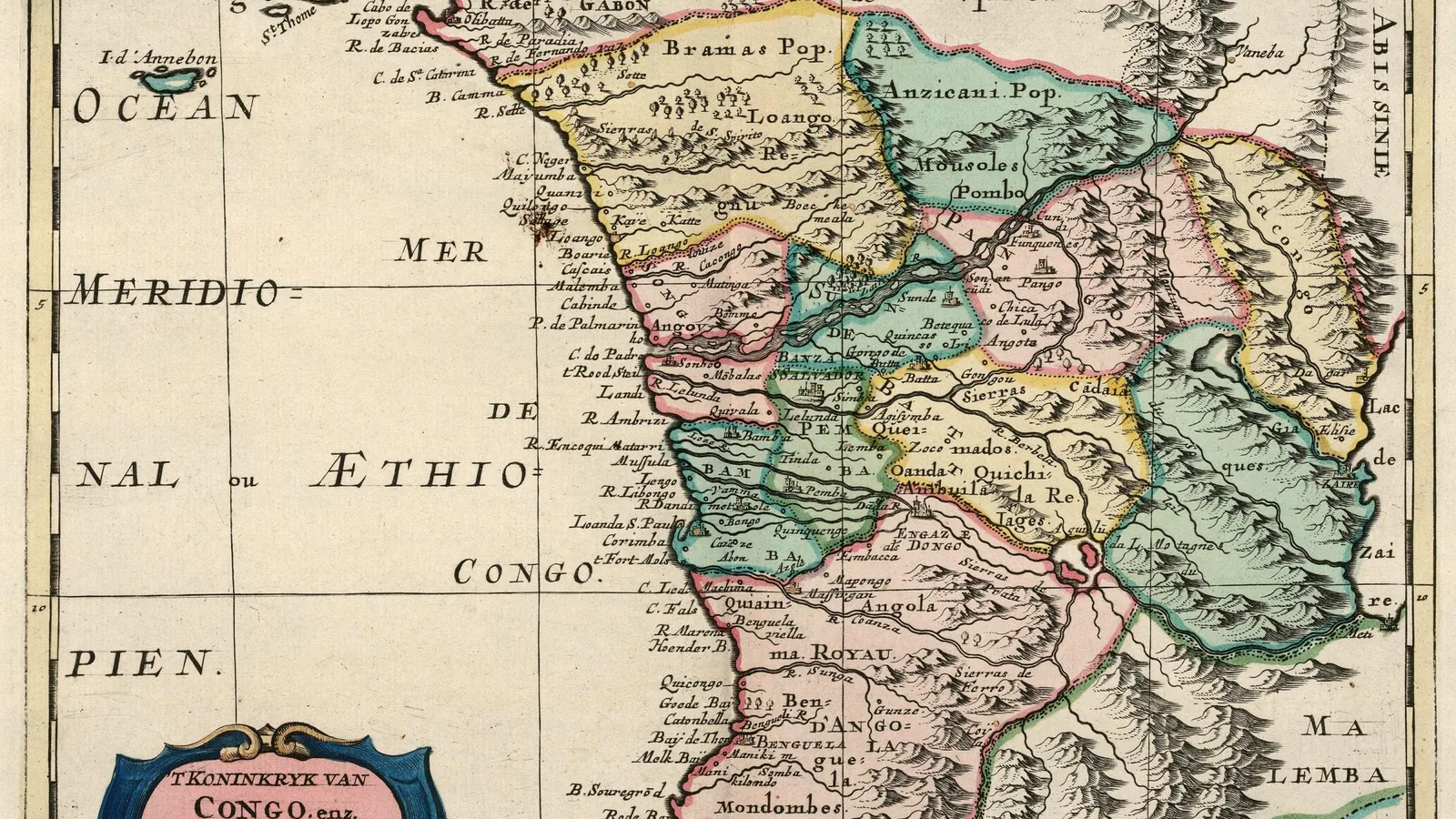
In three letters of 1526, Afonso I of Kongo asked João III of Portugal for priests, physicians and an end to the slave trade. The originals are in Lisbon.
In Luanda in 1622, Njinga secured a Portuguese withdrawal and recognition of Ndongo's sovereignty from Governor Correia de Sousa, per the SciELO account.
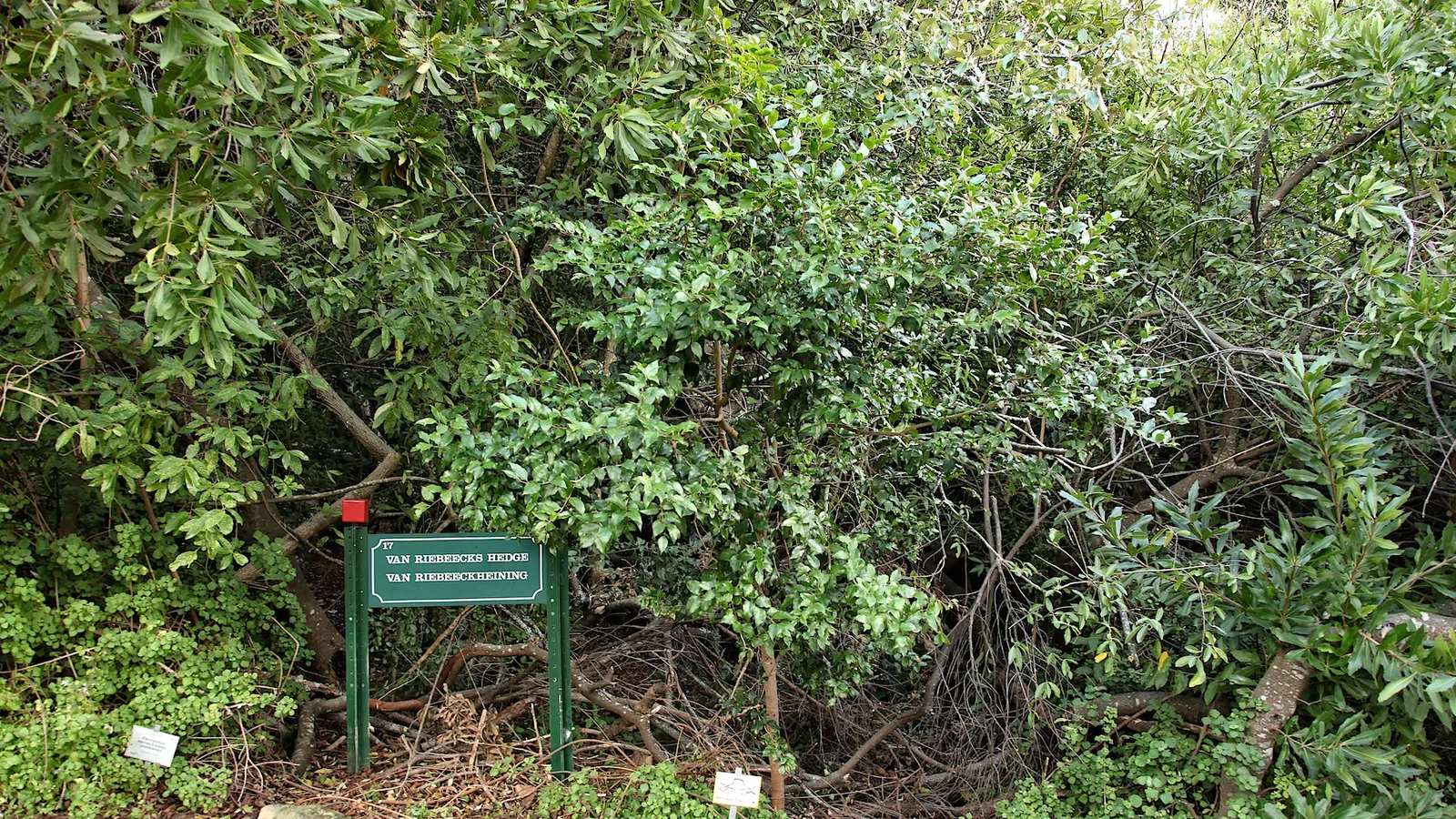
On April 5 and 6, 1660, Khoekhoe leaders at Table Bay asked the Dutch East India Company who should give way on their land. A wild-almond hedge followed.
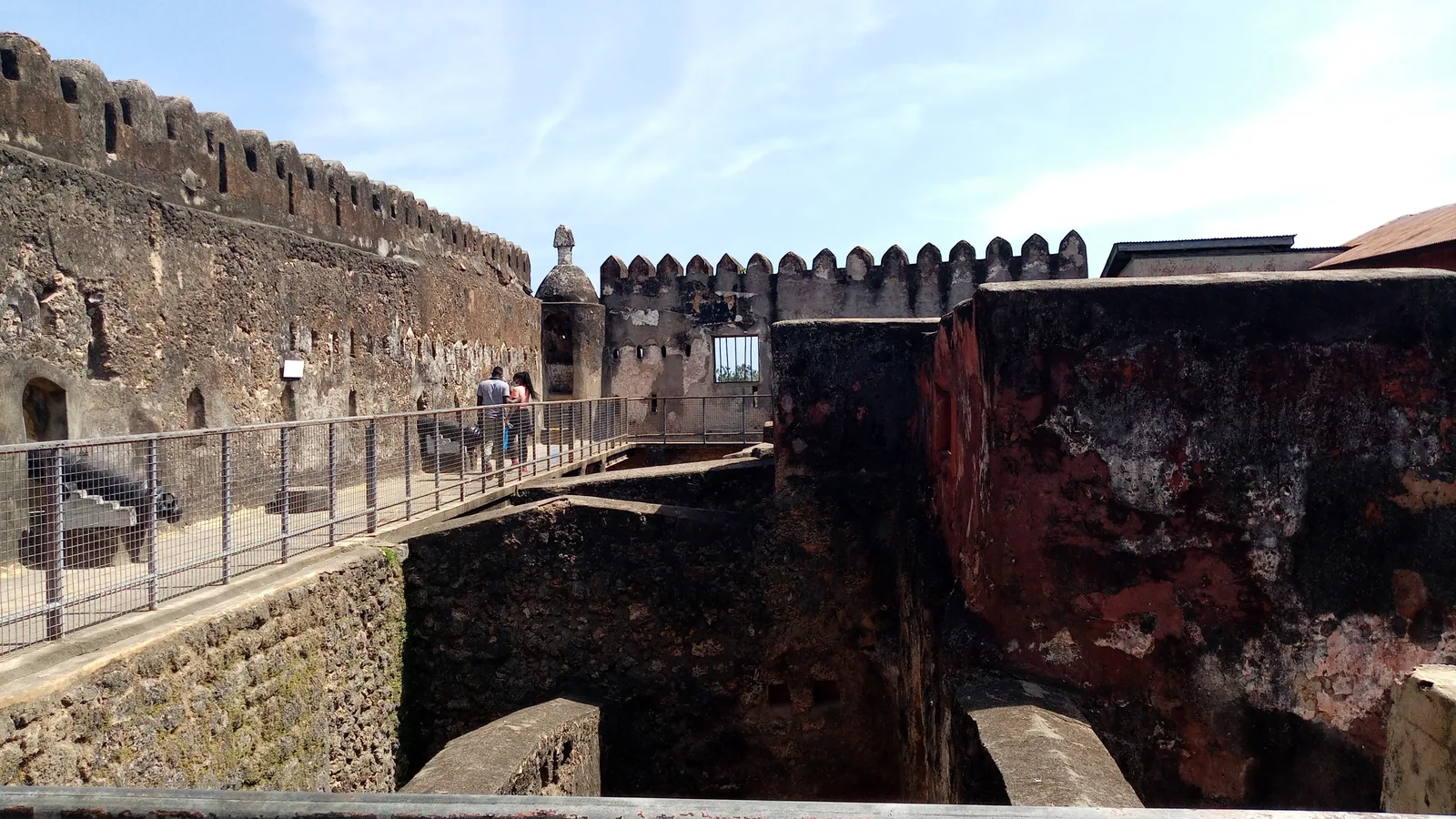
An inscription dated April 11, 1593, and a 33-month Omani siege that ended in 1698 mark Fort Jesus, Mombasa, and the frigate that sank offshore in 1697.
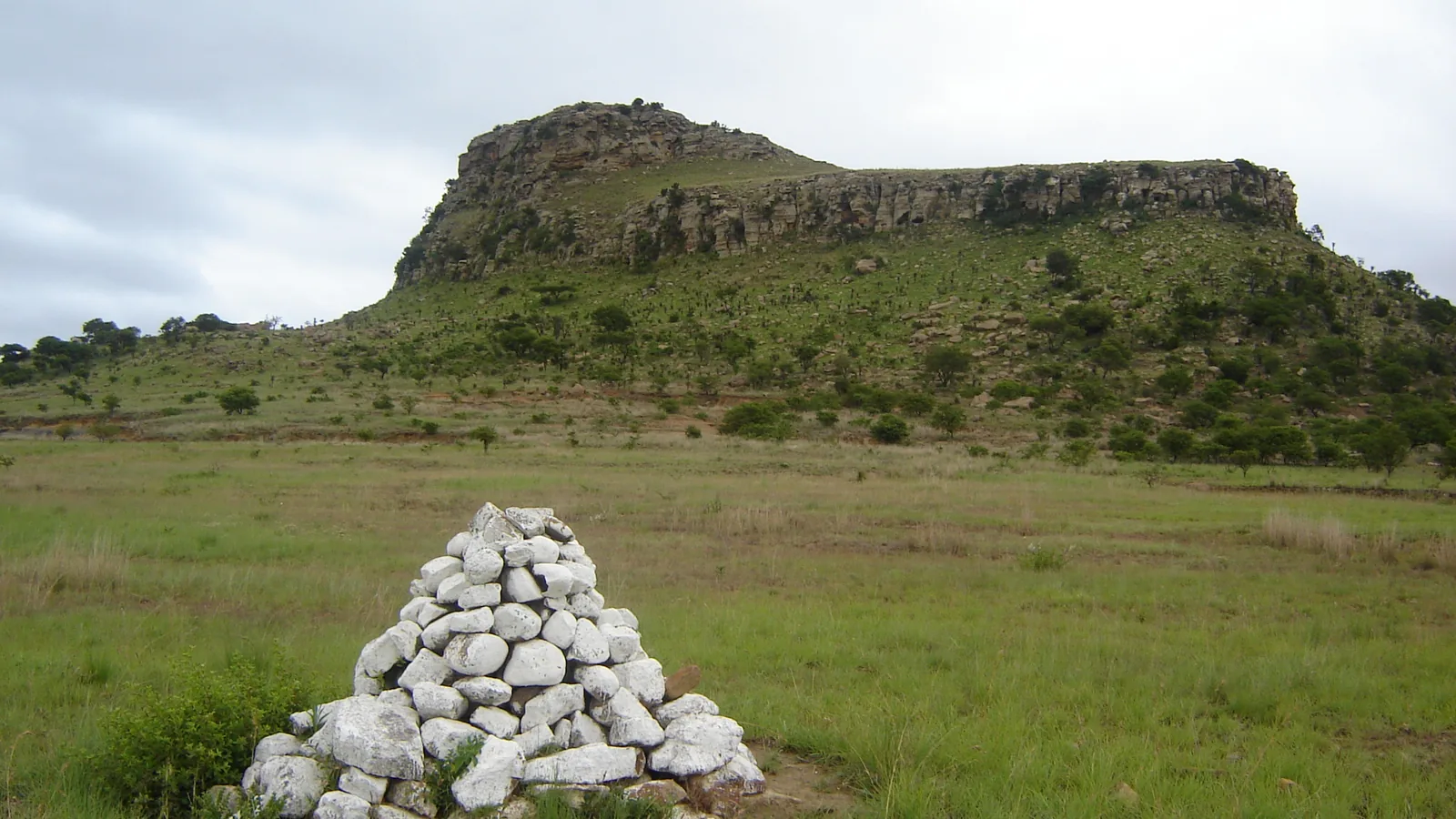
On February 3, 1879, Chelmsford wrote that every record of No. 3 Column was lost. The Gazette printed the dead by name; the Commons divided 246 to 306.
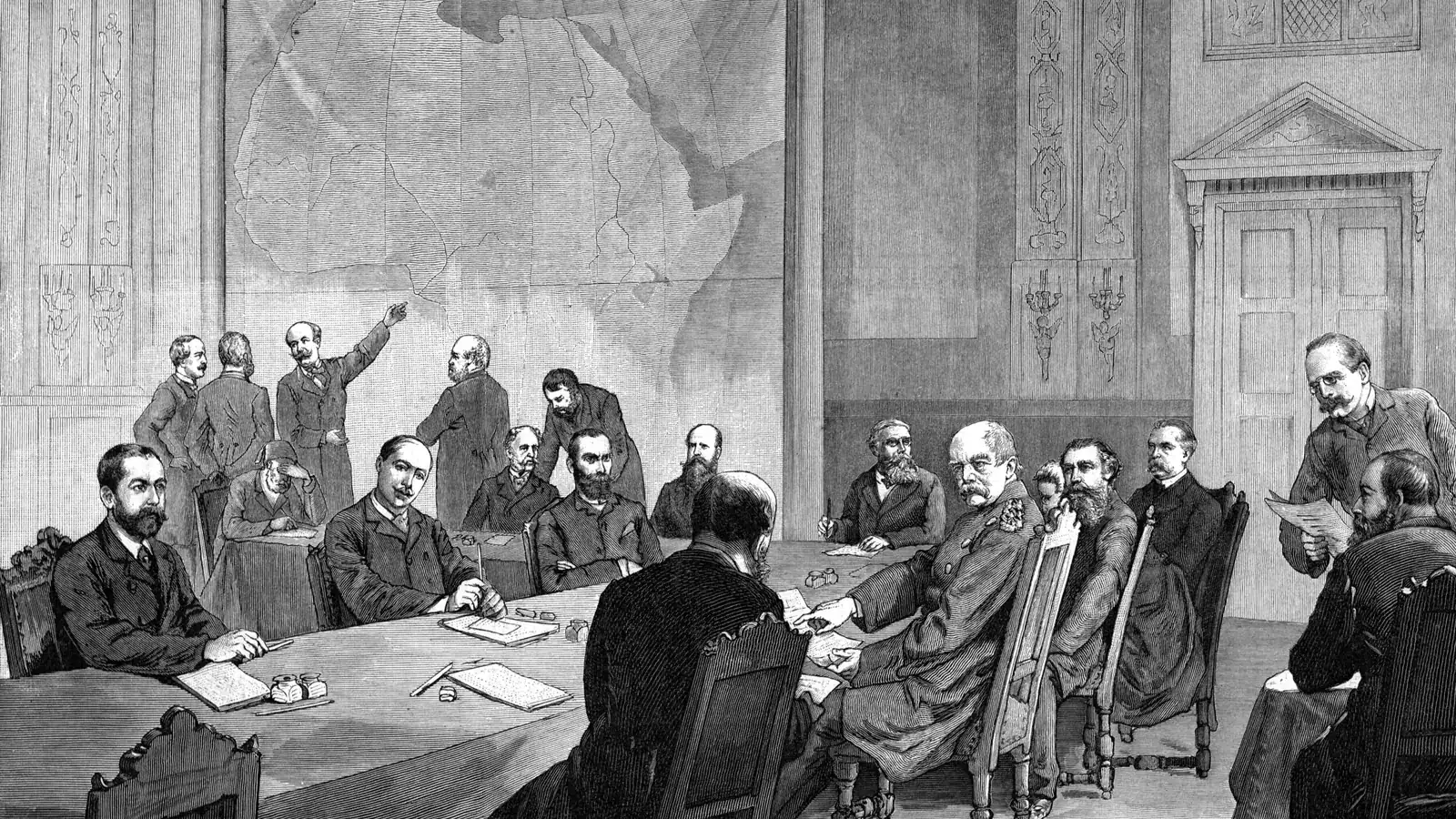
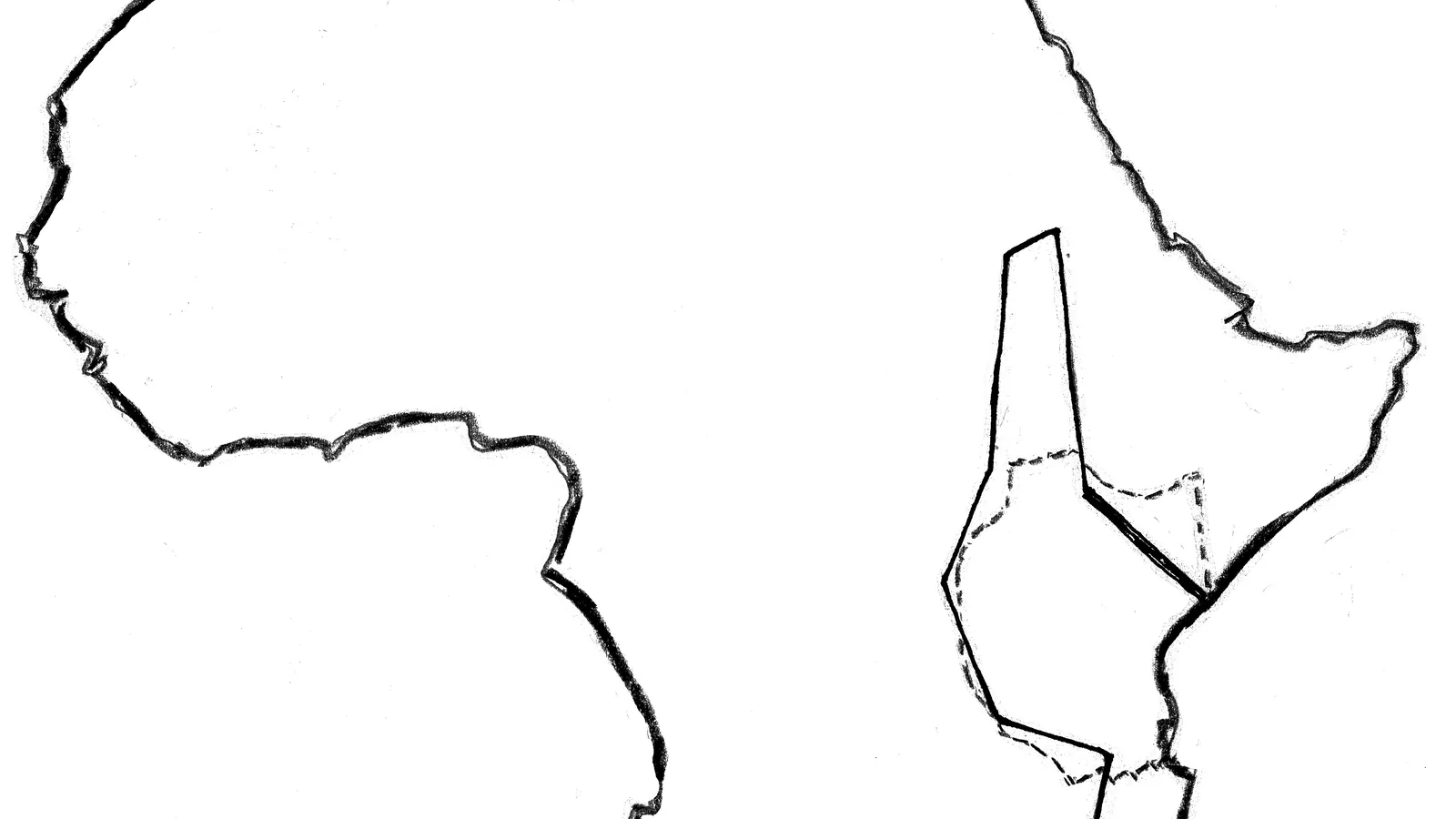
The General Act signed in Berlin on February 26, 1885, drew no borders. It set trade and river rules; the partition came by treaty and war in the years to 1914.
Rinderpest reached Africa with the Italian invasion of Eritrea in 1889, killed 90 to 95 percent of cattle by 1896, and was declared eradicated worldwide in 2011.
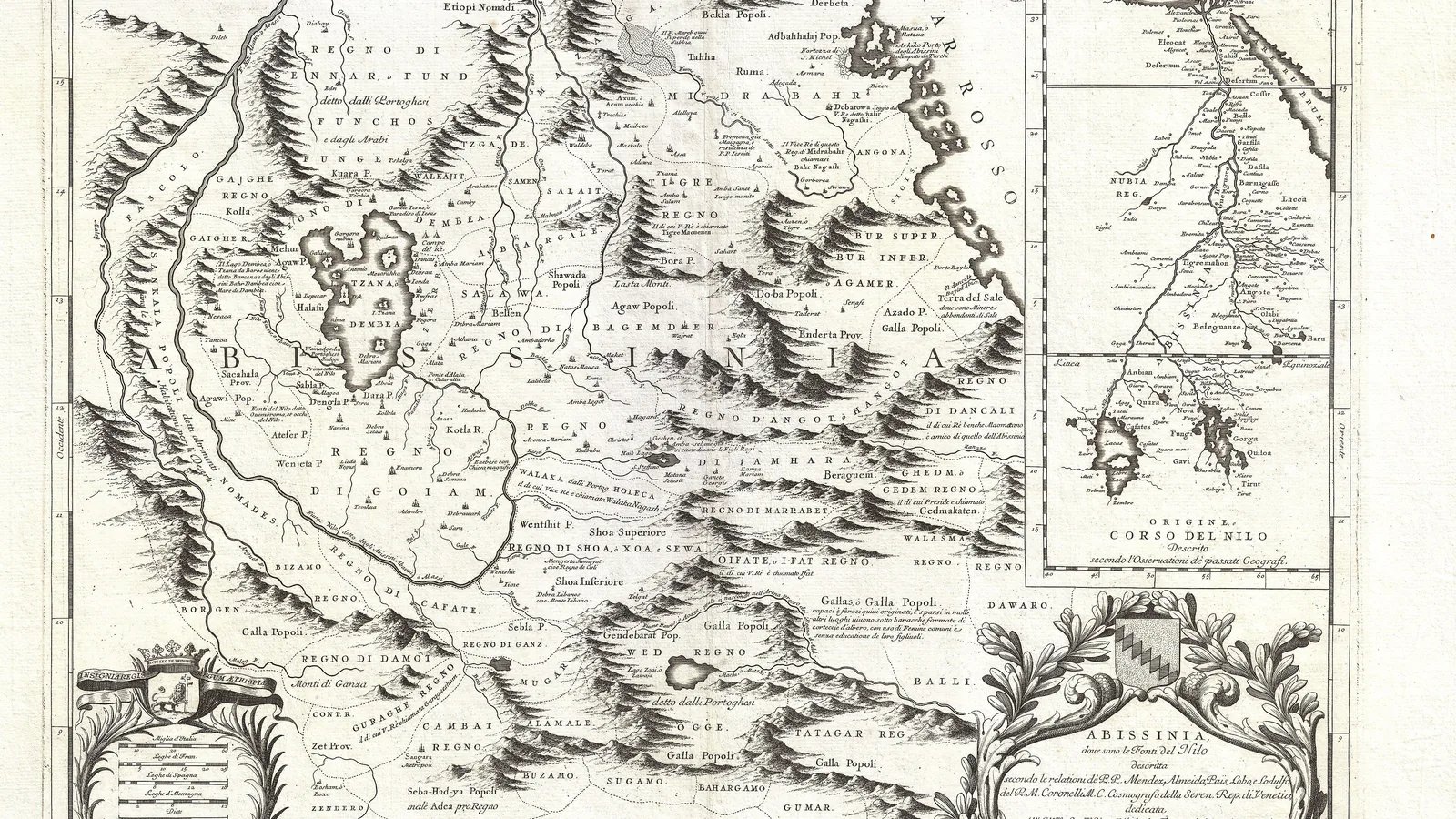
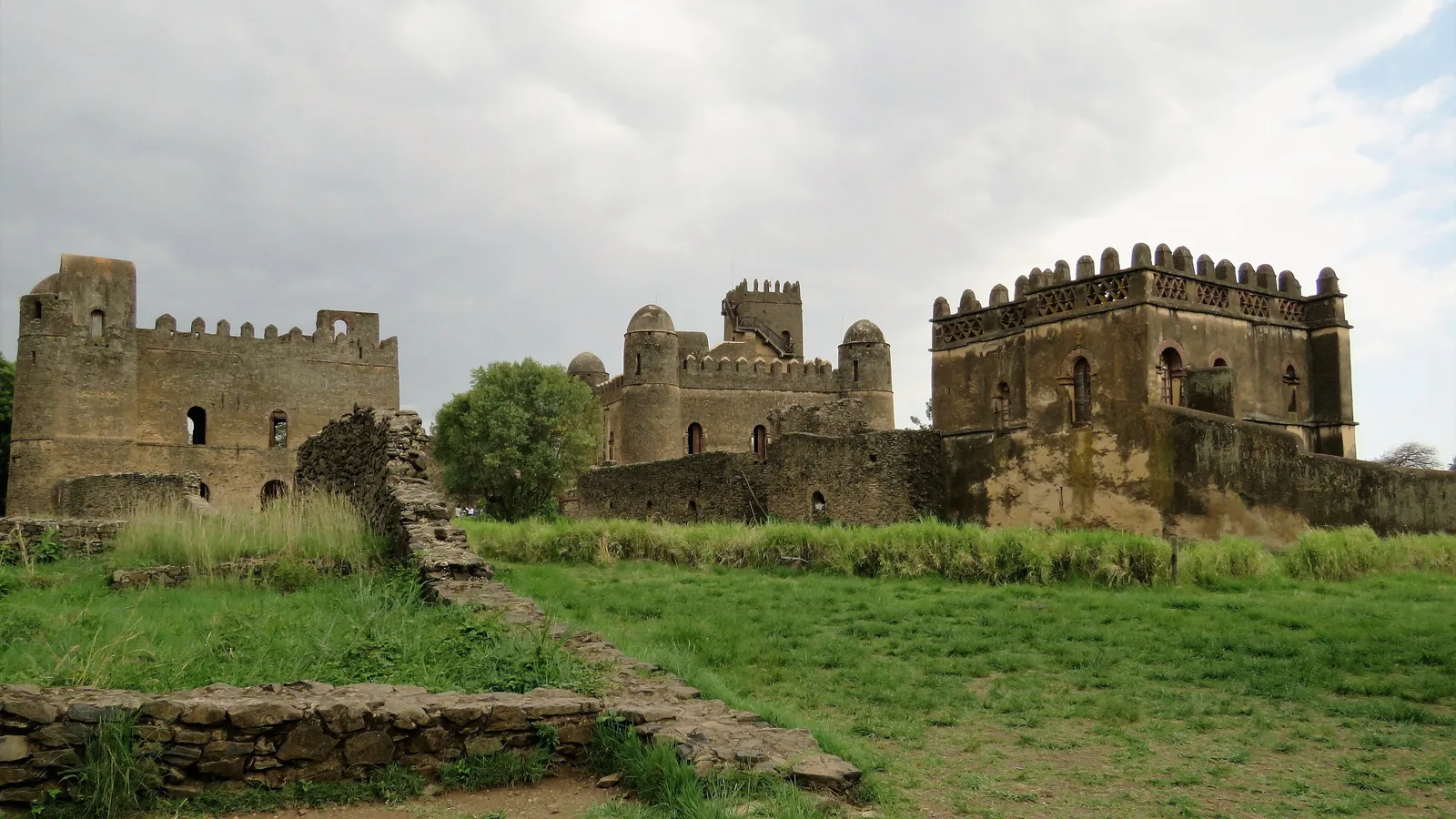
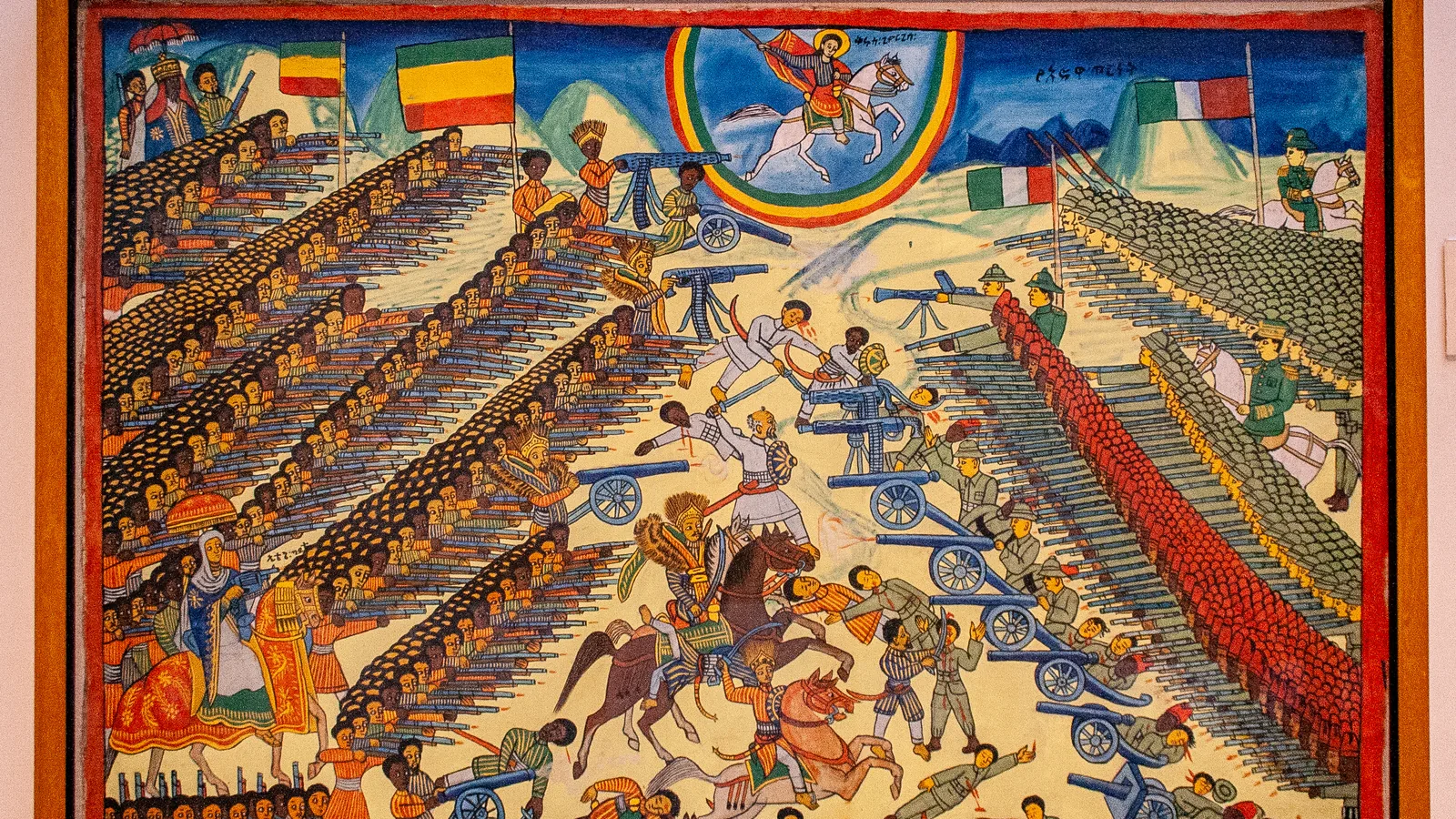
Article 17 of Wuchale says Menelik "consents" to use Italy in foreign business. Rome told the powers it would conduct it. Adwa decided which word stood.
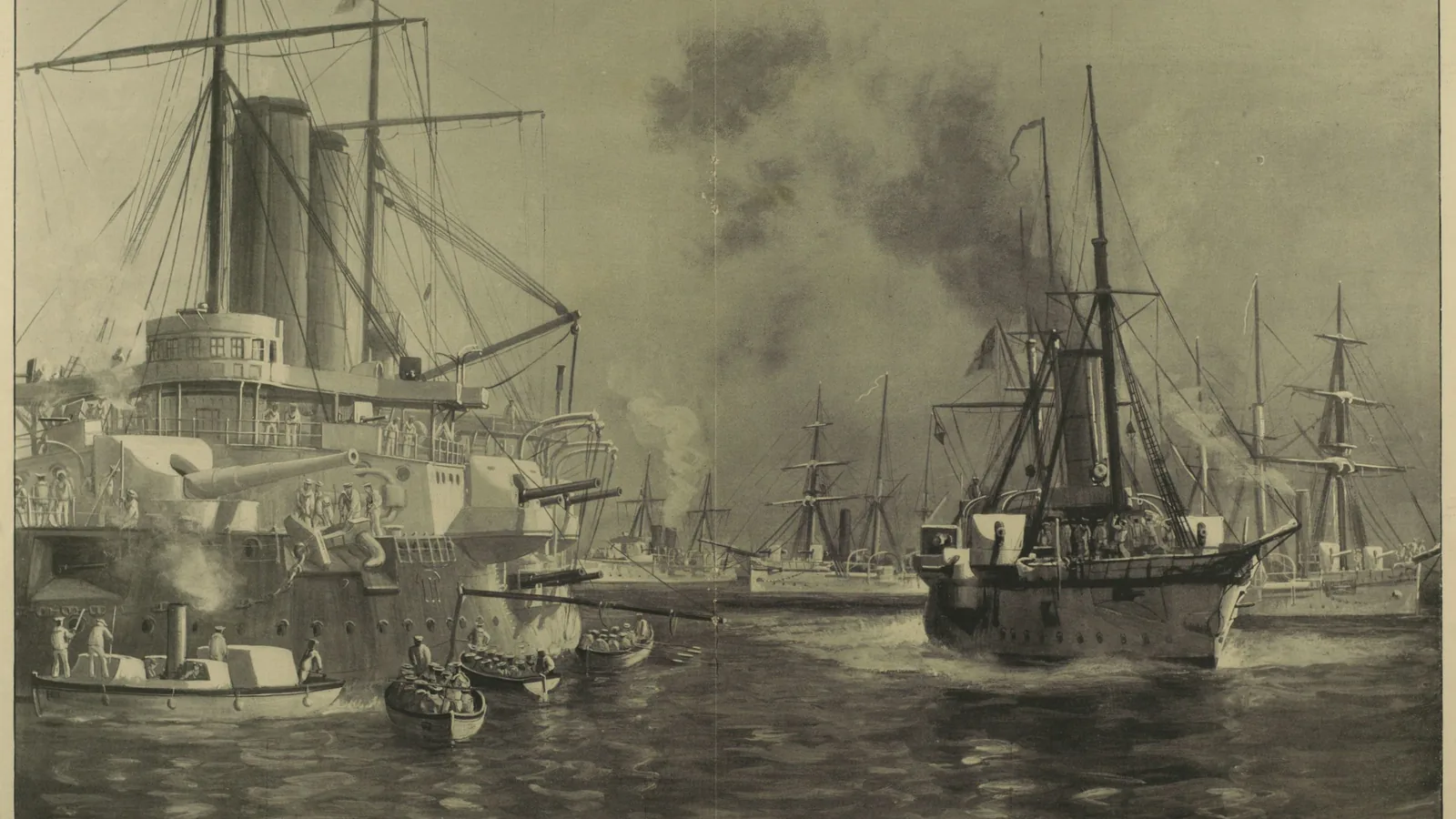
Rawson's ultimatum to Khalid bin Barghash ran out at nine on August 27, 1896. Lyne, a Zanzibar official, timed the bombardment at thirty-seven minutes.
Carter's journal for November 26, 1922 records his answer to Lord Carnarvon: "Yes, it is wonderful." The famous "wonderful things" is from his 1923 book.
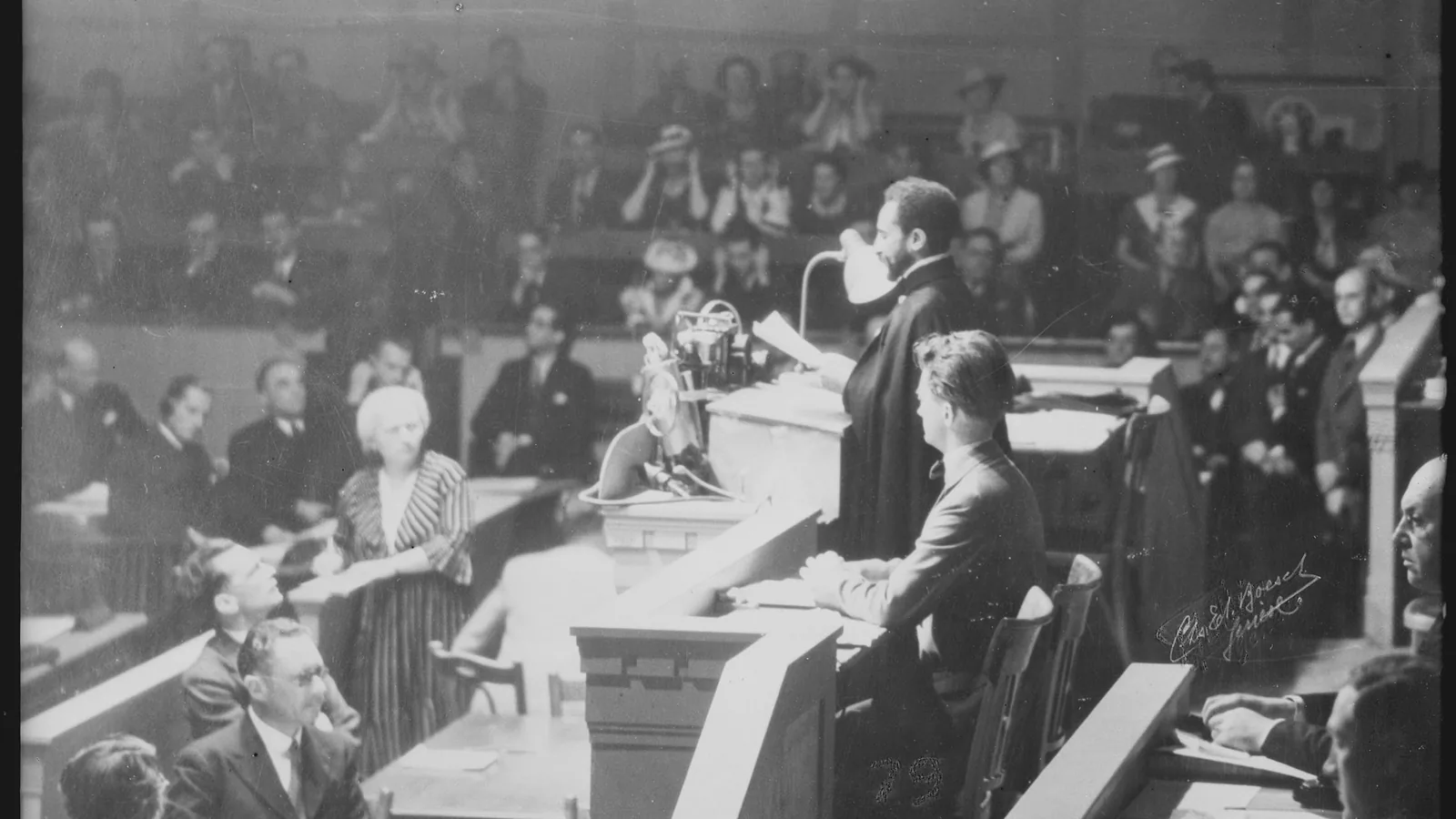
The Covenant bound members to cut all trade with an aggressor. Against Italy they applied it in part, left oil and Suez open, and offered Rome a slice.
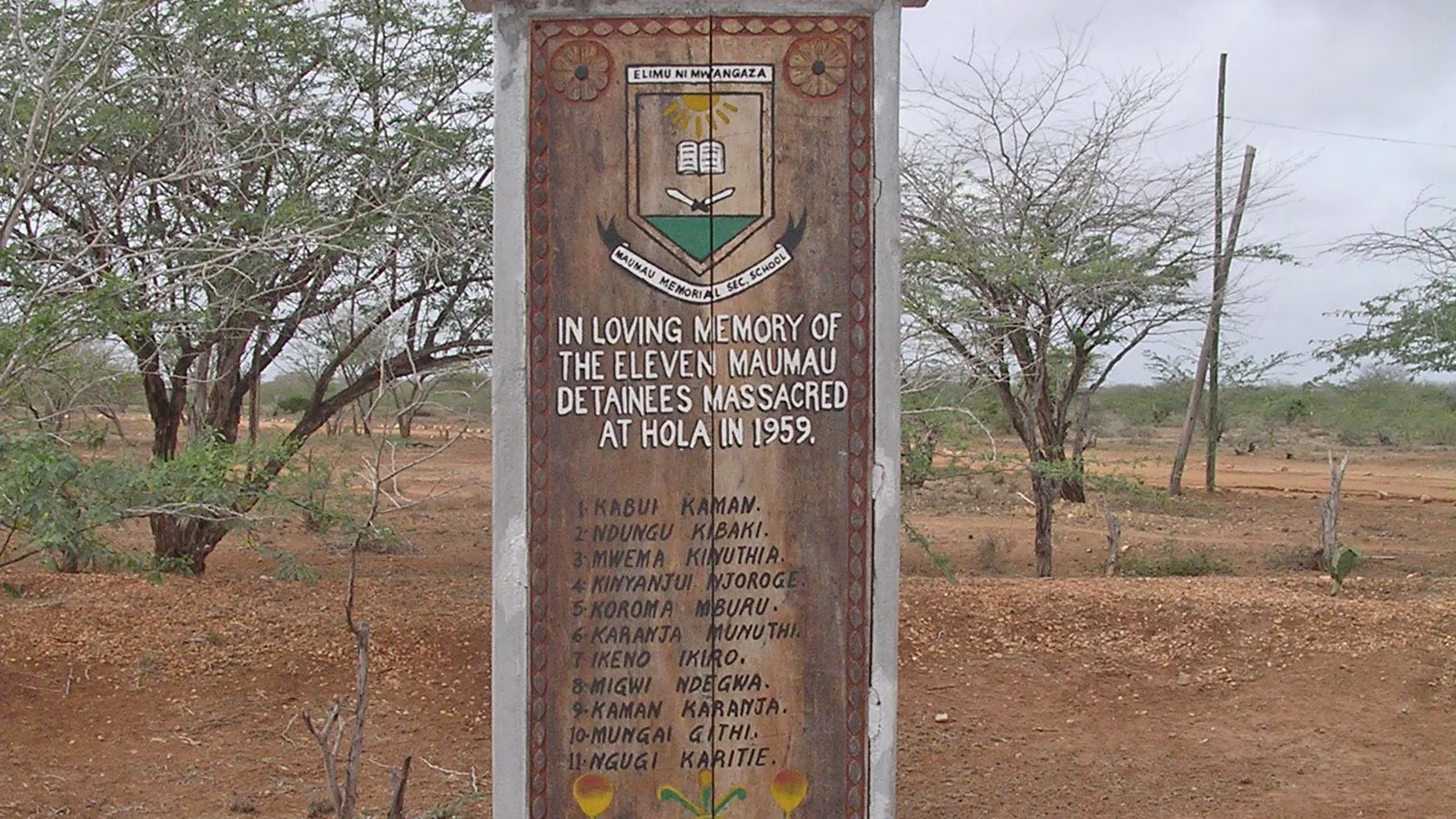
Eleven detainees died at Hola Camp, Kenya, on March 3, 1959. Nairobi blamed a water cart; the inquest found violence. Hansard 1959 to files opened in 2014.
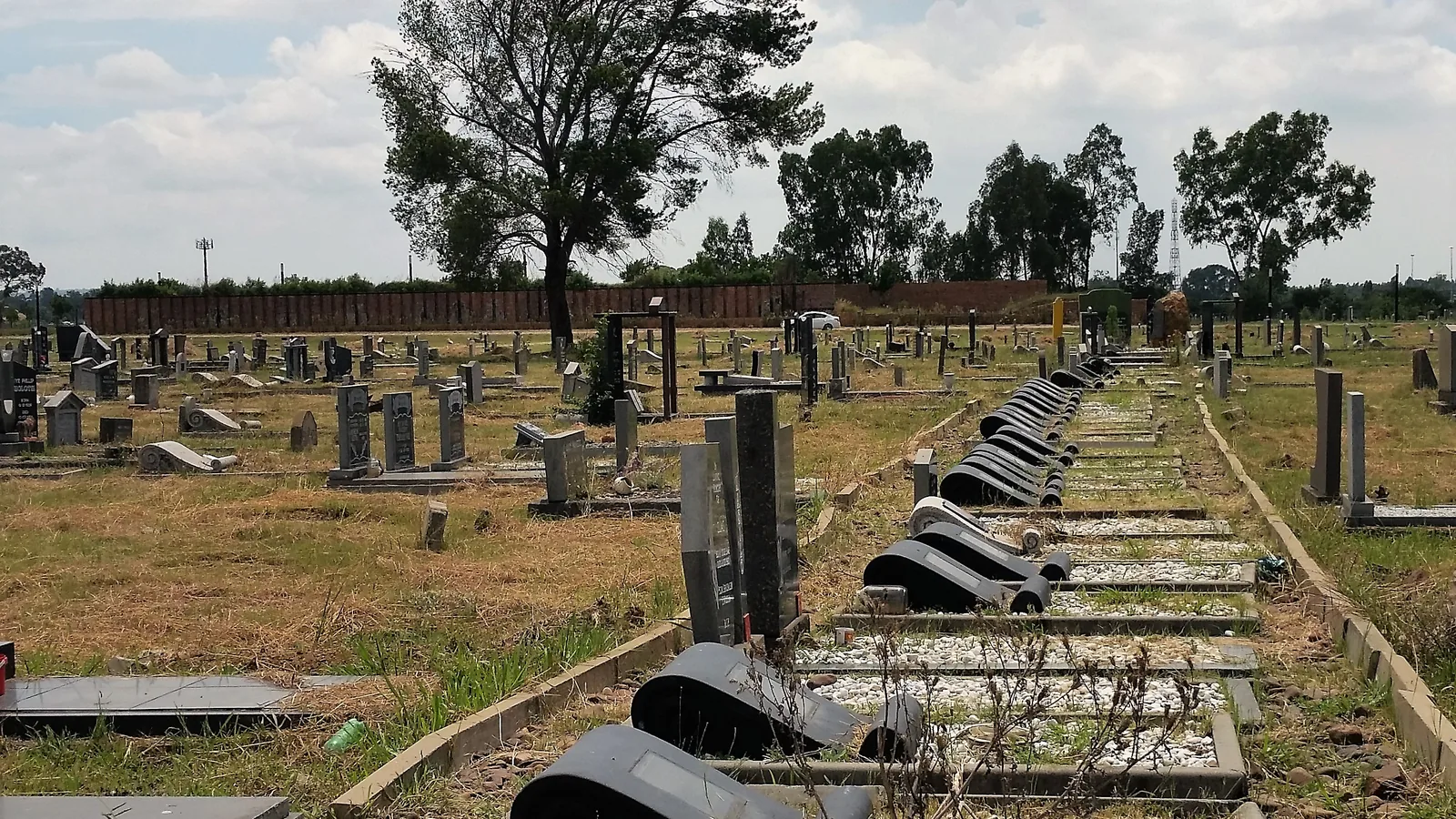
April 1, 1960: the Security Council deplored, 9 to 0 with France and Britain abstaining, policies behind the Sharpeville shooting of March 21 (69 dead).
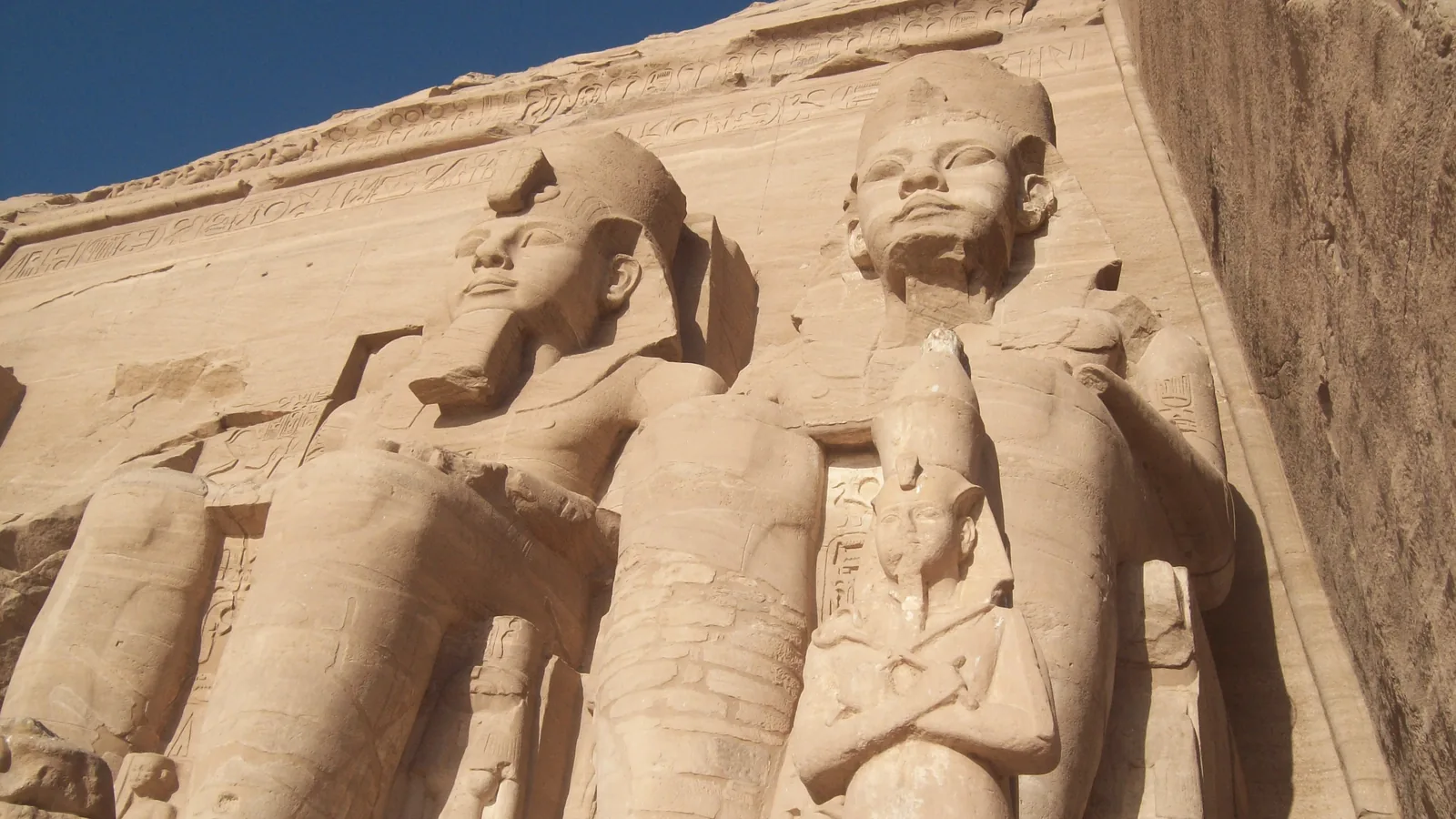
On March 8, 1960, UNESCO's director-general launched an appeal to save Nubia's monuments from the Aswan High Dam. Abu Simbel's temples rose 65 meters by 1968.
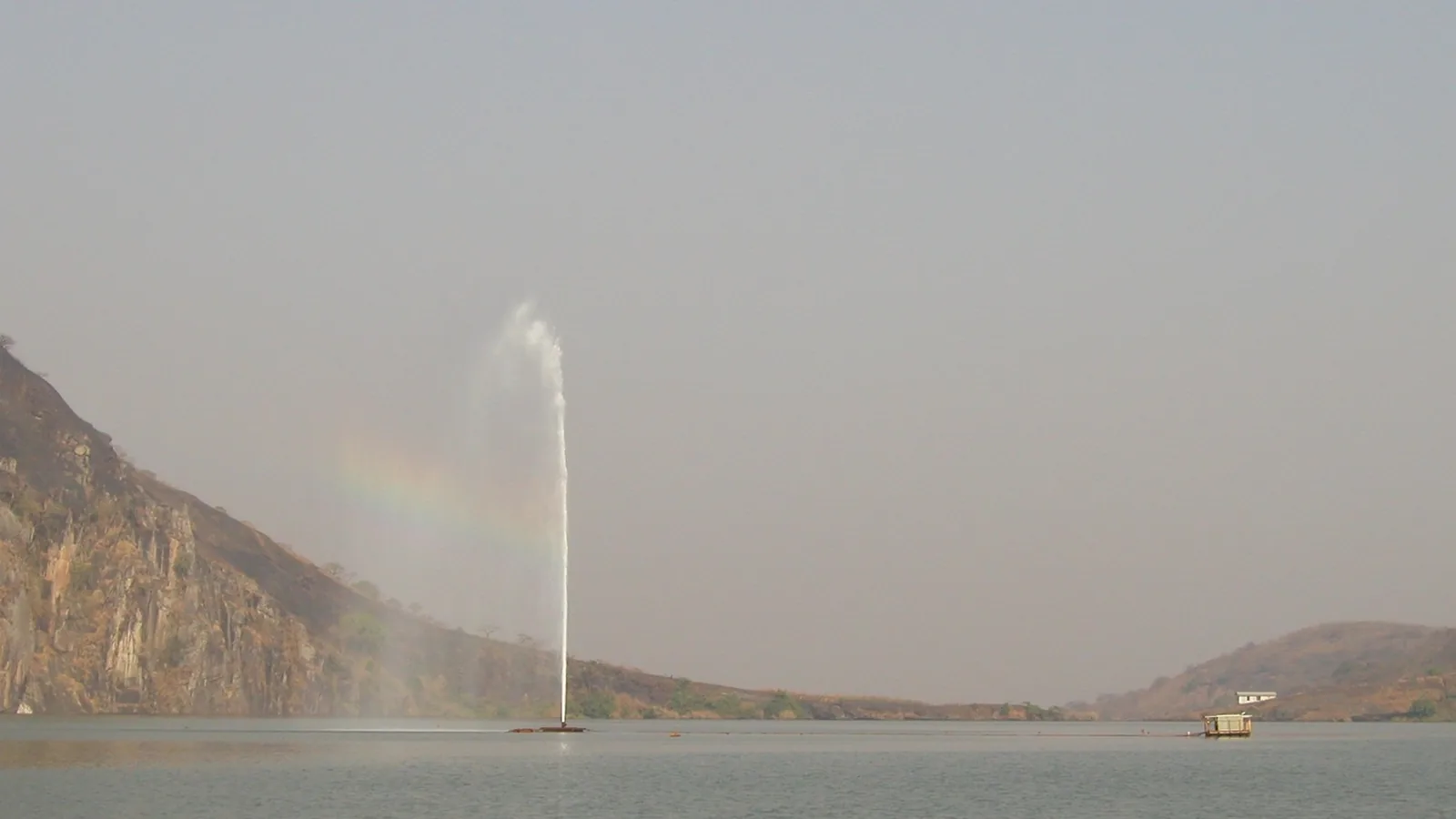
On August 21, 1986, Lake Nyos in Cameroon released stored carbon dioxide, killing at least 1,700 people. A degassing pipe began pumping the lake in 2001.