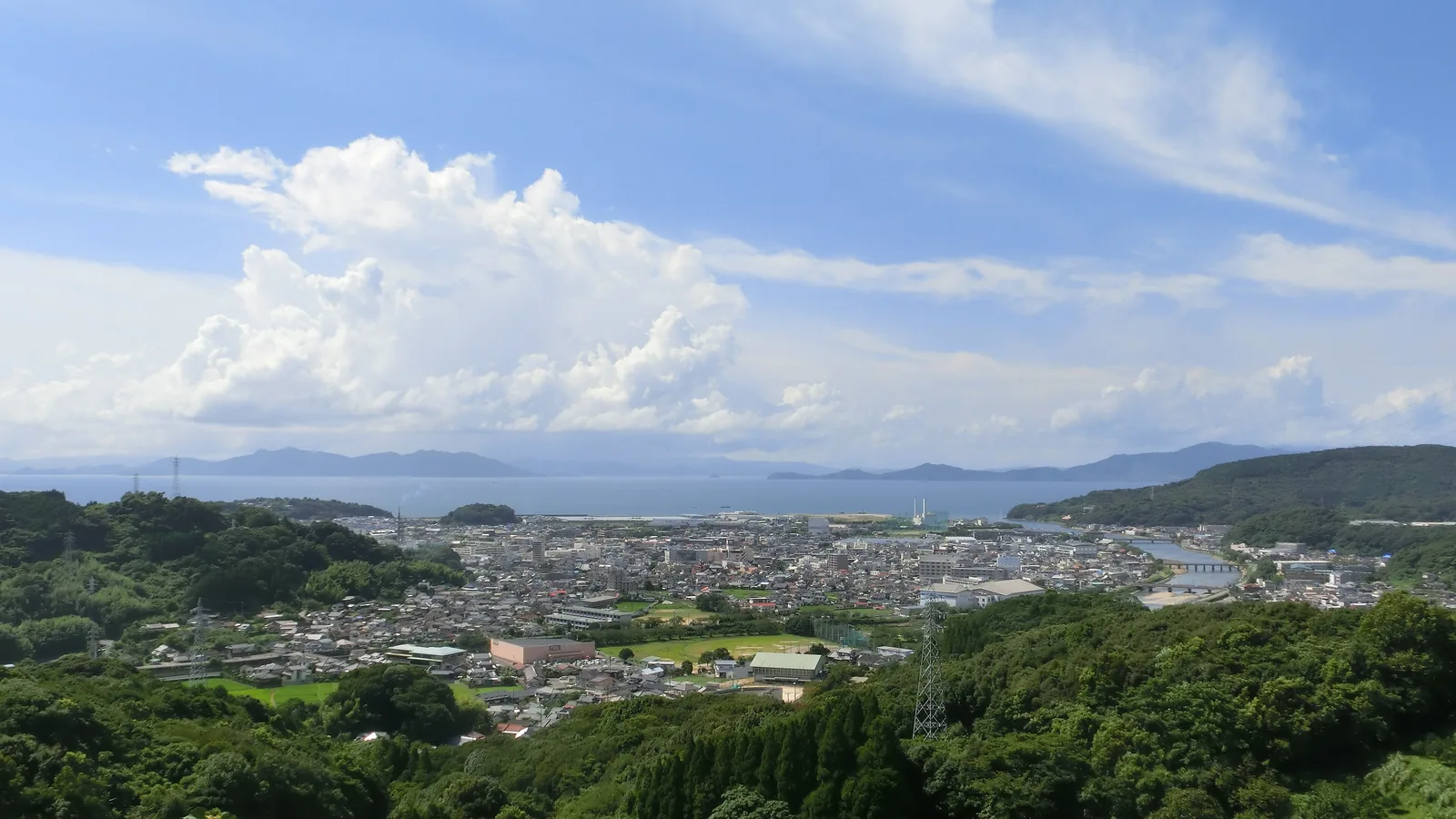
A Chisso doctor reported an unknown nervous disease on May 1, 1956. Japan named methylmercury from the plant in 1968; a mercury treaty followed in 2013.
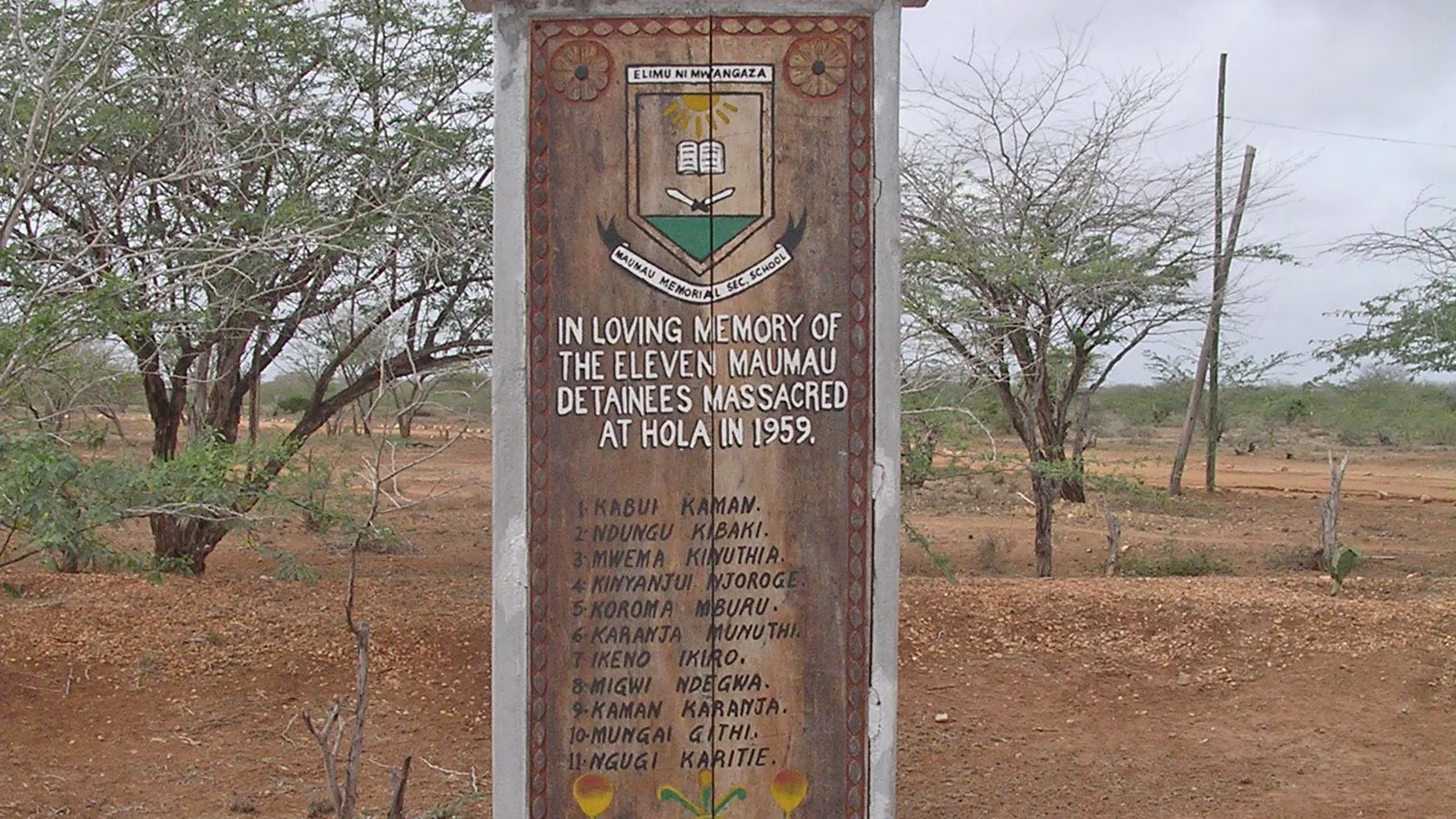
Eleven detainees died at Hola Camp, Kenya, on March 3, 1959. Nairobi blamed a water cart; the inquest found violence. Hansard 1959 to files opened in 2014.
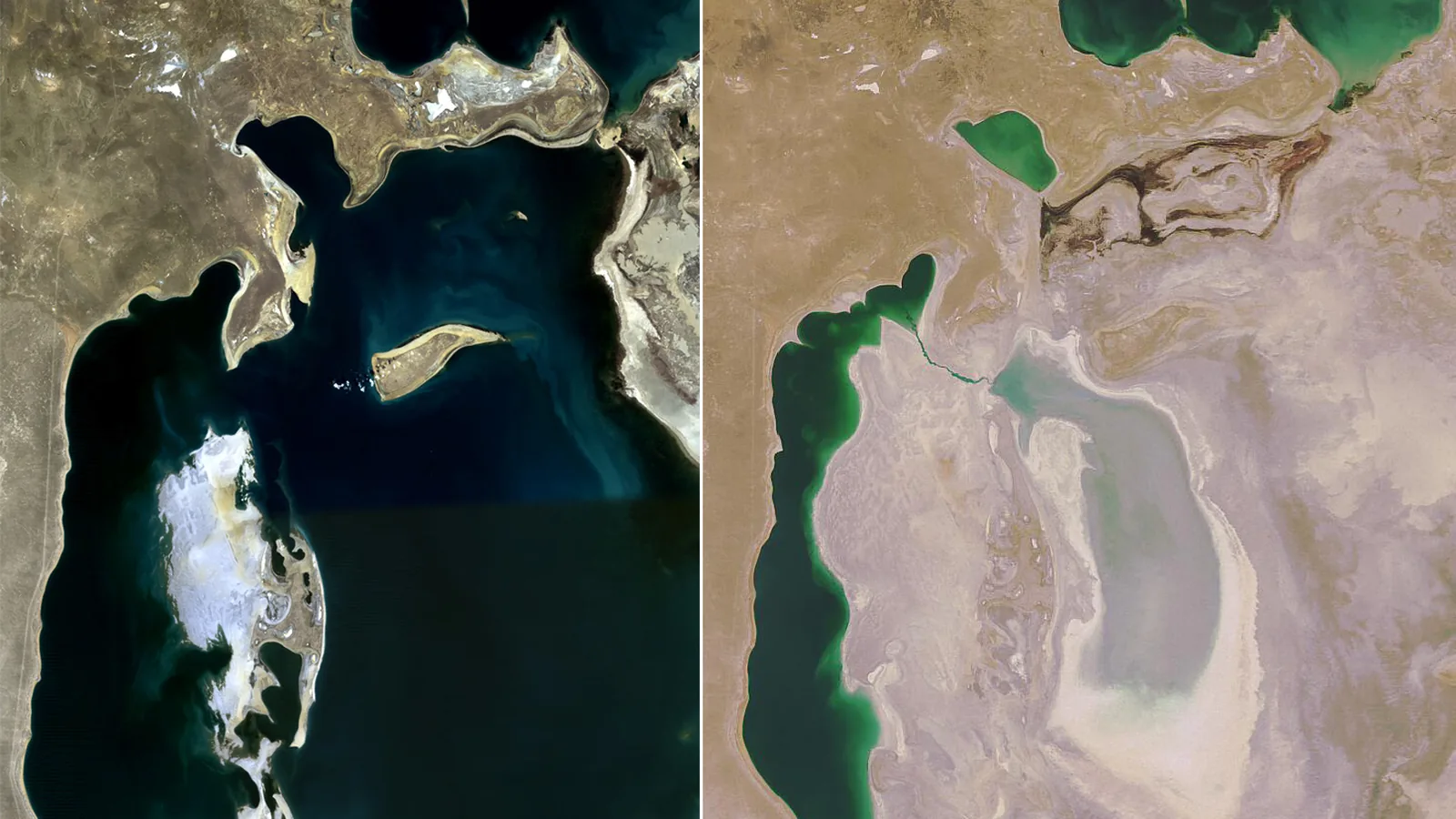
The world's fourth largest lake lost its rivers to Soviet cotton after 1960. NASA recorded the eastern basin gone in 2014; a 13 km dike saved the north.
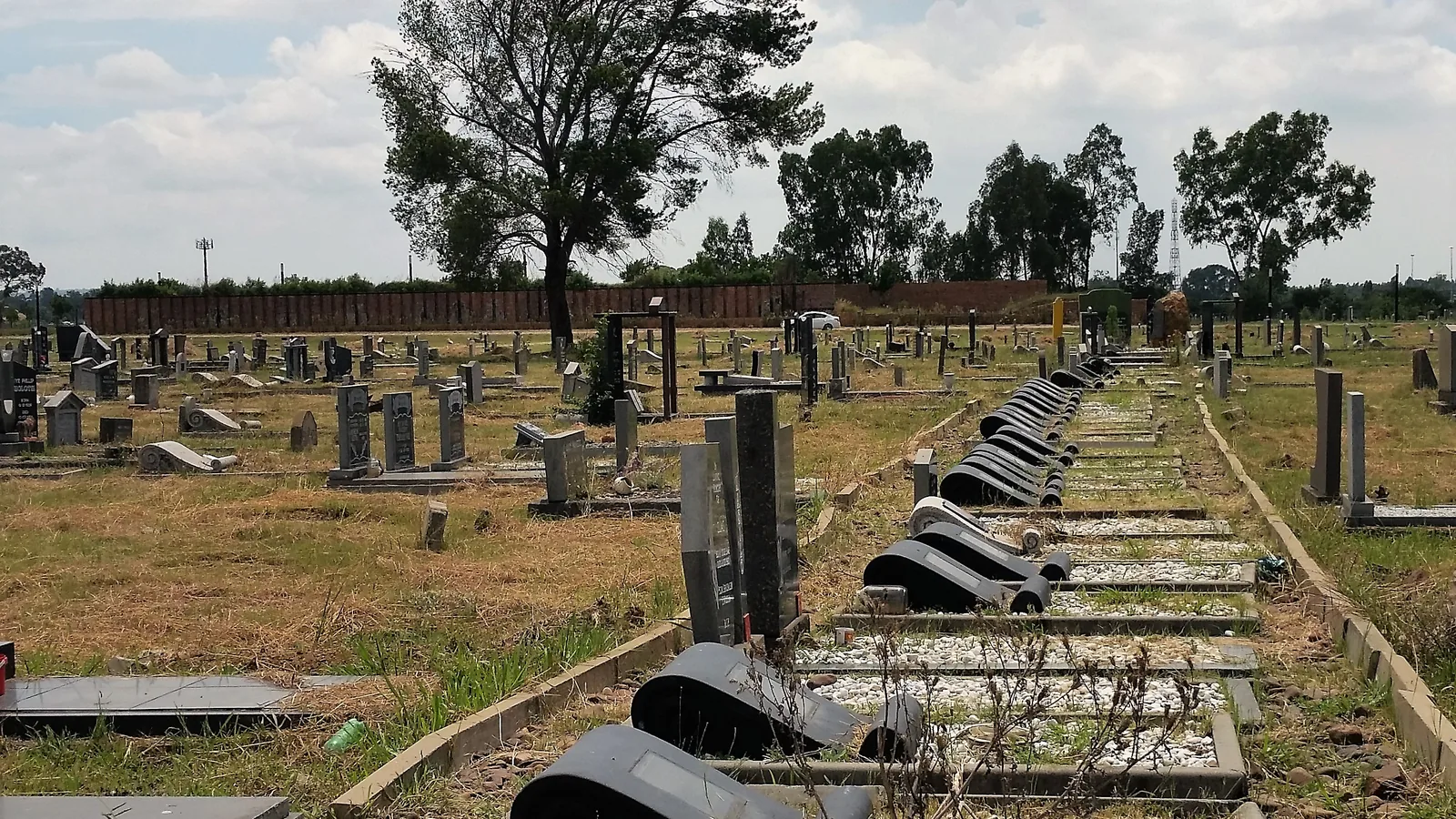
April 1, 1960: the Security Council deplored, 9 to 0 with France and Britain abstaining, policies behind the Sharpeville shooting of March 21 (69 dead).
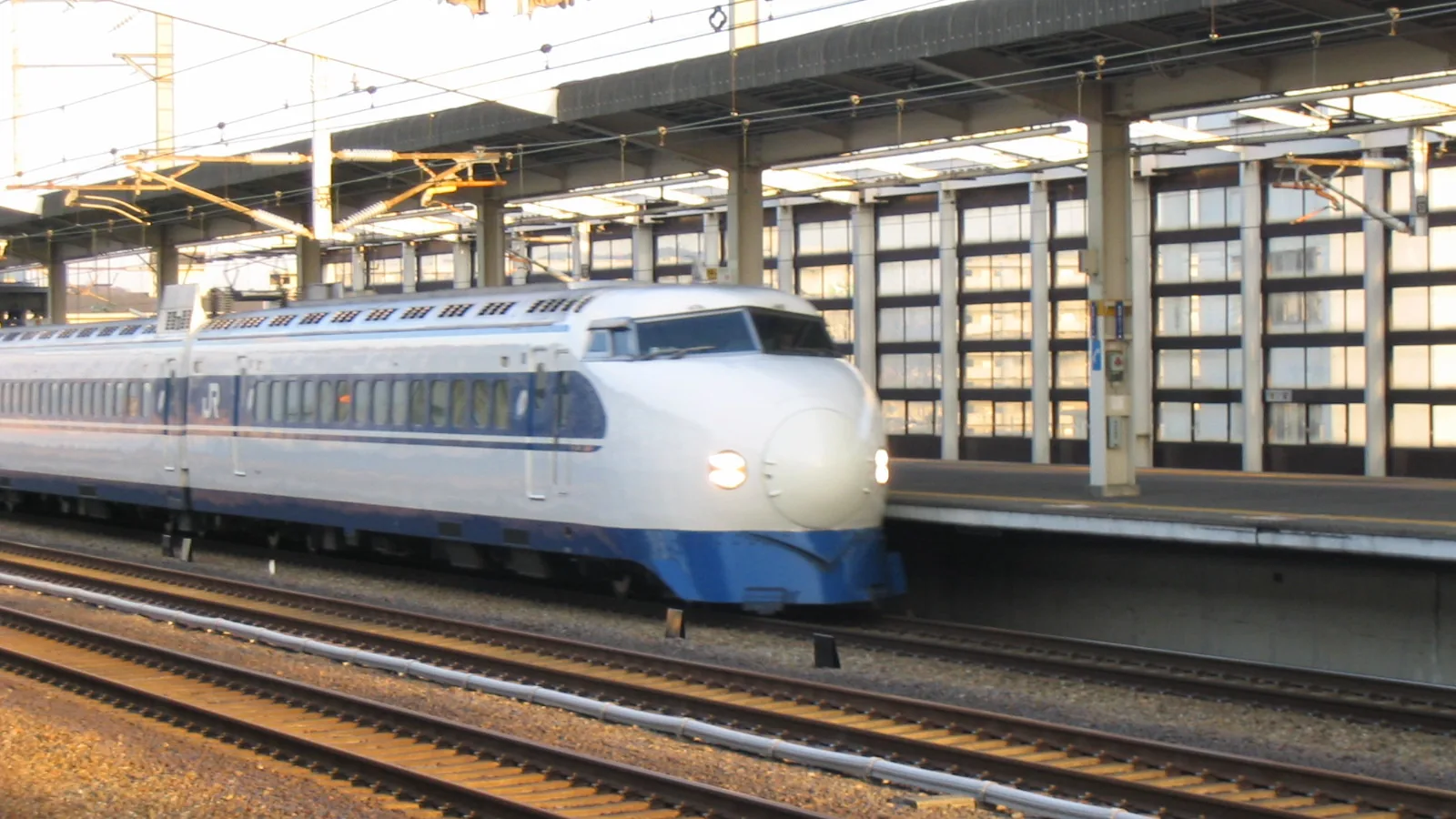
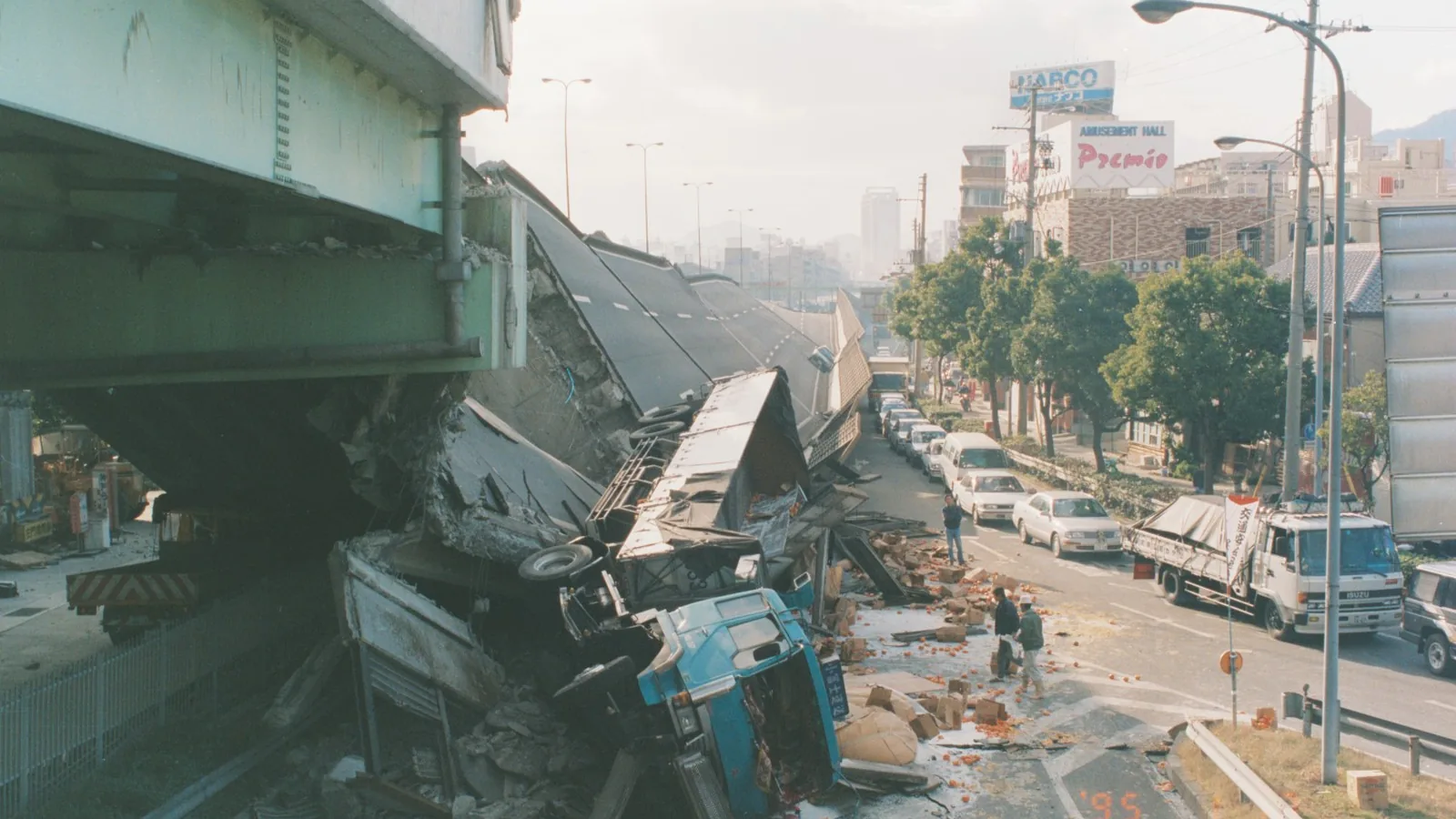
The World Bank lent Japanese National Railways $80 million on May 2, 1961 for the New Tokaido Line. It opened October 1, 1964 at nearly double the budget.
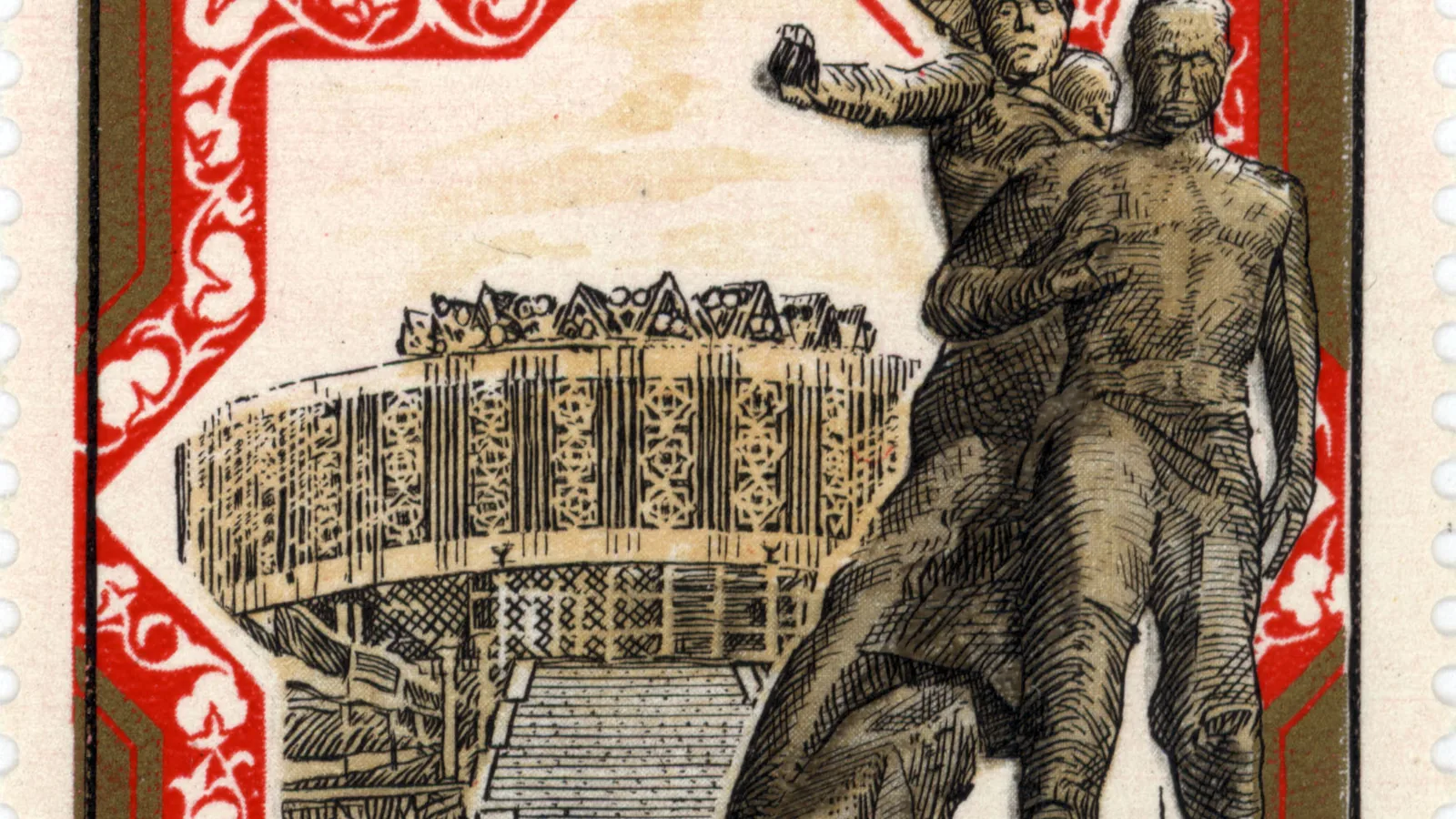
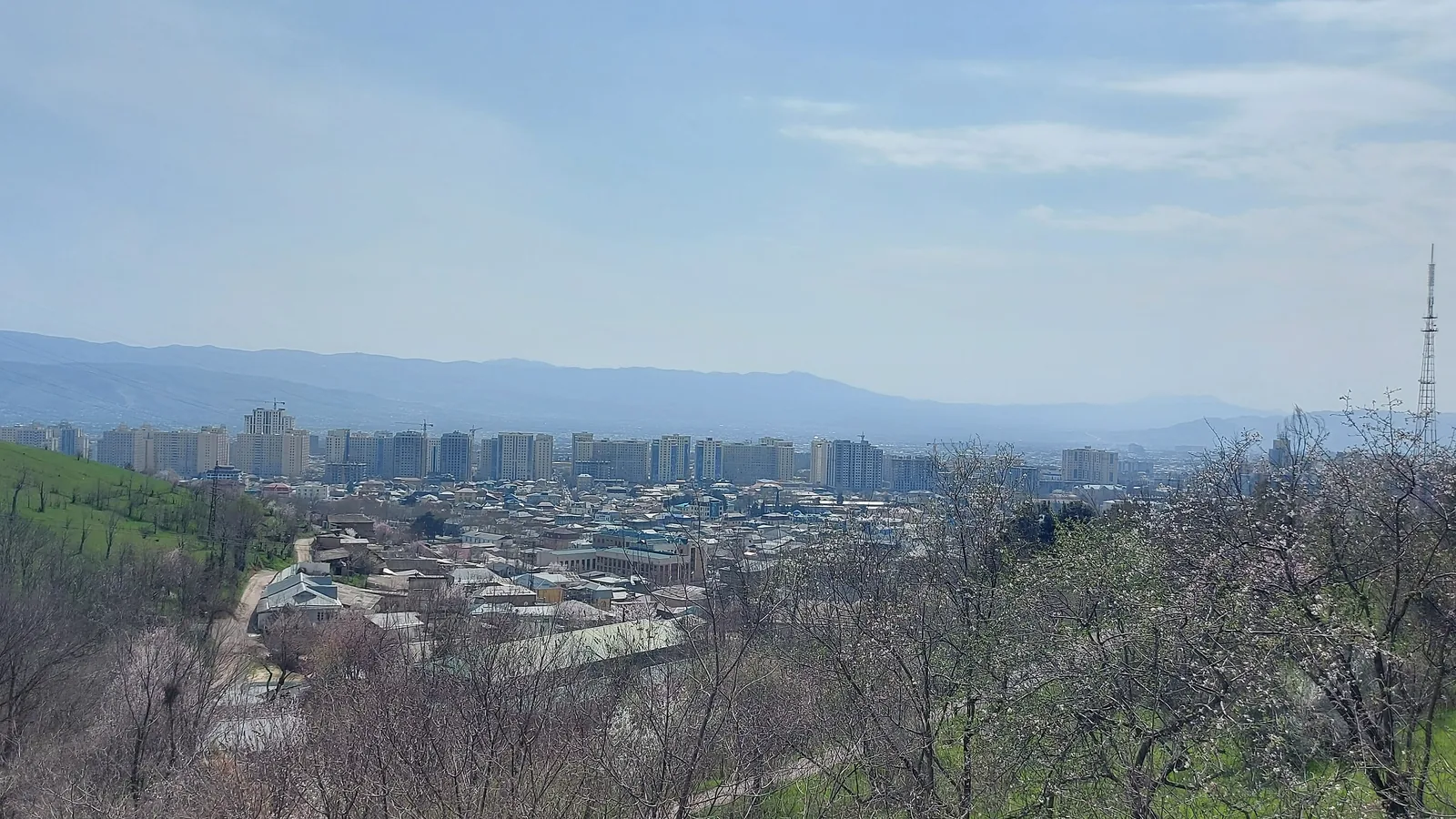
A shallow shock under central Tashkent on April 26, 1966 left over 300,000 of 1.5 million people homeless. Official deaths were counted as eight or 10.
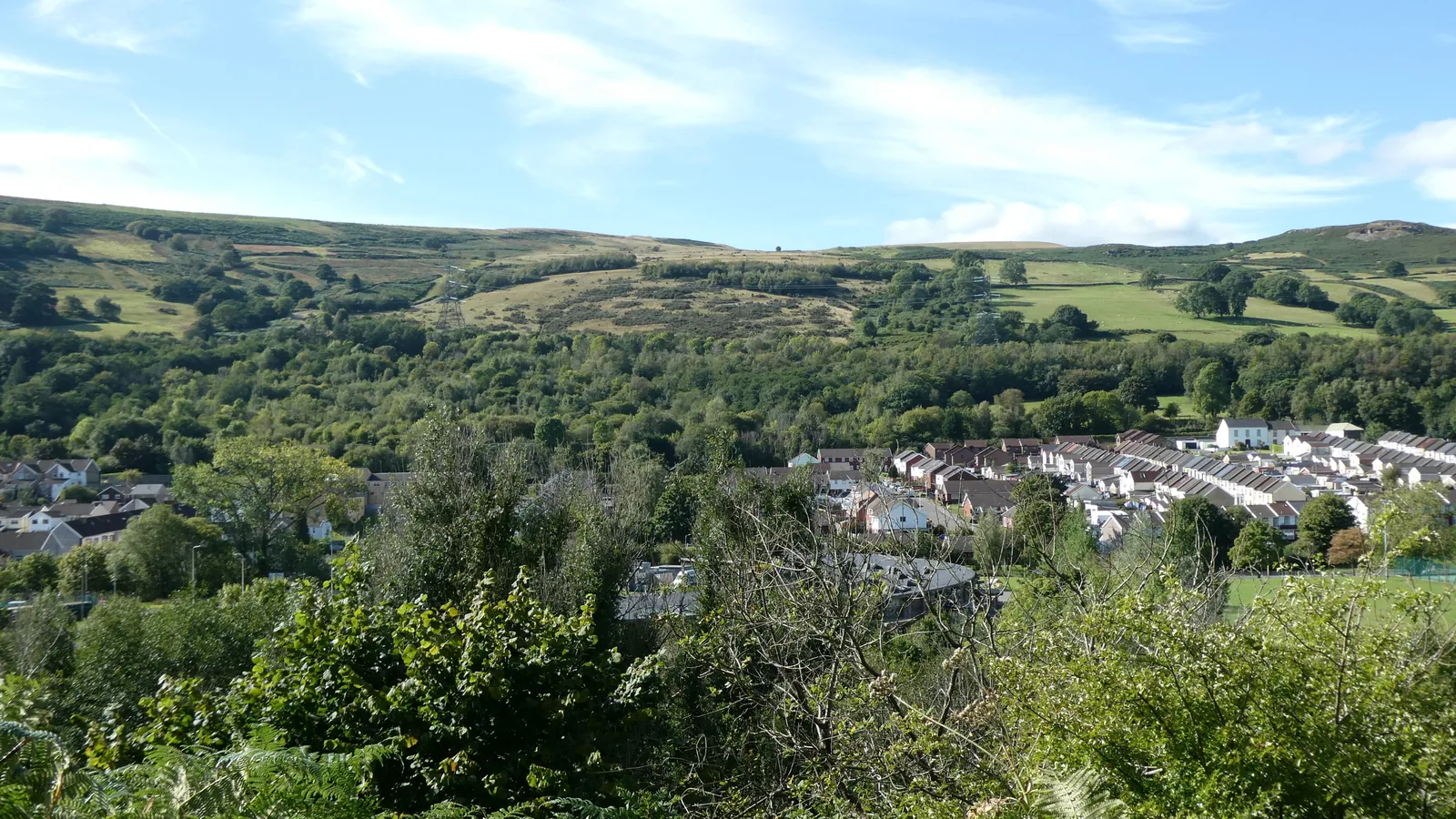
Tip No 7 fell on Aberfan on October 21, 1966. A Tribunal blamed the National Coal Board; £150,000 of disaster-fund money paid for tip removal until 1997.
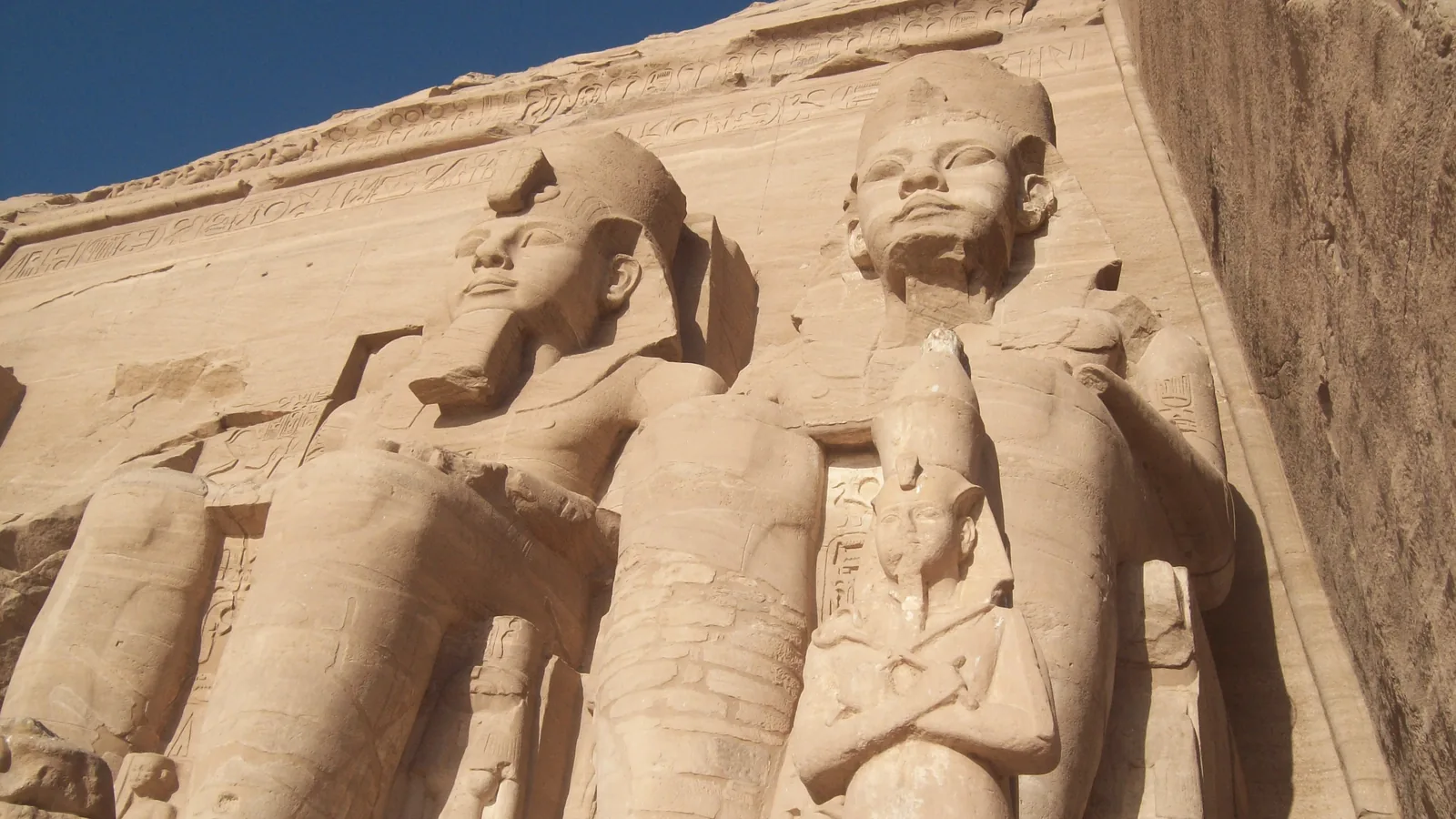
On March 8, 1960, UNESCO's director-general launched an appeal to save Nubia's monuments from the Aswan High Dam. Abu Simbel's temples rose 65 meters by 1968.
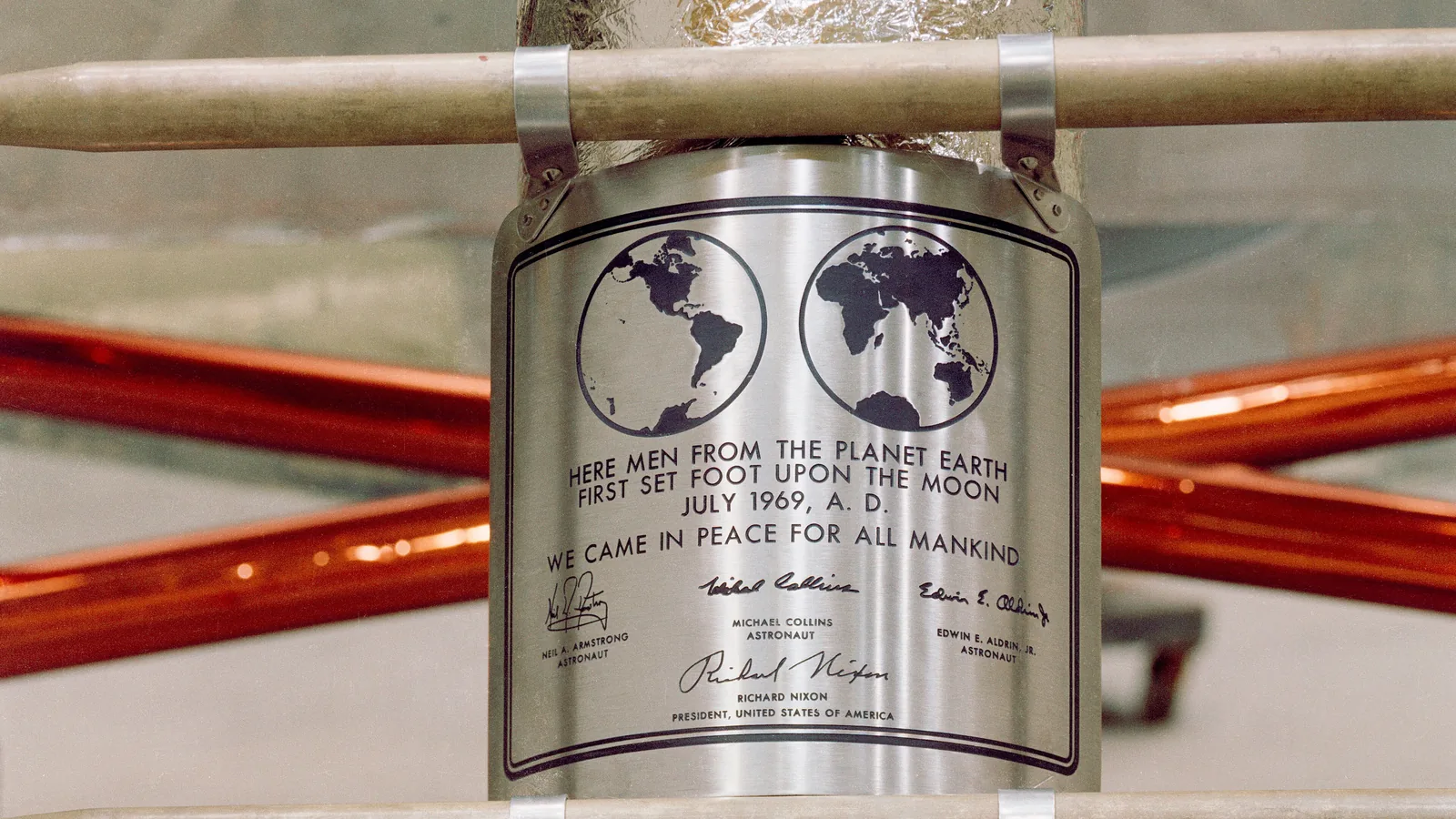
At 102:45:58 on July 20, 1969, Armstrong radioed that the Eagle had landed. The transcript, the 1202 alarms, the fuel calls and quarantine to August 10.
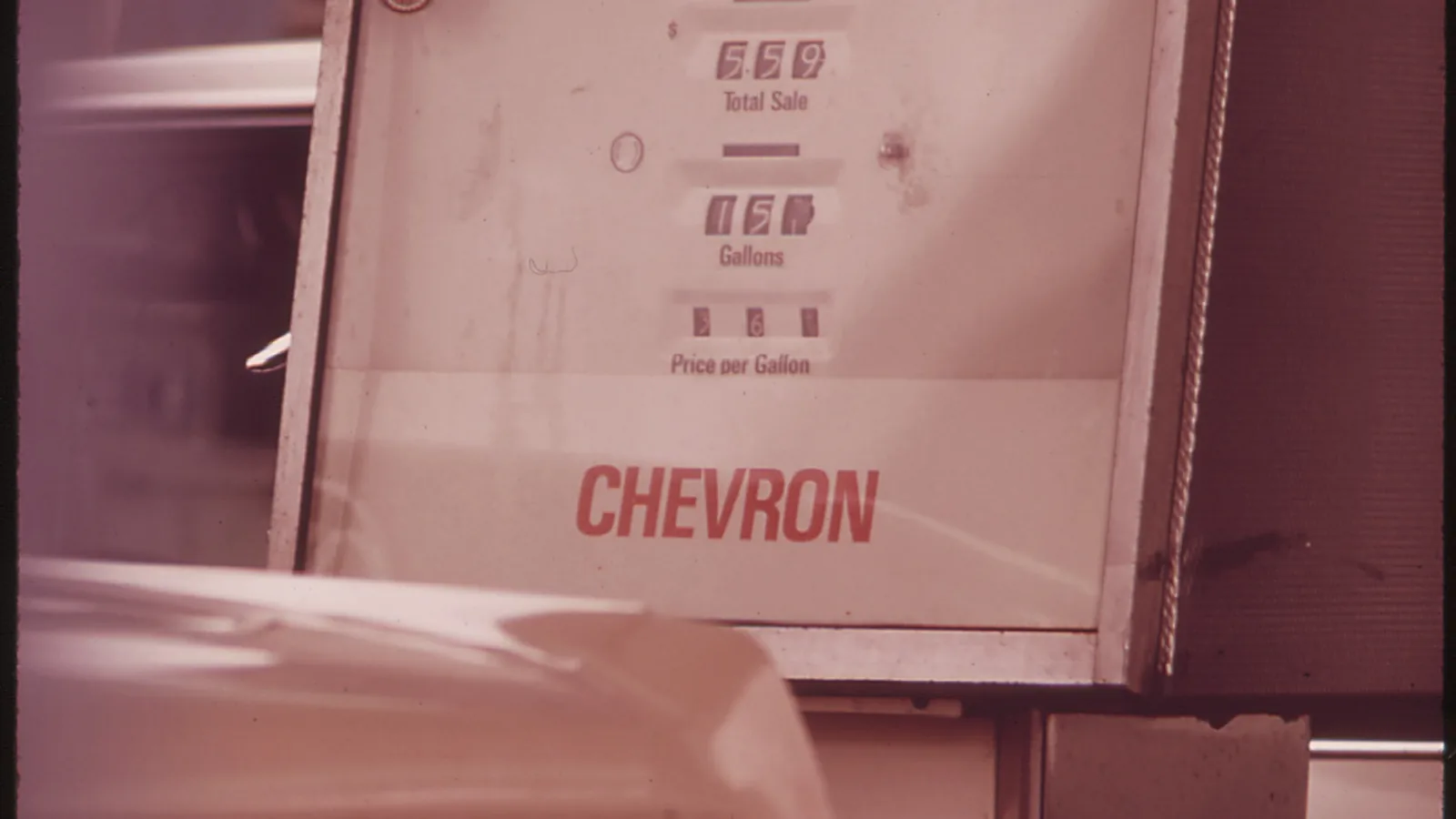
OAPEC cut output 5 percent a month from October 17, 1973, and embargoed the United States. A barrel went from $2.90 to $11.65; the ban ended in March 1974.
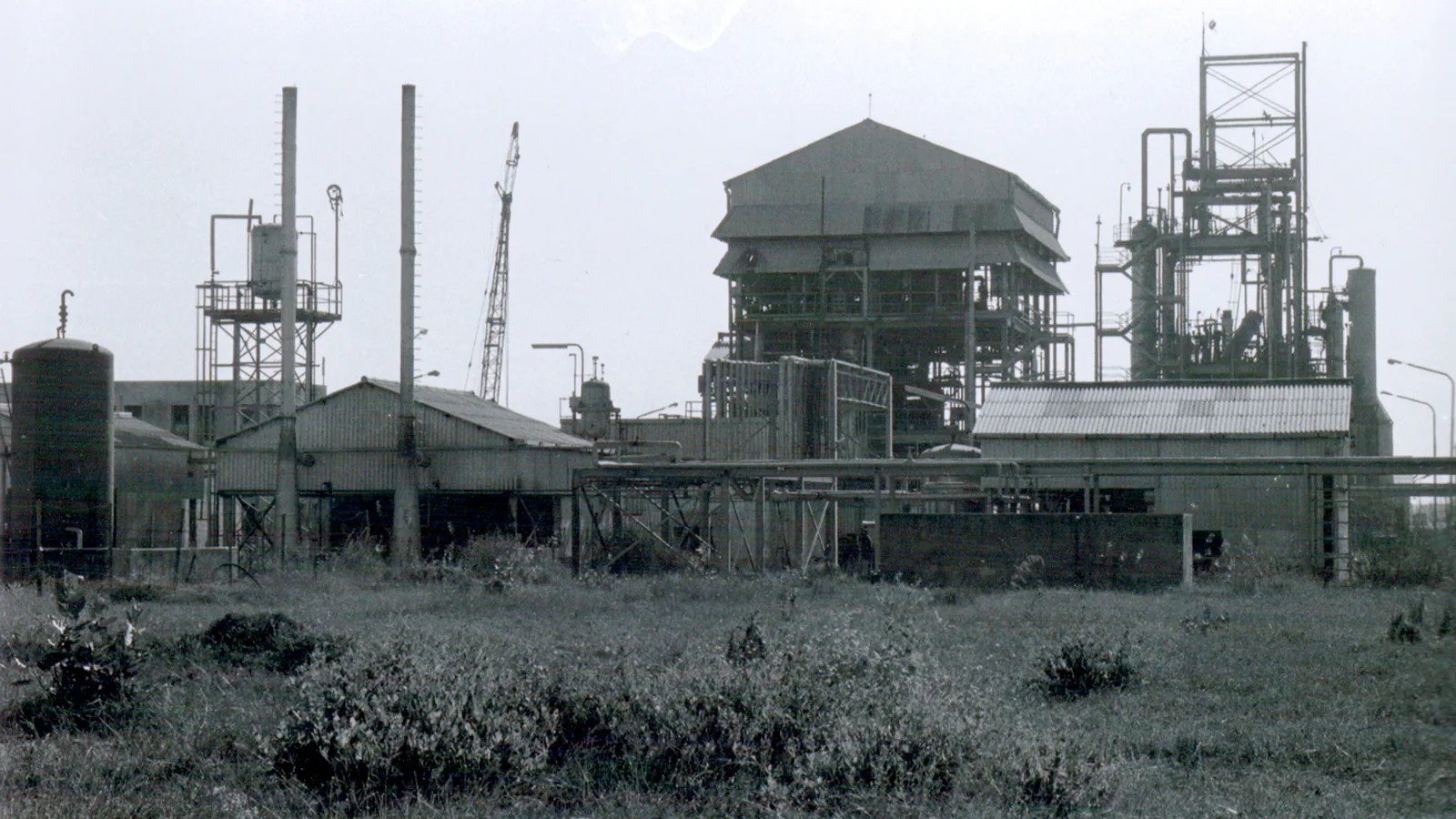
Papers count Bhopal's immediate dead at 2,000, 2,500 or 3,800; the 1989 settlement of US$470 million rested on 3,000; 15,310 death claims paid by 2003.
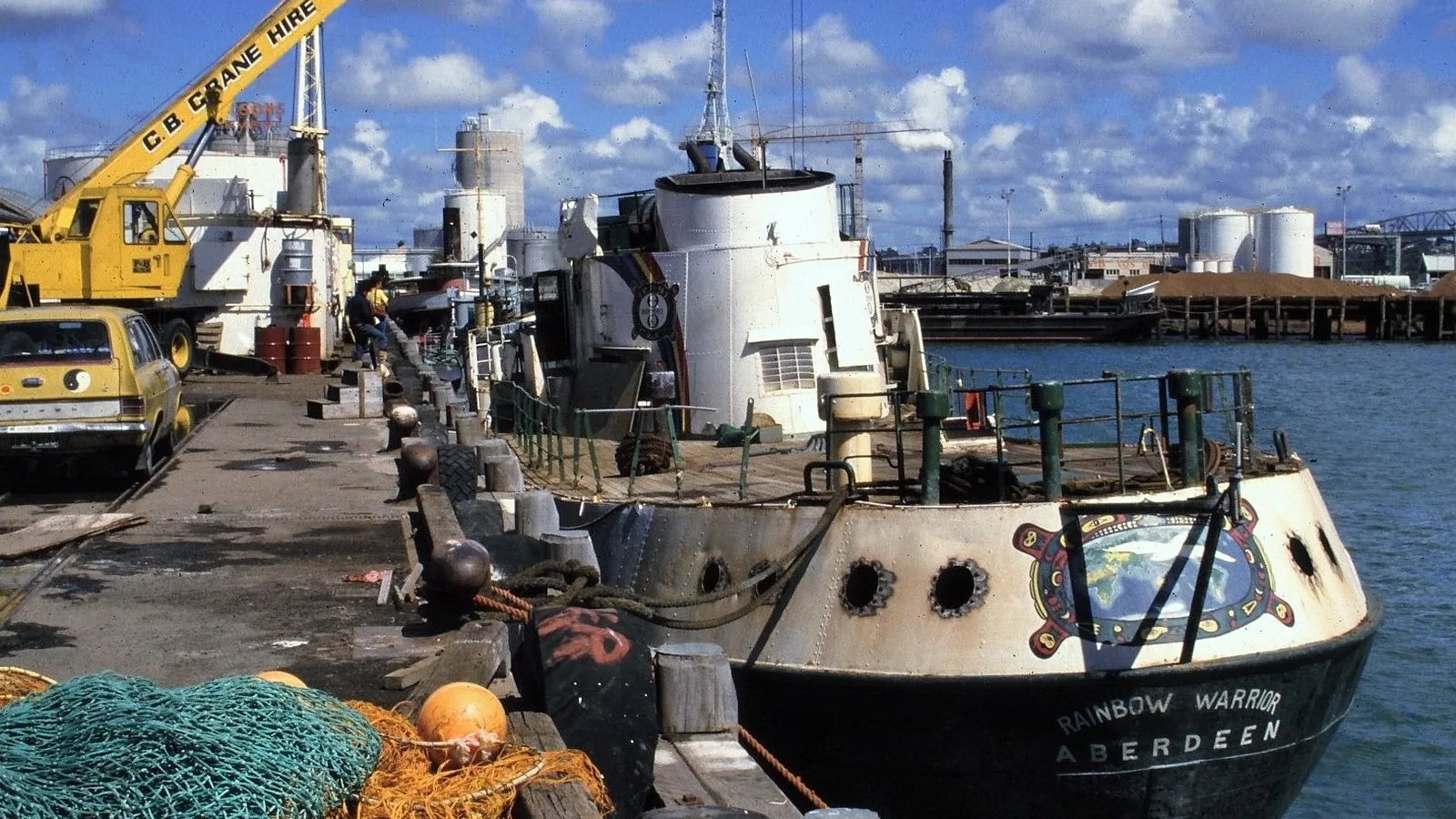
On July 6, 1986 the UN Secretary-General ruled France owed New Zealand an apology, US$7 million and three years on Hao for two agents. Both left early.
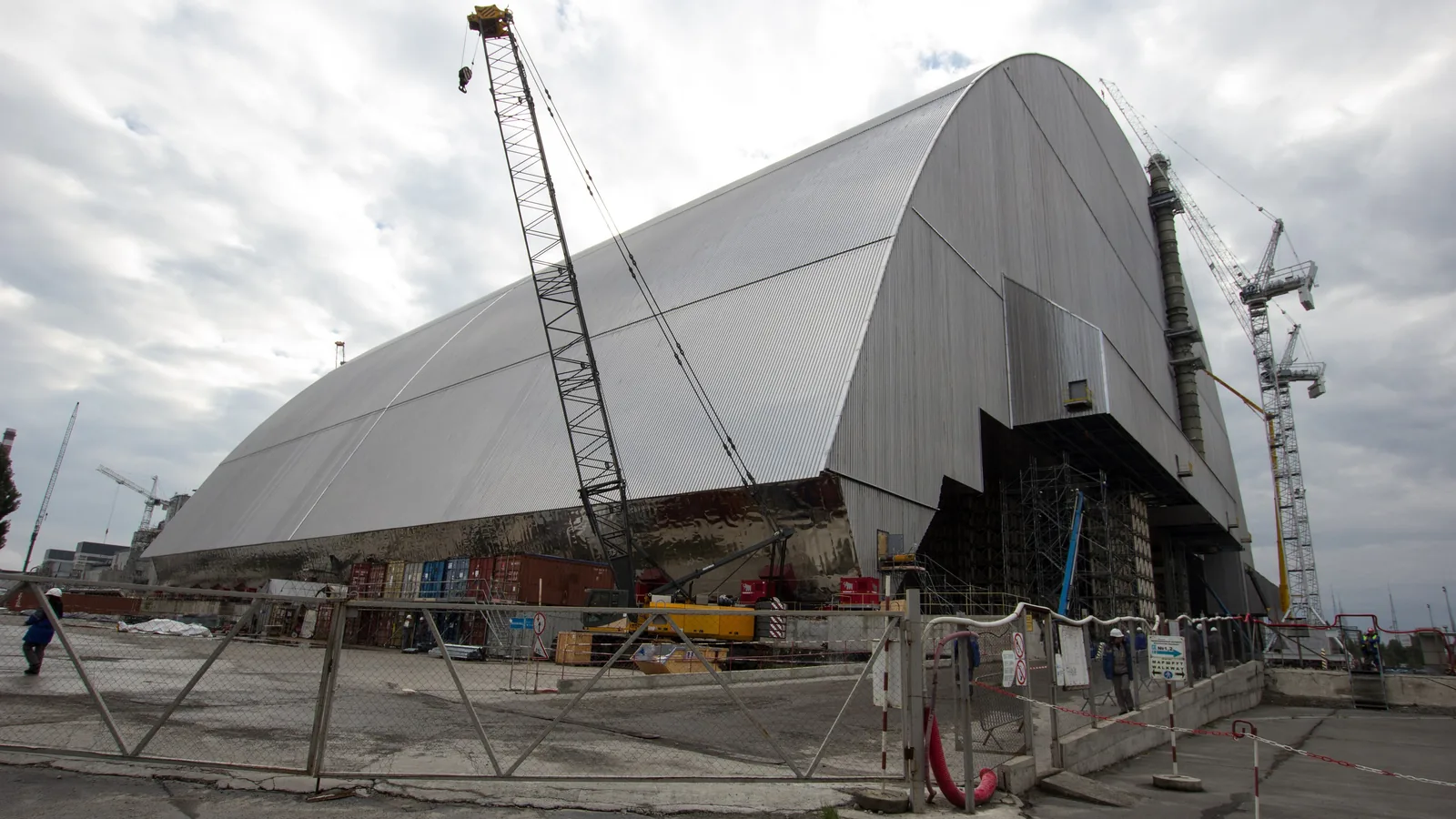
At 01:23:04 on April 26, 1986, a turbine rundown test began at Chernobyl Unit 4; 45 seconds later a fuel channel ruptured. INSAG-7, Pripyat and the counts.
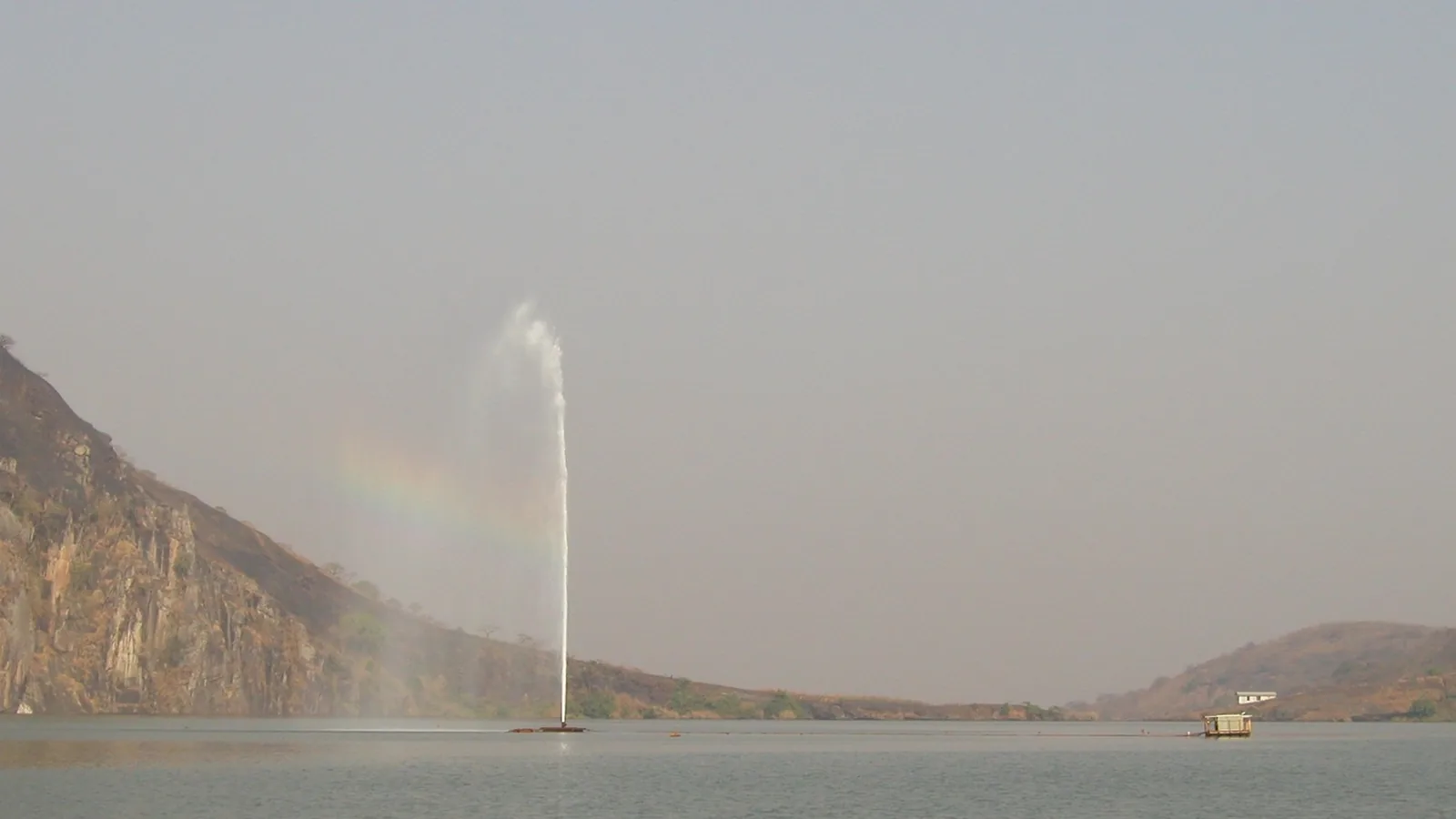
On August 21, 1986, Lake Nyos in Cameroon released stored carbon dioxide, killing at least 1,700 people. A degassing pipe began pumping the lake in 2001.
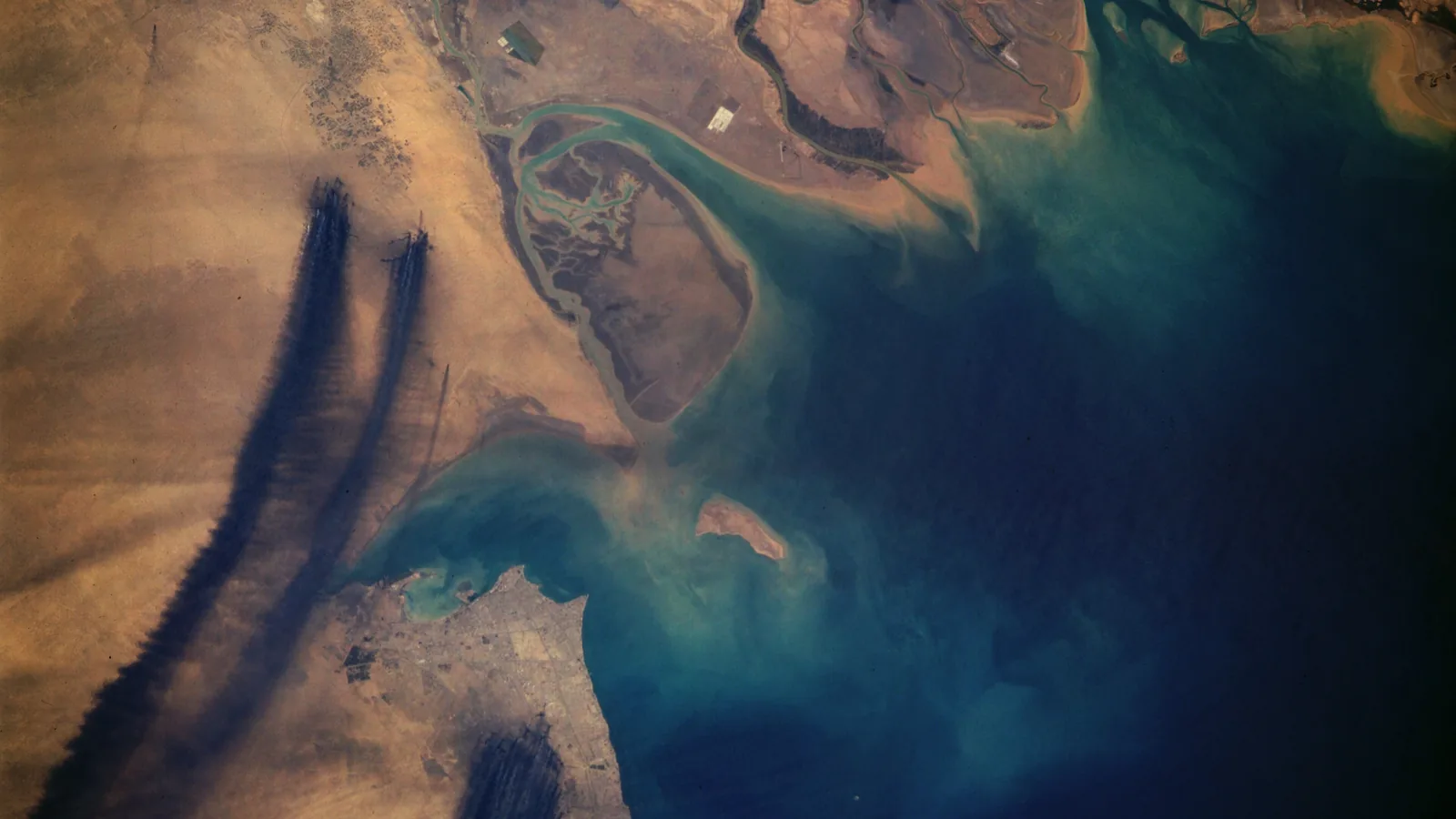
On November 6, 1991, the Emir of Kuwait extinguished the last of the oil-well fires Iraqi forces had set, the Senate recorded, ending a nine-month effort.
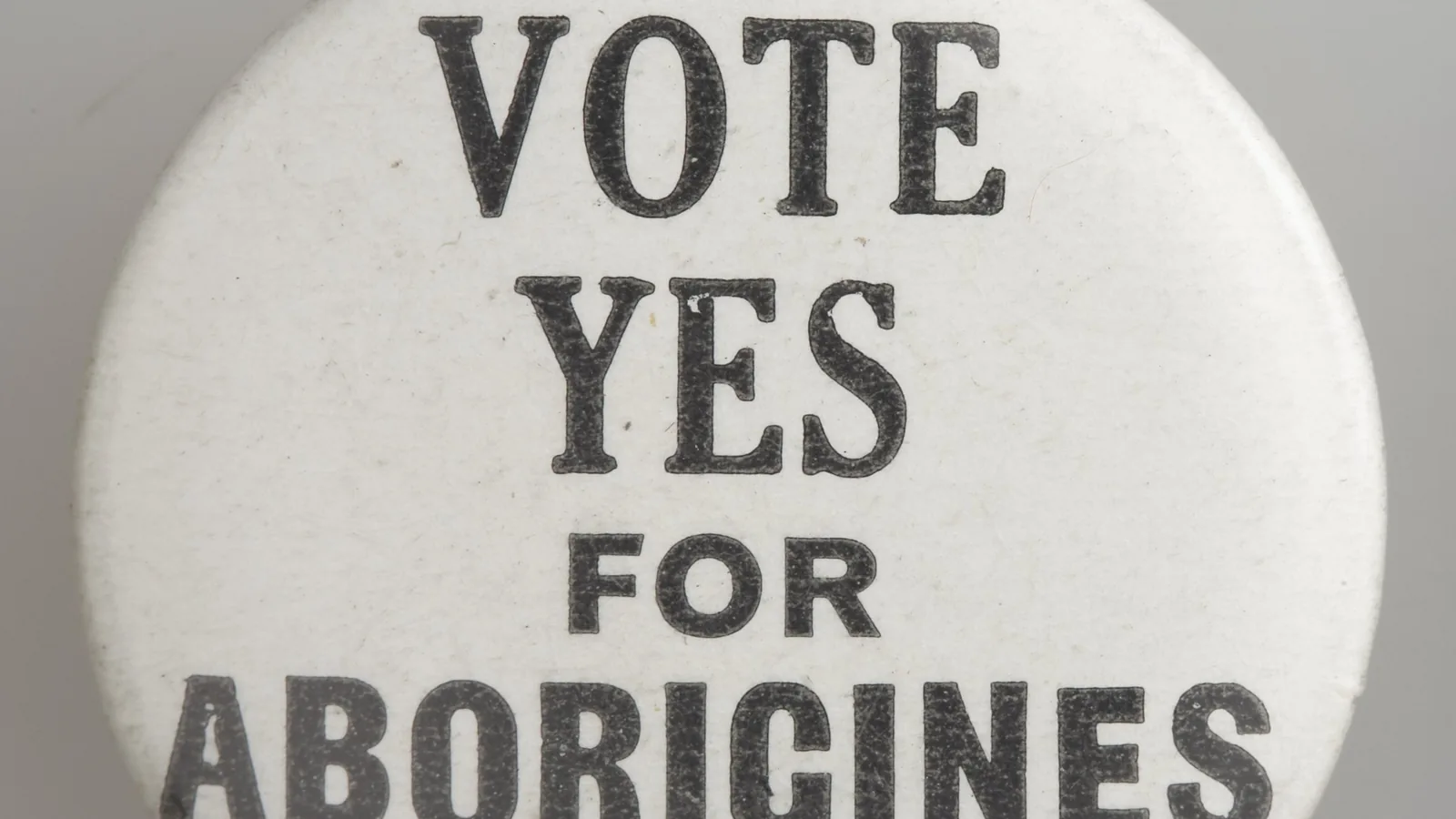
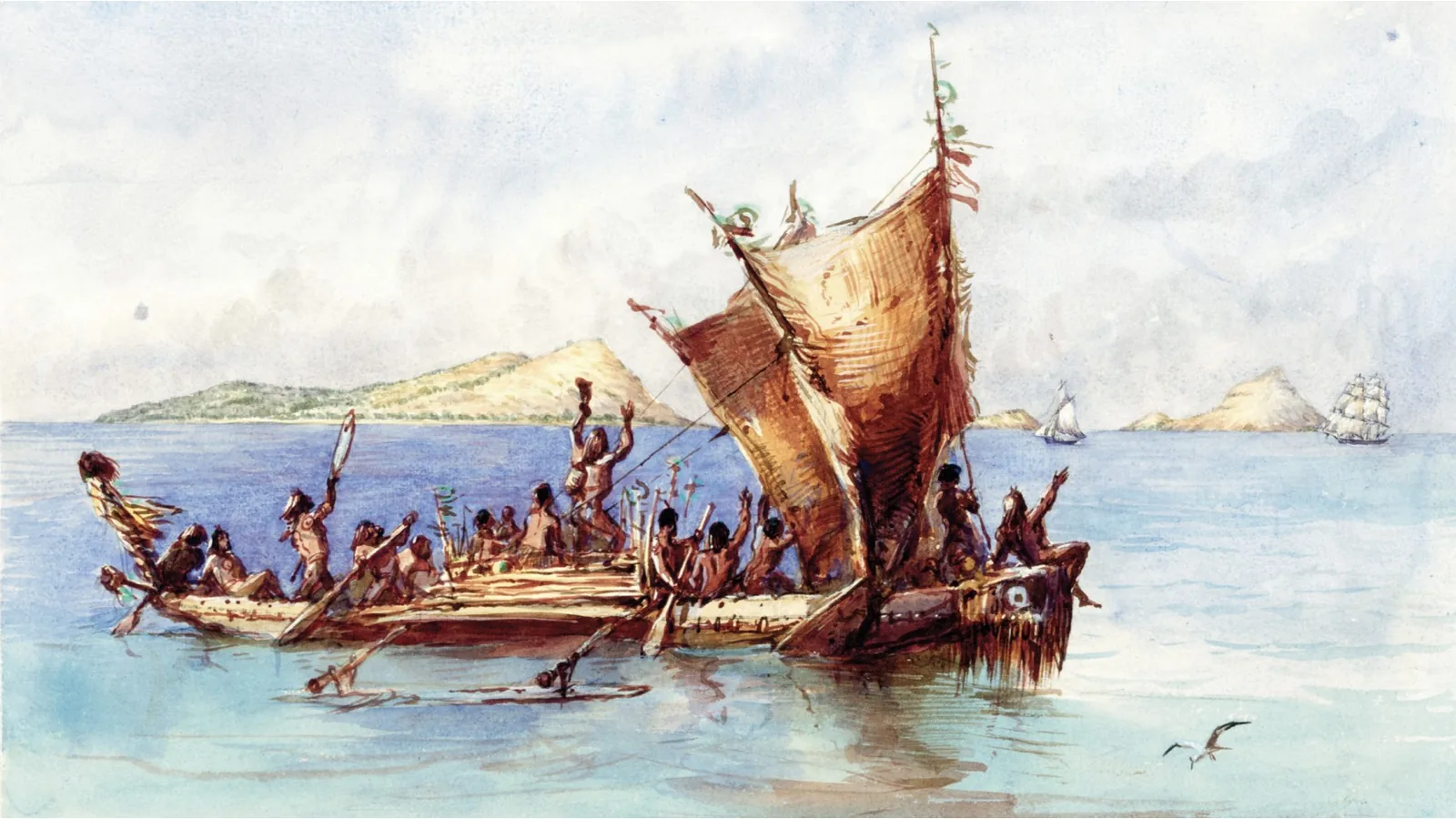
On June 3, 1992 the High Court of Australia held six to one that Meriam native title to Mer survived annexation; terra nullius had no place in its law.
Rakhmonov and Nuri signed the General Agreement on Peace and National Accord in Moscow on June 27, 1997. A UN commission and UNMOT then oversaw its terms.