Tip No 7 and £150,000 from the fund: Aberfan, October 21, 1966
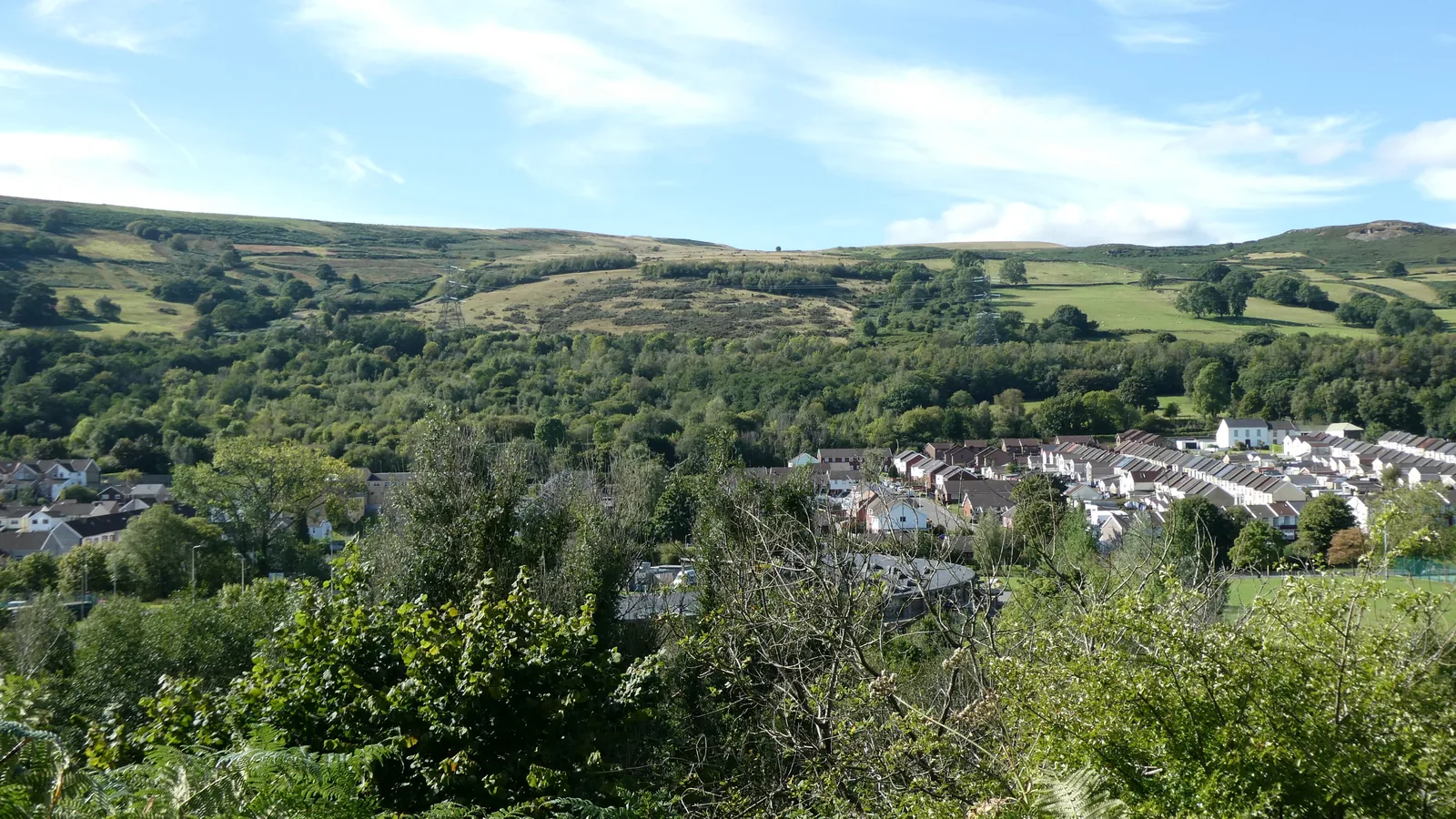

TL;DR — Tip No 7 fell on Aberfan on October 21, 1966, killing 144 people. A Tribunal blamed the National Coal Board, but £150,000 of the disaster fund still paid for tip removal — repaid, without interest, in 1997.
The UK government’s incident record reads: “On 21 October, 1966 Tip No 7 which forms part of the main complex of tips at Aberfan slipped and descended upon part of the village.” Cadw’s 2022 listing text gives the time: “At 9.15am on 21st October 1966 one of a series of five coal tips on the Mynydd Merthyr ridge above the town of Aberfan slid down the hillside, destroying a farmhouse, 20 houses and Pantglas School.”
Quick facts
- When
- October 21, 1966, 9:15 a.m. (tip slip); October 26, 1966 (Tribunal appointed); August 3, 1967 (Tribunal report published); March 27, 1969 (Mines and Quarries (Tips) Act); July 31, 1997 (£150,000 grant announced); 2007 (Welsh Assembly Government grants)
- Where
- Aberfan, Merthyr Tydfil, South Wales; Tribunal sat at Merthyr Tydfil and then Cardiff
- Who
- National Coal Board (NCB); Lord Justice Edmund Davies (Tribunal chairman); Harold Harding and Vernon Lawrence (Tribunal members); Cledwyn Hughes (Secretary of State for Wales, 1967); Lord Robens (NCB chairman); Ron Davies (Secretary of State for Wales, 1997)
- Outcome
- 144 dead, including 116 children. The Tribunal blamed the NCB and found no tipping policy existed. No NCB employee was demoted, dismissed or prosecuted. £150,000 of the disaster fund paid for tip removal; it was repaid without interest in 1997.
Cledwyn Hughes gave the count to the Commons
A year later, on October 26, 1967, the Secretary of State for Wales, Cledwyn Hughes, told the House of Commons that “no one was taken out of the ruins alive later than two hours after the first movement of the tip, and a hundred and forty four persons, the majority of them young children, lost their lives.” Cadw’s listing breaks the total down: 116 children, five teachers including the headmistress, and 23 other adults.
October 26, 1966: a Tribunal is appointed
After resolutions of both Houses of Parliament, Hughes appointed a Tribunal that day to inquire into the disaster. Sir Herbert Edmund Davies, a barrister experienced in mining law, was named chairman, with Harold Harding and Vernon Lawrence as members. Hughes told the Commons the Tribunal “sat in public for 77 days, first at Merthyr Tydfil and later at Cardiff,” hearing about 250 witnesses, 136 of them orally. The Nuffield College archive gives the sitting as 76 days. The report is signed “17th July, 1967”; Hughes said the chairman placed a copy in his hands in late July, and it was published on August 3, 1967.
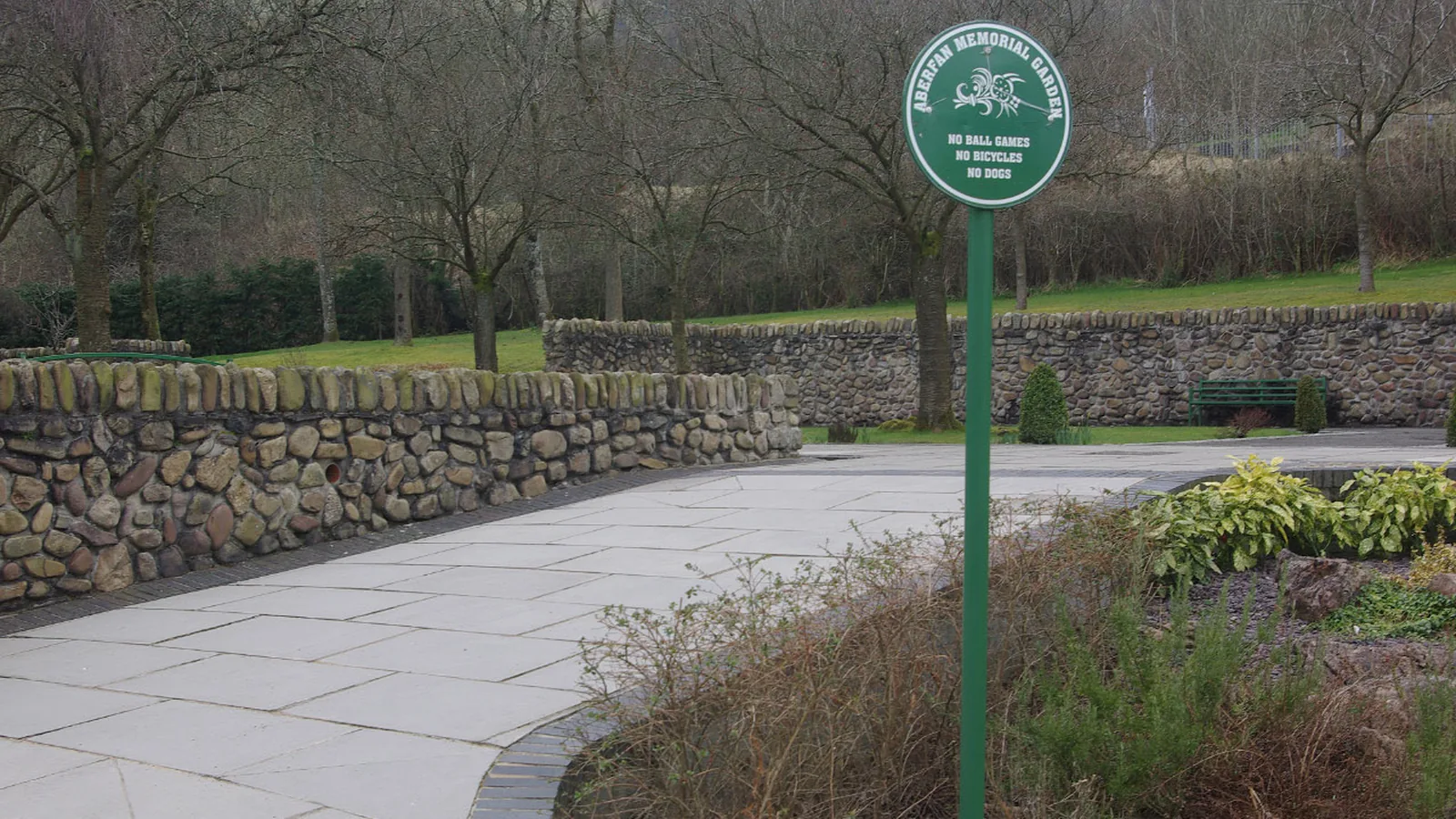

"Blame for the disaster rests upon the National Coal Board"
Part VII of the report, its Summary of Findings, opens with that sentence, adding that the blame “is shared (though in varying degrees) among the National Coal Board headquarters, the South Western Divisional Board, and certain individuals.” The second finding: “There was a total absence of tipping policy and this was the basic cause of the disaster.” The third: “There is no legislation dealing with the safety of tips in force in this or any country, except in part of West Germany and in South Africa.” The Nuffield archive quotes the report’s own summary of its findings: “a terrifying tale of bungling ineptitude.”
No one was dismissed, no one was prosecuted
Lord Robens, chairman of the National Coal Board, offered his resignation. Hughes told the Commons: “My right hon. Friend the Minister of Power did not accept the offered resignation of the Chairman of the National Coal Board and made known his reasons for asking Lord Robens to continue in office.” Named individuals still with the Board were moved to other work. Iain McLean’s ESRC report for Nuffield College states the outcome: “no NCB employee or Board member was demoted, dismissed, or prosecuted.”
£150,000 out of the fund, and back again in 1997
The disaster fund drew nearly 90,000 donations, reaching £1,606,929 and eventually about £1,750,000, the Nuffield archive records. After the NCB and the Treasury “refused to accept full financial responsibility,” the fund paid £150,000 toward removing the tips still standing above the village; removal began in 1969. A written question of July 31, 1997, from Mr. Rowlands asked whether the government would consider “restoring to the people of Aberfan the sums taken from them in 1968 towards the cost of removing coal tips above the village.” Ron Davies, Secretary of State for Wales, answered the same day: “I have long made clear my view that there should have been no requirement in the first place for a contribution to be made from the disaster fund toward the costs of clearing the tips. I am pleased to announce today that I shall be making available a grant of £150,000 to repay the sum originally contributed and to supplement provision in the Aberfan disaster fund and in the memorial charity.” McLean’s report notes the repayment was “not uprated for inflation or interest forgone.” The Mines and Quarries (Tips) Act 1969, given royal assent on March 27, 1969, opens: “An Act to make further provision in relation to tips . . . to prevent disused tips constituting a danger to members of the public; and for purposes connected with those matters.” In February 2007, the government’s incident record states, the Welsh Assembly Government agreed to provide grants totalling £2 million to the Aberfan Memorial Charity and the Aberfan Education Charity to underwrite maintenance of the graves and the memorial and support for local schools.
Key facts
- Tip No 7 slipped at 9:15 a.m. on October 21, 1966, destroying a farmhouse, 20 houses and Pantglas School (Cadw listing).
- 144 people died, including 116 children, five teachers and 23 other adults (Cadw listing; Cledwyn Hughes, Commons, October 26, 1967).
- The Tribunal, chaired by Lord Justice Edmund Davies, was appointed October 26, 1966, and sat in public for 77 days at Merthyr Tydfil and Cardiff, by Hughes’s count (76 days in the Nuffield archive).
- The Tribunal report, signed July 17, 1967 and published August 3, 1967, found: “Blame for the disaster rests upon the National Coal Board.”
- The report found “a total absence of tipping policy” and no legislation on tip safety “in this or any country, except in part of West Germany and in South Africa.”
- No NCB employee or Board member was demoted, dismissed or prosecuted, per Iain McLean’s ESRC report for Nuffield College.
- The disaster fund raised nearly 90,000 donations totalling £1,606,929, of which £150,000 went to tip removal beginning in 1969.
- Ron Davies announced the £150,000 repayment to the fund on July 31, 1997, without interest or inflation adjustment (McLean, Nuffield College).
FAQ
What did Tip No 7 destroy?
The UK government's incident record and Cadw's 2022 listing state that the tip destroyed a farmhouse, 20 houses and Pantglas Junior School in Aberfan on the morning of October 21, 1966.
Who did the Tribunal blame for the disaster?
Part VII of the 1967 Tribunal report states: "Blame for the disaster rests upon the National Coal Board," shared in varying degrees among NCB headquarters, the South Western Divisional Board and certain named individuals.
Was the £150,000 taken from the disaster fund ever repaid?
Yes. Secretary of State for Wales Ron Davies announced a £150,000 grant on July 31, 1997, to repay the sum originally contributed, though without interest or an inflation adjustment, according to Iain McLean's Nuffield College research report.
Sources
- Cadw, Register of Historic Parks and Gardens, "Aberfan: Cemetery, Garden of Remembrance and Former Tip and Slide Area," reference PGW(Gm)69(MER), Grade II*, registered February 1, 2022.
- UK Government, "Commemoration Incident: The Aberfan Disaster 21 October 1966" (Cabinet Office lessons-learned record).
- Nuffield College, University of Oxford, "The Tribunal of Inquiry into the Aberfan Disaster."
- Edmund Davies, Harold J. B. Harding and Vernon Lawrence, Report of the Tribunal appointed to inquire into the Disaster at Aberfan on 21st October, 1966, HL 316/HC 553 (HMSO, 1967), Part VII, "Summary," as reproduced by Nuffield College.
- Iain McLean, Nuffield College, Oxford, ESRC research project final report, "Summary of Research Results."
- UK Parliament, Historic Hansard, House of Commons, "Aberfan Disaster," HC Deb October 26, 1967, vol 751, cc1909-2014.
- UK Parliament, Historic Hansard, House of Commons, Written Answers, "Aberfan," HC Deb July 31, 1997, vol 299, c422W.
- UK Government, legislation.gov.uk, Mines and Quarries (Tips) Act 1969 (1969 c. 10).
Cite this article
- APA
- Our Earth's History. (2026, September 24). Tip No 7 and £150,000 from the fund: Aberfan, October 21, 1966. Our Earth's History. https://ourearthshistory.com/europe/contemporary/aberfan-october-21-1966-tip-no-7-tribunal-coal-board-disaster-fund/
- Chicago
- Our Earth's History. “Tip No 7 and £150,000 from the fund: Aberfan, October 21, 1966.” Our Earth's History, September 24, 2026. https://ourearthshistory.com/europe/contemporary/aberfan-october-21-1966-tip-no-7-tribunal-coal-board-disaster-fund/.
- MLA
- “Tip No 7 and £150,000 from the fund: Aberfan, October 21, 1966.” Our Earth's History, 24 Sep. 2026, https://ourearthshistory.com/europe/contemporary/aberfan-october-21-1966-tip-no-7-tribunal-coal-board-disaster-fund/.
Text licensed CC BY-NC-ND 4.0. Found an error? Tell us.