Greece, Rome, Persia, the Qin and Han, the Maya: the age of the great classical states and the written histories that describe them. These articles cover their rise, their wars and the everyday lives their ruins preserve.
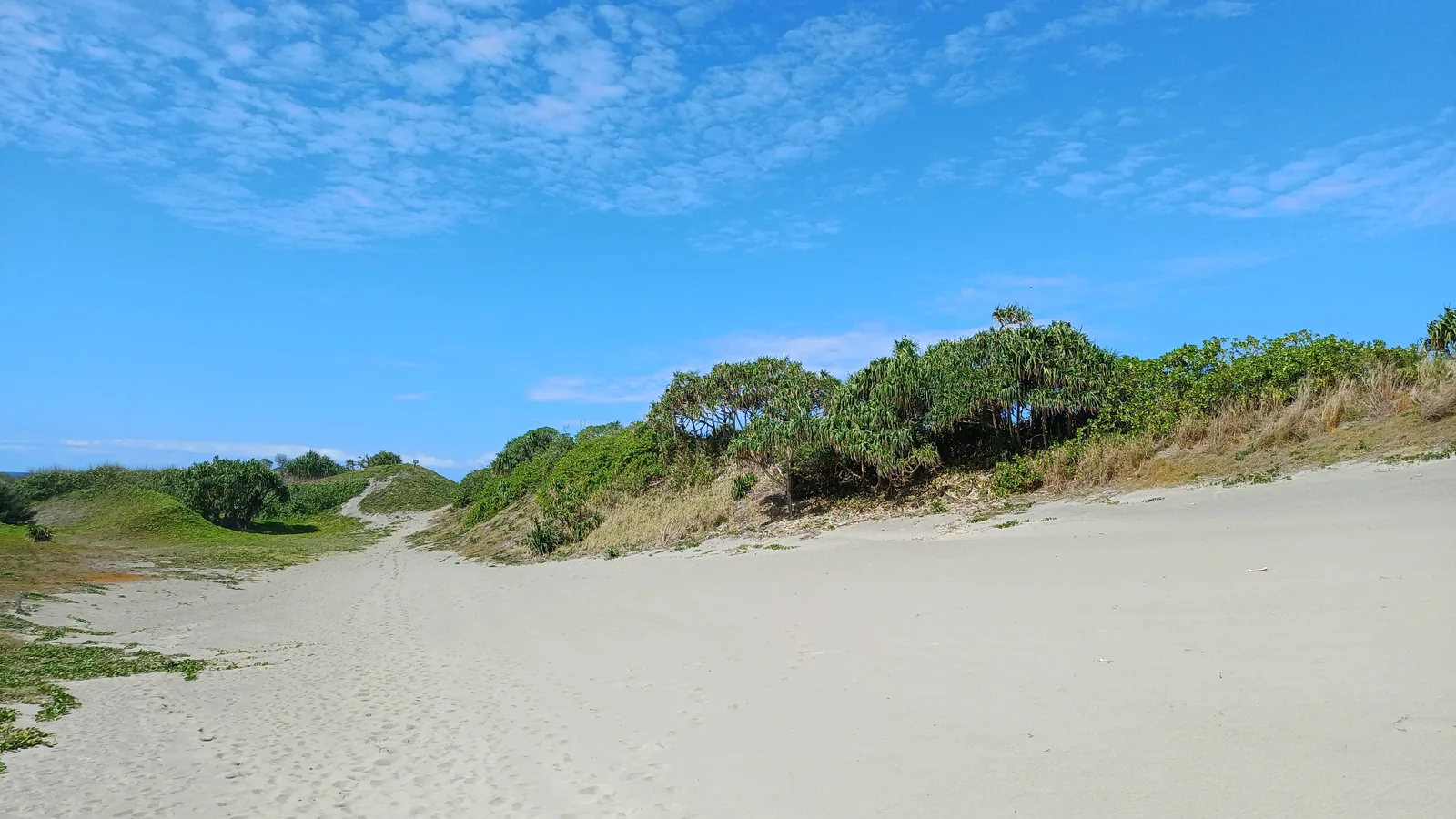
Birks dug 2,700 square meters of Fiji's Sigatoka dunes in 1965–66 and found three buried soils. Level 2, the Navatu layer, dates 1,700 to 1,300 cal BP.
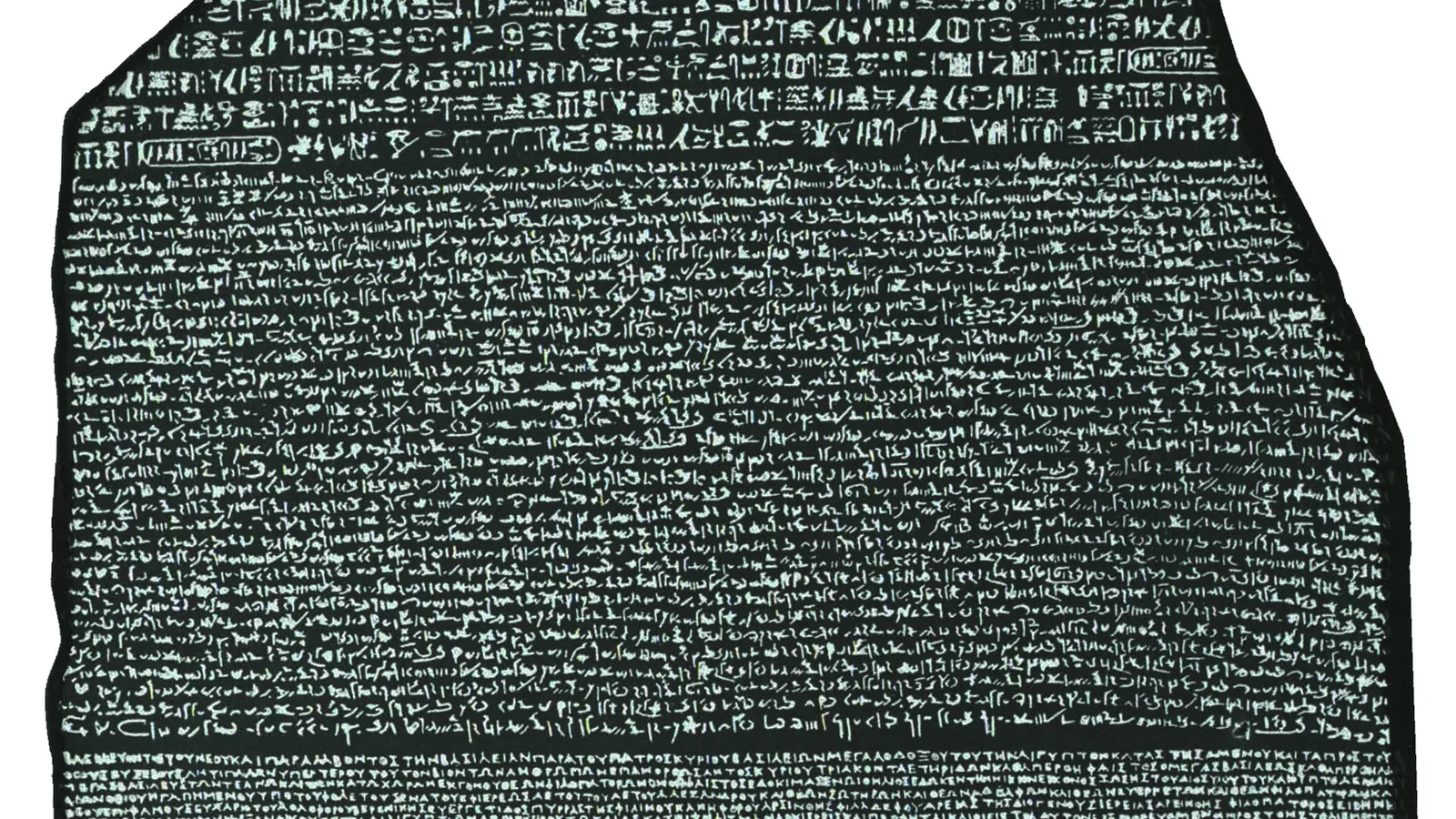
Priests at Memphis honored Ptolemy V in 196 BC in hieroglyphic, Demotic and Greek. In 1822 Champollion read royal names from it and from a Philae obelisk.
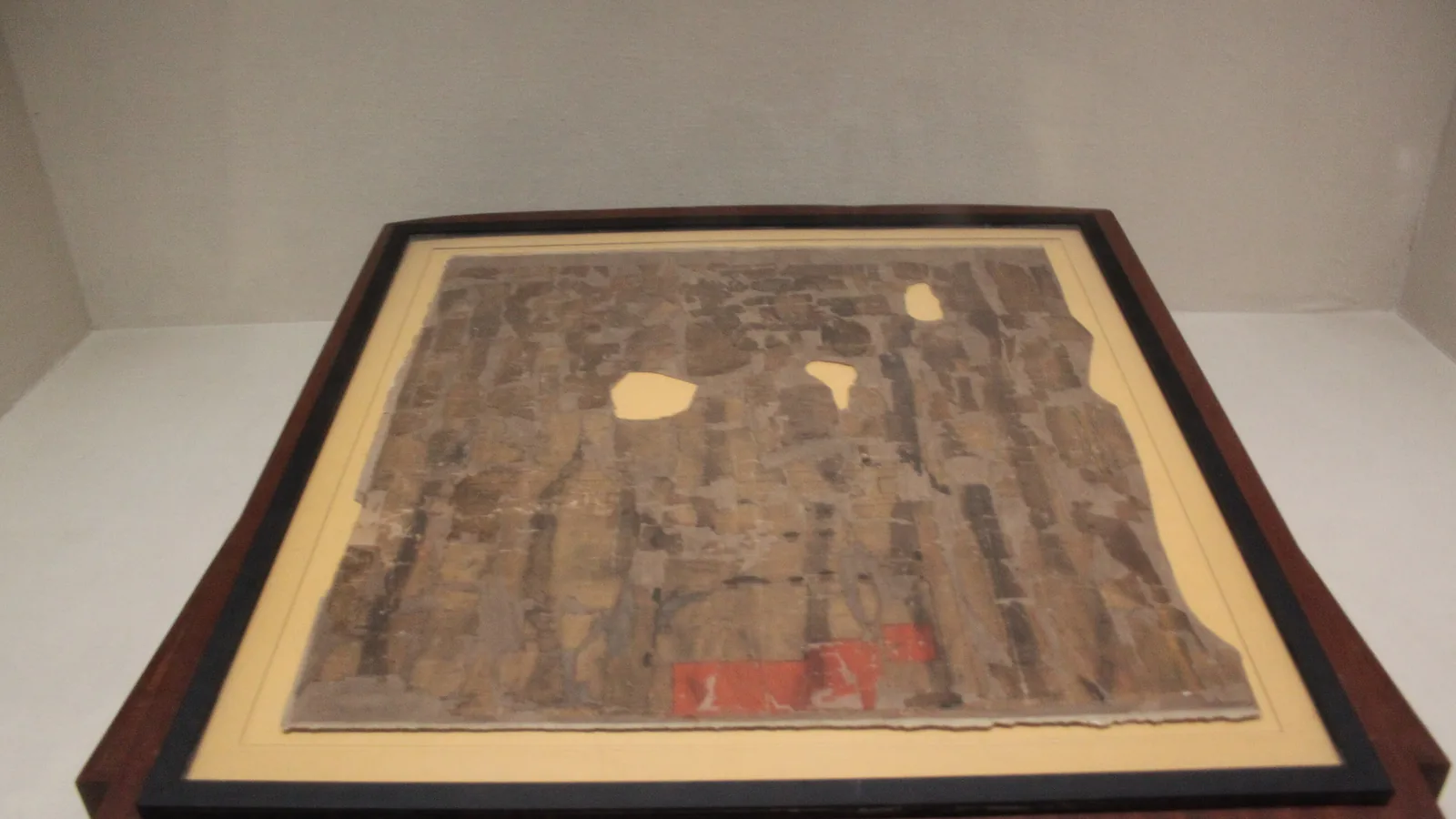
Tomb 3 at Mawangdui, buried in 168 BC and opened in 1973, held a lacquer box of silk and bamboo texts, among them two Laozi editions and medical works.
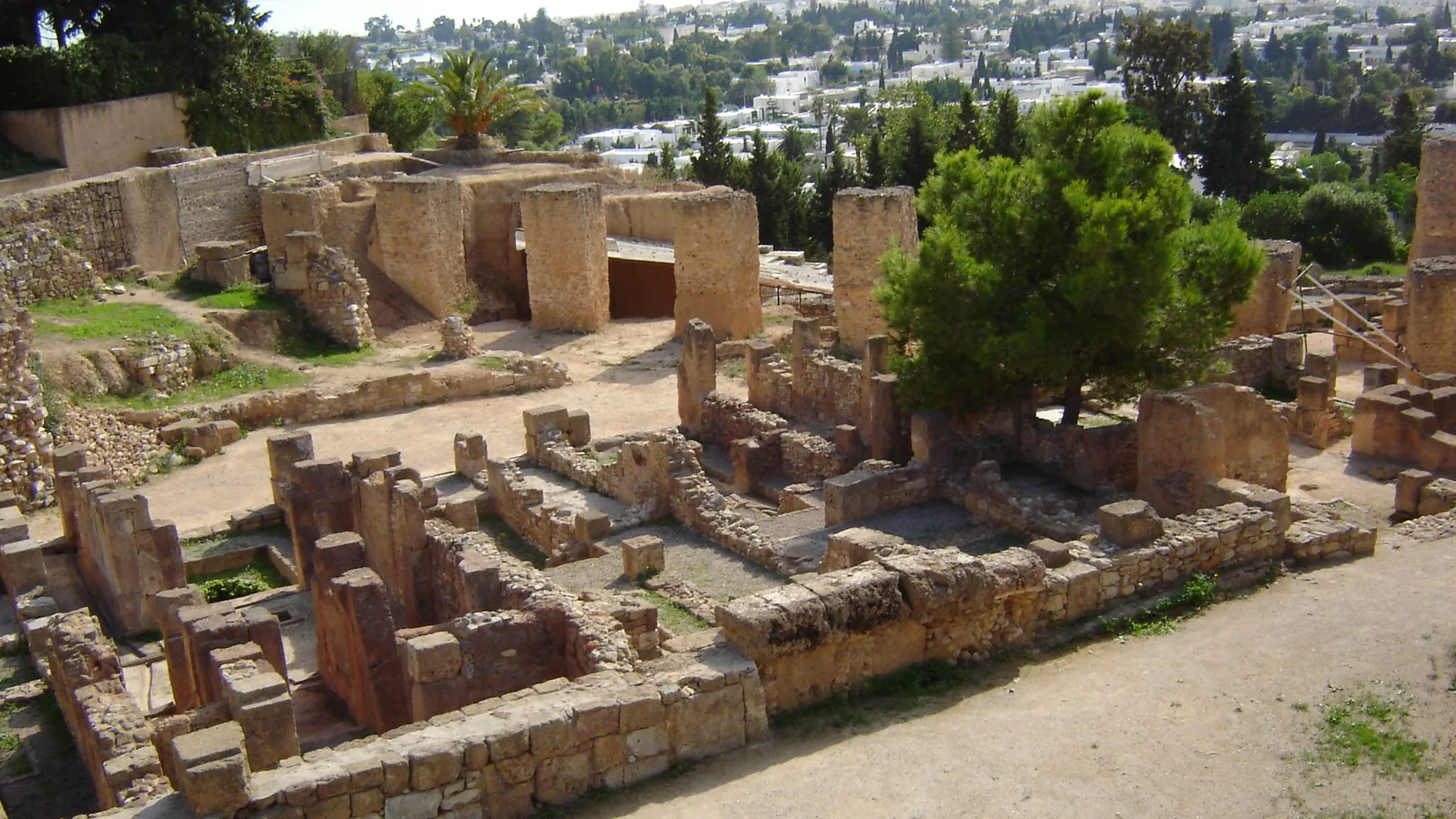
Polybius heard Scipio quote Homer as Carthage fell in 146 BC. R. T. Ridley traced the salted-earth story to a 1930 sentence in the Cambridge Ancient History.
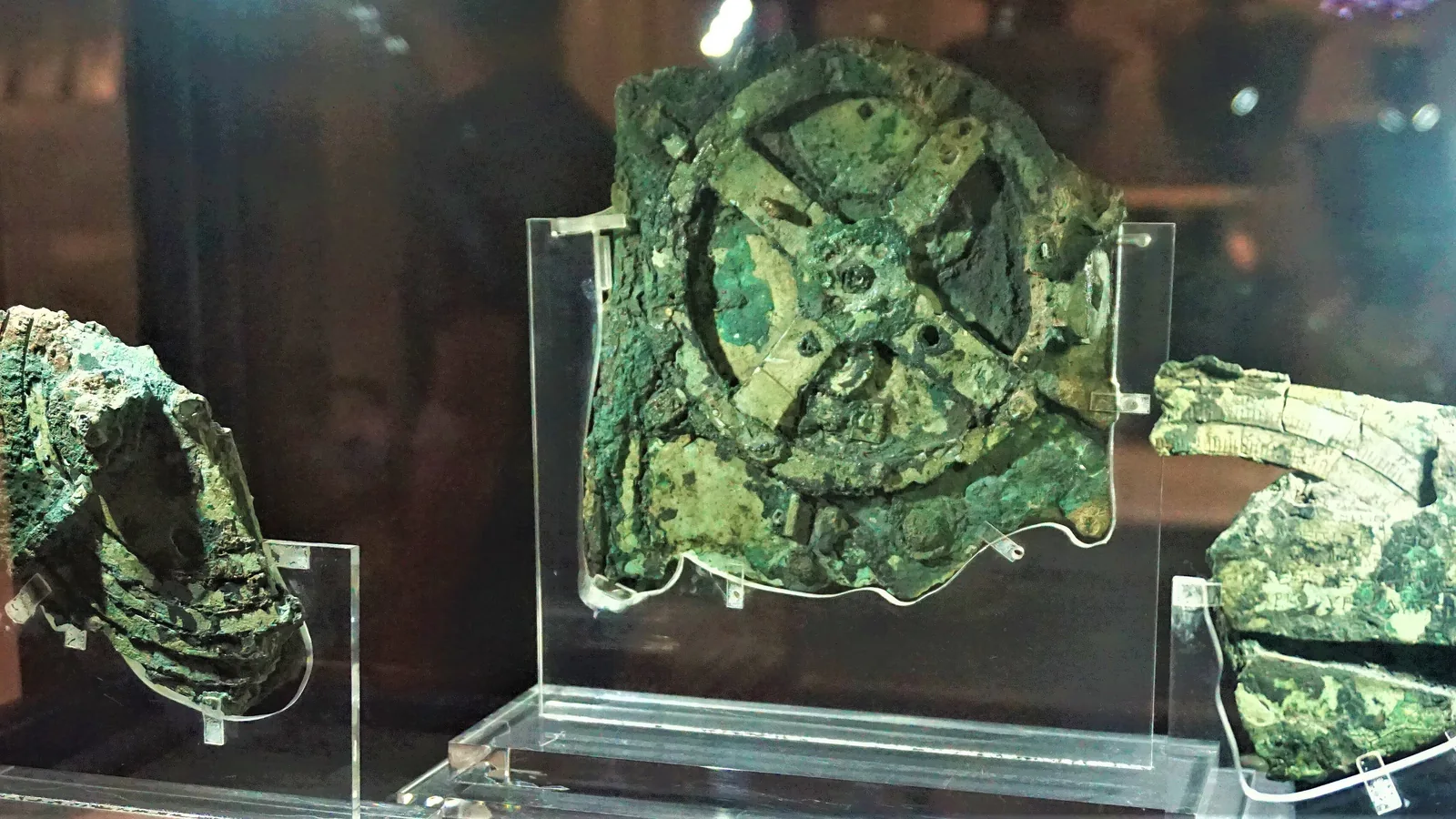
A lump raised from a wreck off Antikythera showed a gear wheel in 1902. X-ray studies from 2005 to 2021 read its 30 gears as an eclipse and planet machine.
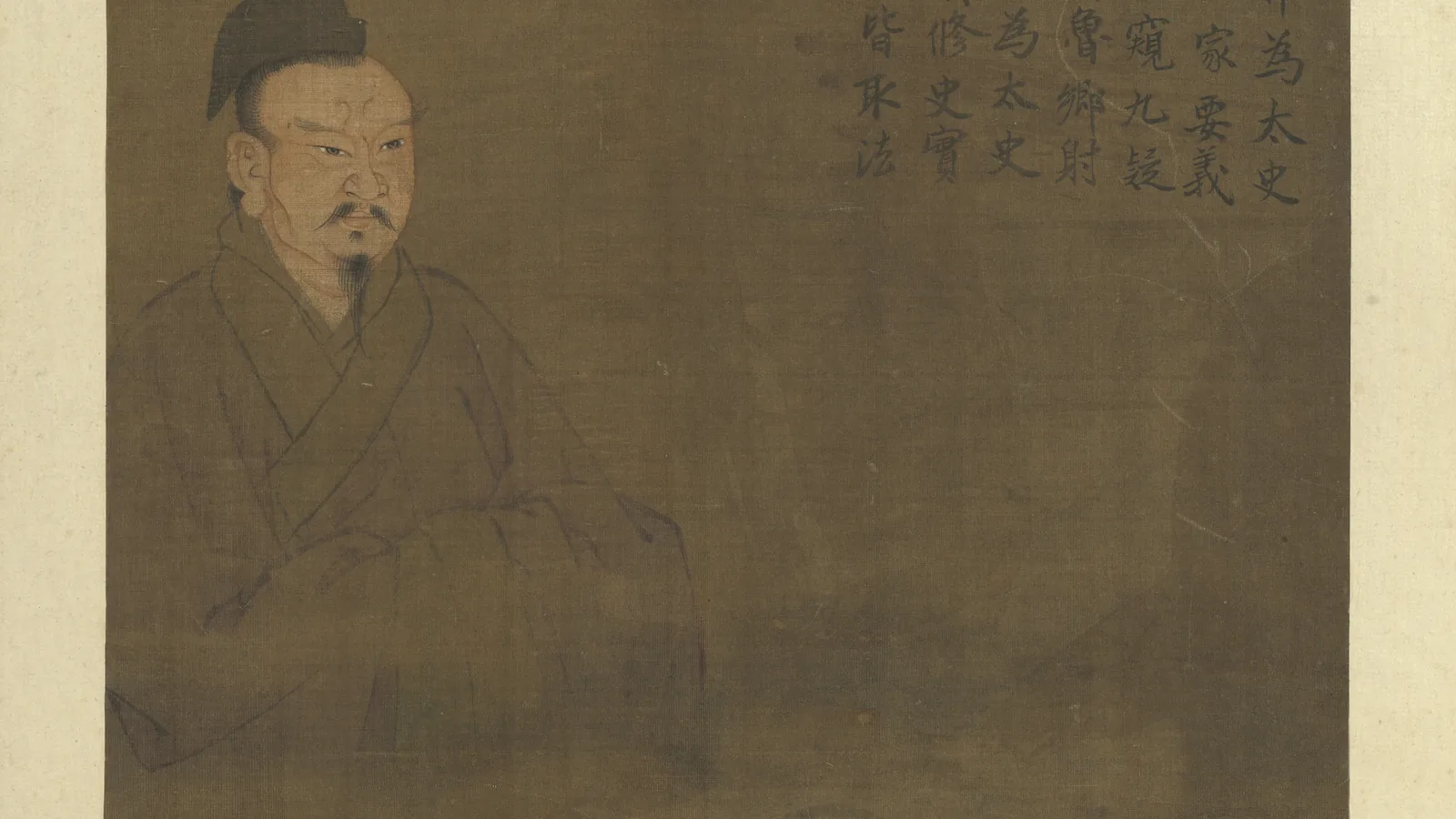
For defending the general Li Ling, Sima Qian was condemned; his letter to Ren An explains why he chose to live and finish the 130 chapters of the Shiji.
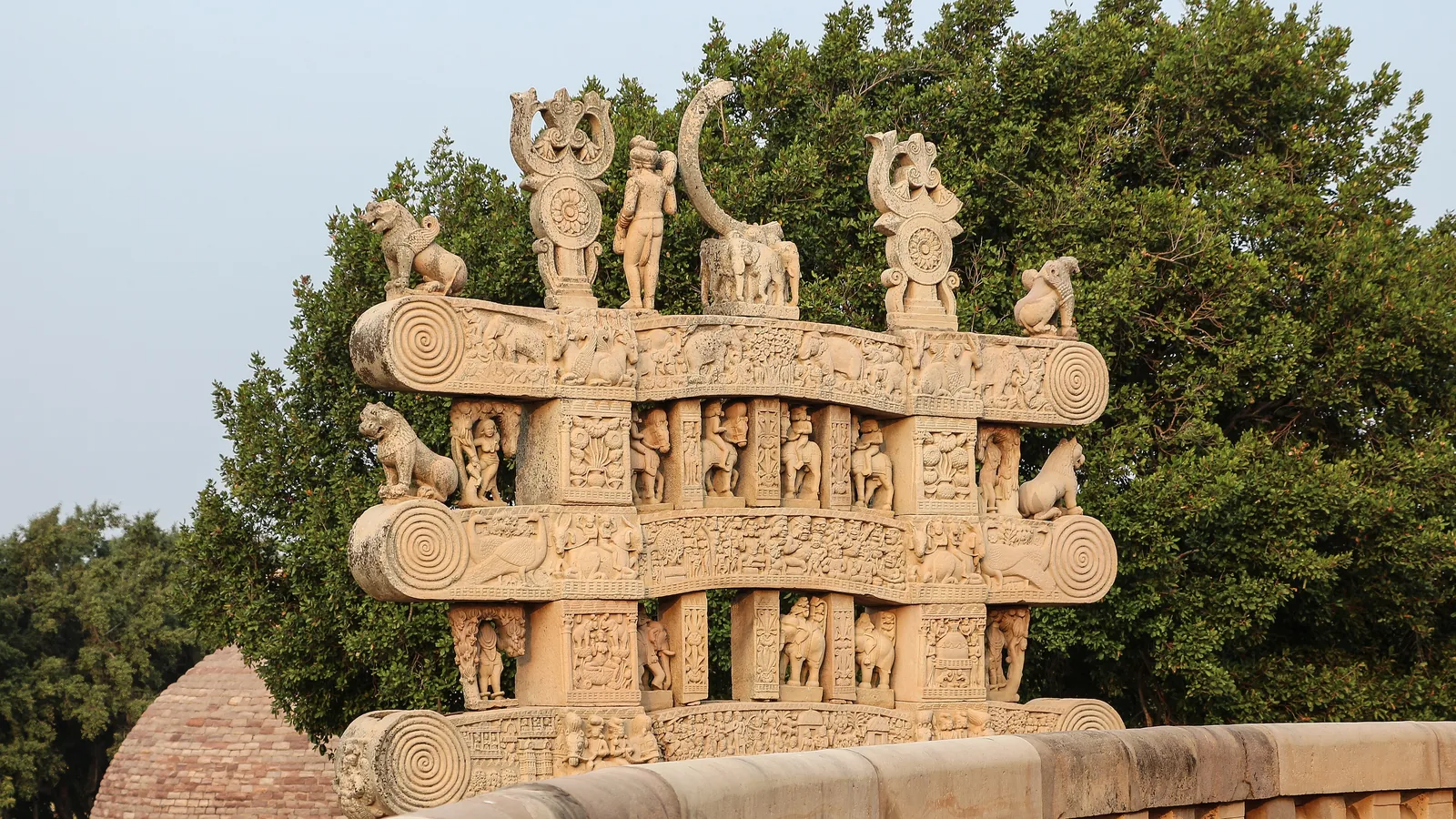
One panel of Sanchi's south gateway names its makers, ivory-carvers from Vidisha. Some 800 other inscriptions name the monks, nuns and bankers who paid.
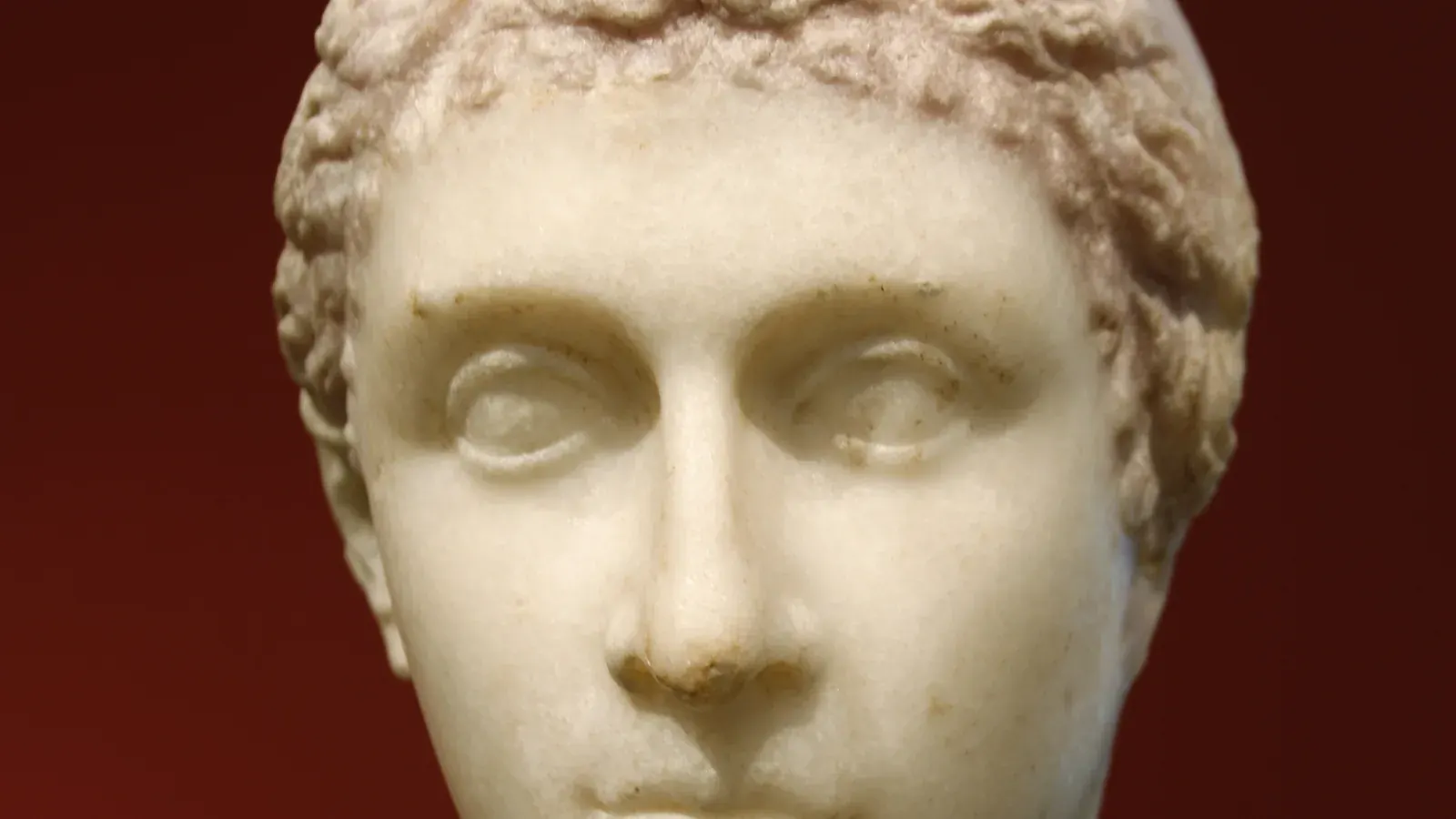
Cleopatra VII came from a dynasty of Macedonian origin, yet Plutarch says she spoke many languages. Horace called her a monster; how she died, no one knew.
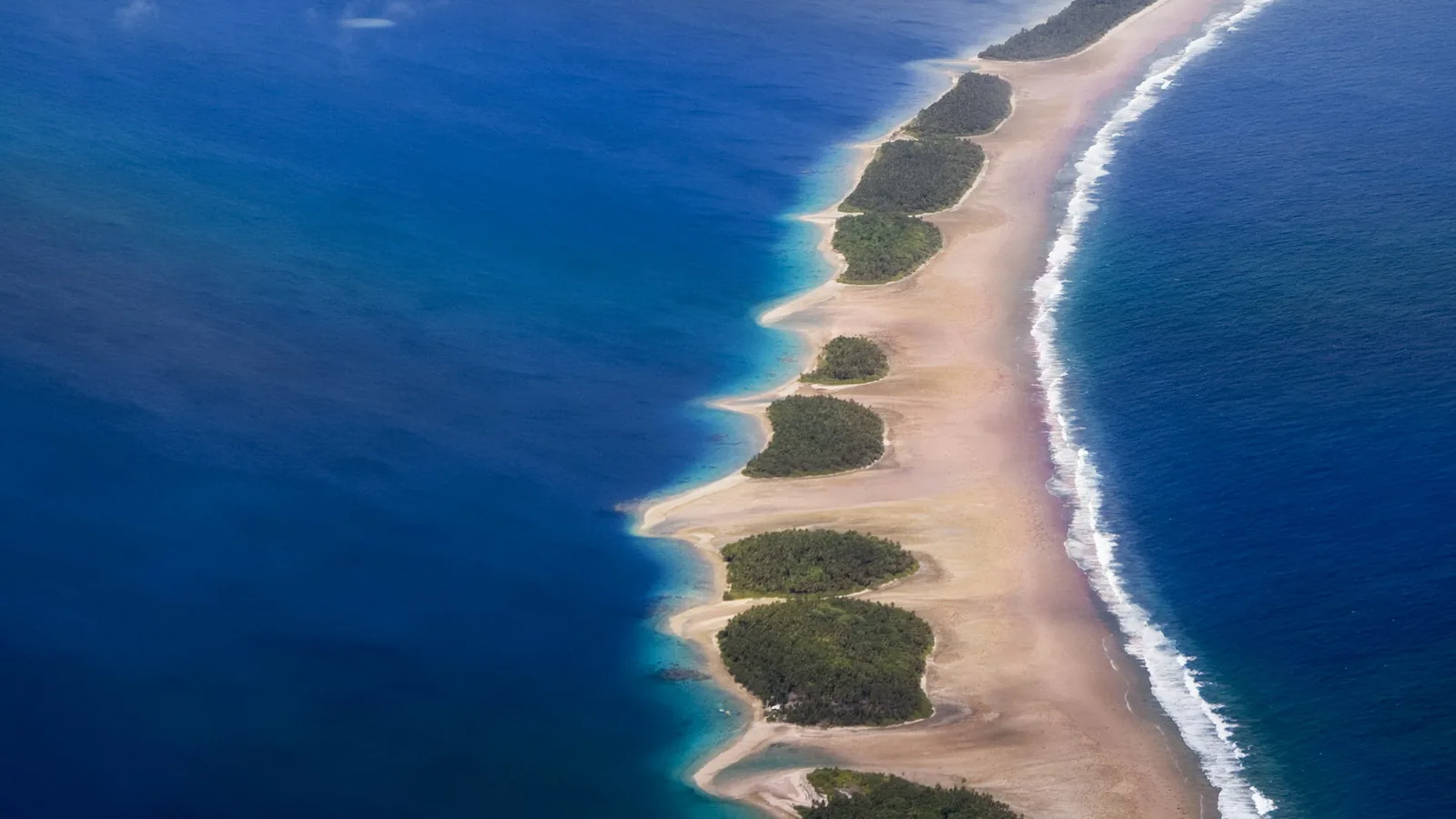
A 2022 PNAS study ties Pacific atoll settlement to sea-level fall after a highstand. Digs date Ebon occupation to two millennia and Utrōk to the first centuries AD.
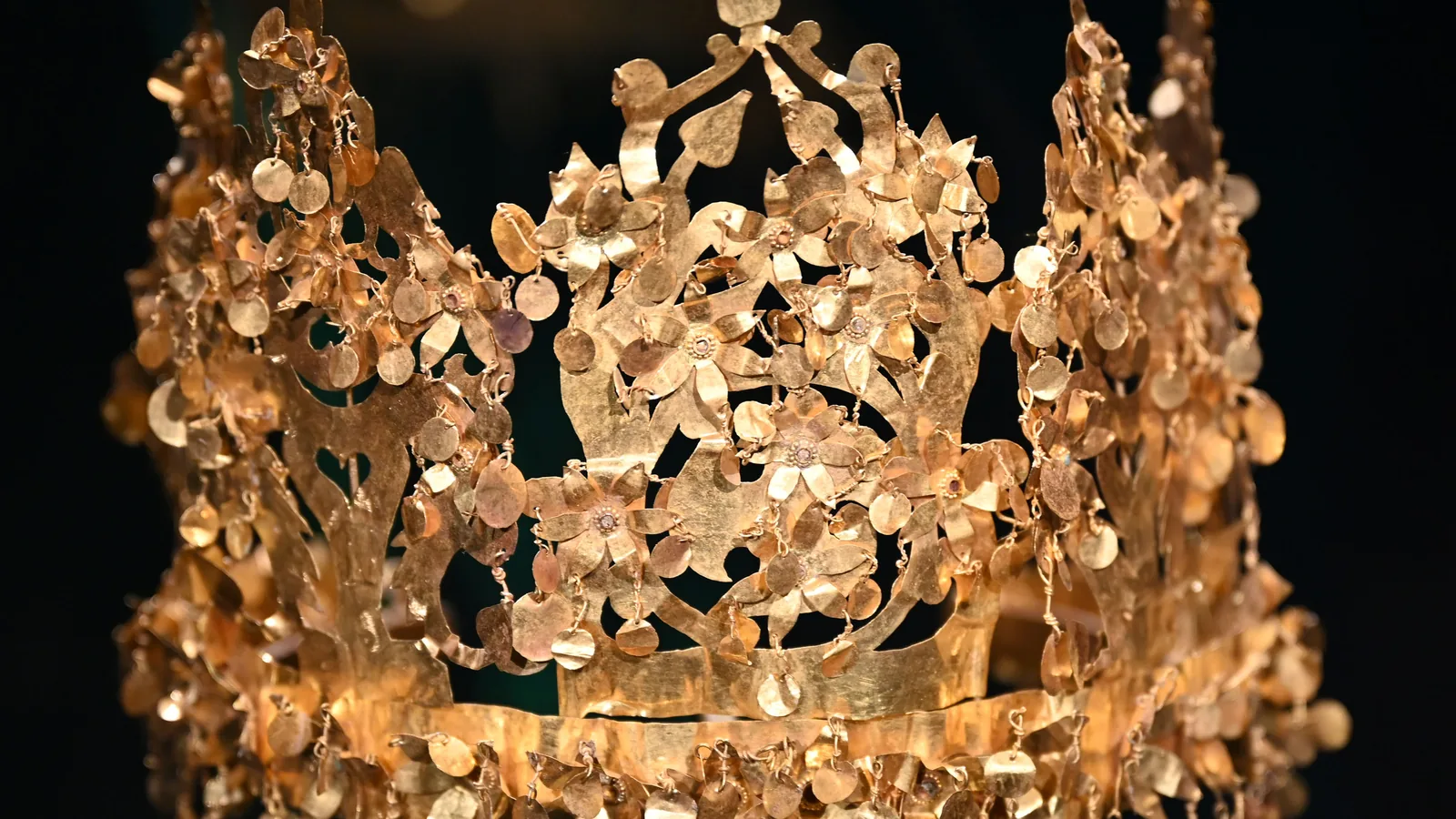
From November 15, 1978, Viktor Sarianidi's team found six unlooted graves at Tillya Tepe, Afghanistan, with a Tiberius aureus and about 20,000 gold objects.
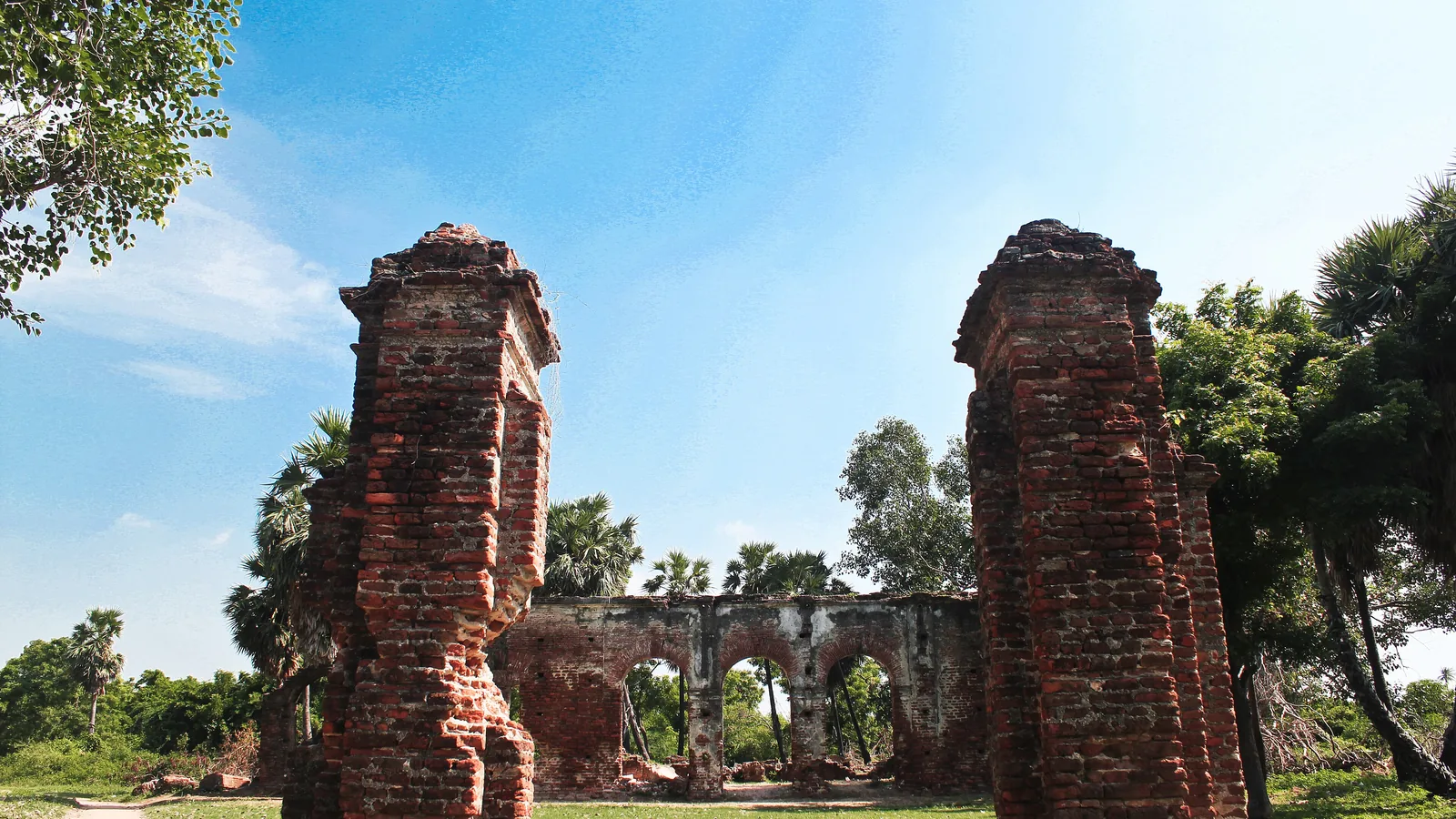
Wheeler dug Arikamedu, near Pondicherry, in 1945, found Italian Arretine ware and dated it AD 20-50; later digs argued it began near the 2nd century BC.
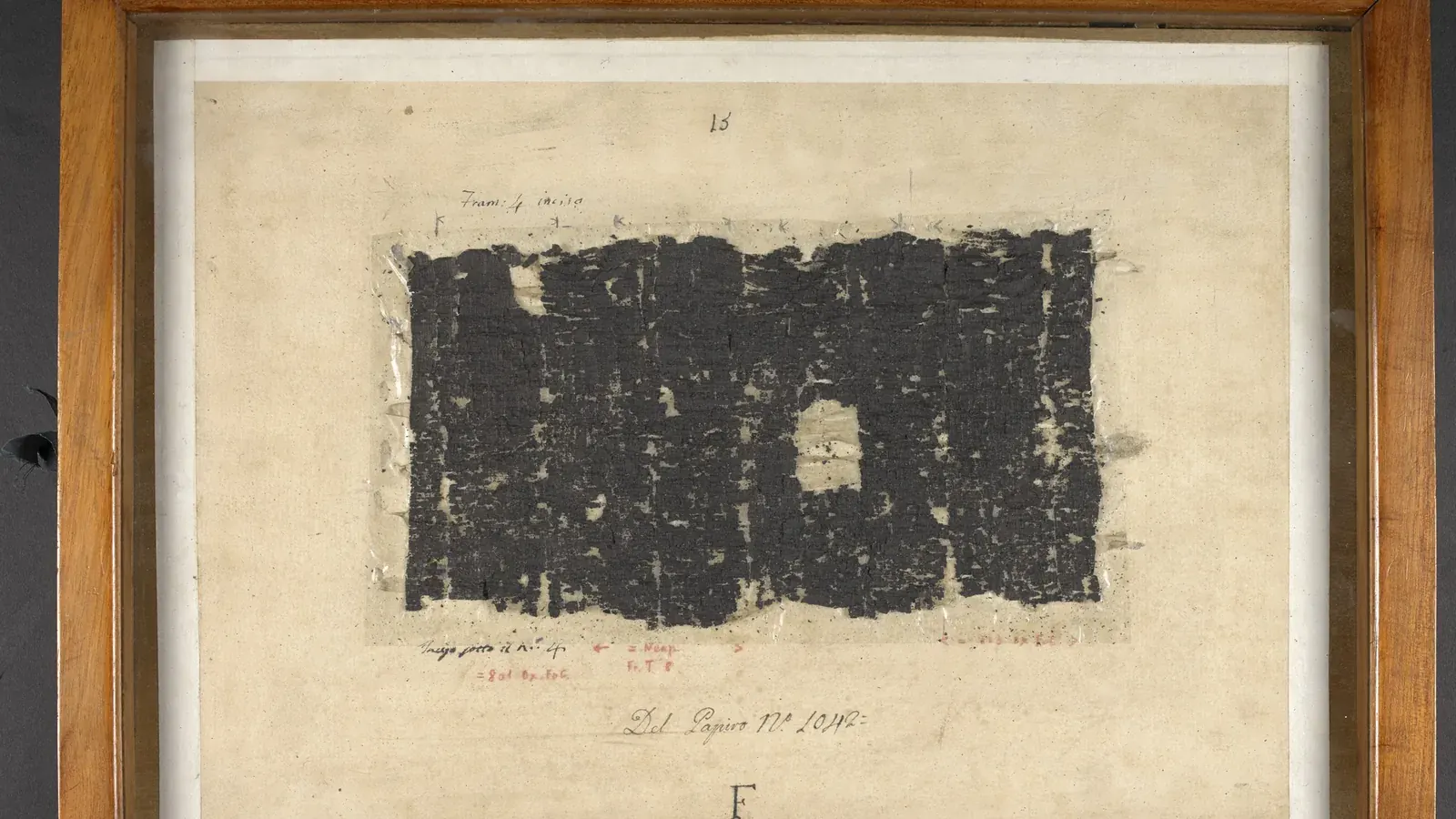
Vesuvius carbonized a Roman villa's library in AD 79. Scans and machine learning now read the scrolls unopened: a first word in 2023, a whole roll by 2026.
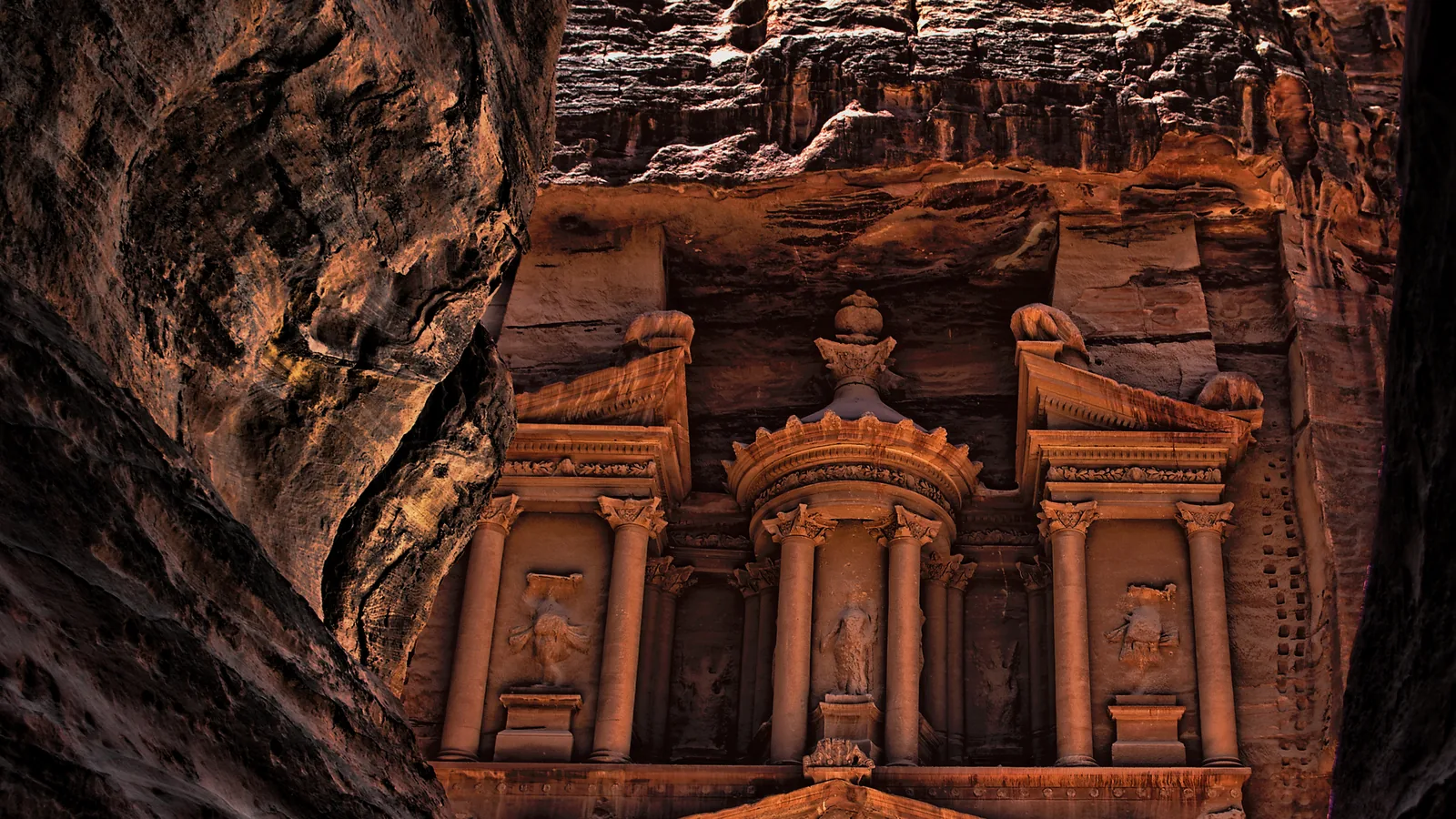
Johann Ludwig Burckhardt entered the valley of Petra on August 22, 1812, after telling his guide he had vowed to sacrifice a goat at the tomb of Aaron.
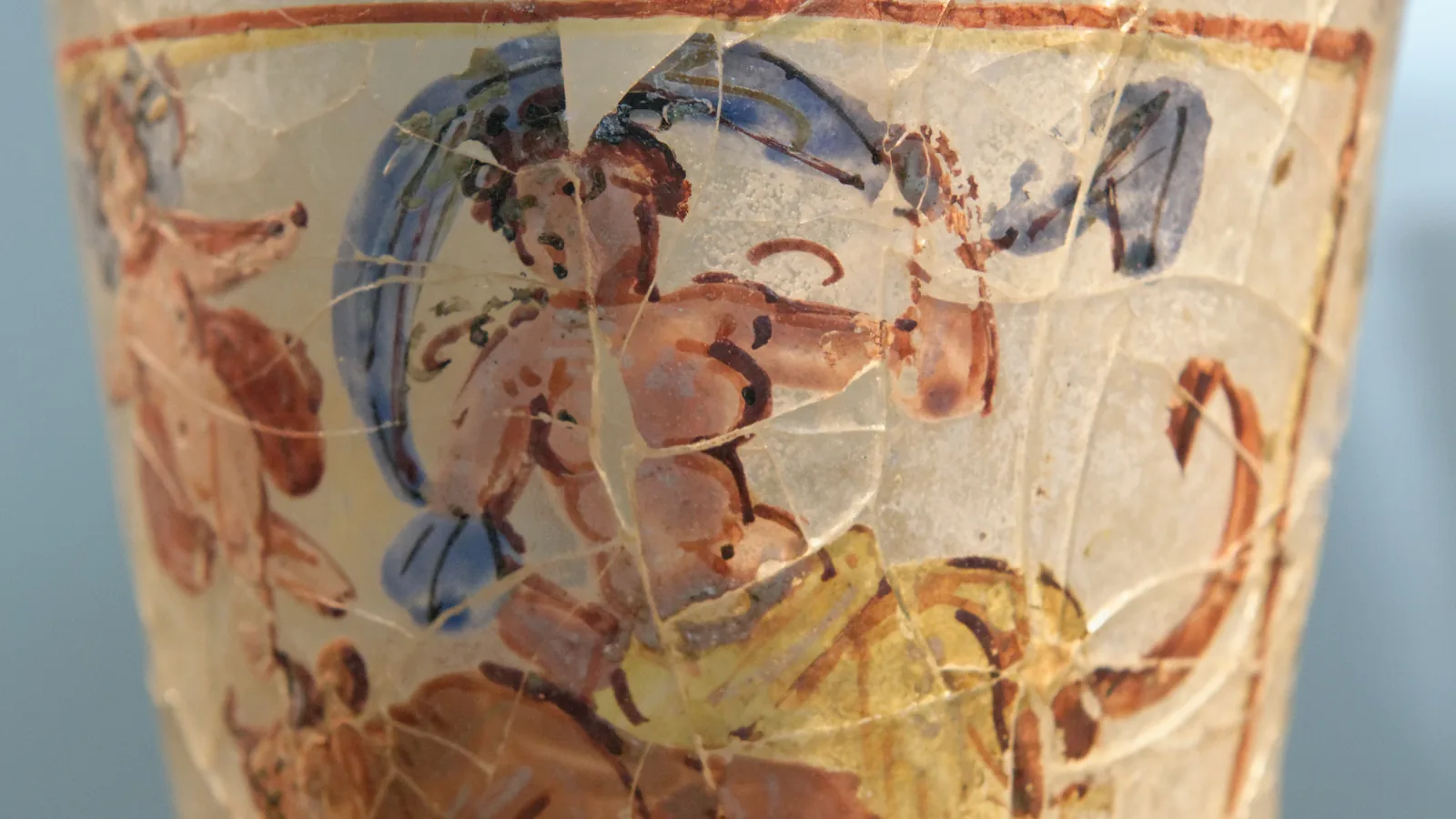
Two walled-up rooms at Begram, 1937 and 1939, held Roman glass, Indian ivory and Han lacquer. Half went to Paris; 20 ivories returned to Kabul in 2012.
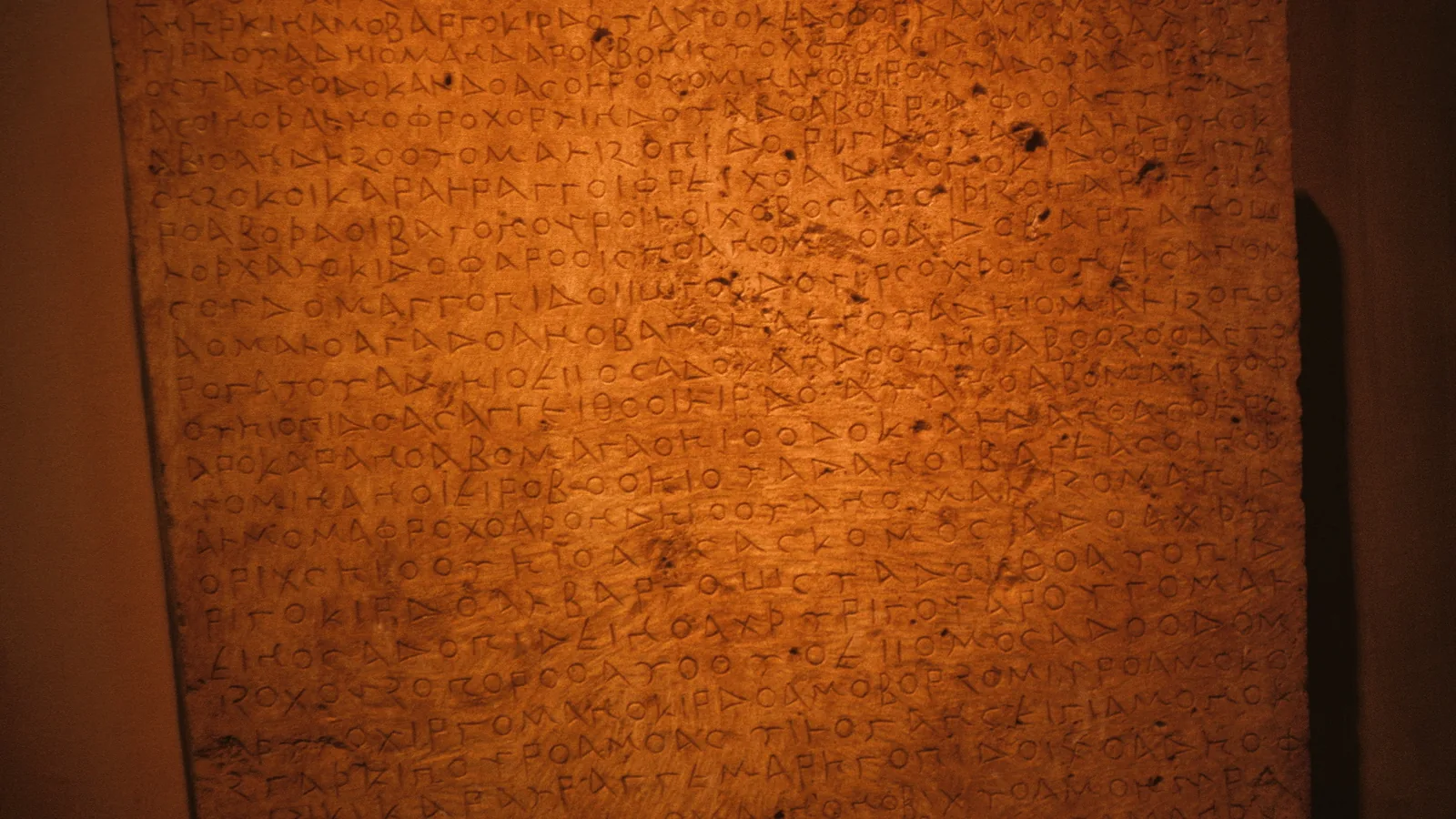
A Bactrian stone unearthed in 1993 in Baghlan gives Kanishka's year one, four generations of Kushan kings, a switch from Greek and four Gangetic cities.
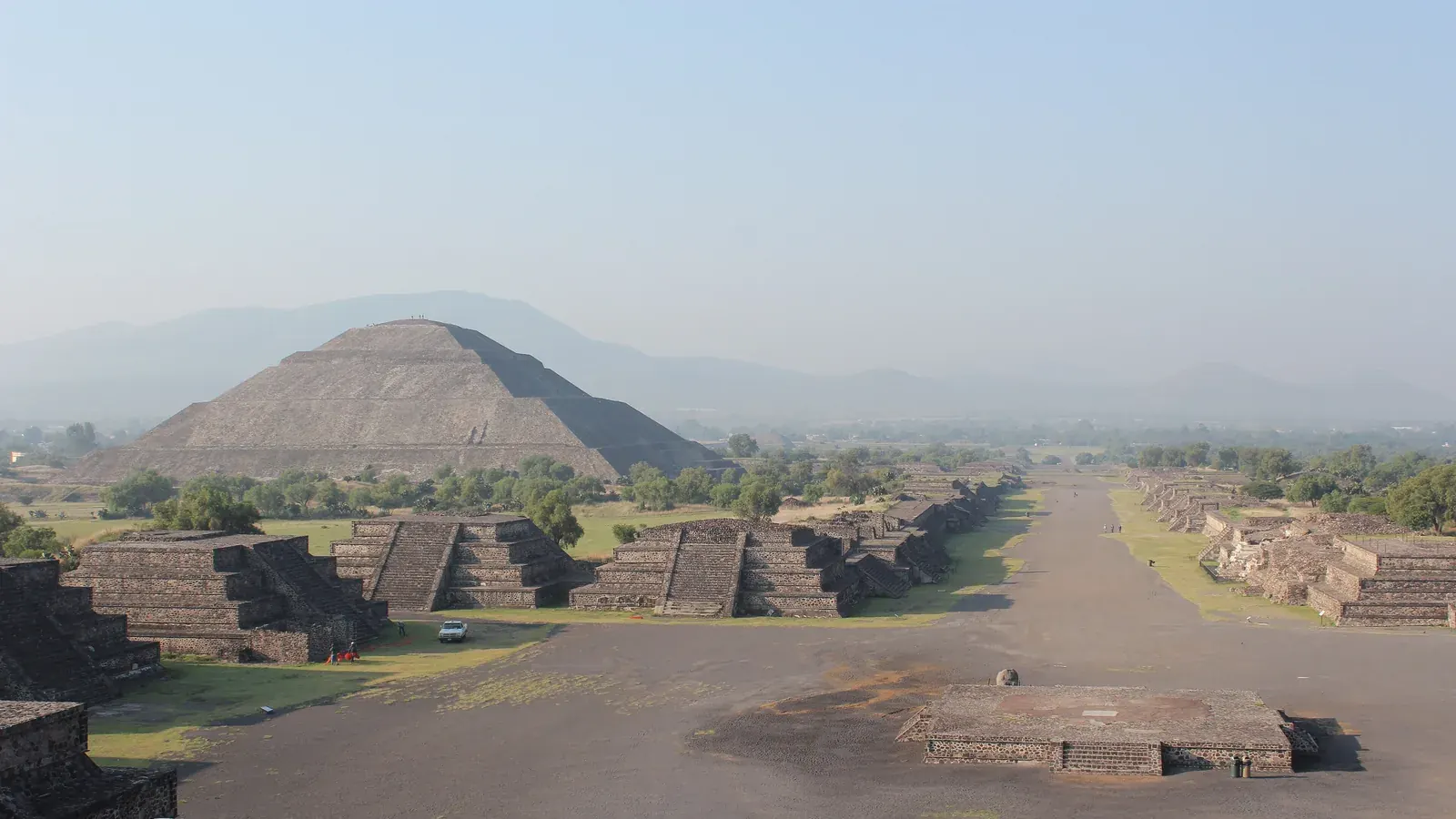
Teotihuacan covered eight square miles and held 100,000 people or more by AD 400, yet no portrait or tomb of a king has been found. Its rulers are unknown.
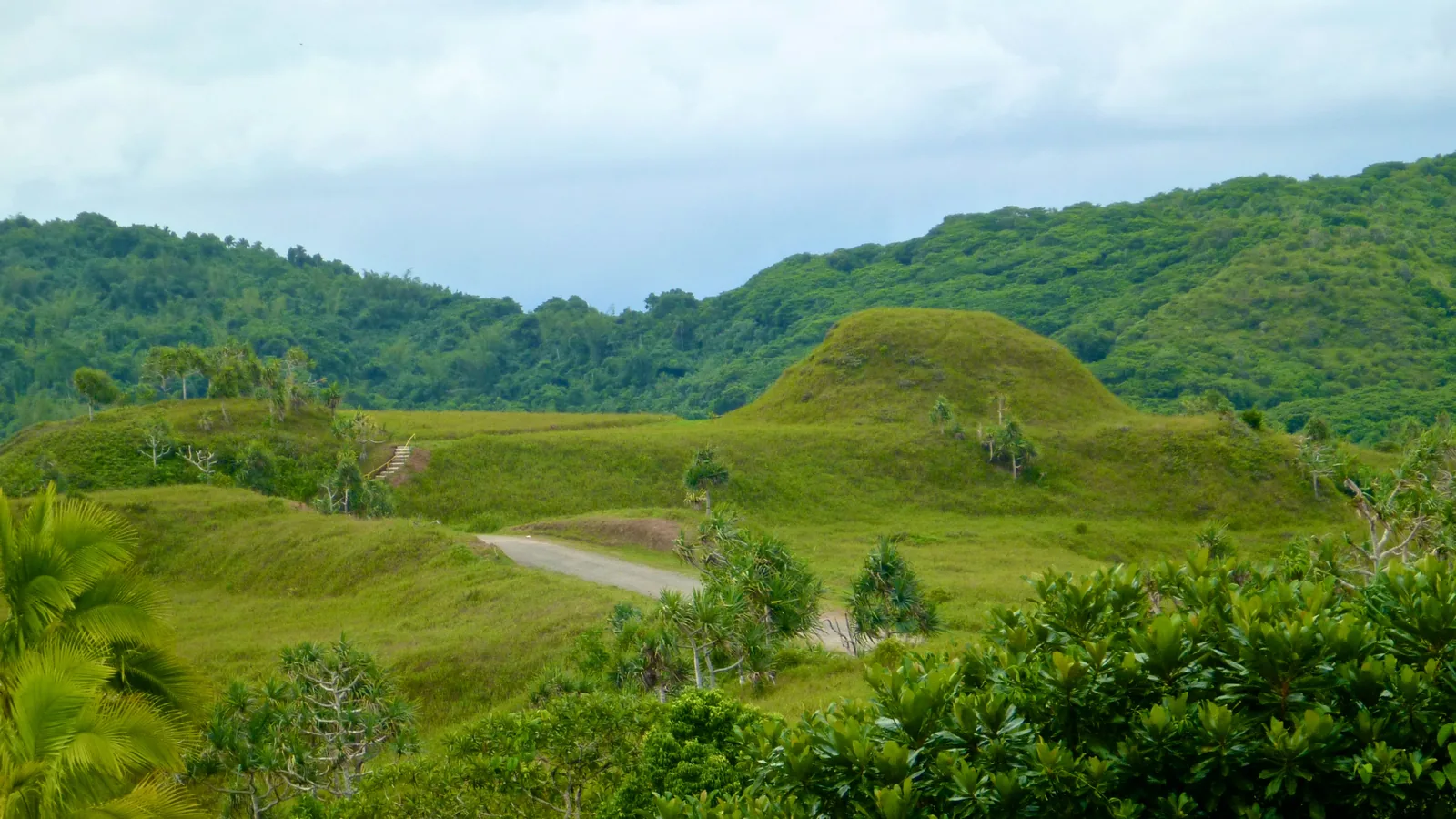
Earthwork terraces cover an estimated 20 percent of Babeldaob, Palau, built about 500 BC to AD 650 and left by about AD 1000 for coastal villages of stone.