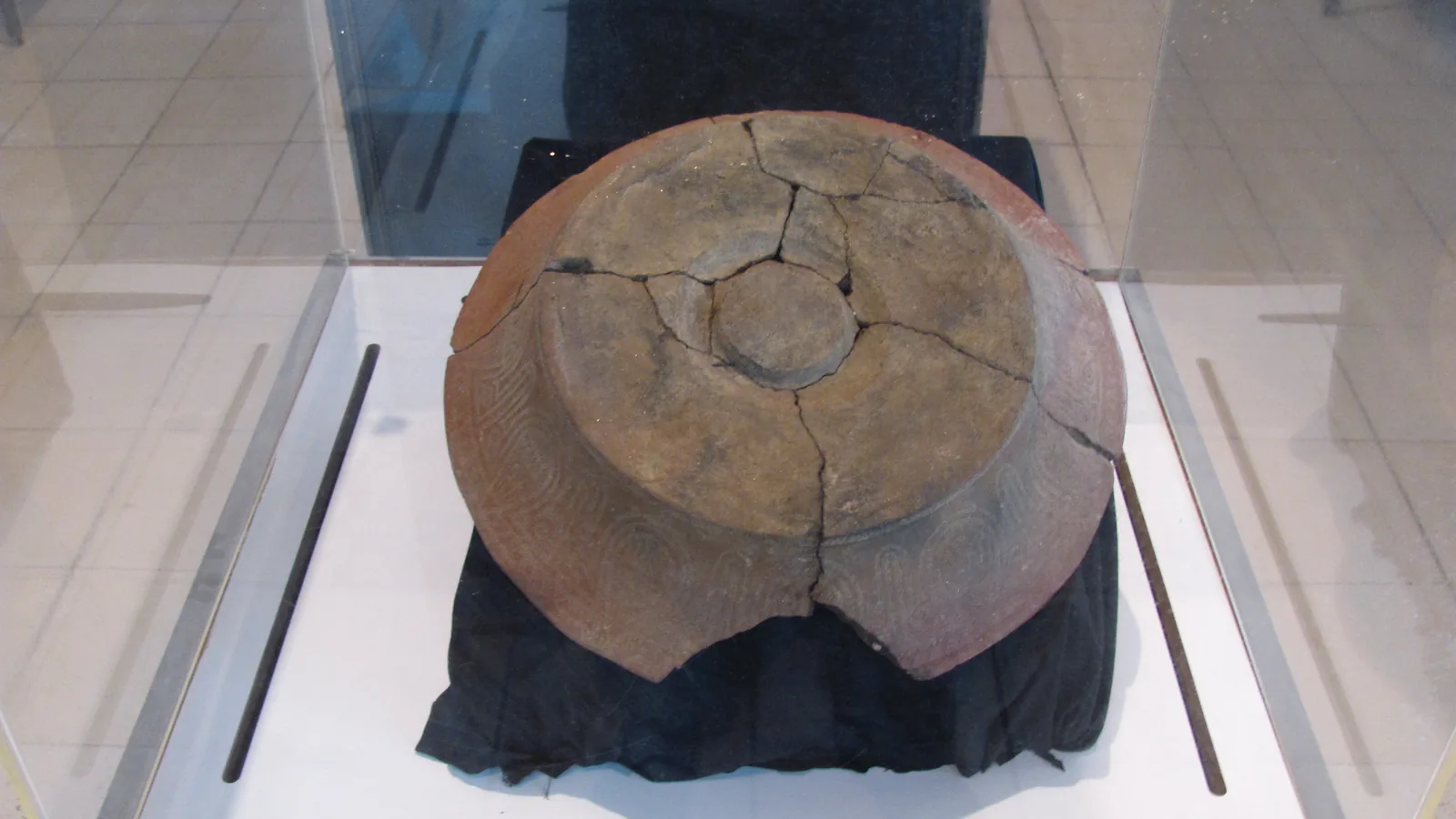
A synagogue to Damascus, a church to Yale: Dura-Europos, 1920–1937
Wall paintings found in a trench in March 1920 led to the Yale-Académie digs at Dura-Europos; its synagogue went to Damascus, its baptistery to Yale.
· AD 245Greece, Rome, Persia, the Qin and Han, the Maya: the age of the great classical states and the written histories that describe them. These articles cover their rise, their wars and the everyday lives their ruins preserve.
Wall paintings found in a trench in March 1920 led to the Yale-Académie digs at Dura-Europos; its synagogue went to Damascus, its baptistery to Yale.
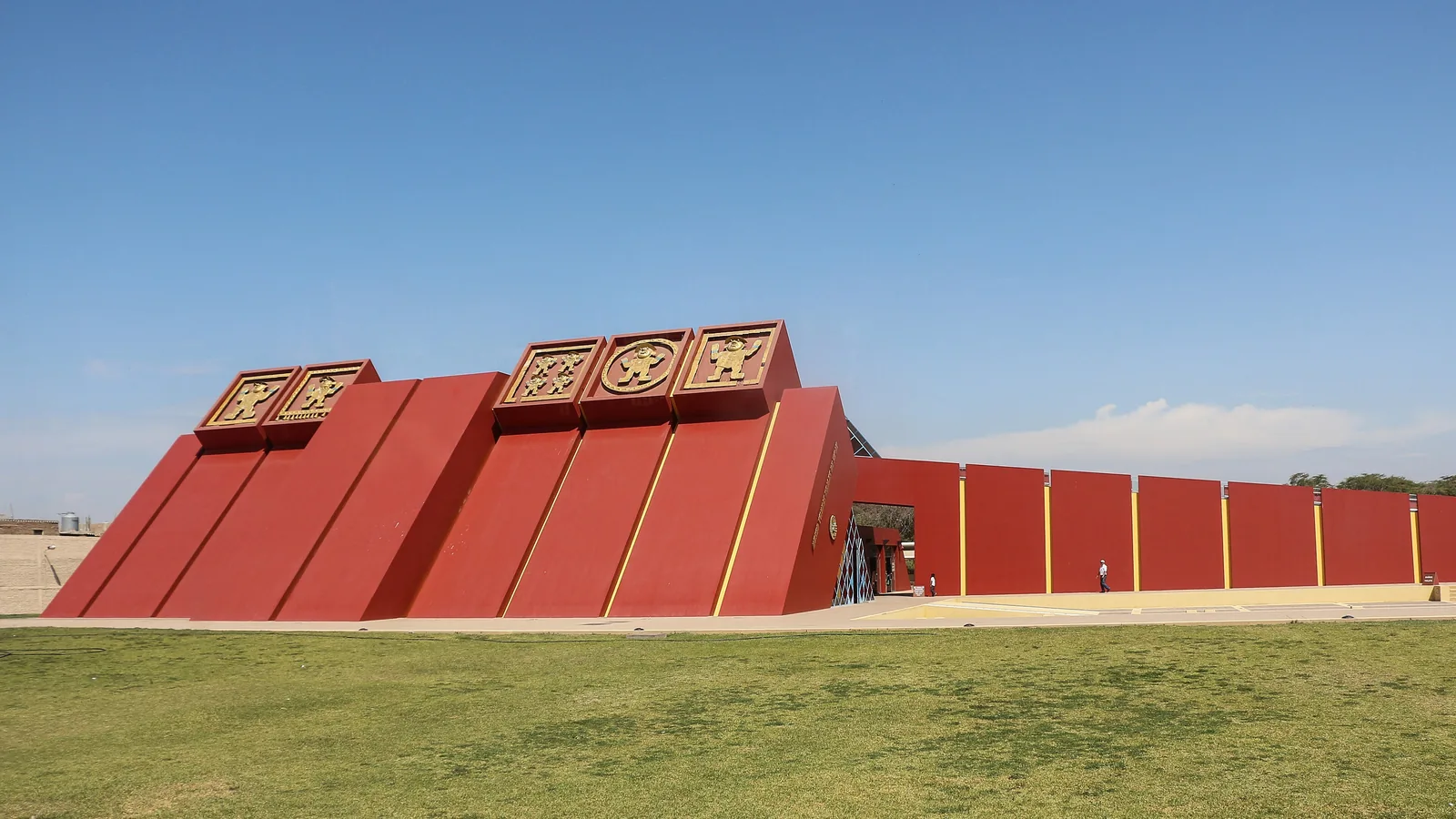
· AD 245Police recovered looted gold at Sipán in February 1987. Walter Alva's team then recorded an intact Moche royal tomb at Huaca Rajada on July 20, 1987.
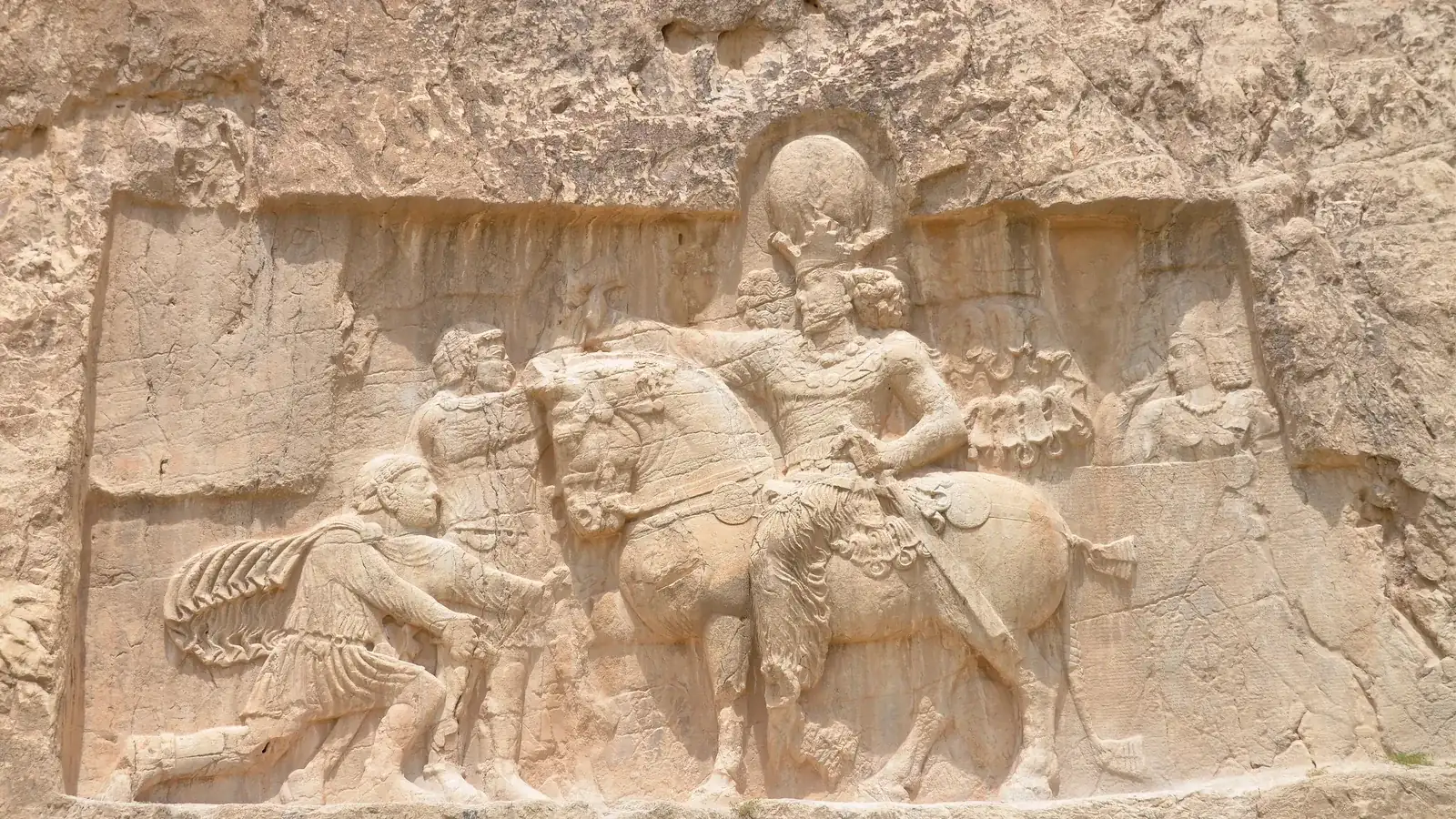
· AD 250Shapur I took Valerian prisoner near Edessa in AD 260 and recorded it in a trilingual inscription and rock reliefs in Fars. Rome told it differently.
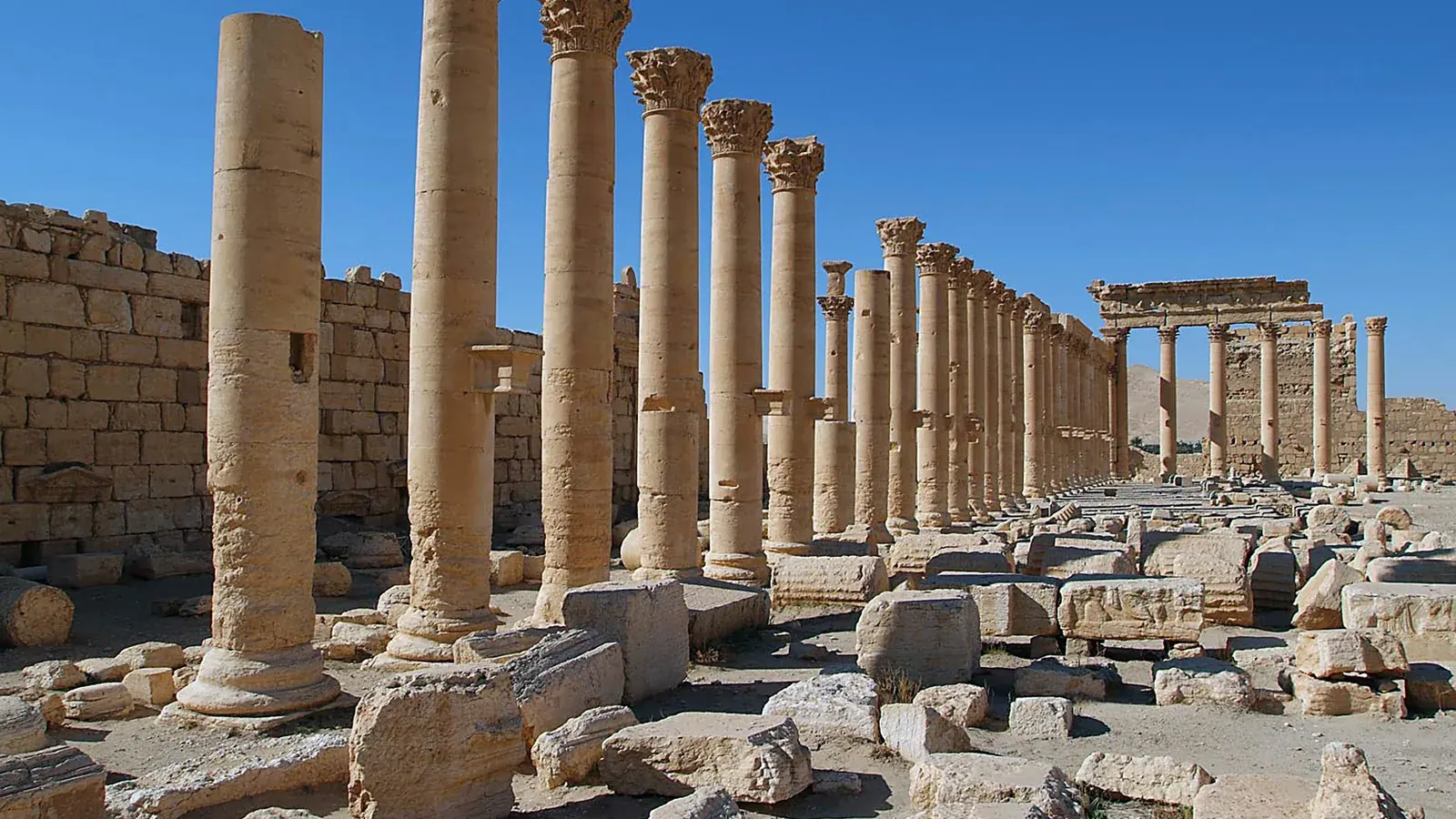
· AD 260Palmyra taxed the caravans carrying Gulf and Indian goods across the desert to Rome. That wealth let Odaenathus and Zenobia rule the Roman East until AD 272.
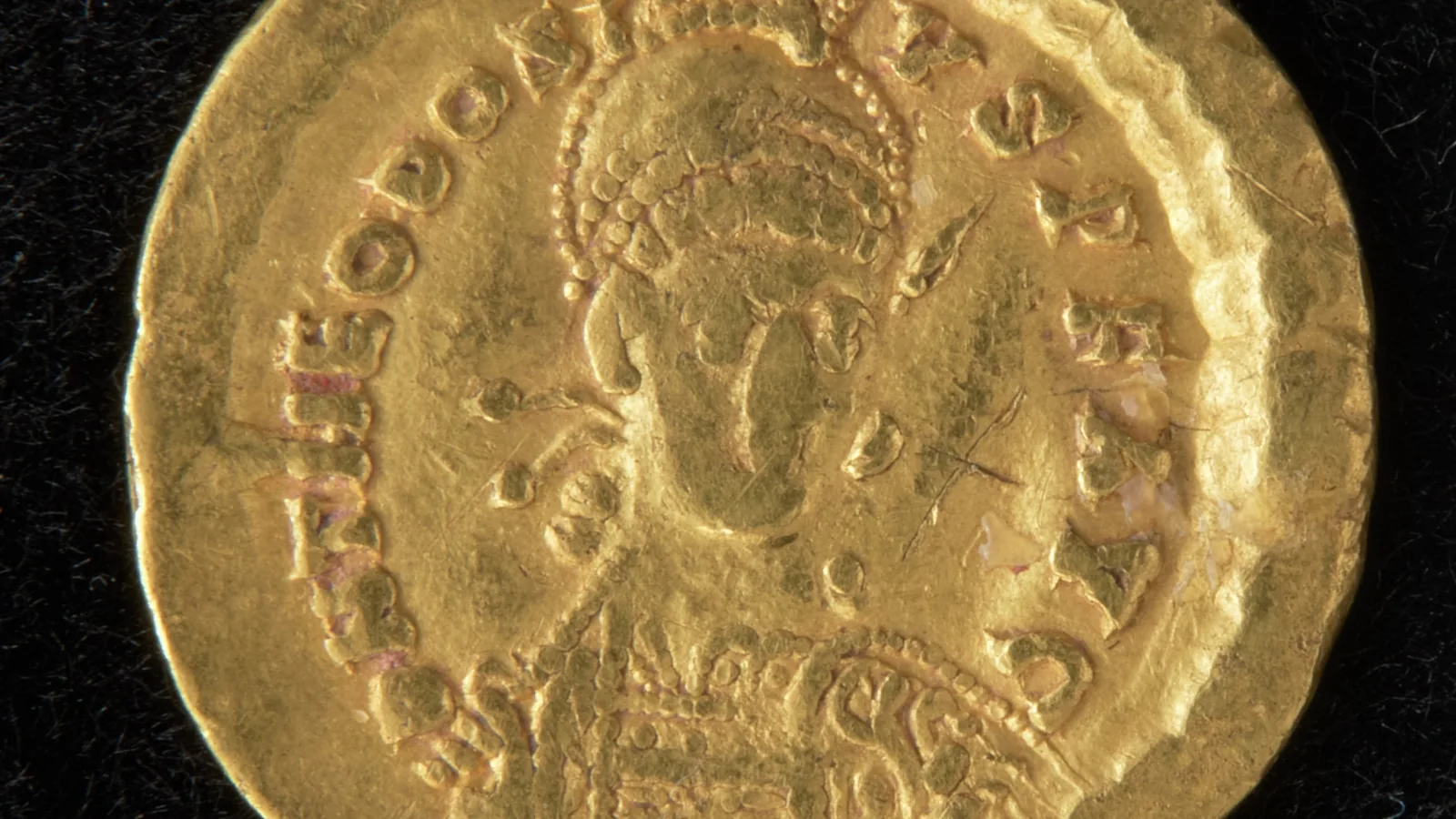
· AD 270Priscus's fragment 8, in J. B. Bury's translation, follows the East Roman embassy of 449 to Attila, a Greek merchant turned Hun and a banquet in wood.
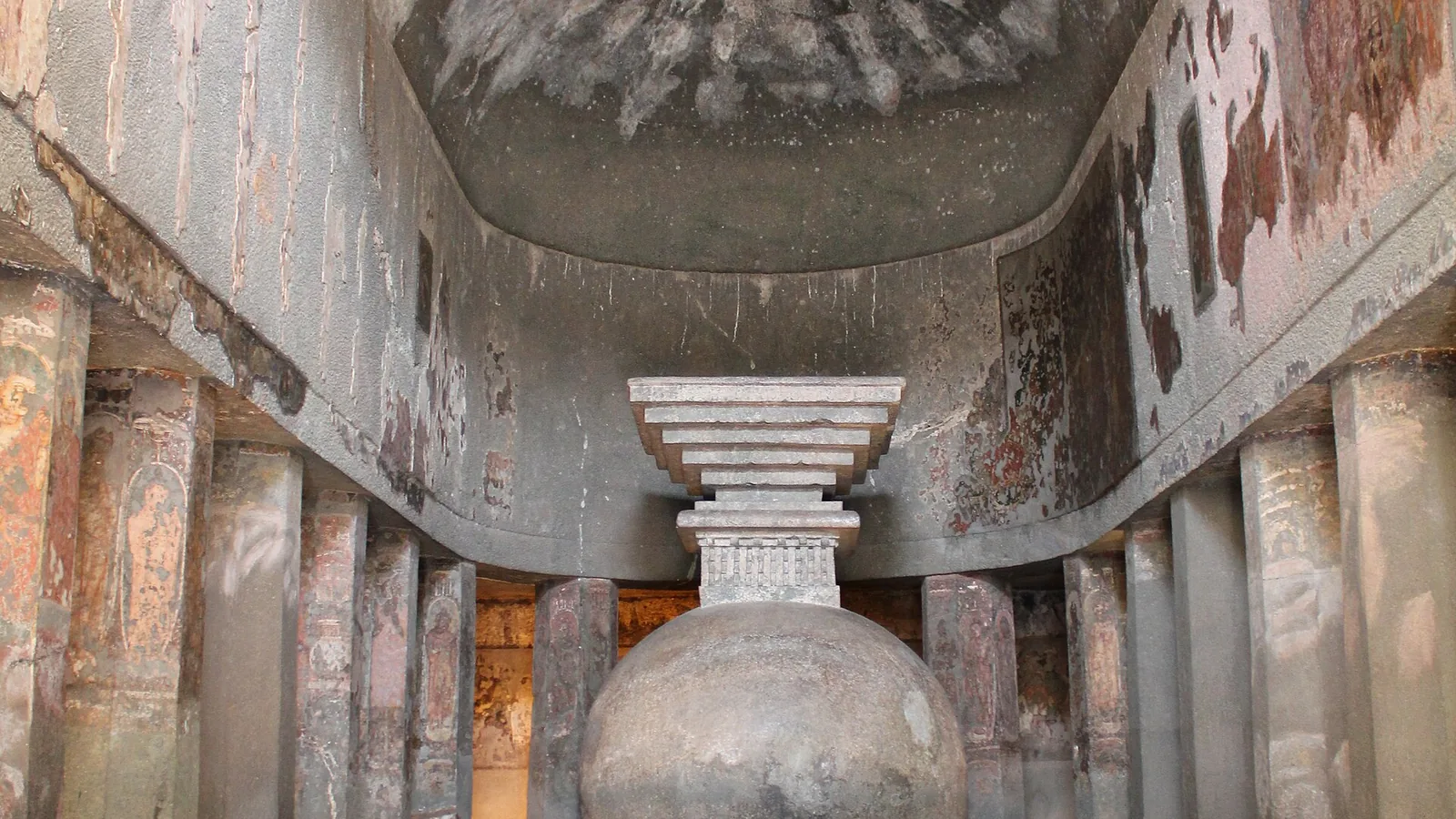
· AD 449The East India Company ordered Ajanta's paintings copied in 1844. Gill's canvases burned at the Crystal Palace in 1866; Griffiths recopied them, 1873-1885.
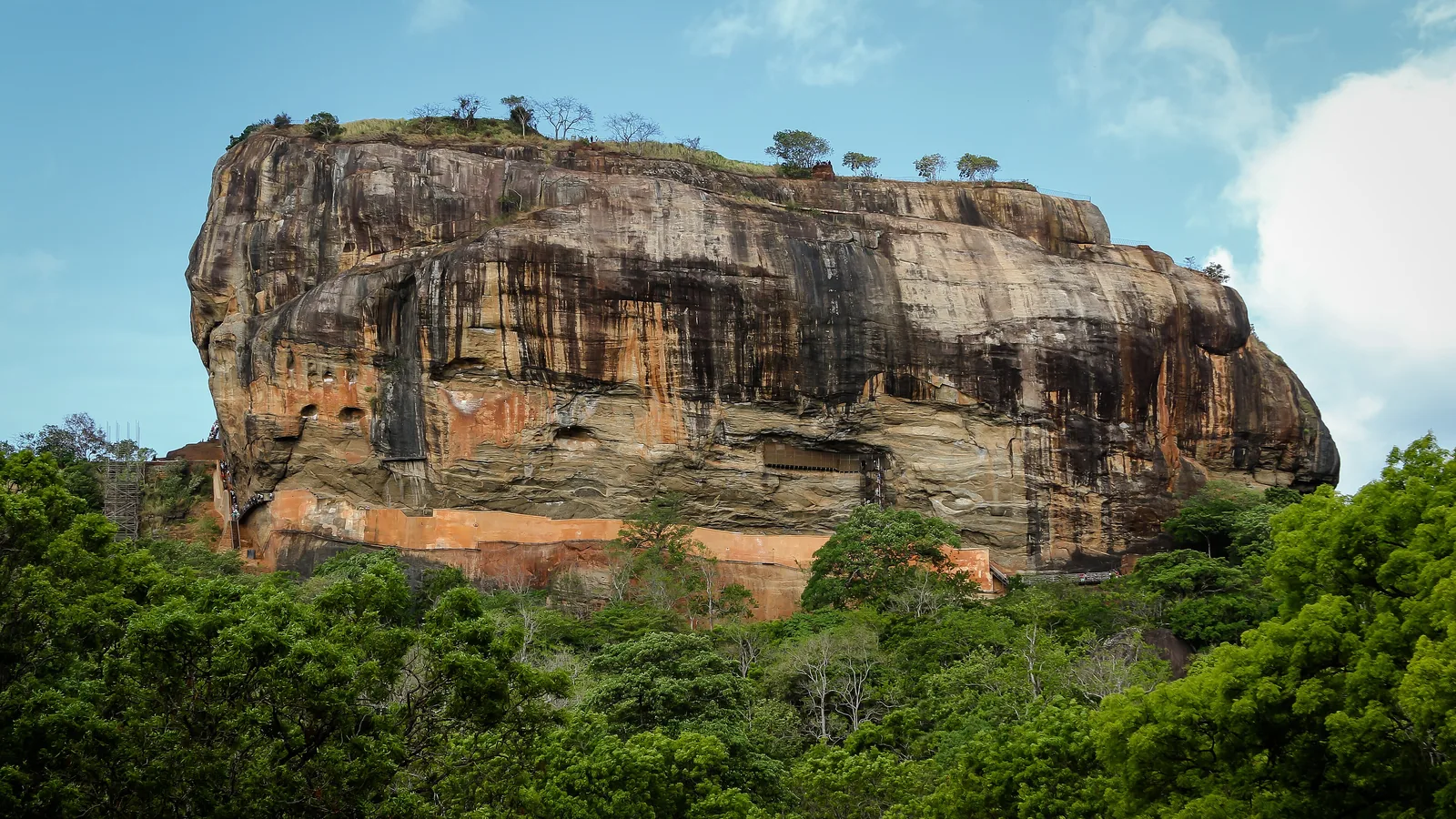
· AD 470The Culavamsa says Kassapa fled to Sihagiri, walled it and built a lion staircase. The Central Cultural Fund dates his reign 477 to 495.
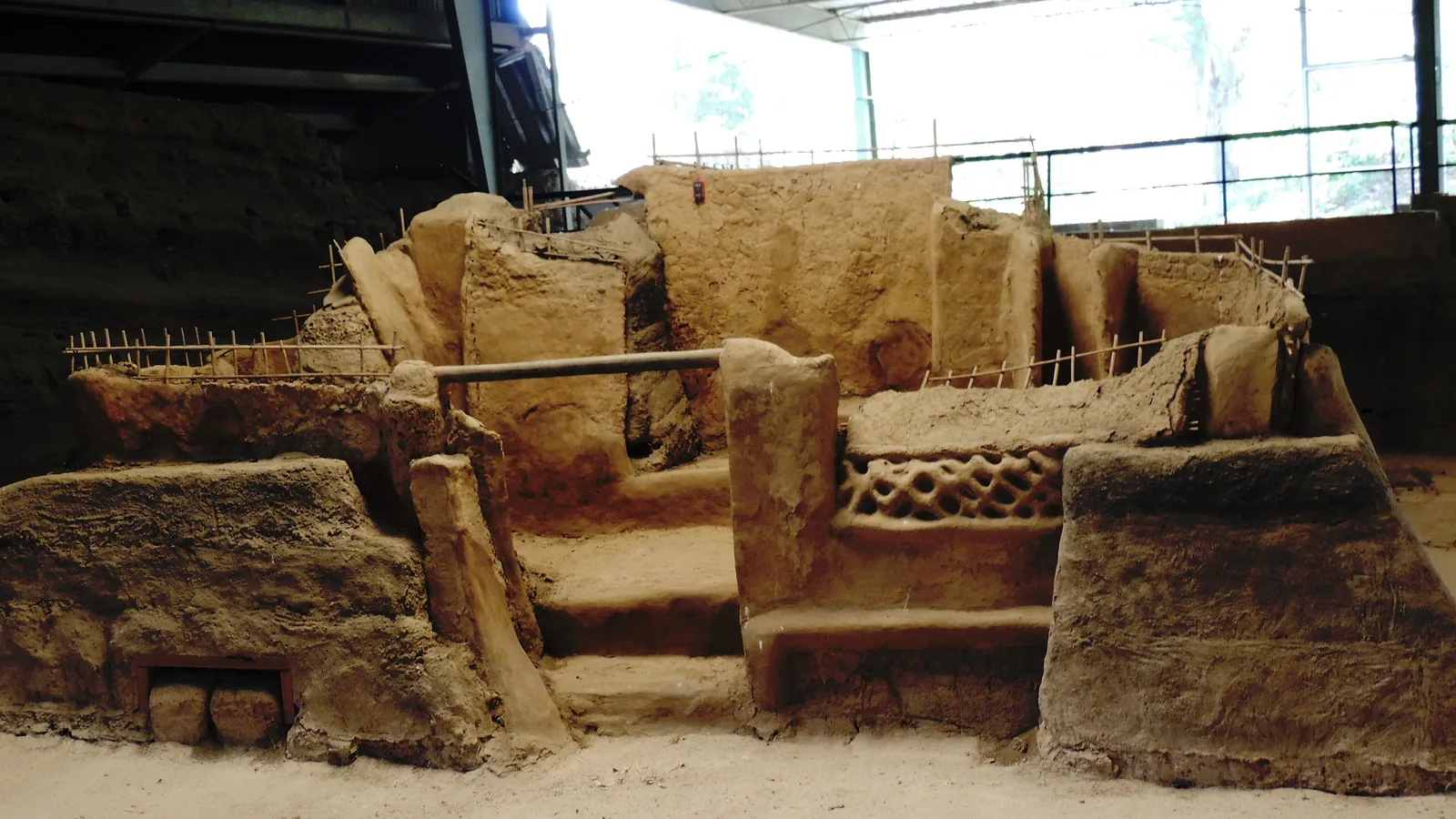
· AD 477A 1976 bulldozer cut into Joya de Cerén, a Maya village buried by Loma Caldera ash about AD 630-650. Digs found stocked houses, fields and no bodies.
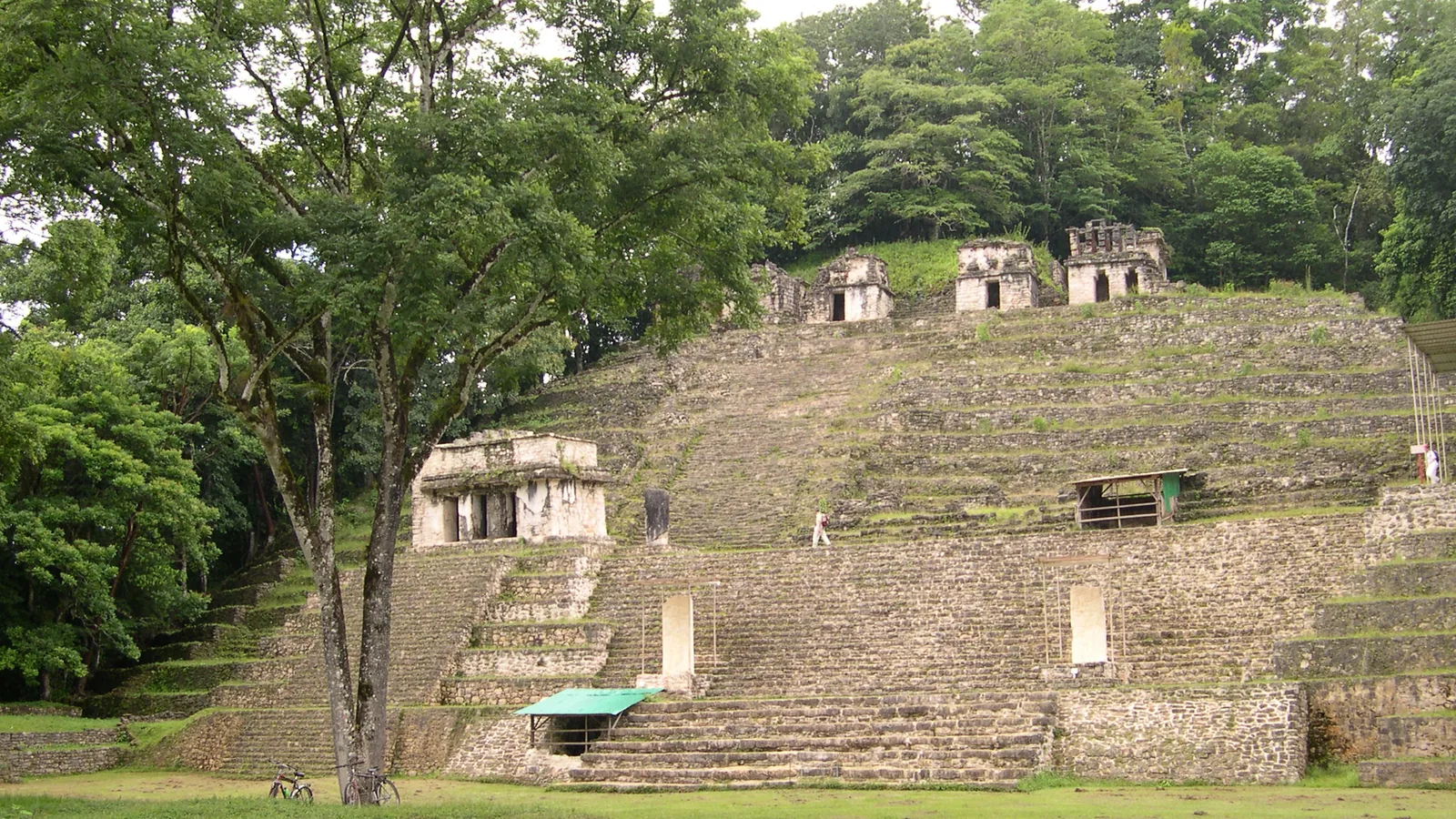
· AD 630INAH says Bonampak's Structure 1 has three rooms from c. 790-792 showing an heir, a battle with captives, and a ceremony, unseen by outsiders until 1946.
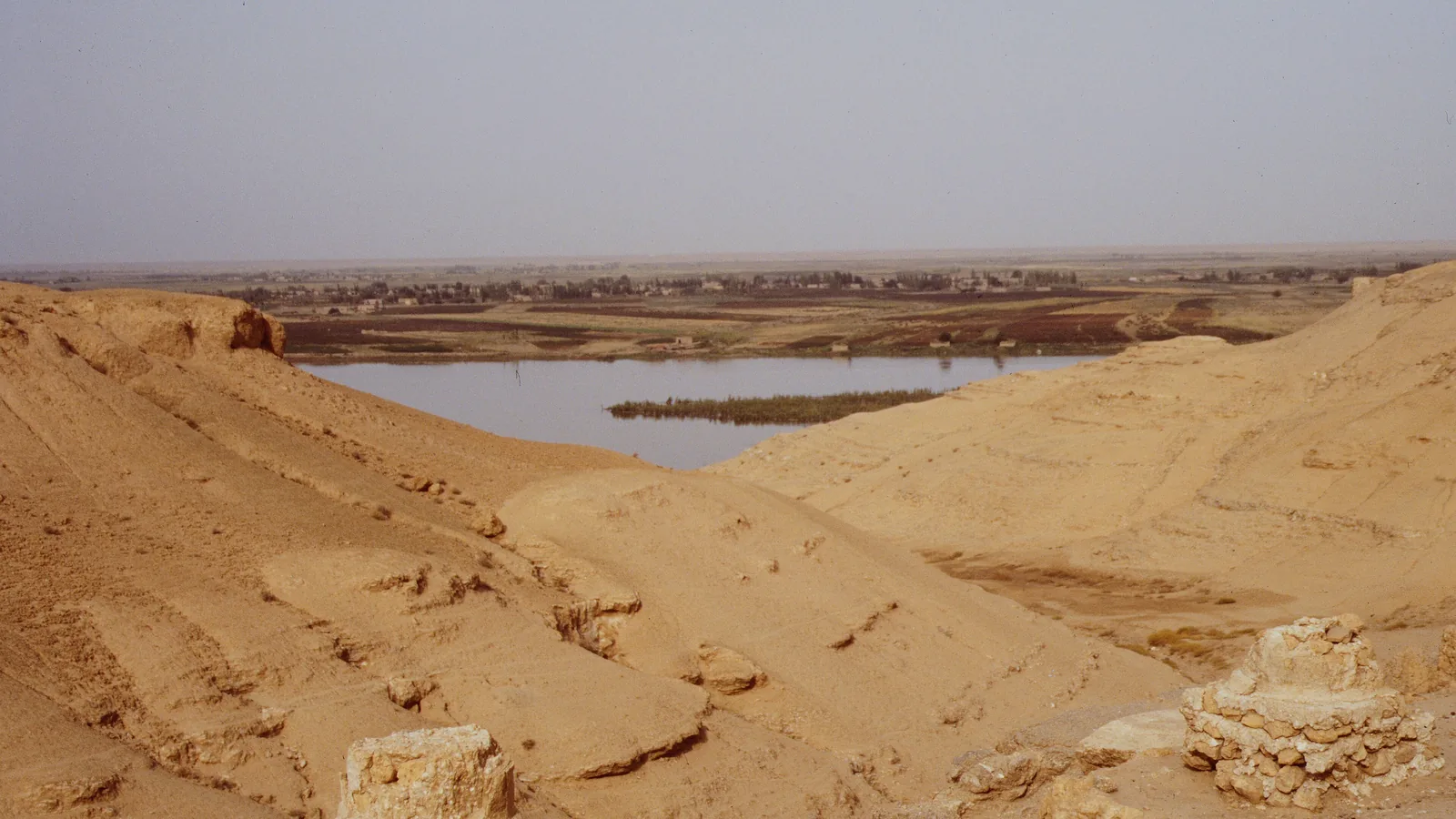
· AD 790José Garanger dug 118 square meters at Mangaasi on Efate in 1966–67 and named a pottery style. Re-excavation from 1996 put Erueti ware before it.
· 1967