Only a local ancestry: the Xiaohe mummies and the 2021 genome study
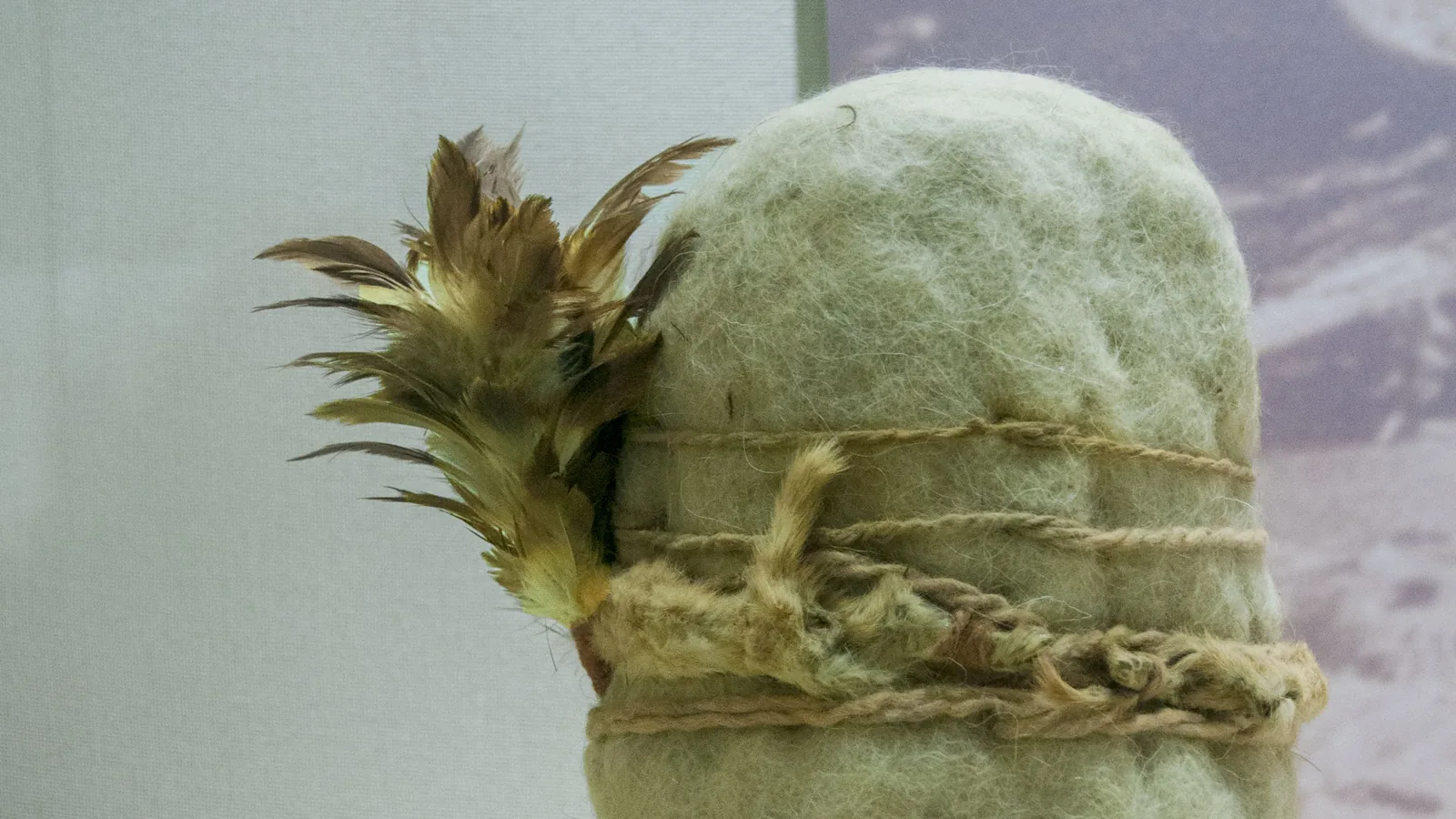
In 1934 Folke Bergman counted 120 coffins by the Small River. A 2021 Nature study of 18 genomes found the Tarim mummies had no western ancestry.
· 1900 BCThe first cities, the first writing, the first kings who called themselves gods. These articles cover Mesopotamia, Egypt, the Indus and the Bronze Age world that connected them.
In 1934 Folke Bergman counted 120 coffins by the Small River. A 2021 Nature study of 18 genomes found the Tarim mummies had no western ancestry.
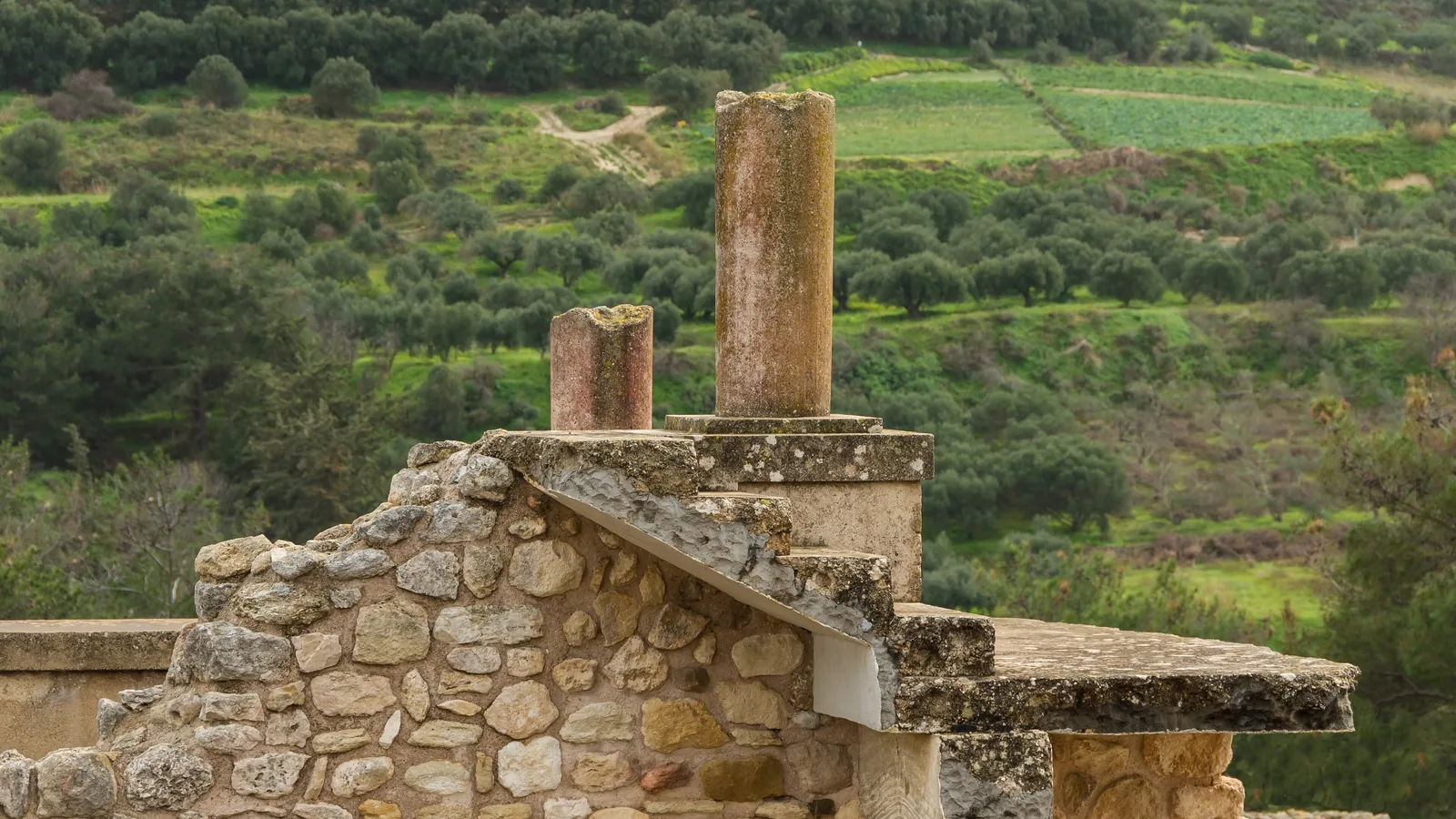
· 1900 BCArthur Evans dug at Knossos from 1900 to 1931 and rebuilt the palace in reinforced concrete, "a real godsend" to him, "controversial" to the Ashmolean.
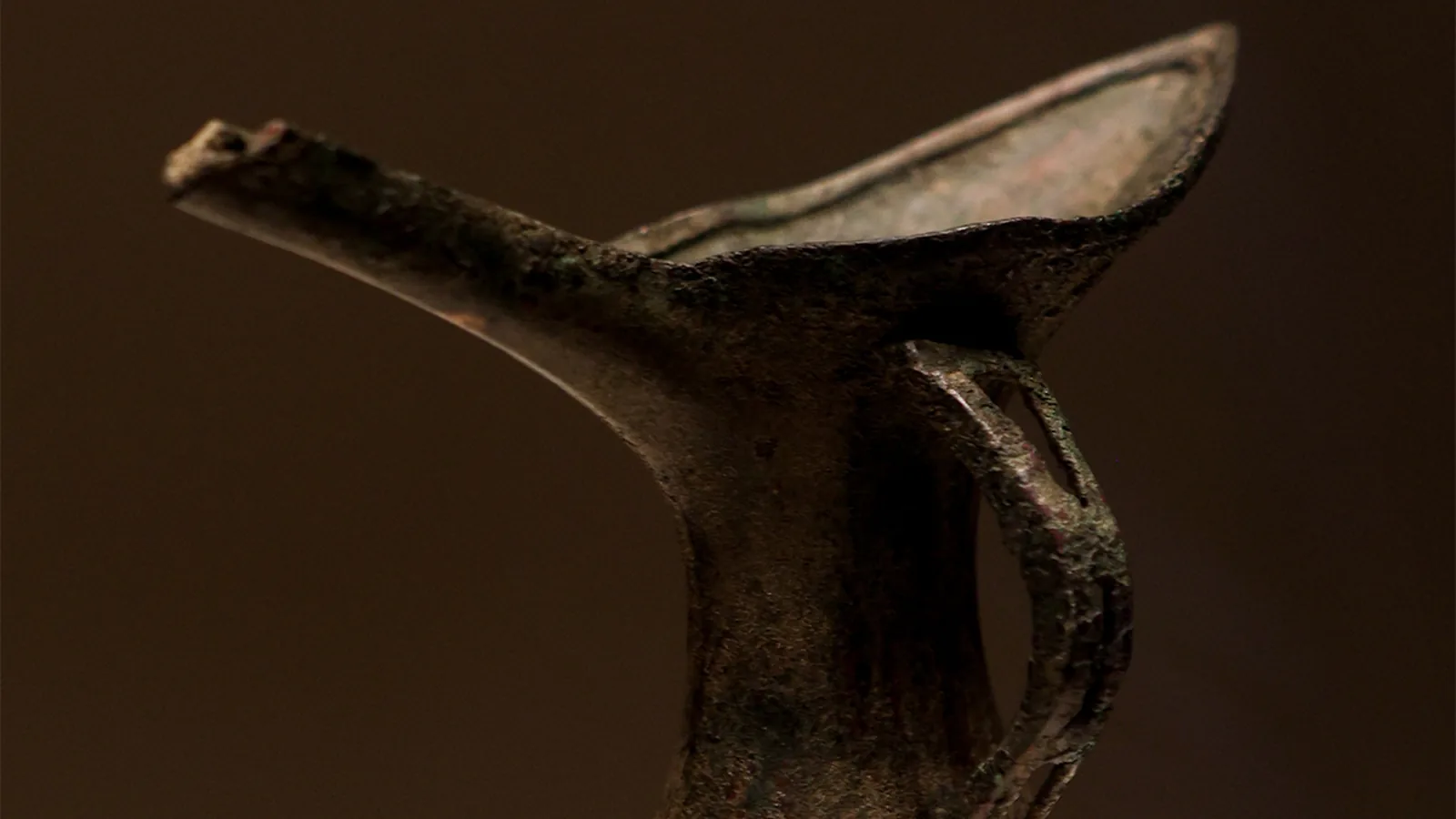
· 1700 BCErlitou in Henan has palaces, a bronze foundry and grid roads from about 1900 to 1500 BC, and no writing to say whether its rulers were the Xia.
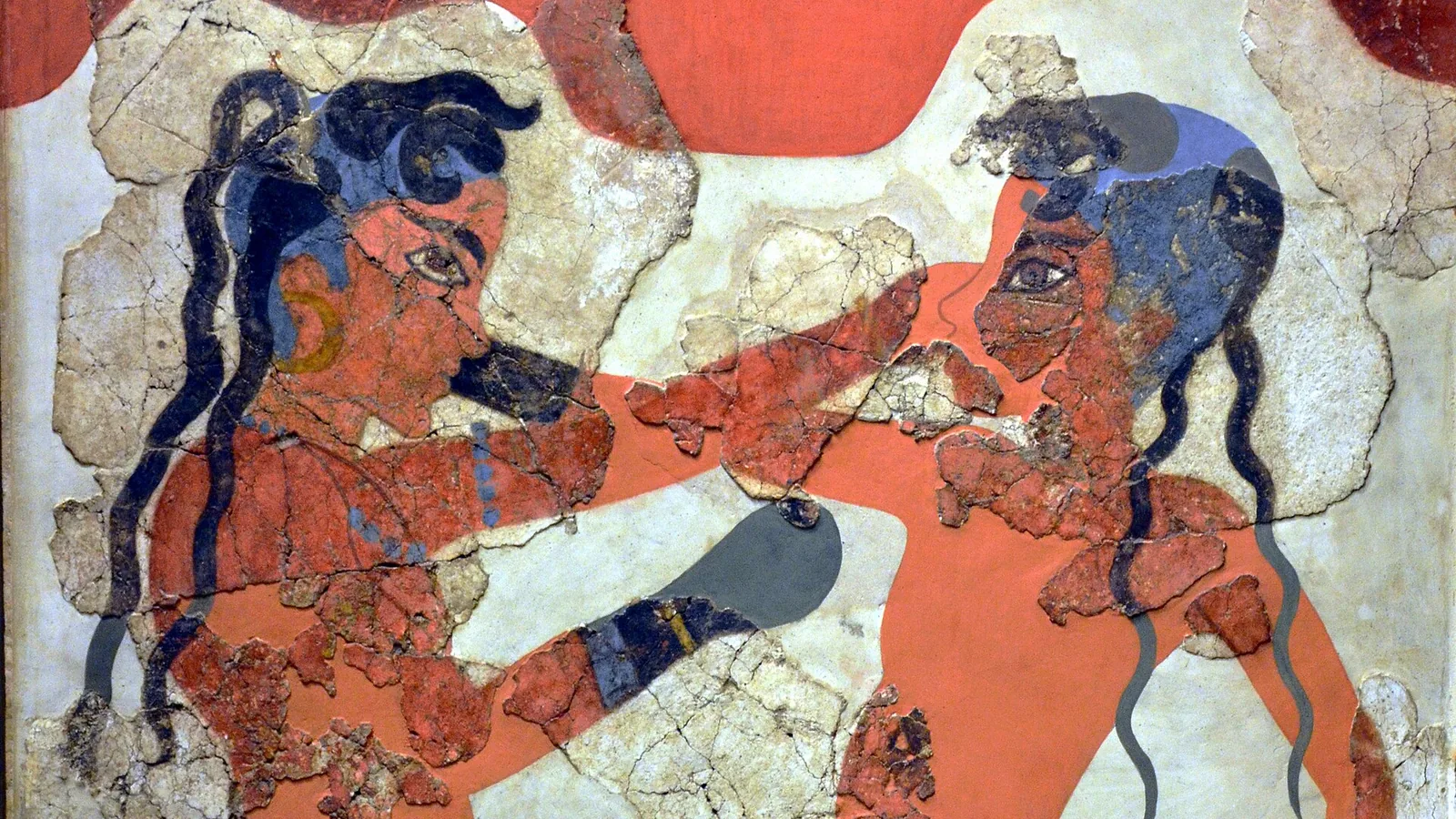
· 1700 BCA Bronze Age town on Thera with three-story houses and drains, emptied before the eruption buried it. Radiocarbon and Egyptian dates differ by a century.
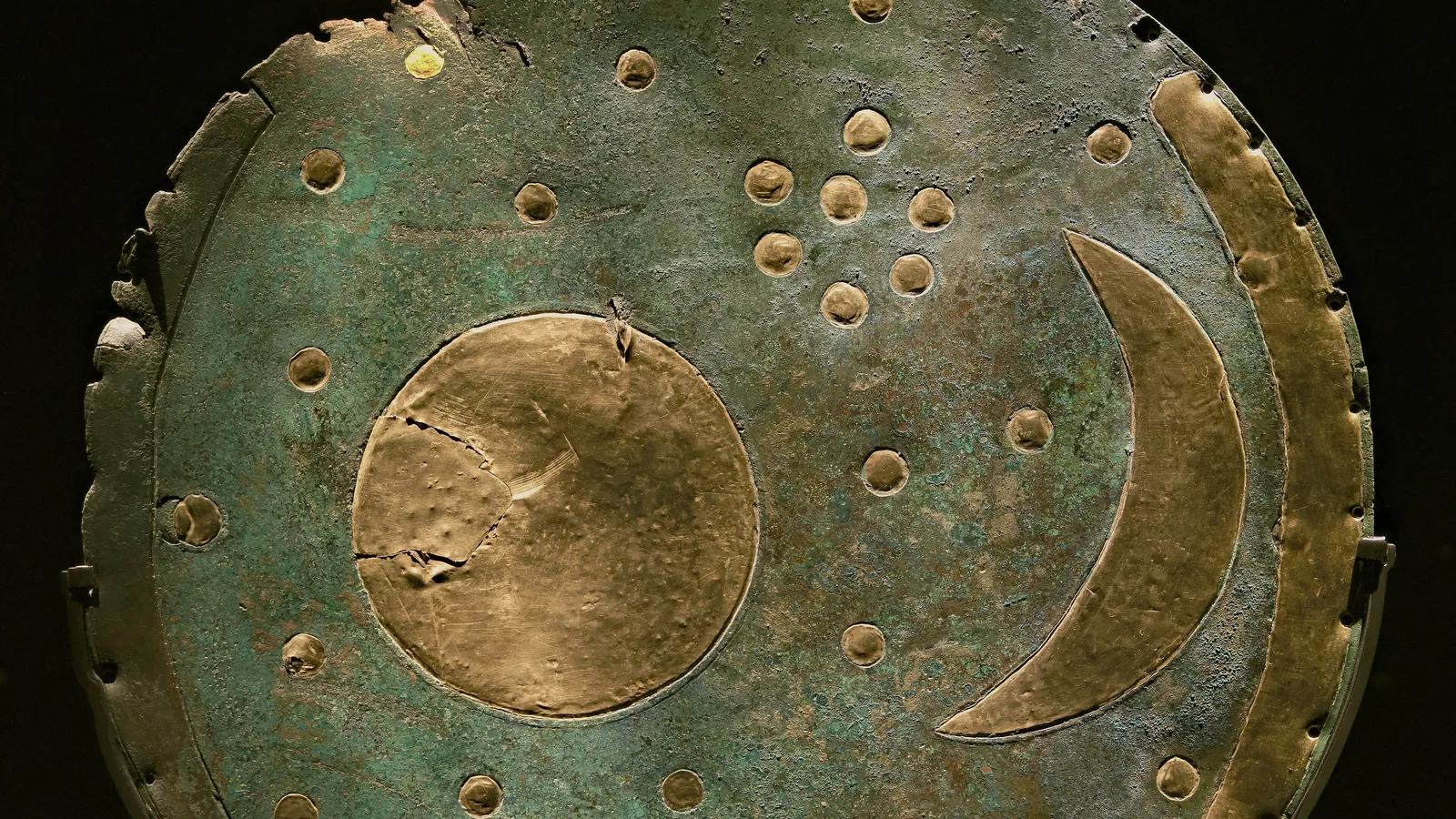
· 1600 BCA 32-centimeter bronze disc inlaid with gold stars, looted from the Mittelberg in 1999, seized in Basel in 2002 and dated to about 1600 BC.
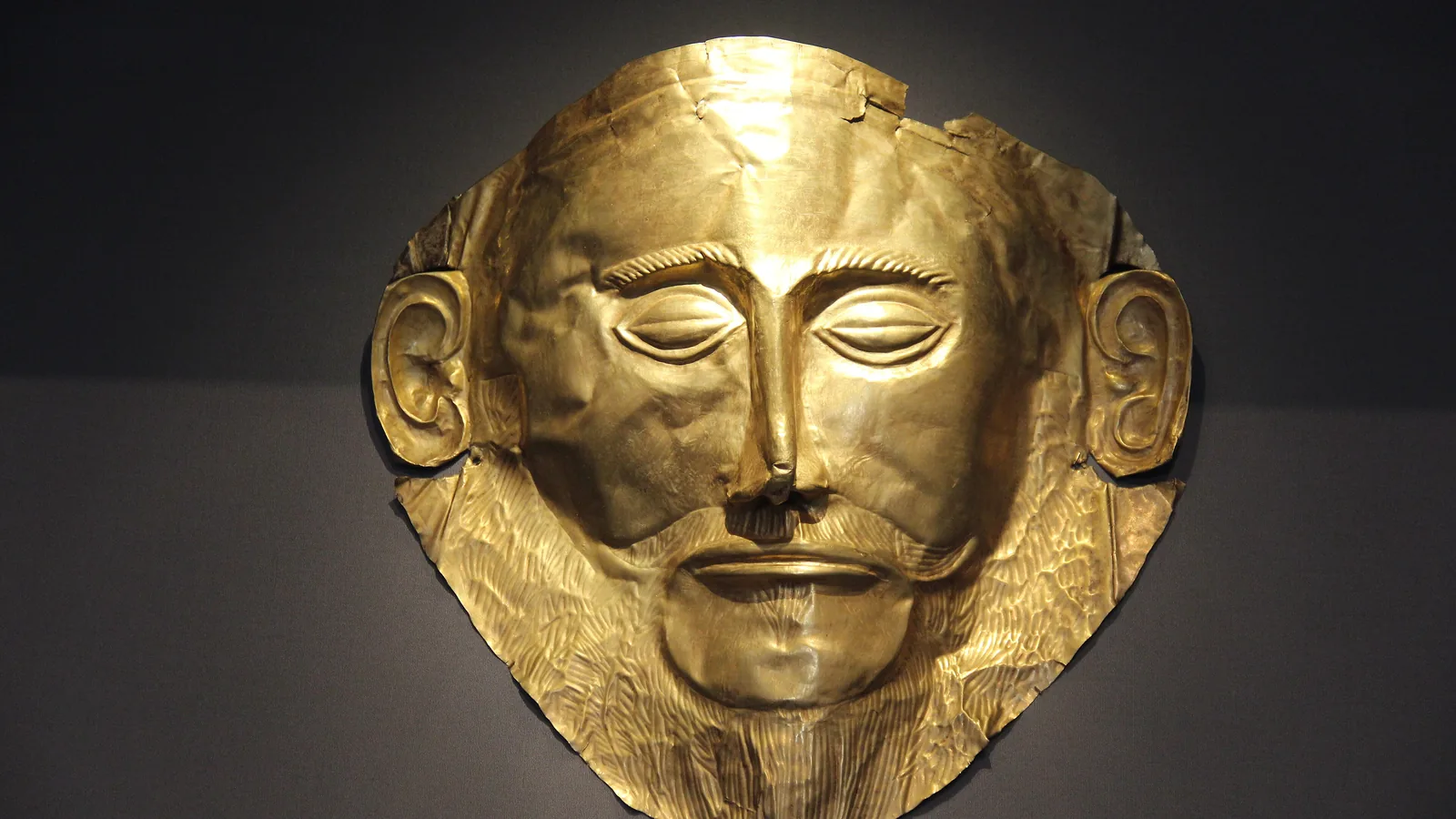
· 1600 BCSchliemann began digging Grave Circle A at Mycenae on August 7, 1876, and wired the king in French. The "face of Agamemnon" line is not in his 1878 book.
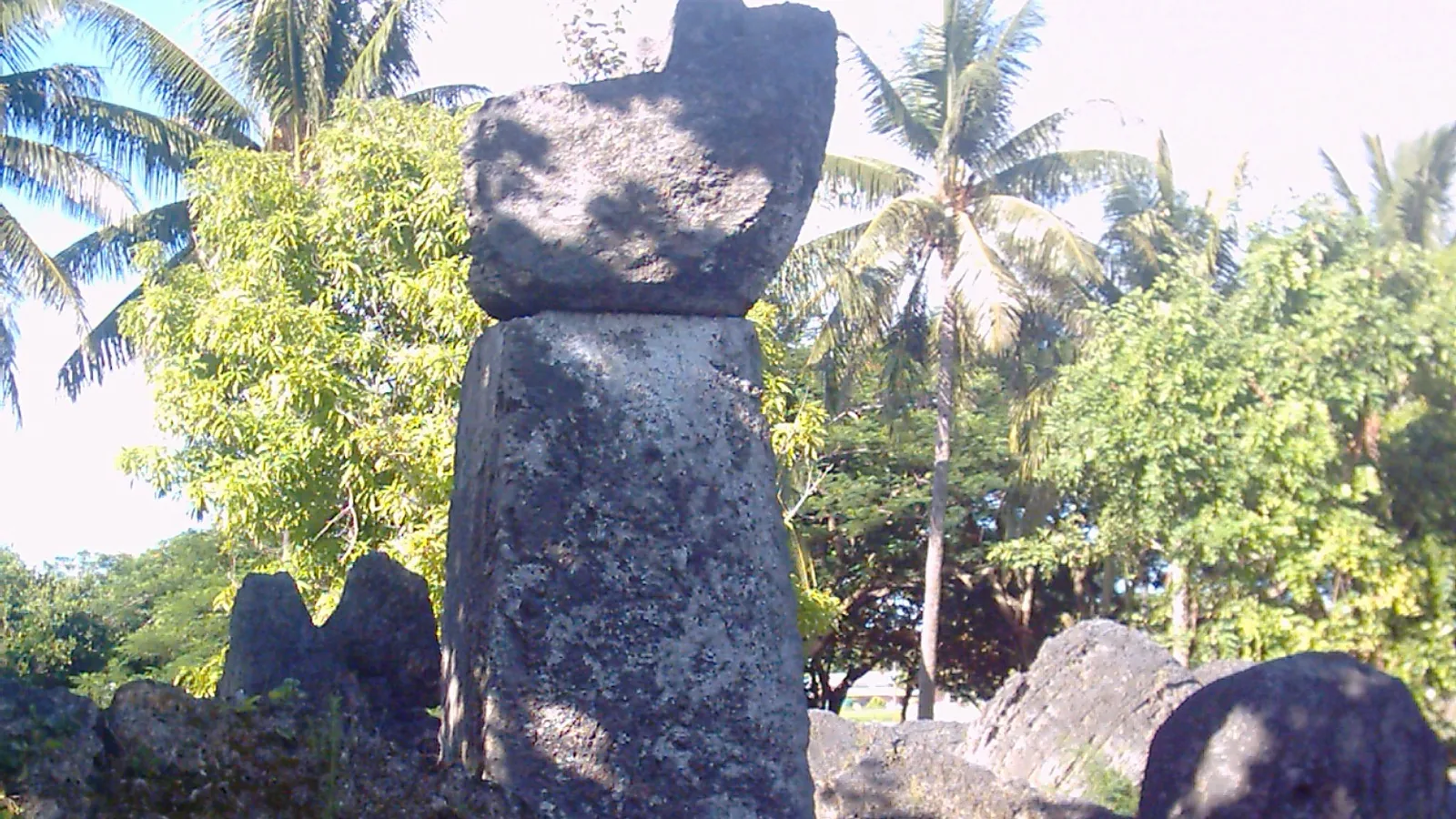
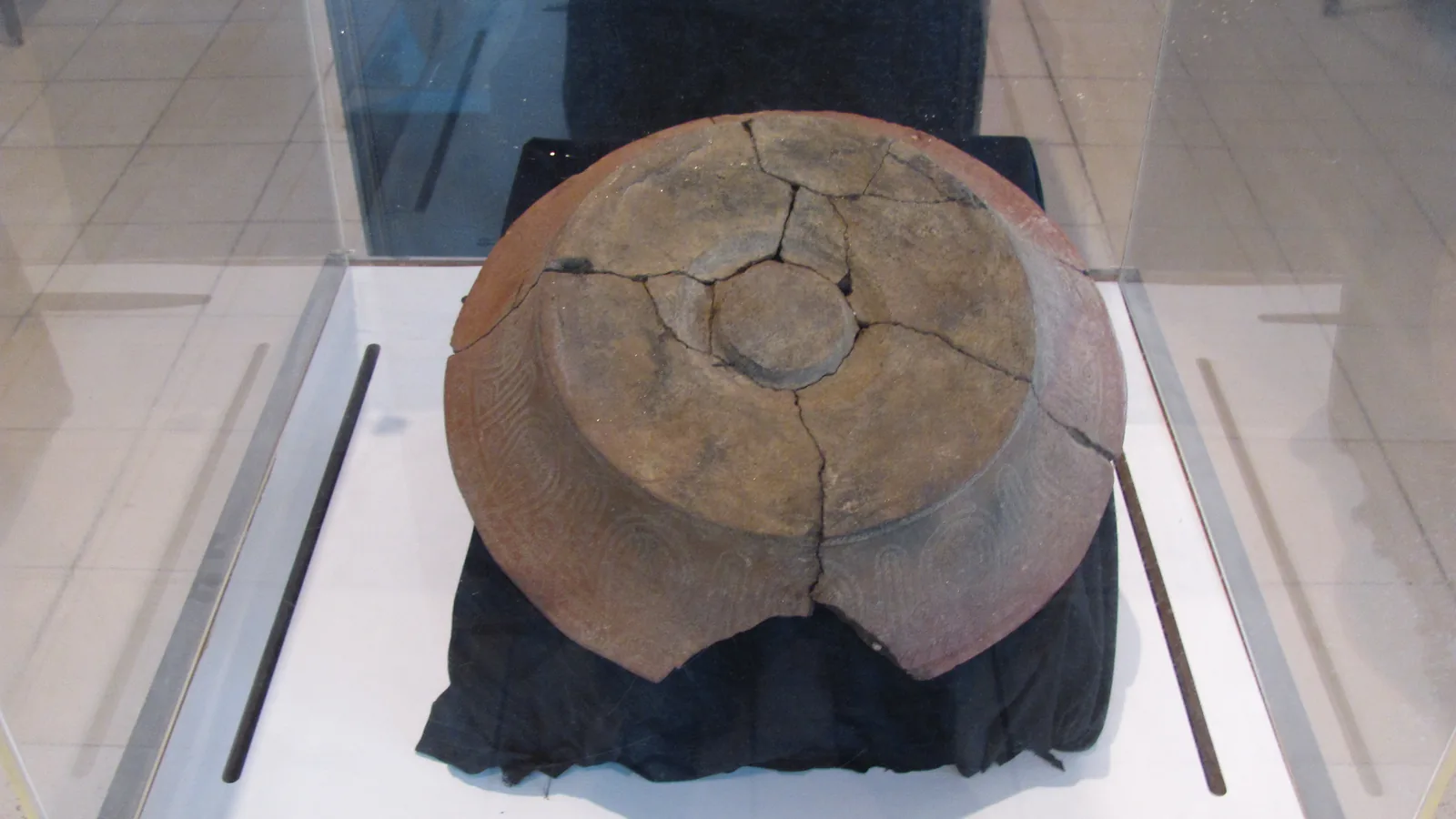
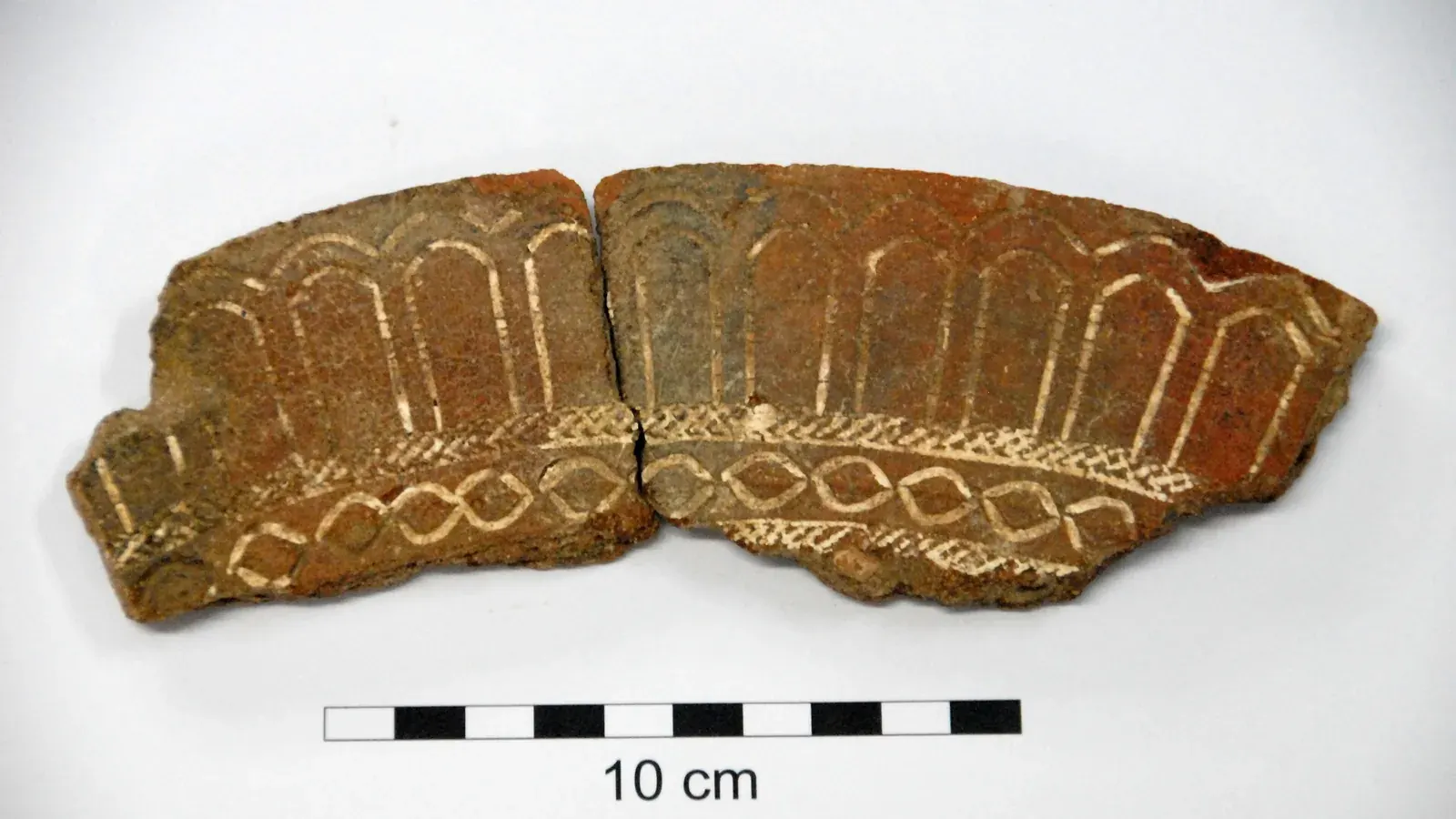
· 1550 BCPottery, rice husks and two skeletons from Ritidian Beach Cave date the first crossing to the Marianas to about 1500 BC and point to the Philippines.
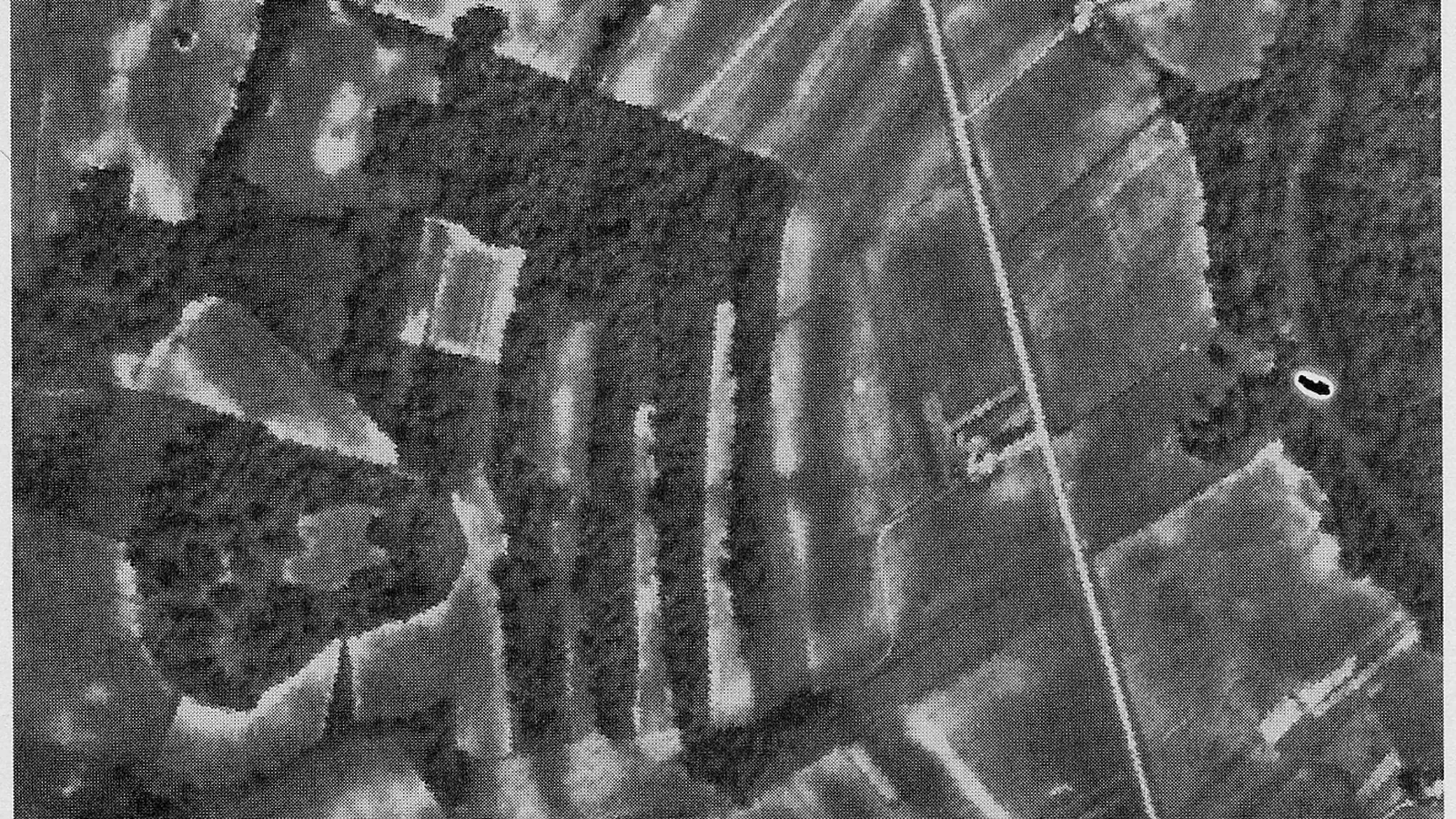
· 1500 BCHunter-gatherers moved nearly 2 million cubic yards of earth at Poverty Point, Louisiana, 1700–1100 BC; Mound A took up to 15.5 million basket loads.
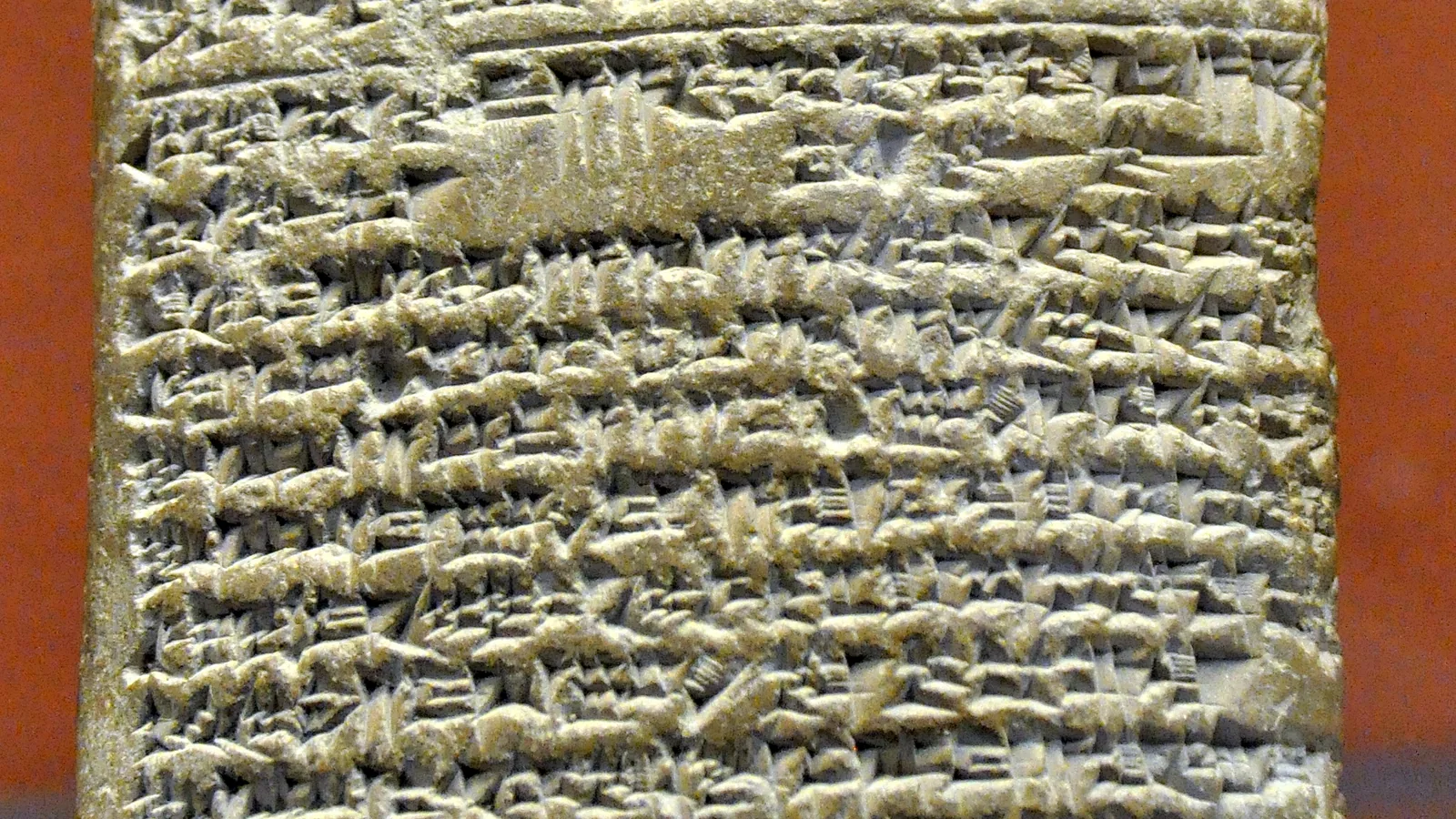
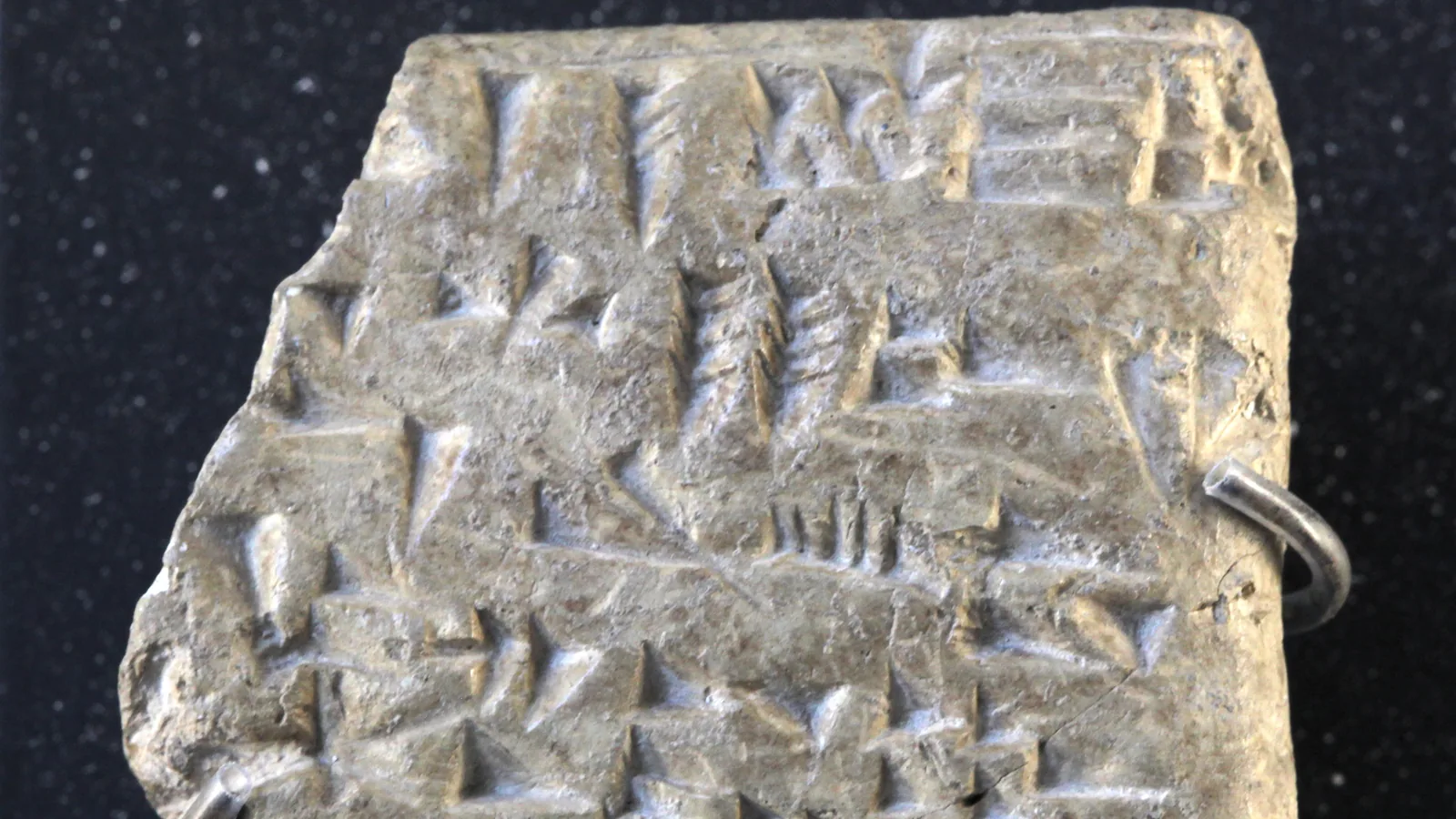
· 1500 BCAround 1887 cuneiform letters from Babylon, Mitanni and Canaan surfaced at Tell el-Amarna. Dealers split them up; Knudtzon's EA numbers put them in order.
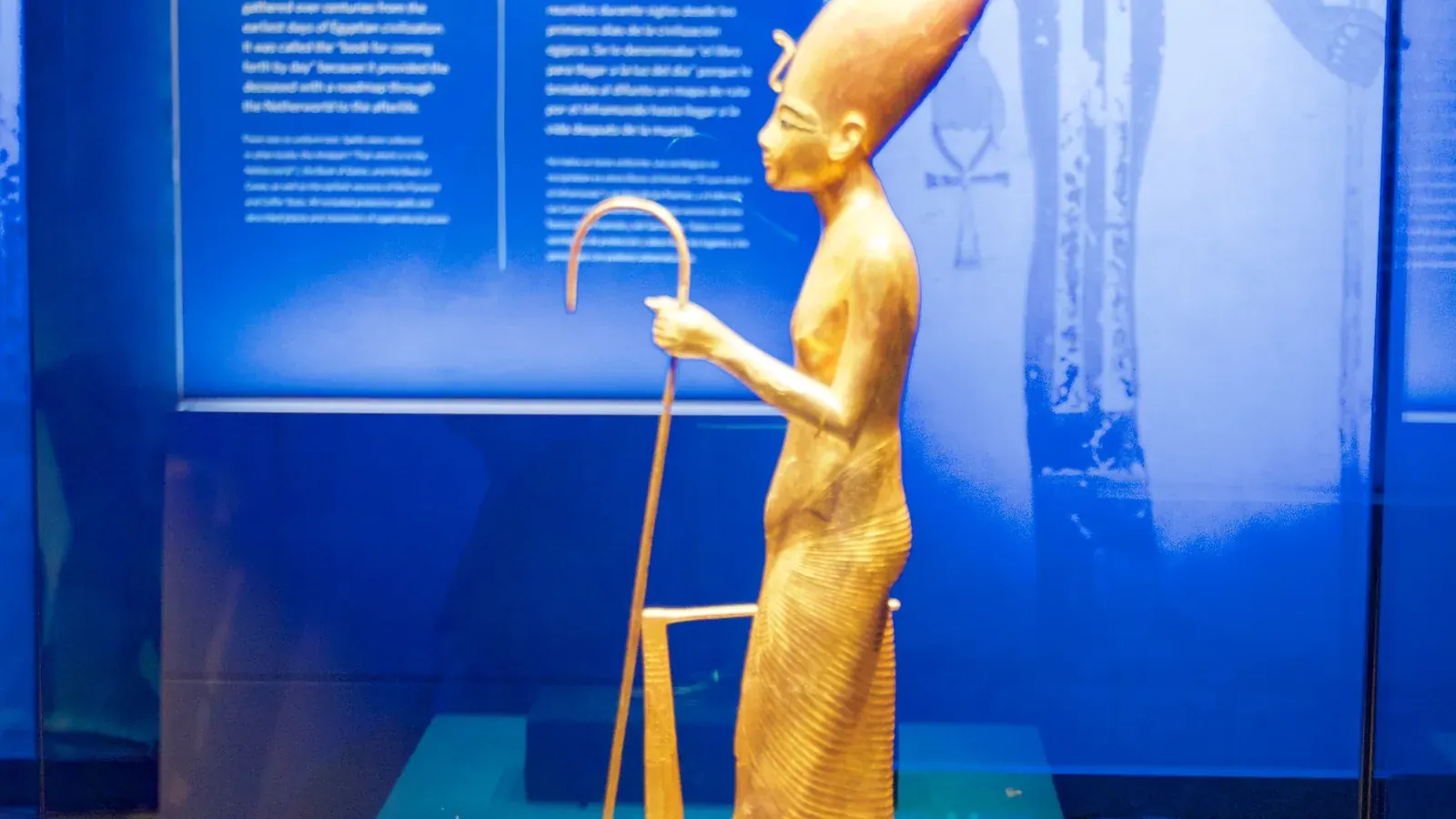
· 1350 BCA 2010 JAMA study counted 130 sticks and staves in Tutankhamun's tomb, many worn by use, and found a mild clubfoot and bone disease in his left foot.
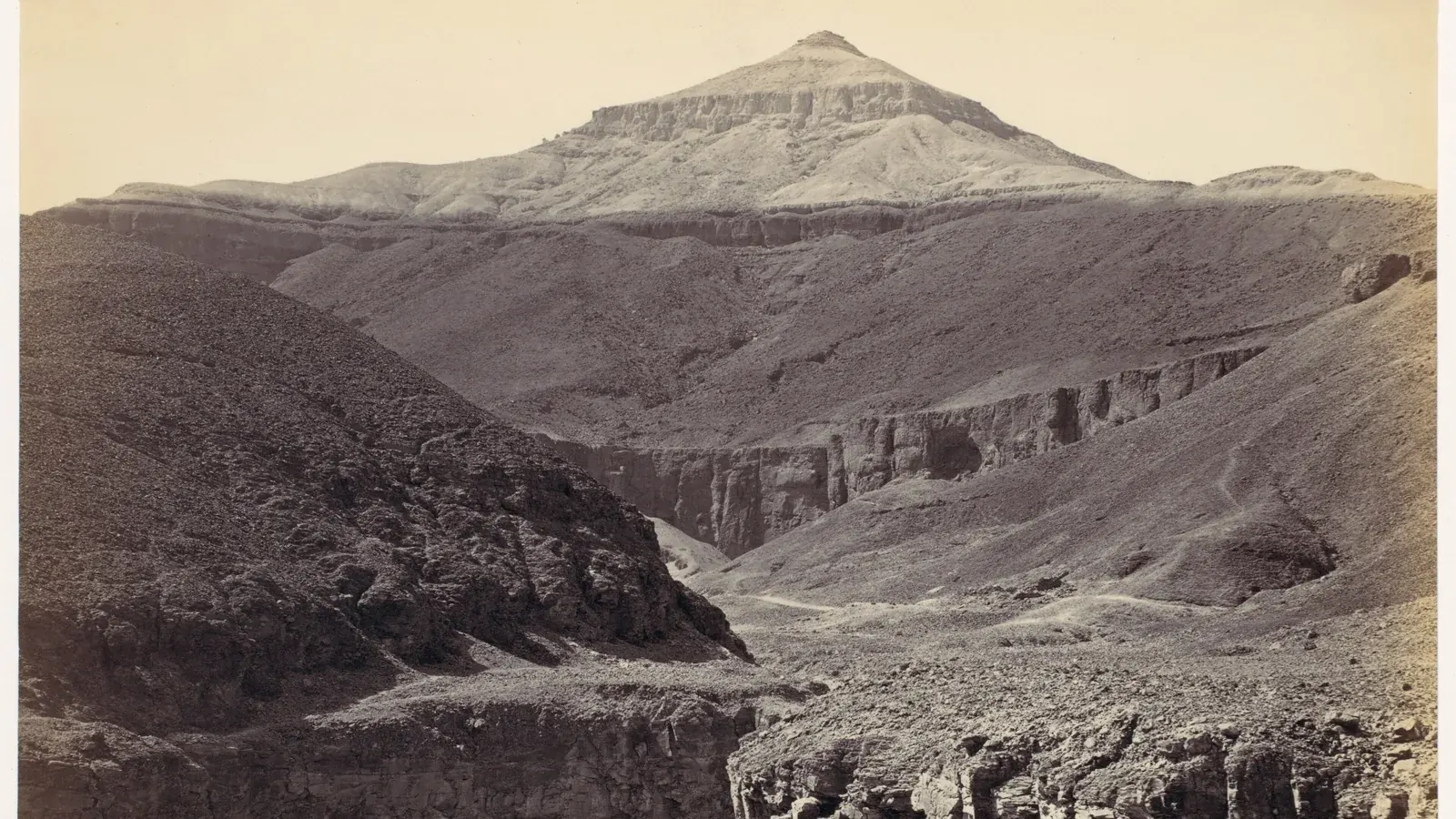
· 1323 BCLater building buried KV62 and its location was lost; floodwater never filled it, the Theban Mapping Project says. It may not first have been his tomb.
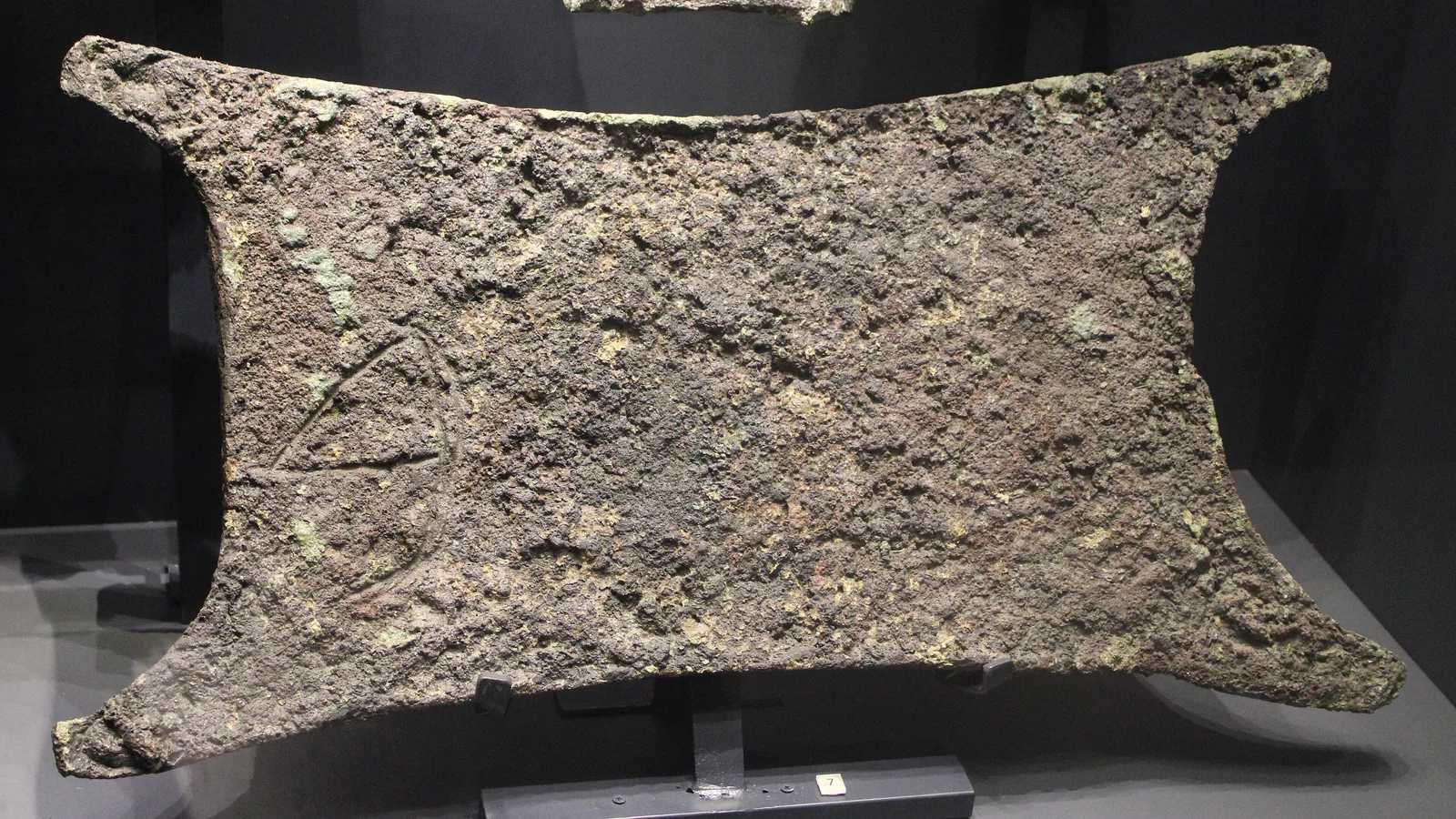
· 1323 BCA sponge diver reported "metal biscuits with ears" off Kas in 1982; the Institute of Nautical Archaeology excavated the wreck from 1984 to 1994.
· 1300 BCIn August 1985 Patrick Kirch's team found a waterlogged Lapita stilt-village at Talepakemalai on Eloaua Island, Mussau, with pottery and obsidian intact.
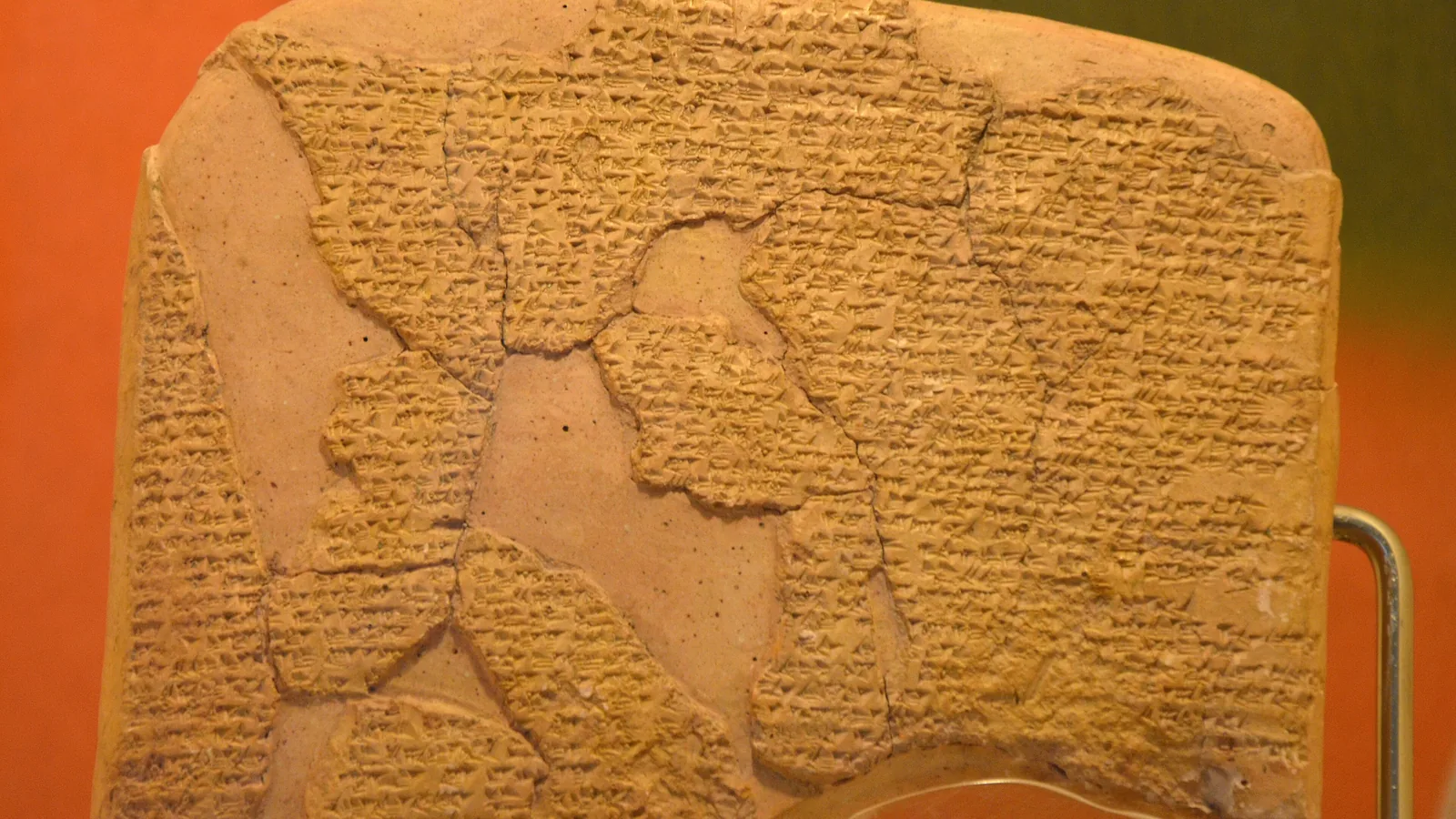
· 1300 BCEgypt's text of the peace between Ramesses II and the Hittite king Hattusili III is dated year 21. The UN gives 1269 BC, Livius.org about 1259 BC.
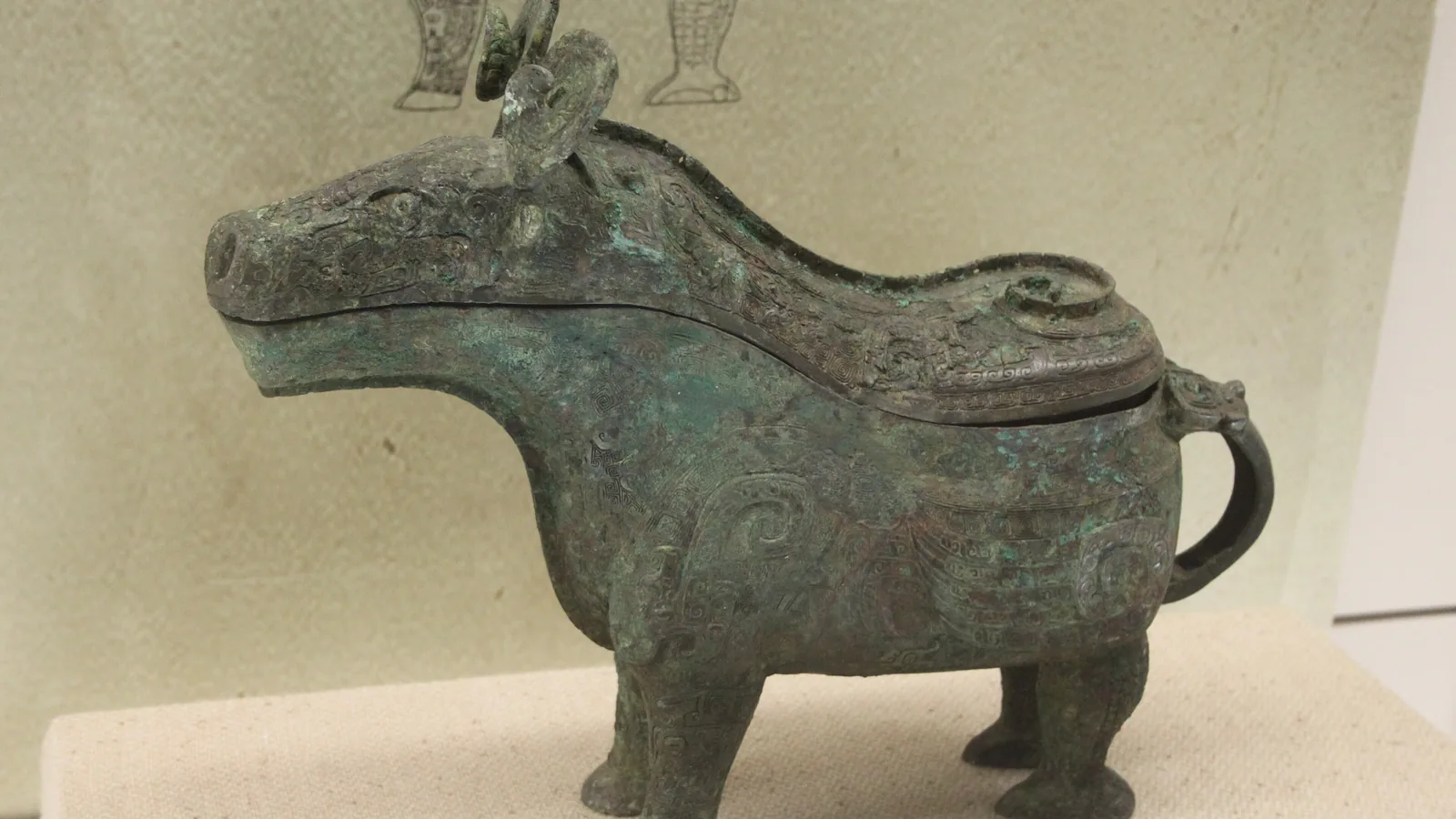
· 1259 BCZheng Zhenxiang excavated Fu Hao's unlooted tomb at Yinxu, Anyang, in 1976; the name inscribed on 109 of its bronzes divided scholars by 1986.
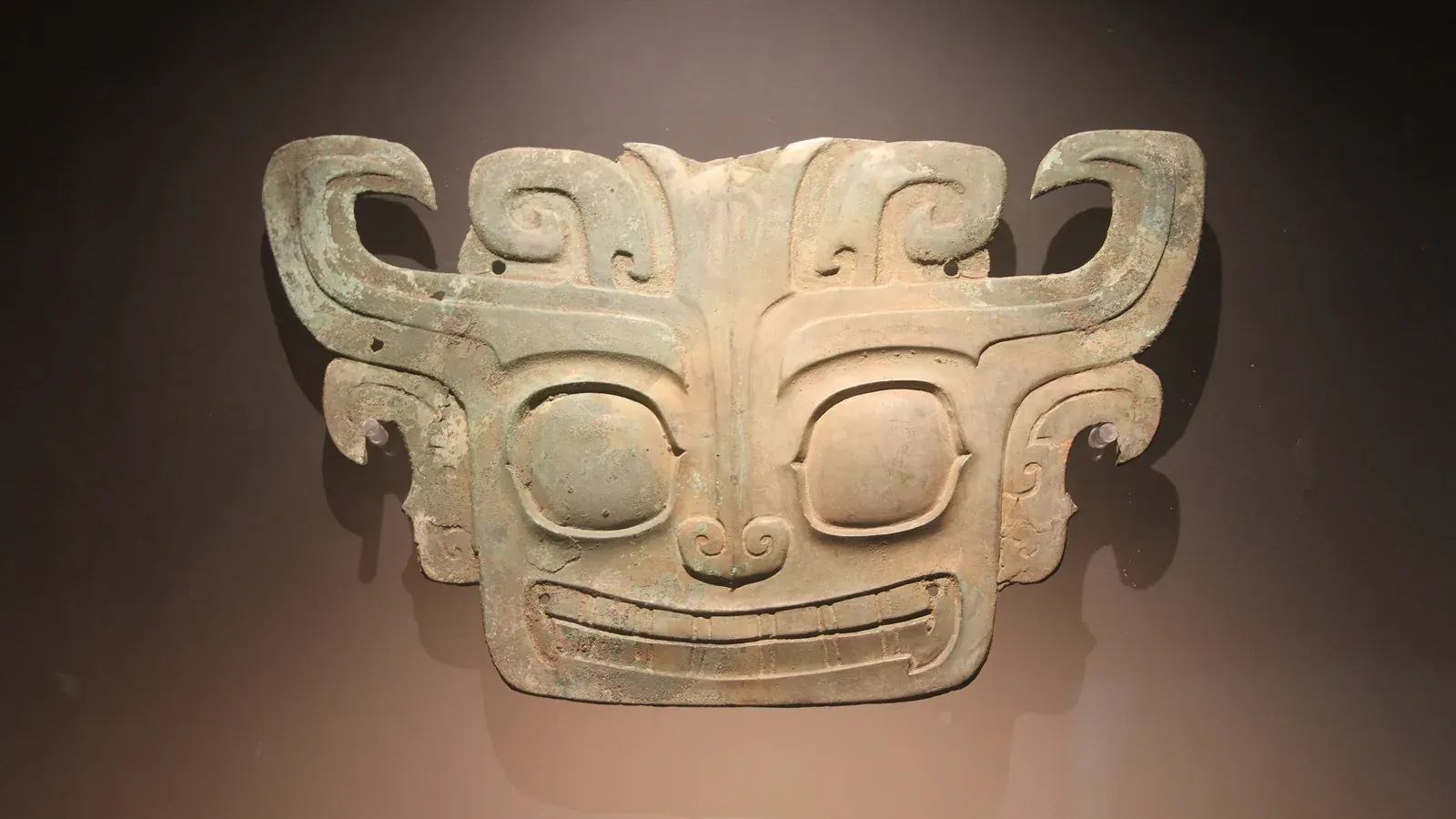
· 1200 BCA Sichuan city cast a 2.6-meter bronze man, giant masks and bronze trees, then broke, burned and buried them in eight pits about 1200 BC. No text says why.
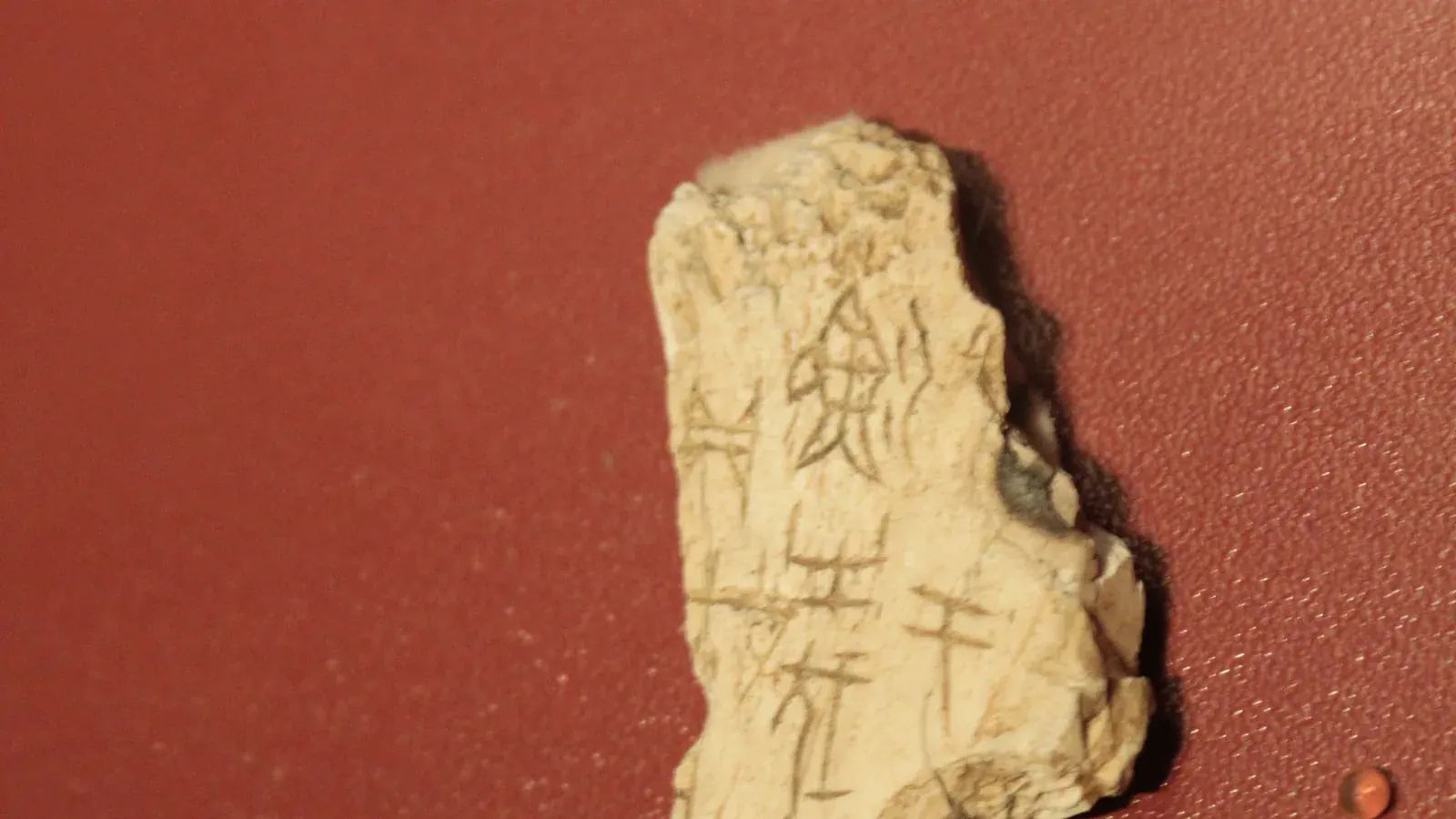
· 1200 BCAnyang farmers sold inscribed Shang divination bones to pharmacies as "dragon bones" until 1899, when scholars read the marks as the earliest Chinese writing.
· 1200 BCIn May 1929 Claude Schaeffer found alphabetic cuneiform tablets at Ras Shamra, Syria. In 1930 Hans Bauer read about 20 of their 26 or 27 signs.
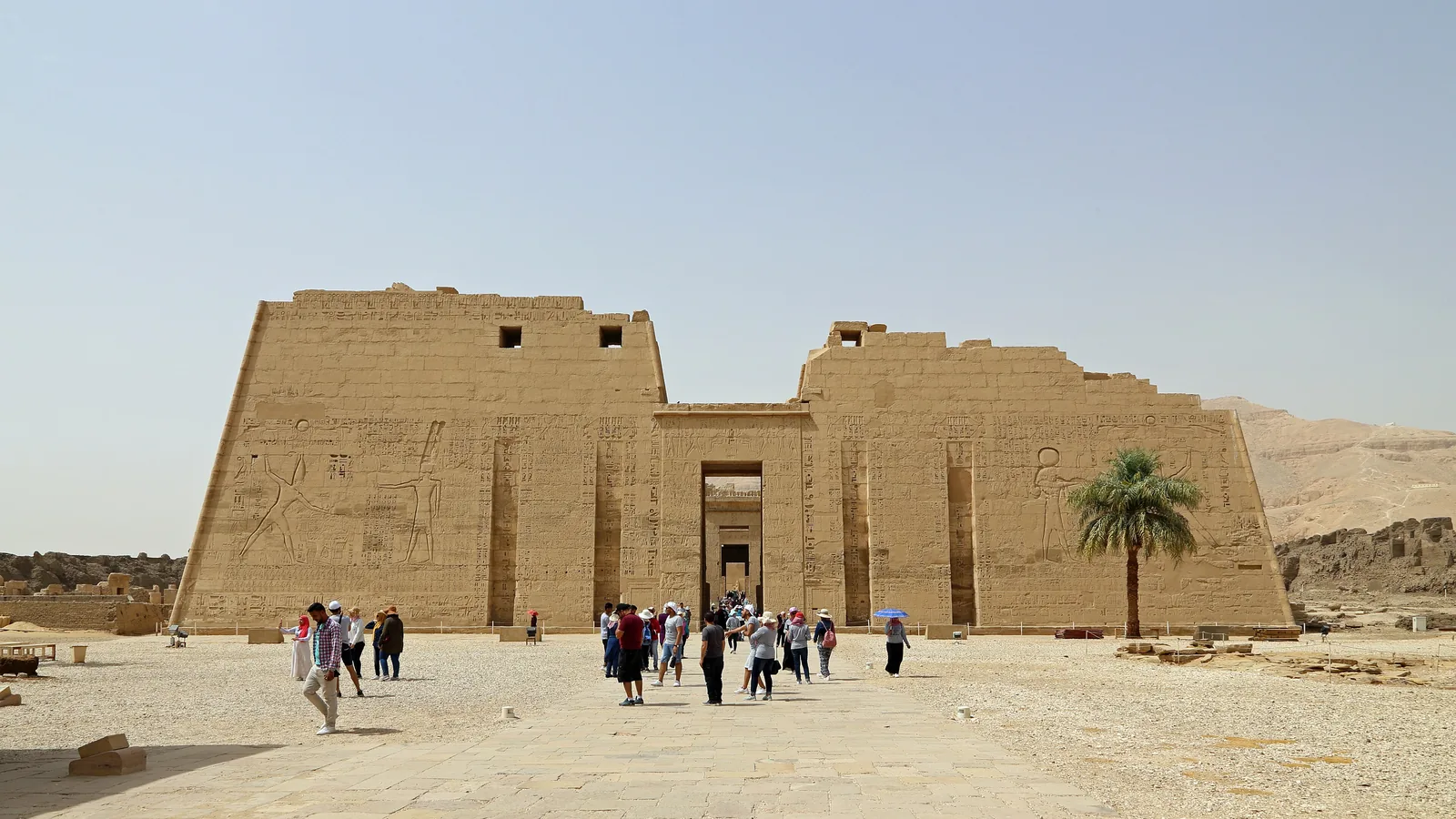
· 1190 BCMerneptah's Karnak inscription and Ramesses III's year 8 text at Medinet Habu name the Sea Peoples. Breasted, Cline and Roberts added the rest.
· 1177 BCFound in January 2004 after quarrying for a prawn farm, Teouma on Efate held 68 Lapita graves, a skull in Pot 2 and DNA that rewrote Pacific ancestry.
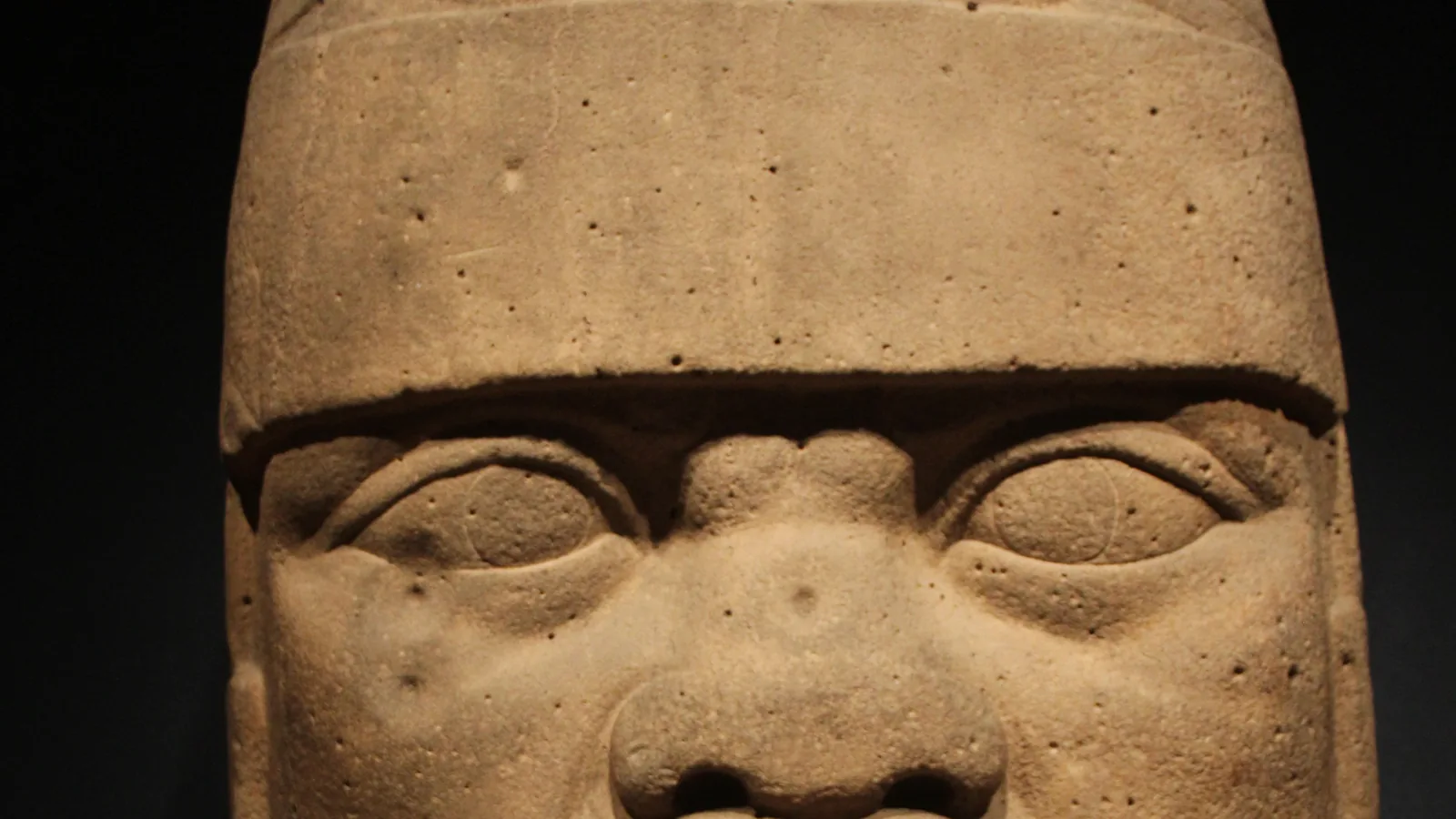
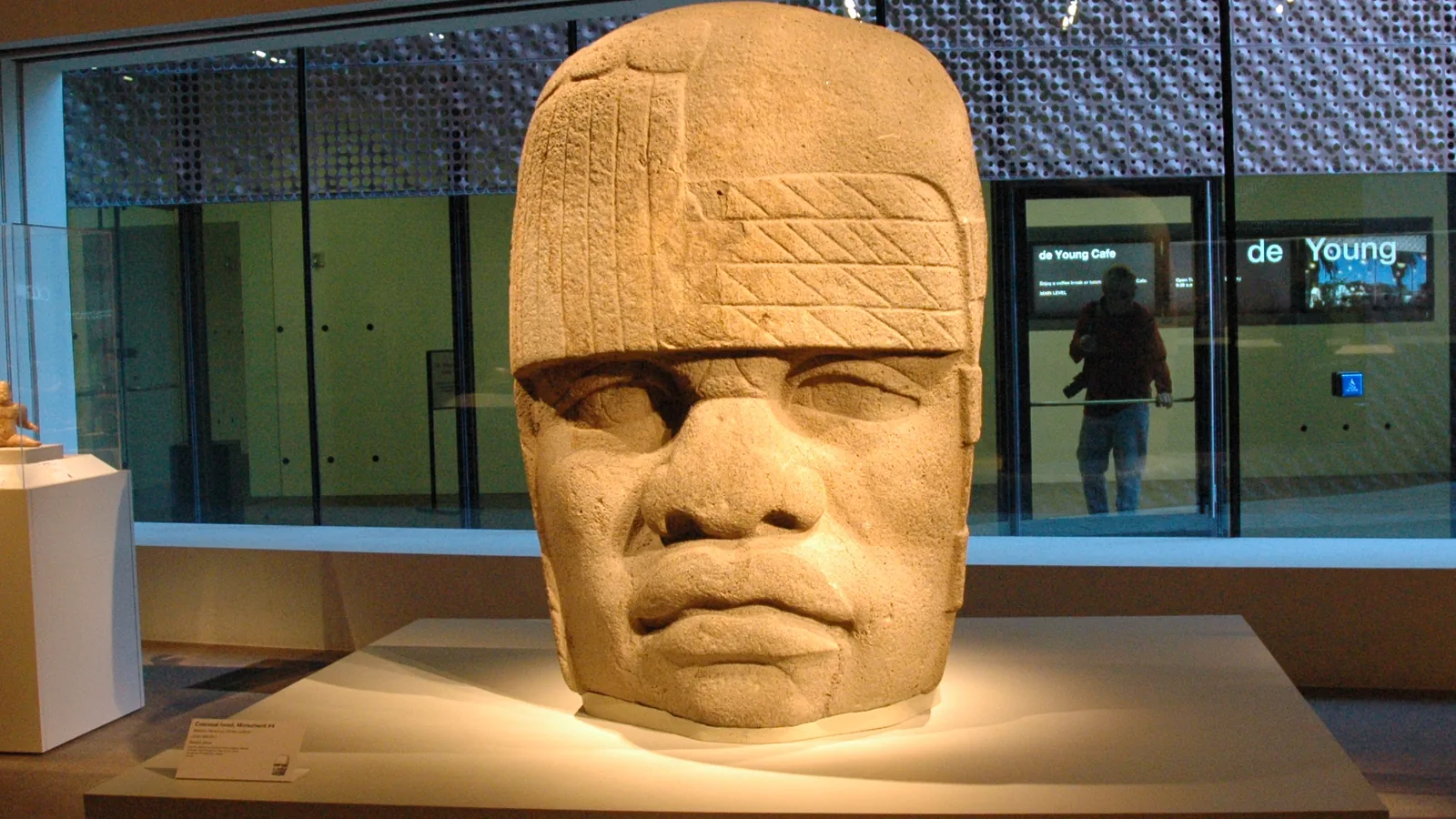
· 1000 BCSeventeen Olmec colossal heads are known, from San Lorenzo, La Venta and Tres Zapotes; the first was found in 1862, the last at San Lorenzo in May 1994.
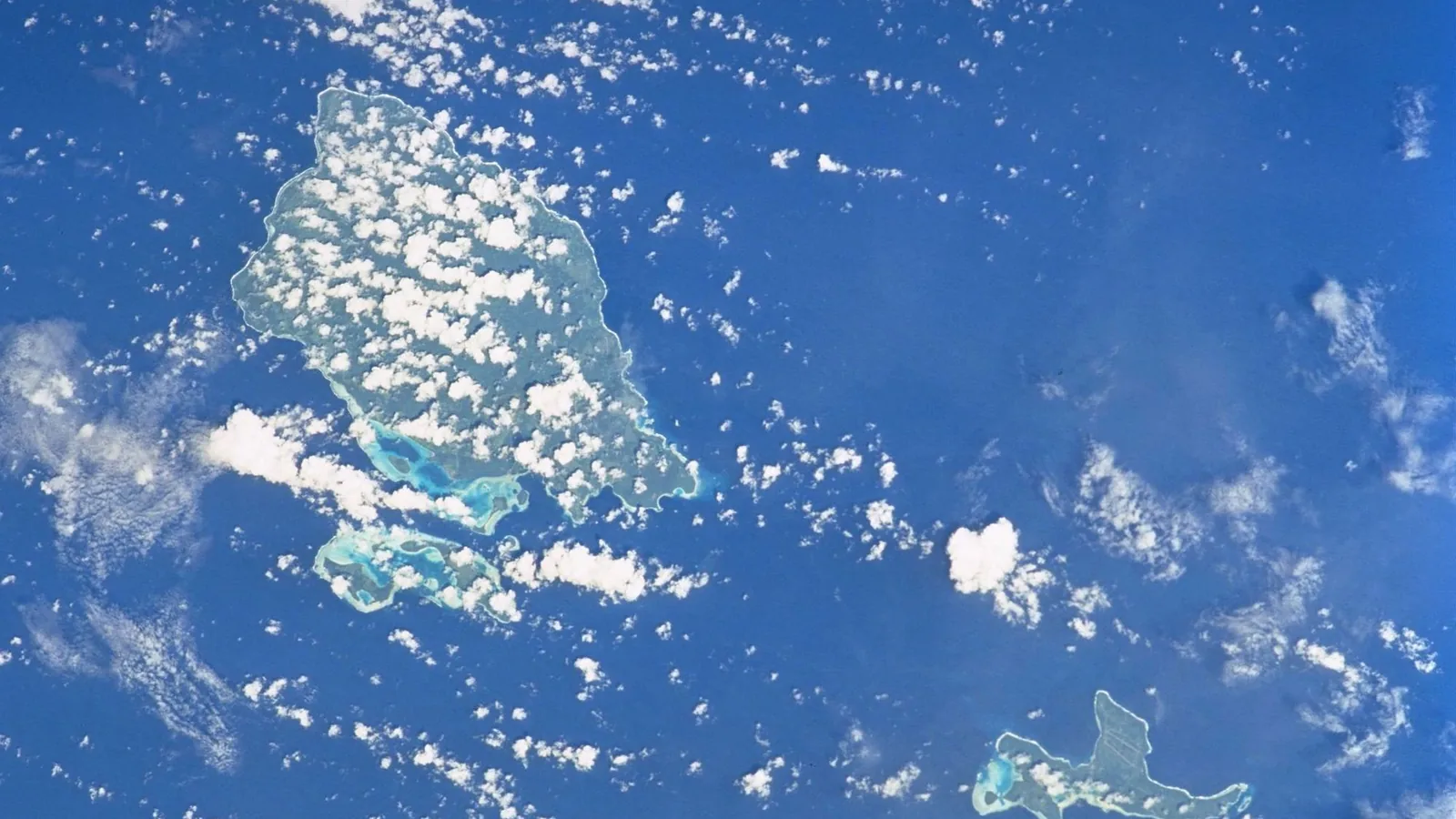
· 1000 BCLapita voyagers from the Bismarck Archipelago were the first people on Vanuatu, Fiji, Tonga and Samoa, about 1400 to 1000 BC. DNA points to East Asia.
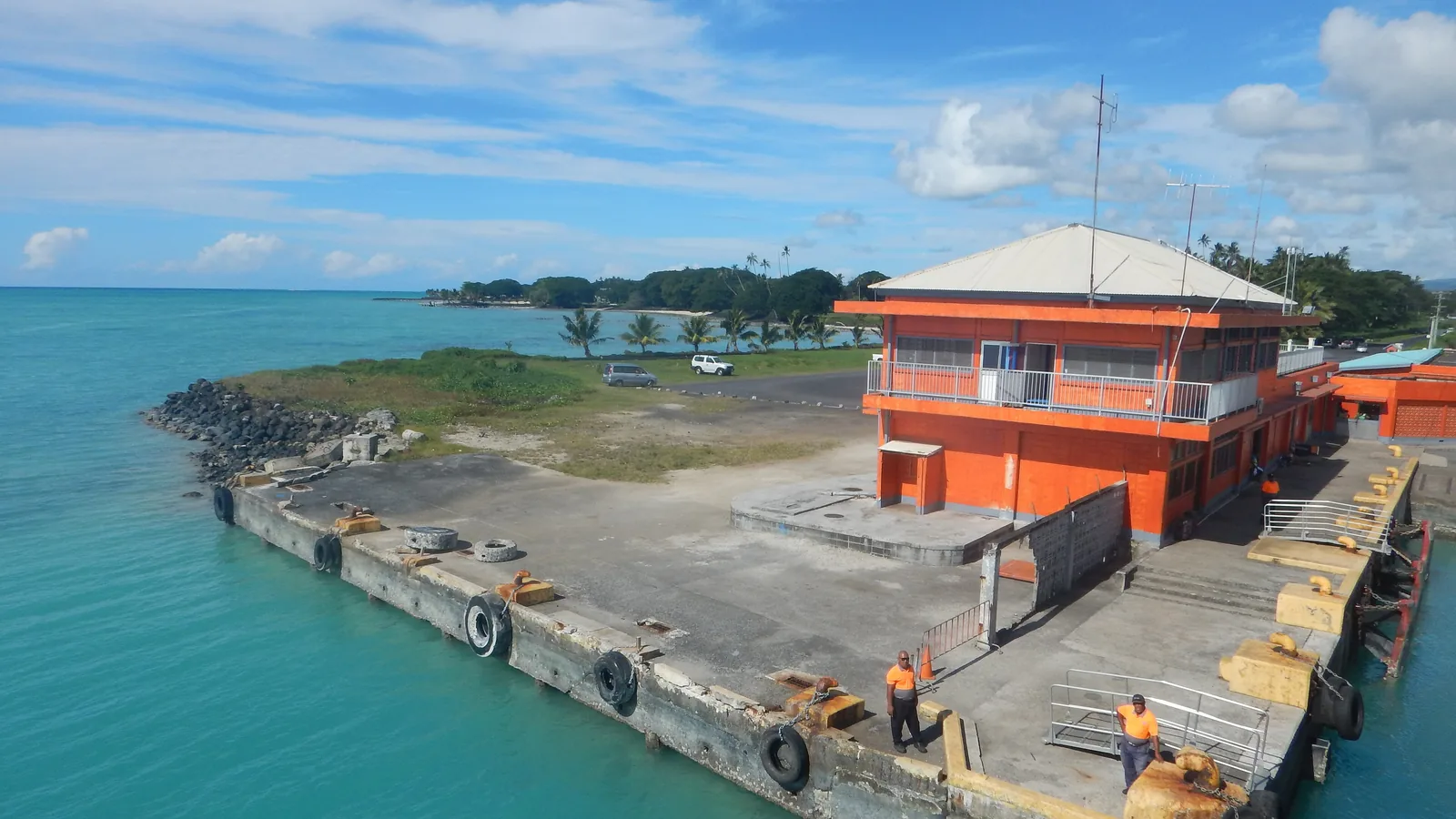
· 1000 BCDredging for the 'Upolu–Savai'i car ferry exposed Samoa's only known Lapita pottery. Fiona Petchey dated it to 930–800 BC; 'Upolu has sunk since.
· 930 BCA serpentine block with 62 signs from a Veracruz gravel quarry was reported in Science on September 15, 2006 as the oldest writing in the Americas.
· 900 BC