The Indus cities were planned, drained and standardised more than four thousand years ago, and the subcontinent's later empires, faiths and sciences shaped half of Asia. These articles begin with the Indus Valley and follow the region's cities and rulers.
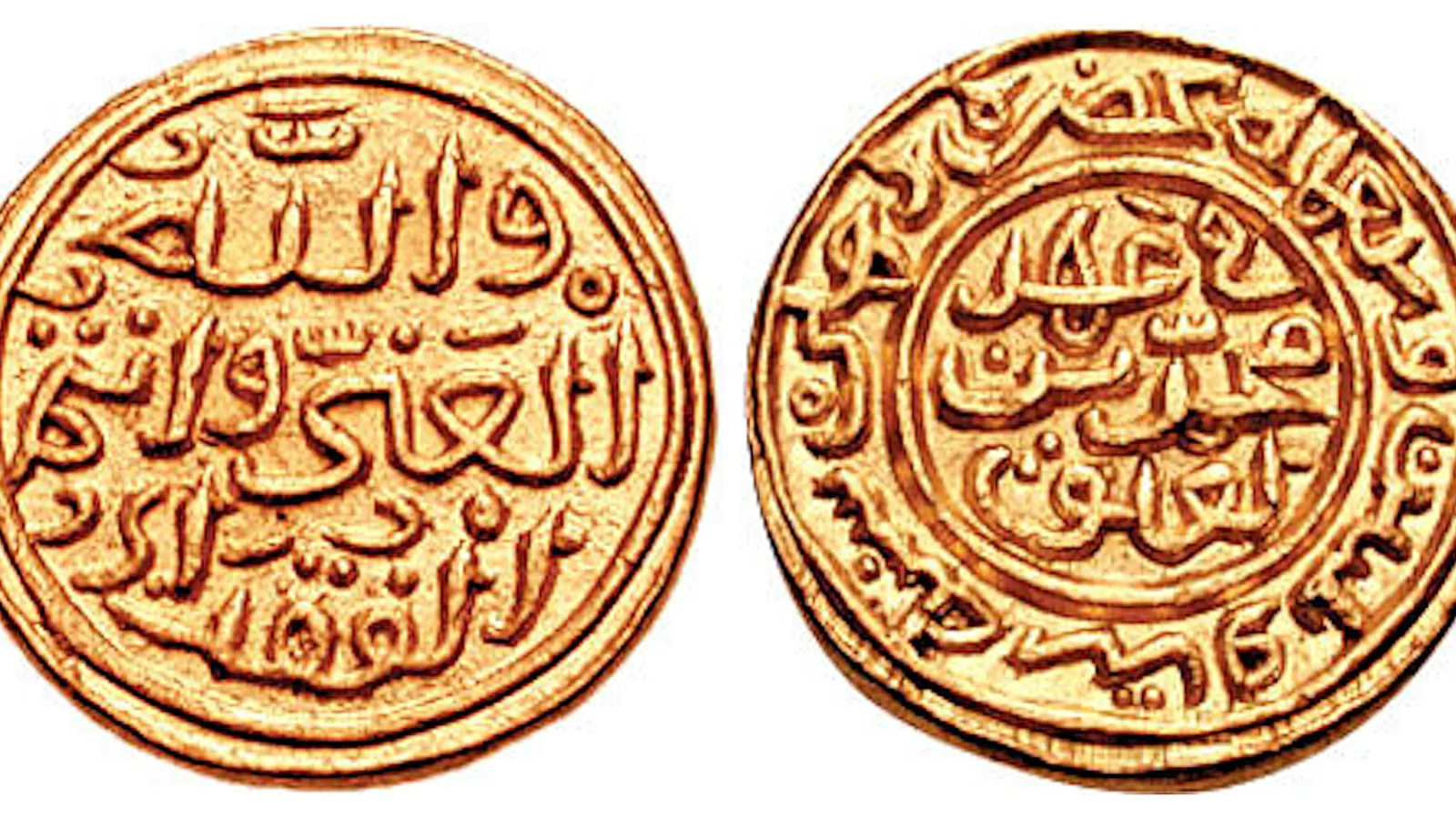
Ibn Battuta met Muhammad bin Tughluq on June 8, 1334, and served as qadi at 12,000 dinars a year. In 1342 he left for China and was wrecked at Calicut.
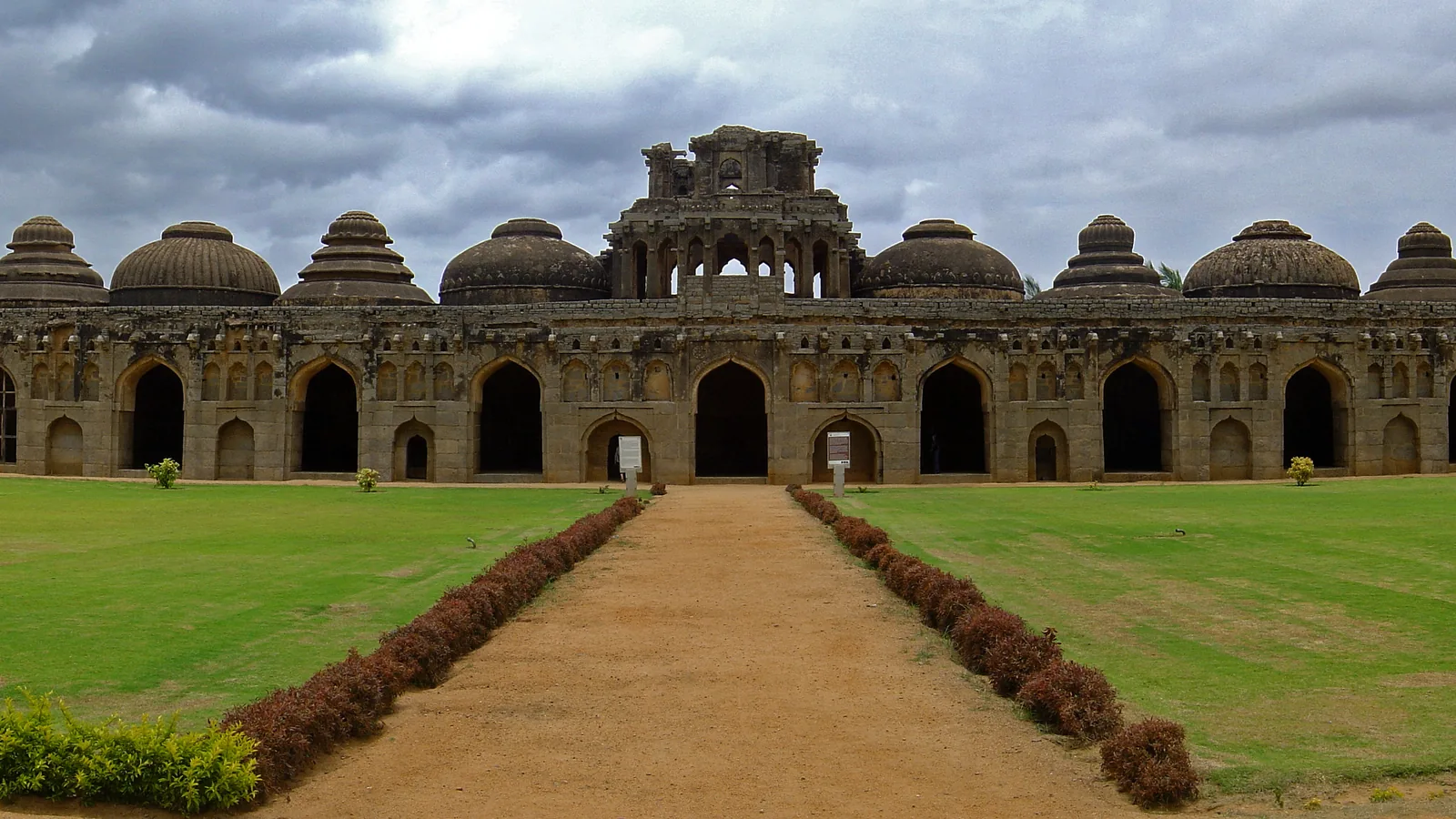
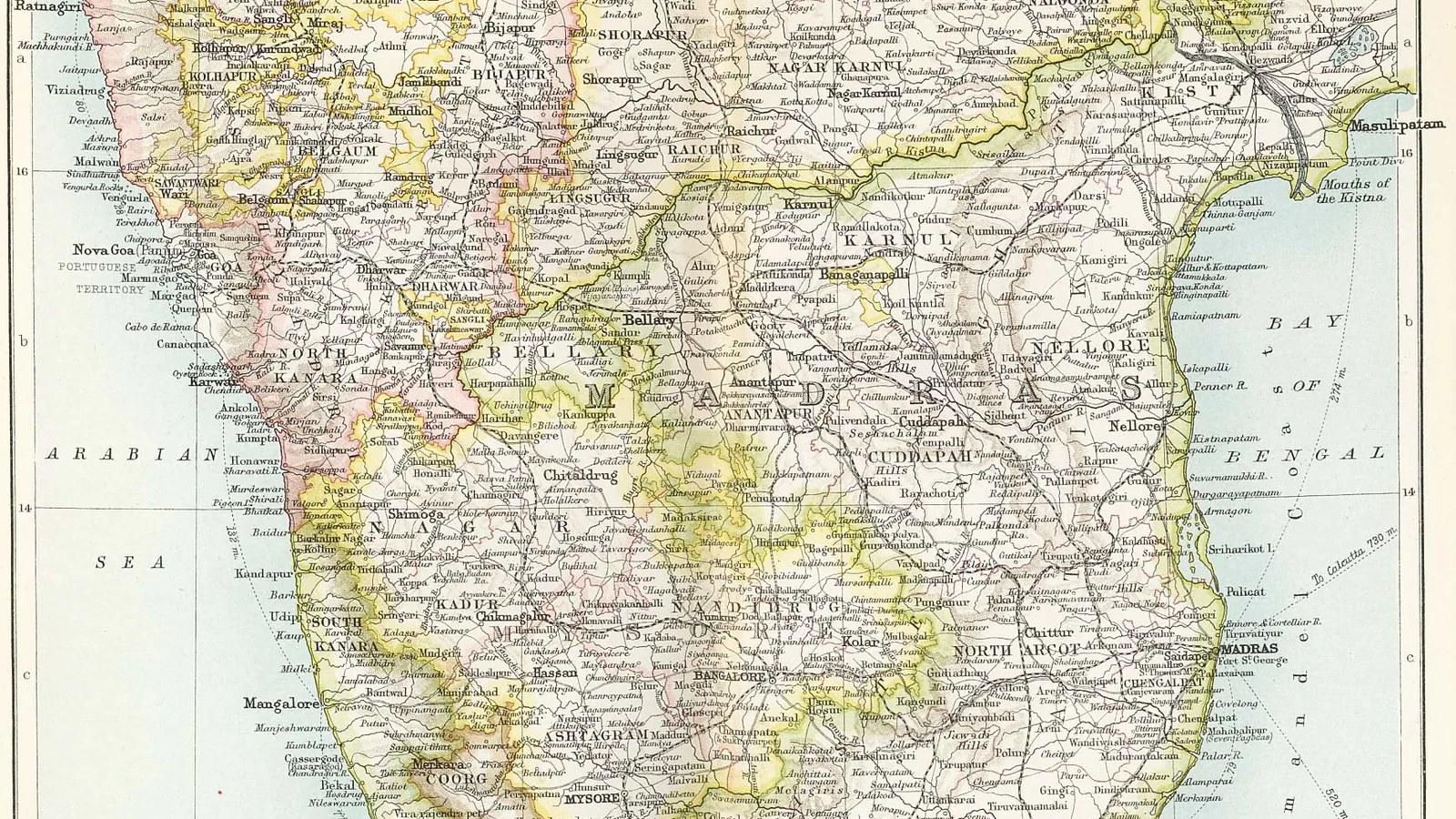
A Herat envoy reached Vijayanagara in April 1443 and described seven walls, rose bazaars and elephant stables. The city was sacked after January 23, 1565.
Vasco da Gama reached Calicut on May 20, 1498, with cloth, hats, sugar and honey; the Zamorin's officers laughed and he left with a letter asking for gold.
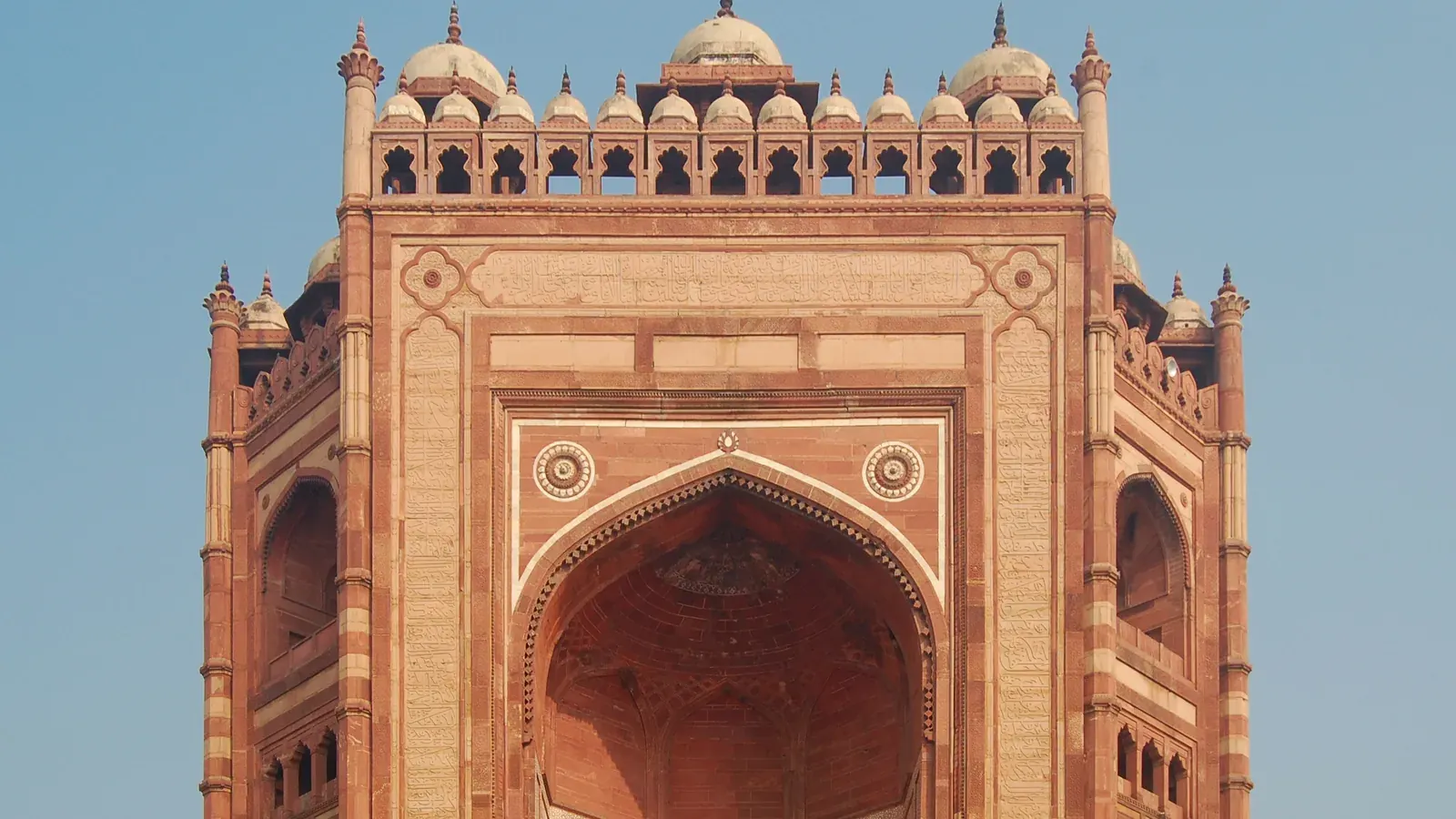
Akbar ruled Mughal India from 1556 to 1605 by ranking Hindu and Muslim officers in one service, ending the jizya tax in 1564 and outranking his clerics.
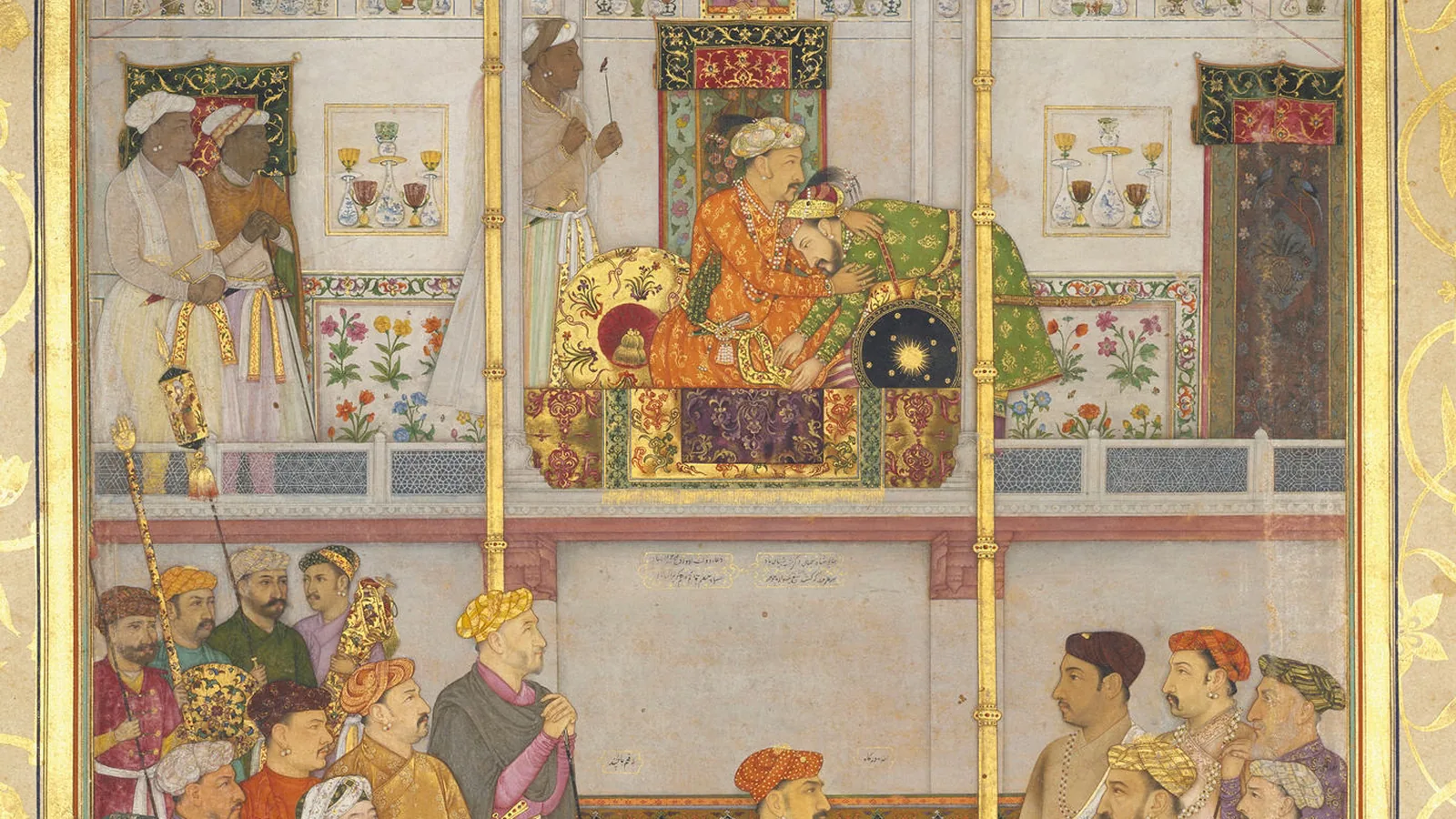
Thomas Roe first saw Jahangir at Ajmer on January 10, 1616, with a coach and virginals. He left in 1618 with farmans, not the sealed treaty he had drafted.
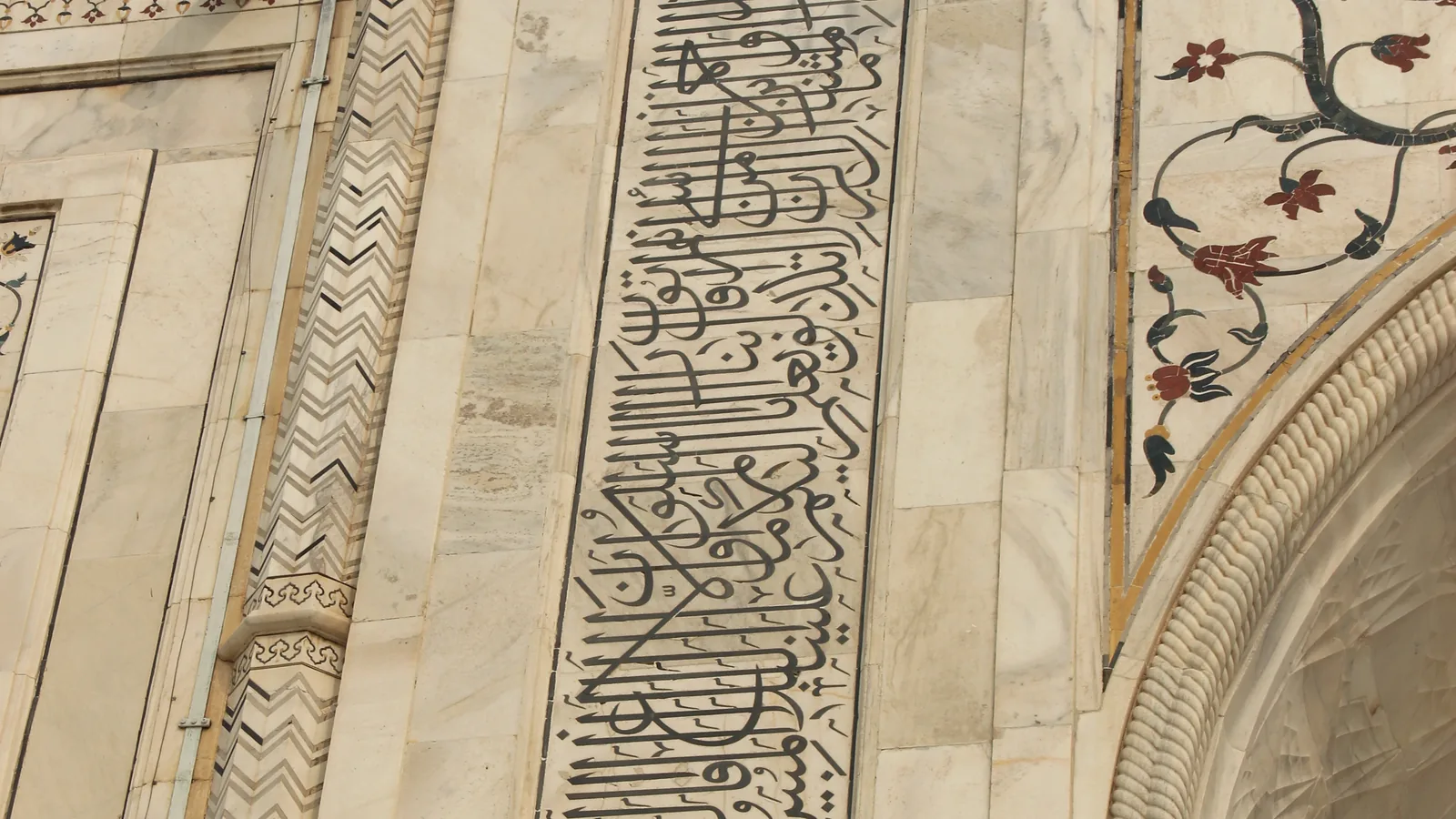
Mumtaz Mahal died at Burhanpur on June 17, 1631. Indian government sites date the Taj Mahal to 1631-1648 and 1653; its dome calligraphy is signed 1638.
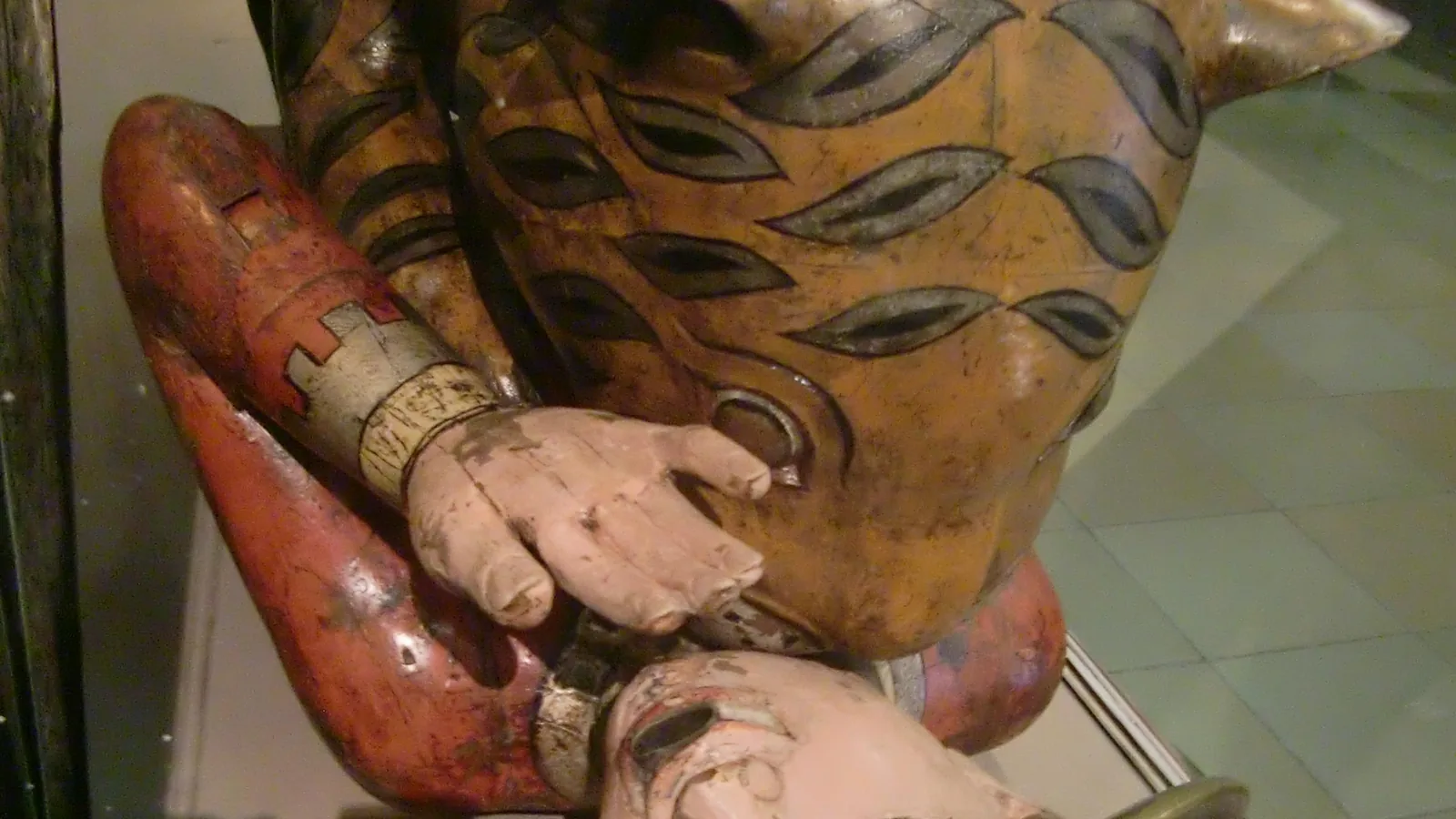
A wooden tiger mauls a European; a crank plays an organ inside. Taken from Tipu Sultan's palace when Seringapatam fell in May 1799; in London since 1800.
India's first passenger train left Bori Bunder at 3.30 pm on April 16, 1853. Behind it stood a 5 per cent guarantee of 1849 and a pass finished in 1868.
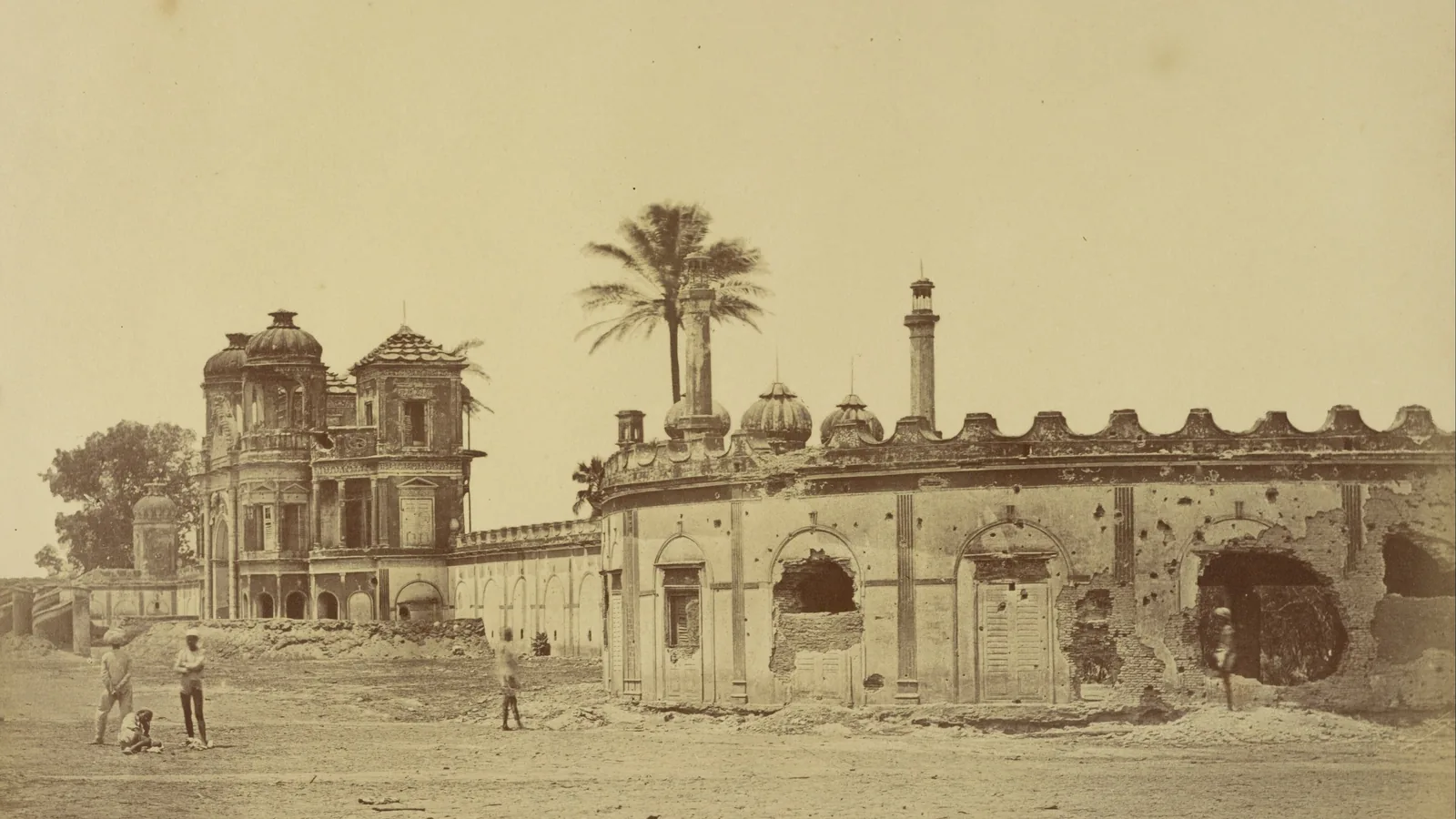
Sepoys at Meerut rose on May 10, 1857 over greased cartridges and marched to Delhi. Parliament took India from the Company by an Act of August 2, 1858.
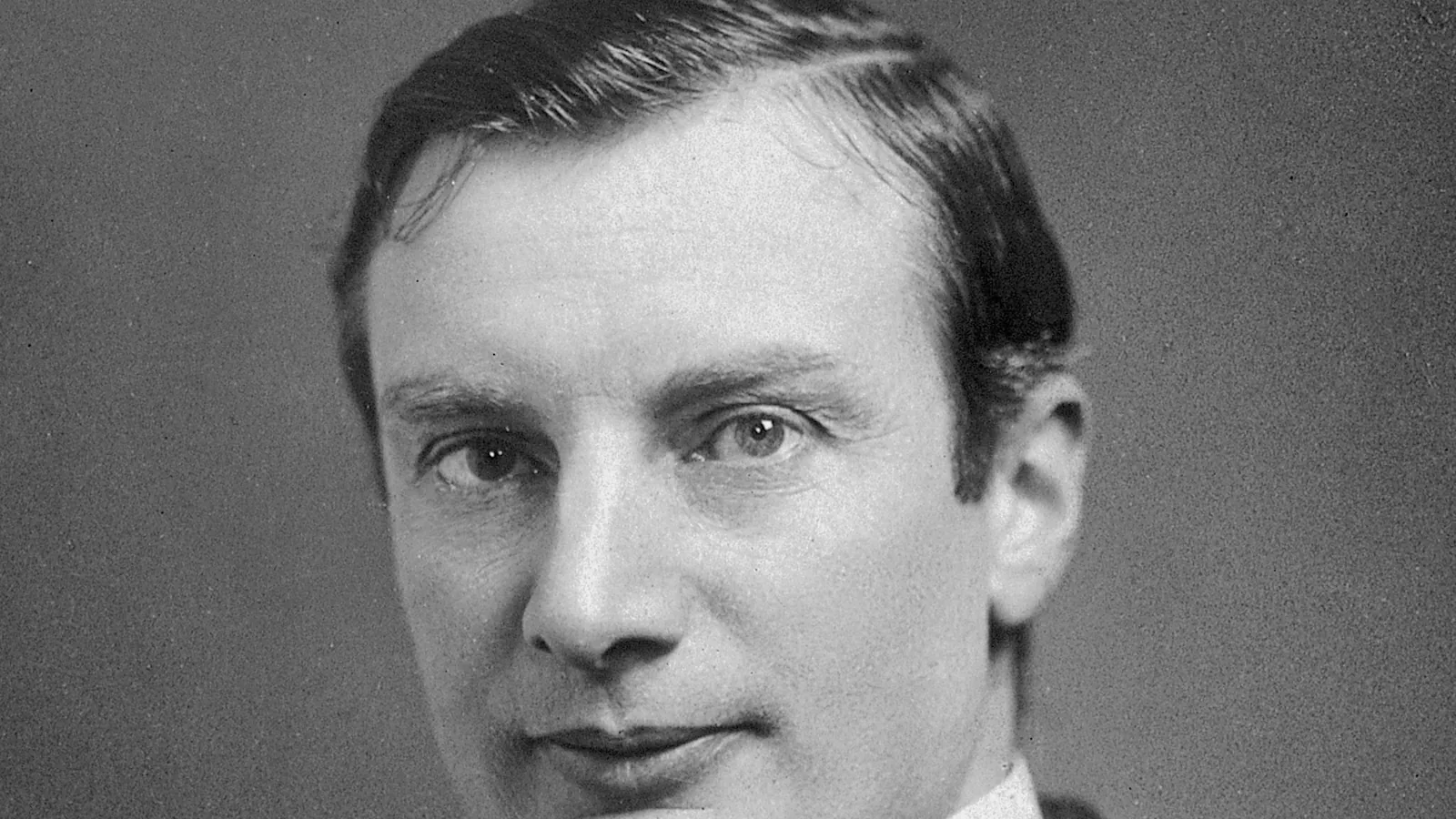
Waldemar Haffkine injected himself with 10 cc of plague vaccine on January 10, 1897, in Bombay. A 1902 accident at Mulkowal cost him his post until 1907.
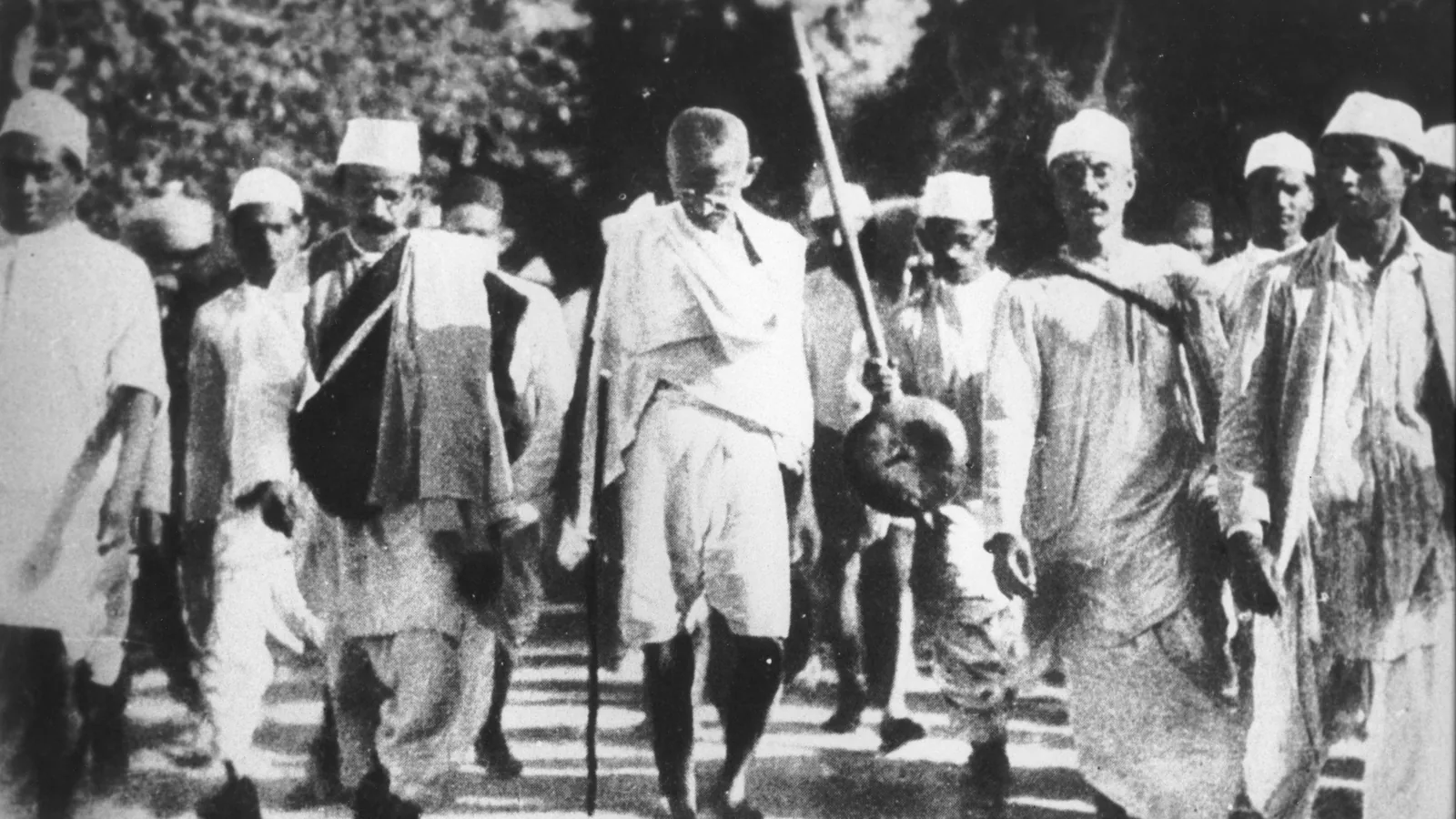
Gandhi's letter of March 2, 1930 told Lord Irwin he would 'disregard the provisions of the salt laws.' The march left March 12; a pact came in March 1931.
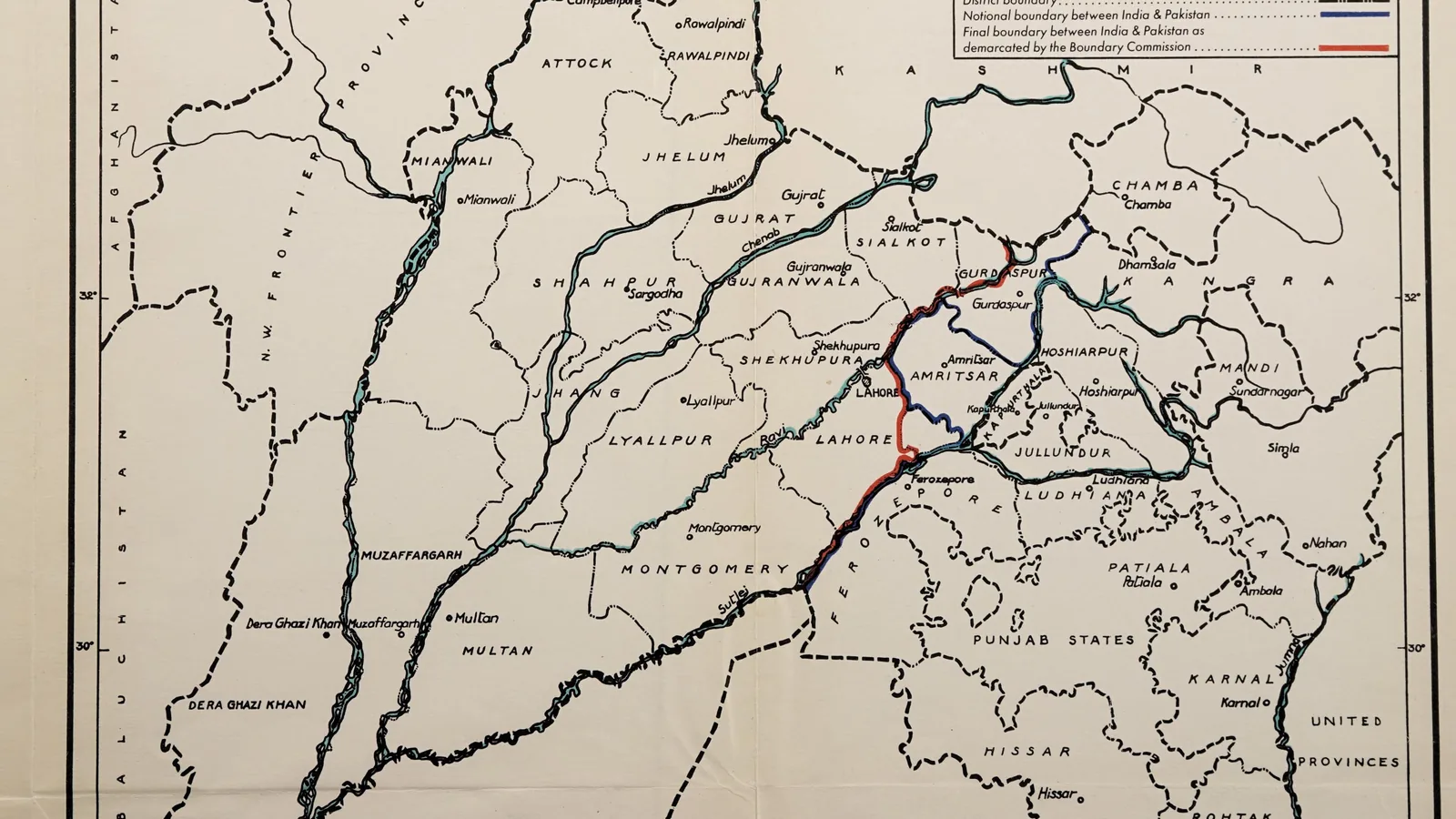
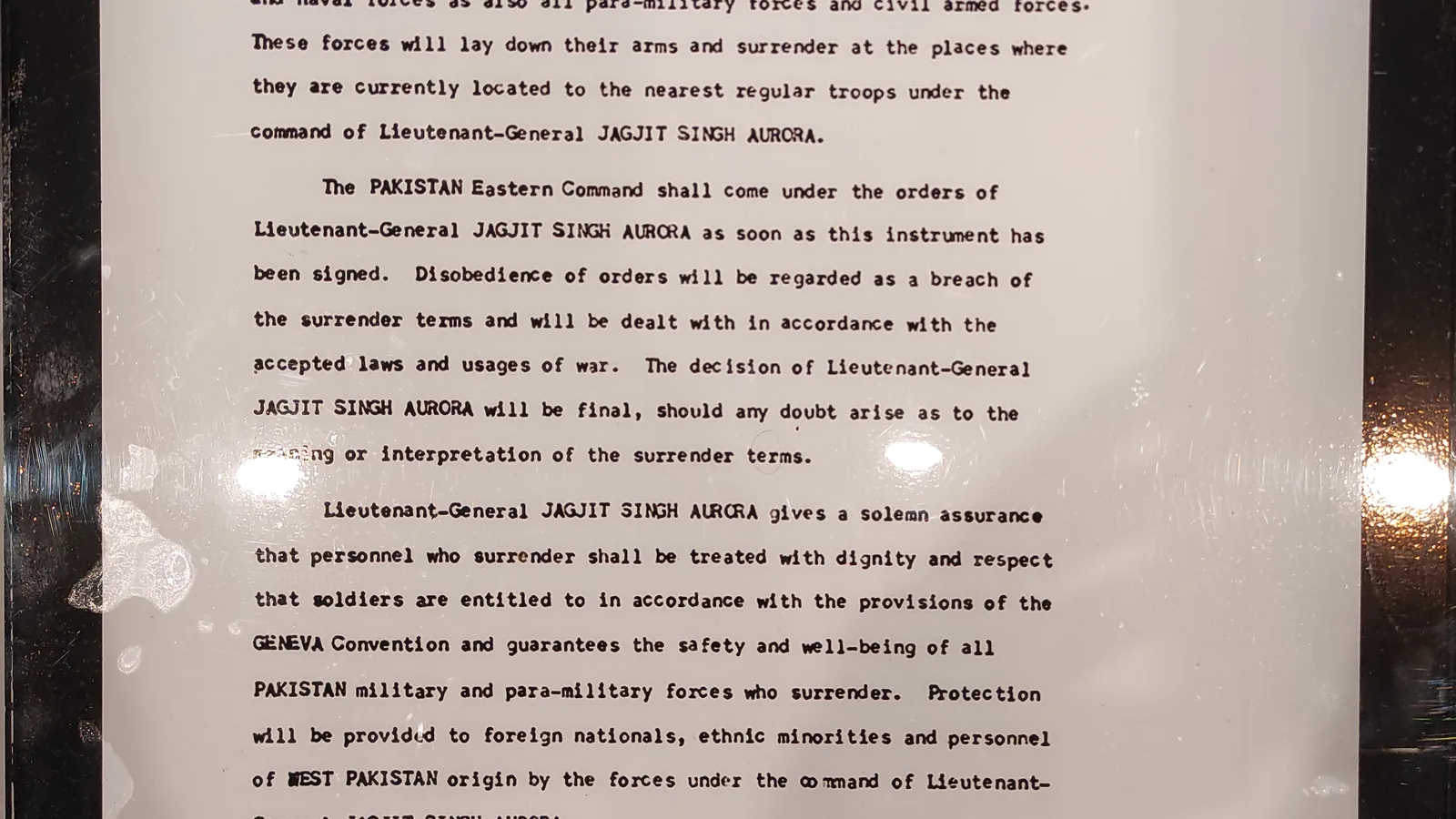
Britain set June 1948 as the deadline on February 20, 1947; the June 3 plan cut it to August 15; commissions formed June 30 signed the line on August 12.
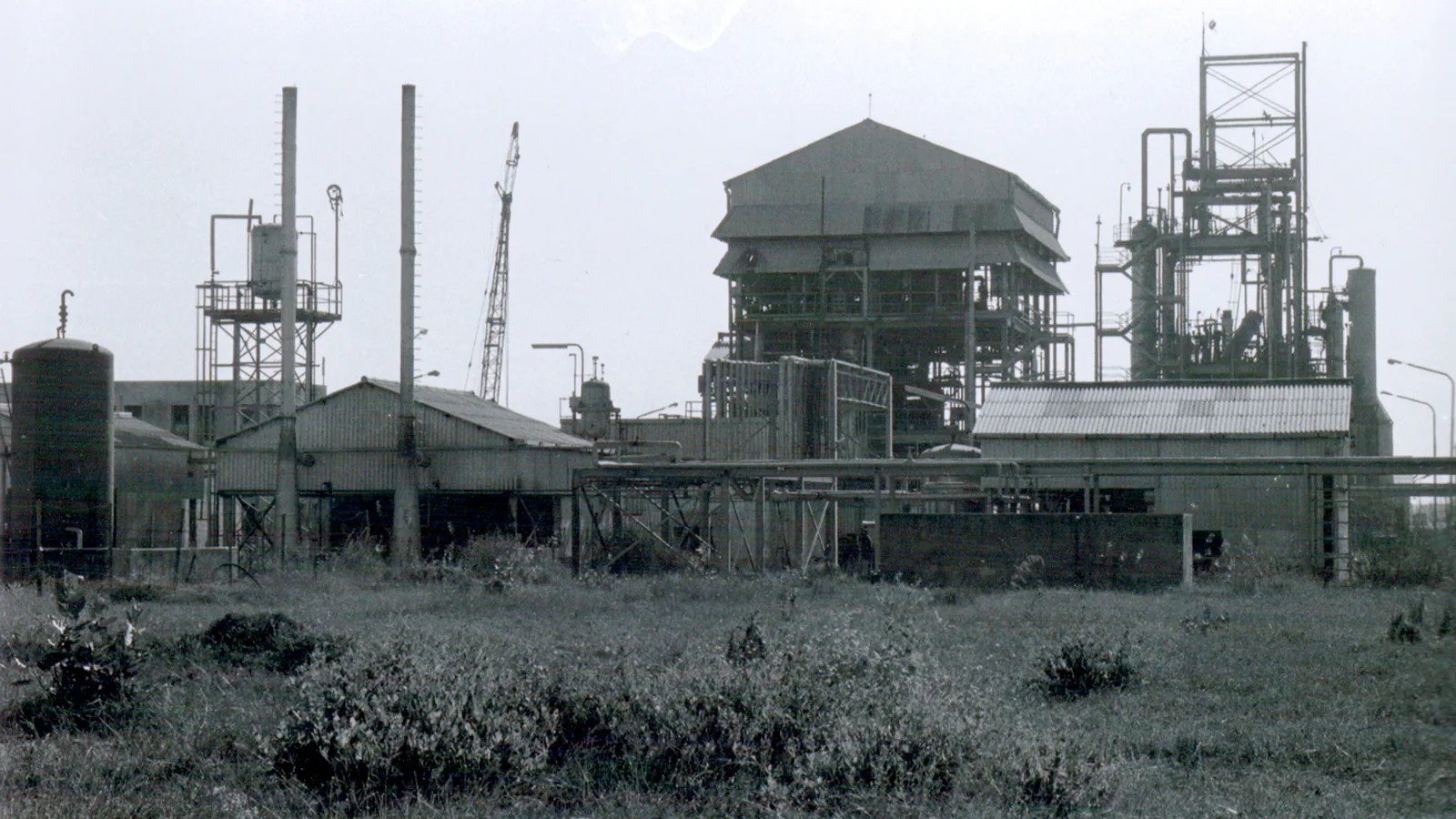
Papers count Bhopal's immediate dead at 2,000, 2,500 or 3,800; the 1989 settlement of US$470 million rested on 3,000; 15,310 death claims paid by 2003.